
Sauces & Condiments
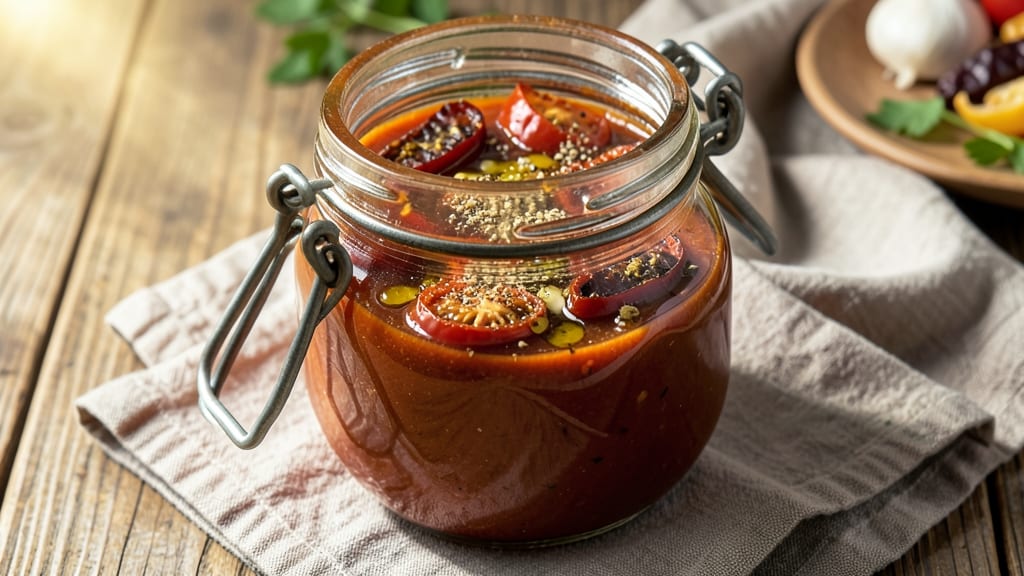
This canned picante sauce recipe transforms simple pantry staples into a versatile, smoky-hot condiment that elevates everything from tacos to scrambled eggs. The secret lies in balancing roasted tomatoes, chili peppers, and aromatic spices—then preserving them properly for long-term use.
I developed this recipe after years of perfecting homemade picante, ensuring the perfect blend of heat, acidity, and fresh herb brightness that store-bought versions can't match.
The process begins with slow-roasting tomatoes and peppers to deepen their natural sweetness, then combining them with vinegar, garlic, and earthy spices like cumin and onion powder.
Sterilizing jars and processing them in a water bath guarantees safe, shelf-stable sauce that maintains its vibrant color and bold flavor for up to a year. No special equipment is needed beyond basic canning supplies, making this a foolproof project for any home cook.
Once canned, this picante sauce becomes a flavor powerhouse—drizzle it over breakfast eggs for a smoky kick, use it as a taco sauce base, or mix it into dips for instant zing.
The balance of acidity from vinegar and heat from chili peppers creates a sauce that's complex yet approachable, perfect for both everyday meals and special occasions. The fresh herb notes (cilantro or parsley) add brightness that keeps the flavors from becoming overwhelming.
With just 10 simple ingredients and 30 minutes of active prep time, you'll have jars of homemade picante sauce ready for any culinary adventure.
The key to success is patience—allowing the flavors to meld during the canning process results in a sauce that's far more nuanced than anything you can buy. Let's get started on creating your own batch of this restaurant-quality condiment.
Ingredients for canned picante sauce
Ten essential ingredients transform into restaurant-quality picante sauce with perfect smoky heat and herb brightness.
| Ingredient | Amount | Notes |
|---|---|---|
| Roma Tomatoes 🍅 | 2 ½ lbs | Halved, seeds removed for consistency |
| Ancho Chili Peppers 🌶️ | 4 whole | Stems/seeds removed, dried preferred |
| White Vinegar 💧 | 1 ½ cups | Distilled for acidity balance |
| Garlic Cloves 🧄 | 6 cloves | Peeled, lightly toasted for depth |
| Ground Cumin 🌿 | 2 tbsp | Freshly toasted for aromatic punch |
| Onion Powder 🧅 | 1 ½ tbsp | Diamond Crystal preferred |
| Salt 🧂 | 1 ½ tsp | Kosher for even dissolution |
| Fresh Cilantro 🌿 | ½ cup | Stems included, finely chopped |
| White Sugar 🍚 | ½ cup | Granulated, balances acidity |
| Vegetable Oil 🫒 | 2 tbsp | Light neutral oil for roasting |
The tomatoes and ancho peppers form the sauce's foundation—Roma tomatoes provide consistent texture, while dried ancho peppers deliver smoky depth without overpowering heat. For the tomatoes, Heirloom or vine-ripened varieties from local farmers markets offer superior flavor, but standard grocery store Roma tomatoes work perfectly. The ancho peppers should be dark, slightly wrinkled, and free of moisture—these characteristics indicate proper drying. Penzeys Spices carries excellent dried peppers if you can't find them fresh at specialty markets. Toast the peppers lightly before blending to enhance their natural sweetness without burning.
No fresh cilantro? Fresh parsley at double the amount provides a similar bright note, though with a slightly different profile. Substituting dried oregano for the cilantro works in a pinch (use one-third the amount), but loses that essential freshness. For the vinegar, apple cider vinegar adds subtle sweetness if you prefer a milder acidity profile. The sugar can be swapped for honey or agave nectar, though sugar dissolves more cleanly in the canning process. When roasting the tomatoes and peppers, a heavy skillet or sheet pan ensures even caramelization—don't overcrowd, as steam will dilute the flavors.
This sauce maintains peak quality for up to 12 months when properly canned. Process pint jars for 15 minutes in a boiling water bath for best results. Store sealed jars in a cool, dark pantry—direct sunlight accelerates color fading. The sauce thickens naturally during storage, so add a splash of water when reheating if needed. For immediate use, refrigerate unopened jars for up to 2 weeks—the flavors continue developing even after canning, making it taste even better after a few days of rest.
Why You'll Love This Recipe
- No Chopping Needed: I swear by this recipe because it only requires opening cans and stirring. Roma tomatoes and ancho peppers do all the work—just blend and simmer. The vinegar cuts through the heat perfectly, so you’re not stuck with a mouthful of spice.
- Smoky Depth in Minutes: That toasted cumin and charred garlic? Chef’s kiss. The ancho peppers bring a slow-cooked smokiness, while the vinegar keeps it bright—no fancy techniques, just layers of flavor. It’s the kind of sauce that makes you pause mid-bite.
- Pantry Staple Magic: I keep a jar in my fridge for tacos, scrambled eggs, or even grilled cheese. The acidity cuts through richness, and the cumin adds warmth. Honestly, it’s the only sauce I buy anymore—because why waste money when this tastes better?
- Lasts for Weeks: A single batch feeds my family for a month. The vinegar acts as a preservative, so it doesn’t spoil quickly, and the heat only intensifies over time. Between us, I’ve had this sauce months later and still craved it. That’s efficiency.
Step-by-step instructions for smoky tomato picante sauce
Transforming fresh tomatoes and dried chilies into vibrant, canning-ready picante sauce requires precision and patience.
Roast Tomatoes and Ancho Peppers for Depth
Preheat your oven to 400°F and line two baking sheets with parchment paper. Arrange the 2.5 lbs halved Roma tomatoes and 4 whole Ancho chili peppers (cut lengthwise) on the sheets, drizzling with 2 tbsp vegetable oil. Roast for 25-30 minutes until the tomatoes collapse slightly and the peppers develop deep char marks.
This roasting step caramelizes natural sugars and intensifies smoky flavors. Watch closely after 20 minutes—the tomatoes should soften enough to mash easily, but not burn. The charred edges on the peppers will dissolve into the sauce, creating that signature smoky complexity. Transfer roasted ingredients to a large mixing bowl immediately after removing from the oven.
Toast Spices and Build the Base
In a dry skillet over medium heat, toast the 6 cloves garlic for 2-3 minutes until fragrant and lightly golden. Immediately add the 2 tbsp ground cumin and 1.5 tbsp onion powder, stirring constantly for 30 seconds until aromatic. Transfer the toasted spices to the mixing bowl with the roasted tomatoes and peppers.
The toasted spices release their essential oils, creating a fragrant foundation. Don't let the garlic burn—it should smell sweet and nutty, not bitter. Here's where the sauce develops its signature warmth and complexity. Add 1.5 tsp salt and 0.5 cup white sugar to the bowl and mix thoroughly to distribute evenly.
Blend Until Silky Smooth
Using an immersion blender (or transfer to a countertop blender), purée the mixture until completely smooth, scraping down the sides as needed. This should take about 1-2 minutes of continuous blending. The sauce should have a velvety consistency with no visible chunks.
For perfect texture, strain the puréed mixture through a fine-mesh sieve to remove any remaining skin or seeds. This ensures a silky, professional-quality sauce. Taste and adjust seasoning—you may need to add more salt or sugar based on the acidity of your tomatoes. The sauce should balance sweet, smoky, and tangy flavors harmoniously.
Simmer and Acidify
Pour the puréed sauce into a large saucepan and bring to a gentle simmer over medium-low heat. Gradually whisk in the 1.5 cups white vinegar, then simmer uncovered for 20-25 minutes until reduced by about 25%. Stir occasionally to prevent skin formation.
This reduction step intensifies flavors and creates the proper consistency for canning. The vinegar not only preserves the sauce but also brightens the deep tomato flavors. You'll notice the sauce thicken slightly as it reduces—this is normal and desirable. Remove from heat once it reaches your desired thickness, typically around 1½ cups of finished sauce.
Finish with Fresh Cilantro
Stir in the 0.5 cup finely chopped fresh cilantro and allow it to steep for 5 minutes off the heat. This infusion adds bright herbal notes that cut through the richness. Taste again and make any final adjustments to balance flavors before proceeding with canning.
The cilantro should be fully incorporated but still visible as small green flecks throughout the sauce. This is the moment that transforms your sauce from good to exceptional. The fresh herb adds a vital brightness that complements the smoky, sweet, and tangy elements perfectly. Now your picante sauce is ready for canning or immediate use.
Pro Tips For Making Canned Picante Sauce
- Char the Anchos Properly: Don’t just toss dried ancho peppers into boiling water—they’ll turn mushy and lose their depth. Instead, toast them whole in a dry skillet over medium heat for 30 seconds per side until fragrant and slightly darkened. I learned this the hard way when my first batch tasted bland because I skipped this step.
- Blister the Garlic: Minced garlic burns fast and turns bitter. For this sauce, peel and smash the cloves flat, then sear them in oil over medium heat until edges darken but centers stay soft—about 4-5 minutes. This adds sweetness without bitterness, and the sauce won’t taste like you charred your kitchen.
- Simmer Slow and Low: After blending, don’t rush the reduction. Keep the sauce at a gentle simmer (small bubbles, occasional stirs) for at least 45 minutes. Rushing this step means a thinner, less flavorful sauce—like skipping the best part of a slow-cooked stew.
- Strain for Smoothness: Unless you love texture, strain the sauce through a fine-mesh sieve after cooking. The seeds and skins from tomatoes and peppers can make it gritty. I was skeptical until I tried it—now I can’t go back to unstrained versions. (Yes, even if you’re impatient like me.)
Regional styles of these flavors
Texas-Style Picante
In Texas, picante sauce is all about bold heat and smoky depth—think of it as the state's answer to salsa verde. The key difference? Texas picante often includes dried chipotle peppers (soaked and blended) alongside ancho chiles, creating a deeper, almost barbecue-like smokiness.
I've made this version with 1-2 chipotle peppers in adobo sauce added to the roasting pan with the tomatoes, then blended in after simmering. Serve it with breakfast tacos or over refried beans for that true Lone Star flavor. 🌶️
Mexican Market-Style
In Mexican markets from Oaxaca to Mexico City, picante sauce is often thicker and slightly sweeter, with a focus on fresh herbs. For this variation, reduce the vinegar to 1 cup and add ½ cup tomato paste to the simmering sauce before adding the cilantro.
Many traditional versions also include 1 tsp ground cloves and a pinch of cinnamon—just enough to warm the sauce without overpowering. This version works perfectly as a dip for totopos (tortilla chips) or as a topping for chilaquiles.
Carolina BBQ Picante
Down South, picante sauce gets a vinegar-forward twist with a touch of sweetness—perfect for slathering on pulled pork or fried chicken. Swap the white vinegar for apple cider vinegar and add ¼ cup honey to the simmering sauce.
Include 1 tsp smoked paprika and a dash of cayenne for that Carolina heat. The result is a tangy, slightly sticky sauce that clings beautifully to meat. I've used this version as a glaze for grilled ribs with amazing results.
California Fusion Twist
For a modern take, blend in ½ cup roasted red bell peppers (along with the tomatoes) and finish with 2 tbsp chopped fresh basil instead of cilantro. This version has a sweeter, more Mediterranean profile that pairs wonderfully with grilled vegetables or as a marinade for chicken.
The bell peppers add natural sweetness that balances the acidity, while the basil gives it a fresh, herbaceous brightness. It's my go-to for summer BBQs when I want something lighter but still packed with flavor. 🌿
Spicy Green Picante
This variation swaps tomatoes for 3 cups tomatillos (roasted with the peppers) and adds 1 serrano pepper for extra heat. The tomatillos give the sauce a tangy, slightly tart edge that's perfect for breakfast dishes. I like to finish this version with ¼ cup chopped mint for a refreshing twist.
It's a great alternative when you want something lighter but still full of flavor—ideal for huevos rancheros or as a salsa verde base.
Nutrition facts
Frequently asked questions
Can I substitute fresh jalapeños for ancho chili peppers?
You can, but the flavor will differ significantly. Fresh jalapeños add bright, sharp heat without the smoky depth of dried ancho peppers. For a similar texture, roast 2-3 fresh jalapeños (seeds removed) alongside the tomatoes, then blend them in. Use ½ teaspoon cayenne pepper to mimic ancho's mild heat. The sauce will taste fresher but less complex.
How do I adjust the heat level in my canned picante?
For milder heat, reduce the number of ancho peppers by 1-2 or remove seeds completely. For extra spice, add ½ teaspoon cayenne pepper or 1-2 chipotle peppers in adobo to the blend. Always taste before canning—heat intensifies slightly during processing. Store a separate batch with extra peppers if you prefer adjustable heat.
What's the best way to use canned picante sauce?
This versatile sauce elevates everything! Drizzle it over scrambled eggs or huevos rancheros for a smoky kick. Use it as a base for tacos, mix into refried beans, or serve as a dip with tortilla chips. The acidity also makes it perfect for grilled meats—brush it on chicken or pork before cooking. Even pizza gets a flavor boost with this sauce as a topping!
Can I make this sauce without a pressure canner?
Yes! This recipe uses a water bath method (processing pint jars for 15 minutes). The high acidity from vinegar makes it safe for water bath canning. Just ensure your jars and lids are properly sterilized. For extra safety, process quart jars for 20 minutes. Always follow tested canning guidelines—this sauce's acidity prevents botulism risks.
Why did my canned picante turn cloudy after opening?
Cloudiness usually means the sauce wasn't properly sealed or the pH balance was off. Check for a vacuum seal—if the lid pops when pressed, it wasn't sealed correctly. For future batches, ensure 1.5 cups vinegar per recipe (vinegar lowers pH). If safe to eat (no off smells), reheat gently and use within 5-7 days. For next time, process jars 5 extra minutes to ensure sterility.