
Sauces & Condiments
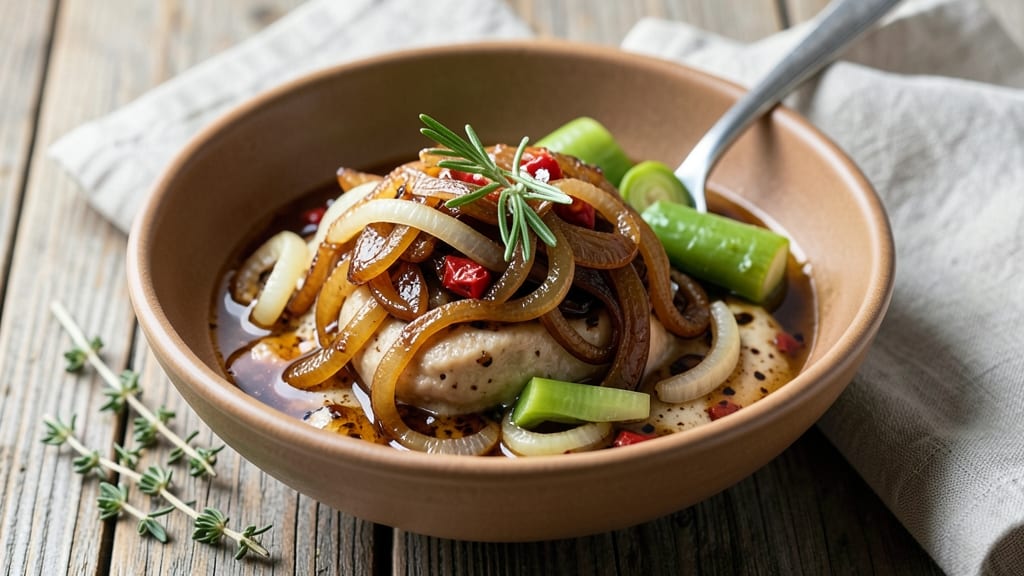
This Louisiana licker sauce recipe delivers the perfect balance of sweet, spicy, and tangy flavors that define Southern comfort food. The smoky chipotle heat and caramelized onion depth make it a versatile condiment for fried chicken, deviled eggs, or even cocktails.
I developed this recipe to capture the bold, complex taste that’s become a staple in Louisiana kitchens—where every bite carries a hint of tradition and a punch of flavor.
The sauce’s magic lies in its layers: horseradish adds sharpness, vinegar brings tang, and a touch of sweetness rounds out the heat. You’ll start with caramelizing onions for depth, then blend in spices and vinegar for that signature tangy kick.
The result is a sauce that’s smooth yet complex, with just enough heat to linger without overpowering. This isn’t just a condiment—it’s a flavor experience that elevates any dish it touches.
What sets this licker sauce apart is its adaptability. Use it as a dipping sauce for fried foods, a tangy topping for deviled eggs, or even a cocktail mixer for a smoky, spicy twist.
The recipe includes optional variations, like adding hot sauce for extra heat or honey for sweetness, so you can tailor it to your taste. Once you try it, you’ll understand why this sauce is a must-have in Louisiana cuisine—and why it’s become a favorite across the South.
The best part? This sauce keeps well in the fridge for up to a week, so you can make a batch ahead and enjoy it all week long.
Whether you’re serving it at a family gathering or keeping it on hand for quick meals, this licker sauce will bring a taste of Louisiana to your table. Let’s get started—your taste buds will thank you.
Ingredients for louisiana licker sauce
Nine bold ingredients for a sauce that's smoky, tangy, and full of Southern soul.
| Ingredient | Amount | Notes |
|---|---|---|
| Yellow Onions 🧅 | 1 ½ lb | Yellow or white, thinly sliced |
| Chipotle Peppers in Adobo 🌶️ | 2 tbsp | Paste only, from canned adobo |
| Apple Cider Vinegar 💧 | ½ cup | Unfiltered preferred for depth |
| White Vinegar 💧 | ¼ cup | For extra tang |
| Granulated Sugar 🍯 | ½ cup | Light brown sugar works too |
| Prepared Horseradish 🥕 | 2 tbsp | Freshly grated preferred |
| Hot Sauce 🌶️ | 1 tbsp | Optional for extra heat |
| Salt 🧂 | 1 tsp | Kosher or sea salt |
| Black Pepper 🌶️ | ½ tsp | Freshly ground preferred |
| Garlic Cloves 🧄 | 2 cloves | Minced for depth |
The onions are the foundation here—caramelizing them slow and low is worth the time. Yellow onions work best for that sweet, jammy depth, but white will do in a pinch. I grab mine from Whole Foods when I can, but any grocery store's yellow onions work fine. Chipotle peppers in adobo are a must—they bring that signature smoky heat that defines Louisiana cuisine. Look for canned chipotles in the Latin foods aisle, not the dried peppers. The vinegars? Unfiltered apple cider adds complexity, but if you only have white, go for it—just add a splash of honey to balance.
No chipotles? Substitute smoked paprika plus cayenne for heat, but you'll lose that smoky depth. Horseradish can be fresh or prepared—just grate it yourself if you've got the time. The sugar? Light brown sugar adds molasses notes, but white works too. Hot sauce is optional but recommended for that extra kick. Want more sweetness? Add honey or maple syrup to taste. The garlic? Freshly minced is best, but powdered works in a bind. Just don't skip it—the onions need that punch.
This sauce keeps beautifully. Store it in a glass jar in the fridge for up to 2 weeks, or freeze portions for 6 months. I double the batch every time—one for the fridge, one for the freezer. The flavors only get better with time, so don't hesitate to make extra. Perfect for fried chicken, deviled eggs, or even drizzled over cocktails. Trust me, you'll want to keep a jar on hand at all times.
Why You'll Love This Recipe
- Pantry Magic: I swear by this sauce because it’s made with stuff I already have—no fancy shopping trips. Just onions, a couple of chipotles in adobo (the good kind, not the dust), and some vinegar I’d otherwise forget about. Honestly, it’s the kind of recipe that makes me feel like a genius even though I’m just stirring a pot.
- Sweet Heat Balance: That sugar-vinegar-chipotle combo? It’s chef’s kiss—tangy, smoky, and just enough sweetness to cut through the kick. The onions caramelize into this deep, jammy base that makes everything better, from tacos to grilled chicken. I’ll be real: I’ve made it three times this month just for dipping chips.
- Weeknight Superhero: Slap it on anything—burgers, fries, even scrambled eggs—and suddenly dinner feels like a celebration. My kids ask for it after school nights, and my husband drizzles it on his sandwiches like it’s liquid gold. (Yes, even on a Tuesday night.) It’s the kind of sauce that turns ordinary meals into “we actually cooked tonight” moments.
- Budget-Friendly Stretch: A little goes a long way, and what’s left? It keeps for weeks in the fridge, so I’m always covered. I’ve used a single batch for three meals—tacos, wings, and even as a marinade—and never once regretted it. Between us, this is the kind of recipe that makes me feel like I’m feeding a crowd without breaking the bank.
Step-by-step instructions for Louisiana licker sauce
This smoky, tangy sauce comes together with patience and attention to detail.
Caramelize the Onions Slowly
Slice the 1.5 lb yellow onions into thin, even strips—about ⅛-inch thick. Heat a large, heavy-bottomed skillet over medium-low heat and add the onions without any oil. They'll release their own moisture as they cook.
Let them cook undisturbed for 20-25 minutes, stirring occasionally, until they turn a deep golden brown. This slow process develops the sweet, caramelized depth that makes licker sauce special. If they start to stick, add a splash of water and scrape up any browned bits—they're packed with flavor. You'll know they're ready when they're soft, jammy, and smell intensely sweet.
Build the Base with Vinegars and Sugar
Once the onions are perfectly caramelized, increase the heat to medium-high and add the 0.5 cup apple cider vinegar and 0.25 cup white vinegar. Let the mixture bubble vigorously for 3-4 minutes until the vinegars reduce by about half. This step cuts through the sweetness and adds that signature tang.
Next, stir in the 0.5 cup granulated sugar and let it dissolve completely. The sauce should start to thicken slightly as the sugar caramelizes along with the onions. If you notice it's getting too thick too quickly, add another splash of water to keep it flowing. This balance of sweet and tangy is what makes licker sauce so addictive.
Add the Chipotle and Horseradish
Reduce the heat to medium and stir in the 2 tbsp chipotle peppers in adobo. Let the sauce simmer for 5-7 minutes to allow the smoky, spicy flavors to meld with the onions. You'll see the sauce darken slightly as the chipotle's oils infuse. Then, add the 2 tbsp prepared horseradish and mix well—this adds a sharp, peppery kick that's essential to authentic licker sauce.
Here's the thing—don't rush this step. The chipotle needs time to soften and release its heat gradually. If you taste it now, you should notice a perfect balance of sweet, tangy, and smoky flavors with a hint of horseradish bite. If it's not quite there, let it simmer a few more minutes—patience pays off.
Finish with Garlic, Spices, and Heat
Add the 2 minced garlic cloves and cook for 1-2 minutes until fragrant. Then, stir in the 1 tsp salt, 0.5 tsp black pepper, and 1 tbsp hot sauce (if using). Let the sauce simmer for another 3-5 minutes until it thickens to your desired consistency. It should coat the back of a spoon but still be pourable.
Taste and adjust the seasoning—you might want to add a touch more sugar for sweetness or a splash of vinegar for tang. The hot sauce is optional, but it adds an extra layer of heat that pairs perfectly with fried foods. Let the sauce cool slightly before serving, as it will continue to thicken as it rests.
Pro Tips For Making Louisiana Licker Sauce
- CHAR ONIONS FIRST: I learned this the hard way—sautéing onions until they’re deep golden before adding anything else makes a real difference. Skip this, and your sauce will taste raw and sharp instead of rich and balanced. Use medium heat, stir often, and don’t rush; you’re building flavor here, not just cooking.
- STRAIN THE ADOBO SAUCE: Chipotle peppers in adobo come with a thick, oily sauce that can weigh down your licker sauce. Strain it through a fine-mesh sieve before measuring—yes, it’s extra work, but it keeps the sauce silky instead of greasy. Save the strained sauce for marinades or soups; it’s still useful.
- DON’T BOIL THE VINEGARS: Simmering vinegar too hard turns it harsh and metallic. Keep the heat low to medium and let it bubble gently—just enough to dissolve the sugar and blend flavors. I used to crank the heat, and the sauce would taste like vinegar punch instead of a smooth, tangy glaze.
- USE BOTH VINEGARS SEPARATELY: Apple cider vinegar adds depth, while white vinegar cuts through fat. Add the white vinegar last—it’s sharper and can overpower if mixed in too early. Start with apple cider vinegar to build flavor, then finish with white for that classic kick. Trust me, your taste buds will notice.
Essential equipment for this recipe
Heavy-Bottomed Skillet
A 12-inch cast iron skillet or stainless steel pan is essential for caramelizing onions evenly without burning. I swear by my Lodge cast iron—it retains heat perfectly and develops a natural nonstick surface over time.
If you don’t have cast iron, a high-quality stainless steel pan (like All-Clad) works too. Avoid nonstick—it can’t handle the slow, high-heat caramelization without sticking. 🔥
Immersion Blender
While you can mash the sauce with a fork, an immersion blender creates a silky-smooth texture without lumps. I use a Ninja BN601—it’s affordable and powerful enough to blend the caramelized onions and vinegars into a velvety consistency.
If blending isn’t an option, a food mill or fine-mesh sieve works for straining out any large onion pieces.
Fine-Mesh Strainer
A stainless steel fine-mesh strainer (like the OXO Good Grips) helps remove any stubborn onion bits or seeds if you prefer a smoother sauce. I skip this step sometimes when the onions caramelize perfectly, but it’s worth having on hand if your batch turns out chunky.
The strainer also comes in handy for pressing excess liquid from the horseradish if you’re using fresh.
Glass Jars for Storage
Store your licker sauce in glass mason jars (like Ball or Le Parfait) to preserve its vibrant color and prevent absorption of odors from plastic. The jars also make it easy to drizzle directly from the fridge.
I label mine with the date—this sauce keeps for 2 weeks refrigerated or 6 months frozen, so tracking freshness is key. 💛
Measuring Spoons & Spice Grinder
Precision matters with spices and vinegars, so invest in stainless steel measuring spoons (like OXO’s) for accurate chipotle, horseradish, and hot sauce additions. A small spice grinder (like Spicewalla) ensures freshly ground black pepper for maximum flavor.
I also keep a microplane handy for grating fresh horseradish if I’m feeling fancy.
Optional: Food Thermometer
While not mandatory, a kitchen thermometer (like Thermoworks Thermapen) helps monitor the sauce’s temperature during simmering. Aim to keep it between 180-200°F—this ensures the vinegars reduce properly without burning. It’s especially useful if you’re adjusting sweetness or tanginess mid-cook. Trust me, it’s a game-changer for consistency. ✨
Nutrition facts
Frequently asked questions
Can I make licker sauce without horseradish?
Yes, but the sharp, peppery kick is what makes this sauce authentic. For a substitute, try 1 tablespoon of fresh ginger juice or ½ teaspoon of ground mustard powder—both add depth without the same heat. If you skip it, increase the vinegar slightly (1 extra tablespoon) to maintain tanginess.
How spicy should my licker sauce be?
The heat should be noticeable but balanced—think medium heat (like a mild jalapeño). Start with the 2 tablespoons of chipotle paste and adjust by adding ½ to 1 teaspoon of cayenne pepper or 1-2 teaspoons of hot sauce to taste. For extra heat, blend in ½ a fresh chili pepper (like serrano) with the sauce.
What’s the best way to store homemade licker sauce?
Transfer to a clean, airtight glass jar and refrigerate for up to 2 weeks. For longer storage, freeze in ice cube trays (thaw quickly in warm water) or small portions in freezer bags for up to 6 months. The sauce actually improves over time—flavors meld beautifully after 3-5 days in the fridge.
Can I use this sauce in cocktails?
It adds a smoky, tangy kick to drinks like whiskey sours or gin rickeys. Start with ½ teaspoon per drink and adjust to taste. For a creamy twist, mix it into a bourbon and cream cocktail—the horseradish and chipotle cut through the richness beautifully.
Why did my licker sauce turn out too sweet?
This happens when the vinegars didn’t reduce enough or the sugar wasn’t balanced by acidity. Next time, simmer the vinegars longer (5-7 minutes) and taste frequently. If it’s already made, balance it by adding 1-2 tablespoons of extra vinegar or a splash of lemon juice. A pinch of salt also helps round out the flavors.