
Sauces & Condiments
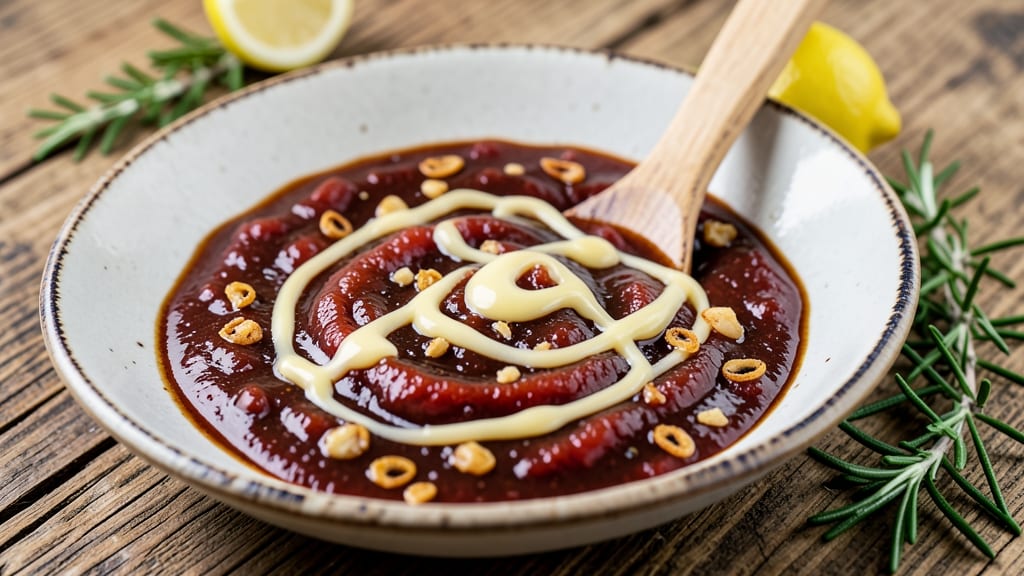
This American barbecue sauce recipe delivers the perfect balance of smoky depth and tangy brightness—just like the sauce that makes ribs and burgers unforgettable. 🔥 I developed it after years of perfecting the art of balancing sweetness, acidity, and heat, ensuring every bite is rich without overpowering the meat.
The caramelized molasses and vinegar base creates that signature sticky-sauce texture, while spices add layers of warmth.
The secret lies in simmering the sauce low and slow, allowing flavors to meld into a cohesive, aromatic blend. You’ll need just 10 minutes of active prep time, followed by 30 minutes of simmering—no fancy equipment, just a sturdy saucepan and patience.
This sauce works equally well on ribs, pulled pork, or as a dipping sauce for fries, proving versatility without sacrificing depth.
What sets this recipe apart is the caramelized depth from molasses and tomato paste, which develops as it simmers. The result? A sauce that’s sticky, smoky, and tangy—with just the right amount of heat to complement your favorite BBQ dishes.
Store it in the fridge for up to 2 weeks or freeze for longer shelf life, so you always have that perfect sauce on hand.
Whether you’re grilling for a crowd or slow-cooking a Sunday feast, this sauce elevates every bite. The balance of sweet, tangy, and smoky flavors ensures it’s a crowd-pleaser, and the foolproof technique means even beginners can achieve restaurant-quality results. Let’s get started!
Ingredients for american barbecue sauce
Here’s the core lineup for that signature smoky-vinegar BBQ sauce—every ingredient plays a part in that sticky, tangy perfection.
| Ingredient | Amount | Notes |
|---|---|---|
| Unsalted Butter 🧈 | ½ cup | Cold, cubed for better texture |
| Yellow Onion 🧅 | 1 whole | Medium size, finely diced |
| Garlic Cloves 🧄 | 4 cloves | Peeled, minced finely |
| Molasses 🍯 | ½ cup | Unsulphured for best flavor |
| Tomato Paste 🍅 | ½ cup | High-quality, no sugar added |
| Apple Cider Vinegar 🍎 | ½ cup | Bottled, not cider |
| Ketchup 🍅 | ½ cup | Heinz preferred for consistency |
| Smoked Paprika 🌶️ | 2 tbsp | High-quality, not sweet |
| Ground Black Pepper 🌶️ | 1 tsp | Freshly ground preferred |
| Salt 🧂 | 1 ½ tsp | Diamond Crystal preferred |
| Brown Sugar 🍚 | ½ cup | Light or dark, packed |
| Worcestershire Sauce 🍯 | 1 tbsp | Anchovy-free version for vegan |
The molasses and tomato paste are non-negotiable here—they’re what give that signature caramelized depth. Grab unsulphured molasses from the baking aisle at Whole Foods or Trader Joe’s—it’s sweeter and less bitter than sulphured versions. For tomato paste, Muir Glen is my go-to, but any high-quality canned paste works. The smoked paprika? Penzeys has the best selection, but the regular grocery store stuff is fine if it’s labeled ‘smoked’—just don’t grab the sweet variety. The onion and garlic? Yellow onions add sweetness, while garlic brings that aromatic punch. If you’re short on time, pre-minced garlic from a jar works, but fresh is always better.
No molasses? Maple syrup at half the amount gets you close, though it’ll be sweeter. Running low on tomato paste? Canned crushed tomatoes work in a pinch—just add an extra pinch of salt. Worcestershire sauce missing? Soy sauce or liquid aminos add umami depth, though the tang will be slightly different. The brown sugar can be swapped for white, but it’ll lack that molasses-like caramelization. For heat, red pepper flakes or cayenne can replace black pepper, but the smokiness will be lost—so use them sparingly. The ketchup is where you can get creative: Heinz is reliable, but Hunt’s or even store-brand works fine if it’s vinegar-based.
This sauce gets better with time—let it sit for at least 24 hours before using if you can. It keeps in the fridge for 2 weeks in an airtight jar, or you can freeze it for up to 6 months. For easy storage, portion it into ice cube trays—perfect for adding to grilled dishes later. The longer it sits, the deeper the flavors meld, so if you’re making it ahead for a cookout, make it 2 days early and let it develop. Trust me, the wait is worth it.
Why You'll Love This Recipe
- Pantry Magic: I swear by this sauce because it uses what’s already lurking in my cupboards—no fancy ingredients, just butter, onion, and that one bottle of molasses gathering dust. The moment I add the tomato paste and let it simmer, it transforms into something rich and tangy that feels like a hug in sauce form.
- Sweet-Smoky Kick: That molasses gives it a deep, caramelized warmth, while the garlic cloves (don’t skimp!) add a sharp, aromatic punch. It’s not too sweet, not too smoky—just that perfect balance that makes every bite feel like a little victory lap for your taste buds.
- Weeknight Wonder: Whether I’m slathering it on grilled chicken for a quick dinner or tossing it with baked beans for a lazy Sunday, this sauce never lets me down. It’s the kind of recipe that turns a simple meal into something special without requiring a single extra dish.
- Budget-Friendly Staple: A single batch stretches across multiple meals—leftover sauce tastes just as good the next day, and I’ve even frozen it for months. Honestly, it’s one of those recipes where the cost is low, but the flavor is anything but. My wallet and my family thank me every time.
Step-by-step instructions for American barbecue sauce
Here's how to build a rich, balanced sauce with deep caramelized notes and perfect smoky tang.
🍳 Step 1: Melt Butter and Sauté Aromatics
In a heavy-bottomed saucepan (I use stainless steel for even heat distribution), melt the 0.5 cup unsalted butter over medium heat. Once fully melted and foaming subsides, add the 1 whole yellow onion and 4 cloves garlic cloves (minced finely). Cook for 8-10 minutes until the onions become translucent and the garlic releases its aroma.
This slow cooking process develops the onions' natural sweetness and removes excess moisture, which prevents a watery sauce. Stir occasionally and watch for golden brown spots on the onions—that's your signal they're ready for the next step. If the butter starts browning too quickly, reduce heat slightly to prevent burning.
🍳 Step 2: Add Molasses and Tomato Paste
Push the onions and garlic to one side of the pan and add the 0.5 cup molasses to the empty space. Let it bubble gently for 2-3 minutes until it begins to caramelize slightly along the edges. This step creates that signature deep, almost bitter-sweet flavor that defines classic American barbecue sauce.
Stir well to incorporate, then add the 0.5 cup tomato paste. Cook for another 3-4 minutes, stirring constantly, until the mixture thickens and the raw tomato flavor mellows. The sauce should begin to coat the back of a spoon—this is when you'll start building the sauce's body. If it looks too dry, add 1 tablespoon apple cider vinegar to help it along.
🍳 Step 3: Build the Sauce Base with Vinegar and Ketchup
Pour in the 0.5 cup apple cider vinegar and 0.5 cup ketchup simultaneously. The vinegar will cause the mixture to bubble vigorously—this is normal. Let it simmer for 5-7 minutes until the liquid reduces by about half and the sauce begins to thicken noticeably. You're looking for a consistency that's still pourable but coats the spoon.
Here's where the magic happens: the vinegar brightens the molasses' sweetness while the ketchup adds that classic tang. Taste the sauce at this point—it should be sweet, tangy, and slightly acidic. If it needs more balance, you can adjust later, but we're aiming for harmony now. Stir in the 2 tbsp smoked paprika and let it cook for another 2 minutes to bloom its smoky depth.
🍳 Step 4: Finish with Sweetness and Seasoning
Add the 0.5 cup brown sugar, 1.5 tsp salt, 1 tsp ground black pepper, and 1 tbsp Worcestershire sauce all at once. Stir vigorously to dissolve the sugar completely—this prevents grainy texture in the final sauce. Let the mixture simmer for 8-10 minutes until it thickens to a glossy, syrupy consistency that coats the back of a spoon.
Real talk: this is the moment that matters. The sauce should be balanced—sweet but not cloying, tangy but not sour, smoky but not overpowering. Taste and adjust: need more sweetness? Add a little more brown sugar. Too sweet? A splash of vinegar helps. Too thin? Simmer uncovered for another 2-3 minutes to reduce further. The goal is that perfect barbecue sauce consistency where it clings beautifully to ribs or pulled pork.
⏰ Step 5: Cool and Store Properly
Remove the pan from heat and let the sauce cool for 10 minutes before transferring to a clean jar. I like to press plastic wrap directly onto the sauce's surface to prevent a skin from forming. Store in the refrigerator for up to 2 weeks or freeze for up to 3 months—the flavors actually deepen over time.
This sauce works best when used on warm meats, so I recommend reheating gently in a saucepan over low heat until warmed through. If it thickens too much during storage, whisk in 1-2 tablespoons water to restore the perfect consistency. The sauce should be vibrant, glossy, and ready to elevate any barbecue dish from good to unforgettable.
Pro Tips For Making American Barbecue Sauce
- Cook Onions Slow: I learned this the hard way—drowning onions in butter at high heat turns them into a sad, watery mush. Instead, start with a cold pan, melt the butter on medium-low, then add sliced onions. Let them sweat for 10 minutes before adding garlic, or they’ll burn before the flavor develops.
- Deglaze Like a Pro: After cooking the aromatics, don’t just splash in vinegar or liquid—scrape the browned bits off the bottom with a wooden spoon first. Those bits pack deep flavor, and skipping this step means your sauce will taste flat. (Yes, even if you’re impatient like me.)
- Balance Molasses Early: Molasses is the soul of this sauce, but too much too soon makes it cloying. Stir in half the molasses with the tomato paste, taste, then add the rest later. You can always adjust sweetness, but fixing a sauce that’s too sweet is a headache.
- Simmer Until Thick: This isn’t the time to rush. After adding all ingredients, let the sauce bubble gently for at least 20 minutes—no peeking or stirring constantly. The longer it simmers, the richer and glossier it gets. (Your future self will thank you.)
Make-ahead tips for american barbecue sauce
Prep Ahead for Cookouts
Make this sauce 2-3 days ahead of your cookout—flavors deepen dramatically when stored. I like to portion it into ice cube trays, freeze, then transfer to a ziplock bag for easy use later.
Just toss a cube or two into your smoker or grill to glaze meats as they cook. 🍖 This method saves time and ensures you always have sauce ready when you need it.
Freezer-Friendly Tips
For long-term storage, use quart-sized freezer bags or glass mason jars—both work well. Leave 1-inch headspace to prevent expansion cracks. Label with the date and freeze flat for easy stacking.
When ready to use, thaw overnight in the fridge or reheat directly from frozen over low heat, stirring occasionally to prevent scorching.
Sauce Consistency Hacks
If your sauce thickens too much after refrigeration, whisk in 1-2 tablespoons water or apple cider vinegar to restore balance. For extra shine, add a splash of water or vinegar before reheating.
Pro tip: Store a small portion in the freezer to use as a "starter" when making fresh batches—it jumpstarts the flavor development instantly. 💡
Batch Cooking for Parties
Double or triple the recipe when hosting large gatherings. Use a large stainless steel pot (I love my All-Clad) to handle bigger batches without scorching.
Keep the sauce warm in a slow cooker on low heat or a chafing dish at the party—this maintains its perfect consistency for glazing or dipping. Prep the sauce the morning of your event, and you’ll spend less time cooking and more time enjoying the party.
Travel-Friendly Packaging
Pack sauce in small, airtight containers (like 4-ounce mason jars) for road trips or tailgates. These fit easily in coolers and won’t spill. For extra safety, freeze the containers solid, then pack them in your cooler—they’ll thaw slowly and stay cold.
Label each container with the date and "BBQ Sauce" so you don’t mix it up with other condiments. ✨
Flavor Development Timeline
The sauce tastes best after 48 hours of storage, when the molasses and vinegar fully meld. If you’re short on time, let it sit at room temperature for 4-6 hours before using—this speeds up flavor integration.
For maximum depth, make it 3 days ahead and store in the fridge. The longer it rests, the richer and more complex the flavors become, making it worth the wait for serious BBQ lovers.
Nutrition facts
Frequently asked questions
Can I make this barbecue sauce without molasses?
For a similar depth of flavor, substitute 0.5 cup molasses with 0.5 cup maple syrup or 0.4 cup honey. The sauce will be sweeter, so reduce the brown sugar to 0.3 cup to balance it. If you prefer a tangier profile, try 0.25 cup balsamic vinegar plus 0.25 cup apple cider vinegar instead.
How do I adjust the heat level in this sauce?
This recipe includes smoked paprika for mild heat, but you can customize it. For more kick, add ½ teaspoon cayenne pepper or 1 teaspoon red pepper flakes with the spices. For a smoky heat without spice, increase the smoked paprika to 3 tablespoons. Always taste as you go—you can add heat gradually, but you can't remove it!
What's the best way to use this sauce on ribs?
For ribs, apply the sauce in 3 stages: First, brush on 2 tablespoons during the last 30 minutes of cooking. Then add another 2 tablespoons during the final 15 minutes of cooking. Finish with a final coat right before serving to create a glossy, caramelized crust. Avoid over-saucing early—it can burn and make the ribs soggy.
Can I make this sauce vegan?
Yes! Skip the Worcestershire sauce (or use a vegan version) and replace the butter with 0.5 cup olive oil or vegetable oil. For umami depth, add 1 teaspoon soy sauce or 1 tablespoon nutritional yeast with the spices. The sauce will still have that signature tangy-sweet balance without any animal products.
Why did my sauce turn out too thin?
Thin sauce usually happens from one of three things: not enough simmering time, too much liquid added early, or using too much vinegar. To fix it, simmer uncovered for 5-10 more minutes to reduce the liquid. If that doesn't work, mix in 1 tablespoon cornstarch with 1 tablespoon water, stir in, and cook for 2 more minutes until thickened. For prevention, always taste and adjust as you go!