
Sauces & Condiments
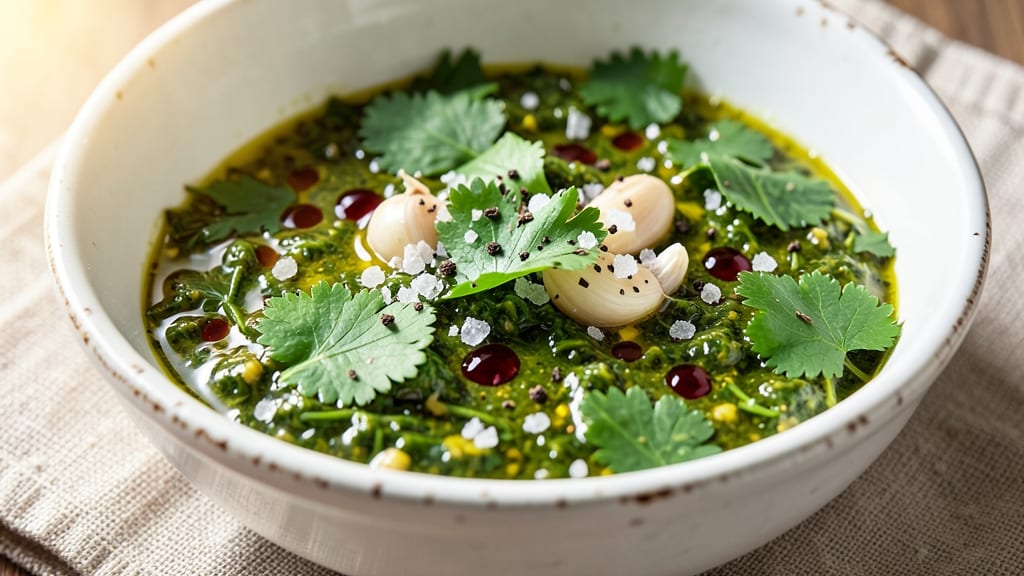
Gordon Ramsay's chimichurri sauce recipe delivers the herb-packed zing that transforms ordinary meals into restaurant-quality experiences. The secret lies in fresh parsley, garlic, and a precise balance of acidity and oil that brightens every bite.
I've perfected this version to stay true to Ramsay's approach while making it accessible for home cooks—no fancy equipment required.
What sets this sauce apart is its versatility and speed. In just 10 minutes, you'll blend vibrant herbs, zesty vinegar, and rich olive oil into a sauce that elevates grilled steaks, roasted vegetables, or even sandwiches.
The key is using fresh parsley (not dried) and finely minced garlic to ensure maximum flavor impact without overpowering the dish.
The result is a bright, herby sauce with a perfect balance of tangy and rich notes. It clings beautifully to meat, adding freshness that cuts through richness while enhancing natural flavors. This isn't just a condiment—it's a flavor multiplier that turns simple proteins into showstopping meals.
Use it immediately for peak freshness, or store in the fridge for up to 5 days—though it rarely lasts that long. For heat lovers, add red pepper flakes; for milder versions, reduce the garlic slightly.
The possibilities are endless, but the foundation remains the same: bold, bright, and impossible to resist.
Ingredients for gordon ramsay chimichurri sauce
Fresh parsley and garlic lead this vibrant sauce that transforms ordinary dishes into restaurant-quality experiences.
| Ingredient | Amount | Notes |
|---|---|---|
| Fresh Flat-Leaf Parsley 🌿 | 2 cups | Stems removed, tightly packed |
| Garlic Cloves 🧄 | 6 cloves | Finely minced, skinless |
| Red Wine Vinegar 🍷 | ½ cup | High-quality, aged variety |
| Extra-Virgin Olive Oil 🫒 | ¾ cup | Fruity, peppery infusion |
| Kosher Salt 🧂 | 1 ½ tsp | Diamond Crystal preferred |
| Ground Black Pepper 🌶️ | ½ tsp | Freshly cracked preferred |
| Red Pepper Flakes 🔥 | ½ tsp | Adjust for heat preference |
| Dried Oregano 🍃 | ½ tsp | Mexican oregano ideal |
| Lemon Zest 🍋 | 1 tsp | From organic lemon |
The parsley is non-negotiable—farmers market bunches yield the most vibrant flavor. Look for bright green leaves without yellowing. Garlic should be freshly minced (not pre-minced jars) for maximum impact. For the vinegar, Bartles & Jaymes or Rutini brands deliver consistent quality. The olive oil must be extra-virgin—California Olive Ranch or Colavita offer excellent peppery notes that complement the herbs perfectly. Store your herbs in the fridge wrapped in damp paper towels for up to 5 days to maintain freshness.
No red wine vinegar? Apple cider vinegar works in a pinch, though it lacks depth. Substituting dried parsley for fresh requires double the amount, but texture suffers. The oregano can be omitted entirely if you prefer a cleaner profile. For heat, aleppo pepper adds complexity instead of plain red pepper flakes. Always taste before blending—adjust the salt and pepper to taste, as these ingredients vary in intensity. The lemon zest adds brightness but can be skipped if you prefer a more traditional approach.
This sauce reaches peak flavor immediately after blending but develops even more complexity over 30 minutes in the fridge. It keeps for 5 days when stored in an airtight container with a thin layer of olive oil on top to preserve freshness. For longer storage, portion into ice cube trays and freeze for up to 3 months. The sauce thickens slightly when refrigerated—simply whisk in a splash of water or olive oil to restore consistency before using.
Why You'll Love This Recipe
- No-Chop Shortcut: I’ll admit, I used to dread chopping parsley—until I realized you can pulse it in a food processor with garlic and vinegar. Five minutes later, you’ve got a sauce that tastes like you spent hours in the kitchen.
- Garlic-Kissed Magic: That raw garlic and parsley combo? It’s the kind of bright, herby punch that makes grilled meats taste like they’re from a Michelin-starred menu. The olive oil ties it all together with a silky finish that’s impossible to resist.
- Weeknight to Dinner Party: Between us, this sauce works just as well on a Tuesday as it does for guests. Slather it on steak, toss it with roasted veggies, or even drizzle it over eggs—it’s my go-to for when I don’t want to overthink dinner.
- Pantry Powerhouse: Honestly, the ingredients cost next to nothing, and it keeps for days in the fridge. I make a big batch and use it all week—no waste, no fuss. Plus, the vinegar and oil mean it’s shelf-stable if you ever want to stash some for later.
Step-by-step instructions for chimichurri sauce
This vibrant herb sauce comes together quickly with precise technique and bold flavors.
Finely Chop the Fresh Parsley
Remove the stems from the 2 cups fresh flat-leaf parsley and pack the leaves tightly into a food processor. I like to use the pulse function rather than continuous blending to maintain texture control. Pulse until you achieve a finely chopped consistency—think somewhere between a rough chop and a paste, with visible herb flecks remaining. This texture is crucial; over-processing releases bitter compounds while under-processing leaves the sauce too coarse to properly coat proteins.
Stop and taste the parsley at this stage. It should be bright, grassy, and slightly astringent. If it tastes overly bitter, you've over-processed; if it lacks intensity, pulse a few more times. The parsley forms the sauce's foundation, so this preparation sets the flavor baseline for everything that follows.
Add Aromatics and Vinegar
Transfer the chopped parsley to a mixing bowl and add the 6 cloves finely minced garlic cloves, 0.5 cup red wine vinegar, 1.5 teaspoons kosher salt, 0.5 teaspoon ground black pepper, 0.5 teaspoon red pepper flakes, and 0.5 teaspoon dried oregano. The vinegar's acidity will immediately brighten the parsley's flavor while the garlic and oregano add depth. Use a wooden spoon to thoroughly combine all ingredients, pressing down on the mixture to ensure even distribution of the salt and spices throughout the herbs.
Let this mixture sit for 5 minutes at room temperature. This brief resting period allows the vinegar to fully penetrate the parsley leaves, softening their structure slightly and enhancing flavor extraction. You'll notice the mixture darkening slightly and developing a more cohesive texture—this is exactly what we want before adding the olive oil.
Incorporate Olive Oil and Lemon Zest
With the wooden spoon, gradually whisk in the 0.75 cup extra-virgin olive oil in a slow, steady stream. The oil should emulsify with the vinegar and herbs, creating a thick, vibrant sauce. If the mixture appears too thick after adding all the oil, whisk in 1-2 teaspoons of water to reach your desired consistency. The sauce should coat the back of a spoon but remain spreadable—not watery, not pasty.
Add the 1 teaspoon lemon zest and give one final mix. The citrus zest adds a bright, aromatic finish that cuts through the richness of the olive oil. Taste and adjust seasoning if needed—the sauce should balance bright, tangy, and slightly spicy notes with a lingering herbal finish. For maximum freshness, use this chimichurri immediately, though it will keep in the refrigerator for up to 3 days in an airtight container.
Pro Tips For Making Gordon Ramsay Chimichurri Sauce
- PULSE THE GARLIC: I learned this the hard way—smashing garlic cloves with the flat side of your knife and a pinch of salt before adding them to the parsley makes a world of difference. The salt softens the garlic, releasing more flavor without turning bitter, and you’ll taste it in every bite.
- STACK THE PARSLEY: Flat-leaf parsley stems are packed with flavor, so don’t toss them. Roughly chop the stems along with the leaves—this adds texture and depth. If you’re short on parsley, add a handful of cilantro (it’s a Ramsay-approved swap) and adjust the vinegar to balance the flavors.
- SALT THE OIL FIRST: Before you even think about adding vinegar, toss in a generous pinch of kosher salt with the olive oil. Let it sit for 30 seconds—this dissolves the salt completely and seasons the oil evenly. Skipping this step means your sauce will taste like it’s missing something, even if you add salt later.
- REST THE SAUCE: Don’t use it immediately after mixing. Let the chimichurri sit for at least 10 minutes (or up to 2 hours in the fridge) so the flavors meld. The parsley wilts slightly, the garlic mellows, and the vinegar integrates—this is when it goes from good to chef’s-kiss. I know, I know, but trust the process.
Storing and reheating your gordon ramsay chimichurri sauce
Fridge Storage Essentials
Transfer your chimichurri to an airtight glass container—I prefer Le Parfait 16-ounce jars—and press a thin layer of extra-virgin olive oil on top to create a protective seal. This prevents oxidation and keeps the herbs vibrant.
Store in the fridge for up to 5 days, but I find it reaches peak flavor within 24 hours as the vinegar and herbs meld together. Stir before each use to redistribute any settled ingredients. 💛
Freezing for Later Use
For longer storage, portion chimichurri into 1-ounce ice cube trays and freeze. Once solid, transfer the cubes to a ziplock freezer bag with all air removed. This method preserves texture and flavor for up to 3 months.
Thaw overnight in the fridge before using—never microwave, as it destroys the delicate herb structure. I use these frozen portions for quick weeknight meals when fresh ingredients aren't available.
Reheating for Best Texture
If your chimichurri thickens after refrigeration, simply whisk in 1 teaspoon of water or olive oil to restore its perfect spreadable consistency. For best results, bring to room temperature before using—this enhances the aromatic compounds. I never reheat chimichurri because the heat dulls the bright herbaceous notes.
Instead, I use it cold or at room temperature over grilled meats or roasted vegetables. The freshness is non-negotiable for that signature Ramsay zing. ✨
Reviving Stale Chimichurri
If your chimichurri loses its vibrancy after 4-5 days, don't toss it! Add 1 tablespoon of fresh lemon juice and 1 teaspoon of chopped fresh parsley to revive the acidity and herbaceous punch.
Give it a good stir and let sit for 10 minutes before using. This trick works wonders for extending the sauce's life by another day or two without sacrificing quality.
Portion Control Tips
Make small batches—½ cup portions—to ensure maximum freshness. Chimichurri's beauty lies in its fresh herbs, and pre-made sauce loses potency quickly. I keep a small glass jar in my fridge dedicated solely to chimichurri, making it easy to grab and use immediately after cooking.
This prevents the "back of the fridge" syndrome where sauces get forgotten and turn bitter. 🌿
Using Leftover Sauce
Leftover chimichurri transforms into other dishes too! Use it as a marinade for grilled shrimp (30 minutes before cooking) or as a dressing for roasted Brussels sprouts. Even as a finishing sauce for wood-fired pizza, it adds that signature herby brightness.
Just remember—once you've used it in another application, consume it within 24 hours for best results. The flavor profile changes subtly when used as a marinade versus a topping. 🍽️
Nutrition facts
Frequently asked questions
Can I make chimichurri without a food processor?
Use a sharp chef's knife to finely chop 2 cups parsley by stacking leaves and folding them in half before slicing. For the garlic, 6 cloves can be minced with a knife or grated. The key is consistency—aim for a texture between a rough chop and a paste. This method takes 5-7 minutes extra but yields excellent results.
How do I adjust the heat level in this chimichurri?
Start with the 0.5 teaspoon red pepper flakes as written for mild heat. For medium spice, increase to 1 teaspoon. For fiery kick, add 1-2 teaspoons cayenne pepper or ½ teaspoon crushed chili flakes. Always taste before blending—you can't remove heat once added, but you can balance it with more olive oil or lemon zest.
What's the best way to use leftover chimichurri?
Beyond drizzling over grilled meats, try these creative uses: mix 2 tablespoons with 1 cup yogurt for a cooling dip, stir into 1 cup pesto for depth, or use as a marinade (30 minutes max) for chicken skewers. For vegetables, toss with roasted asparagus or grilled zucchini. Just remember—once used in cooking, consume within 24 hours for best flavor.
Why does my chimichurri separate after refrigeration?
This happens when oil and vinegar separate due to temperature changes. Simply whisk in 1 teaspoon olive oil or water until smooth. For prevention, store in a glass jar and press plastic wrap directly on the surface before sealing. The 5-minute rest before adding oil in the recipe helps prevent this too. Stir before each use to maintain consistency.
Can I make this chimichurri ahead of time?
Yes, but freshness is key. Prepare it 1 day ahead for maximum flavor development. Store in an airtight container with a thin layer of olive oil on top. The herbs will stay vibrant for 5 days in the fridge. For longer storage, freeze in 1-ounce portions for up to 3 months. Thaw overnight in the fridge—never microwave.