
Sauces & Condiments
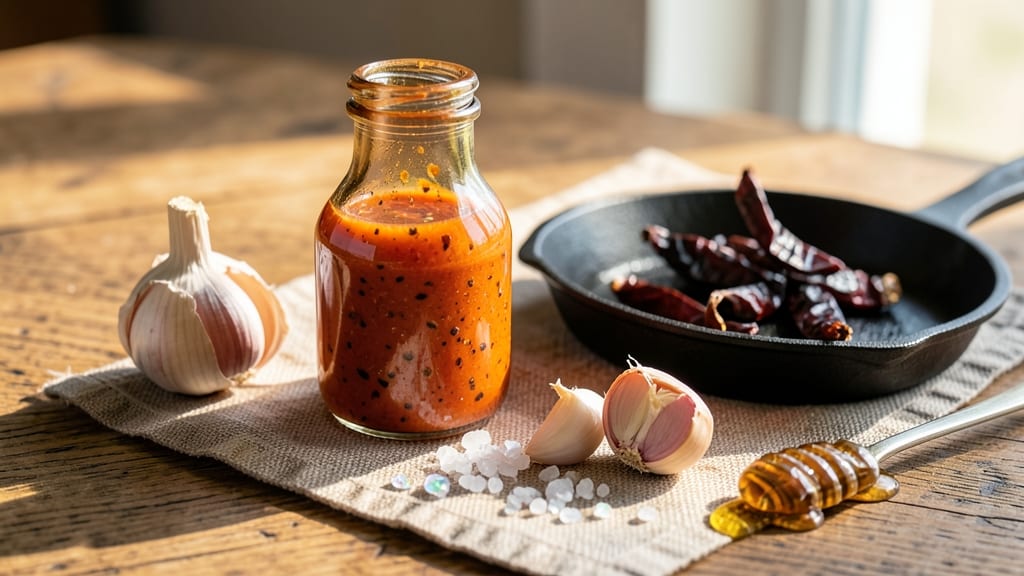
This Aleppo pepper hot sauce recipe delivers a smoky, fiery kick that transforms ordinary dishes into bold, restaurant-quality meals in just 10 minutes.
The secret lies in balancing Aleppo's signature fruity heat with tangy vinegar and rich olive oil, creating a sauce that's versatile enough for everything from tacos to marinades.
I developed this recipe after years of experimenting with Middle Eastern spices, and it's now a staple in my kitchen—bright, complex, and addictively spicy without overpowering other flavors.
The process couldn't be simpler: blend Aleppo peppers with garlic, vinegar, and olive oil until smooth, then strain for a silky texture.
What makes this sauce special is its depth—Aleppo peppers contribute a unique combination of smoky, fruity, and medium heat (around 2,500-3,500 SHU), while the vinegar adds brightness that cuts through richness. The result is a sauce that's tangy, aromatic, and perfectly balanced for drizzling or dipping.
By the time you're done, you'll have a versatile hot sauce that adds character to everything from grilled meats to roasted vegetables. The smoky notes complement charred foods beautifully, while the fruity undertones make it ideal for seafood or fresh salads.
Unlike store-bought sauces, this version stays fresh for weeks in the refrigerator, with flavors actually improving as they meld.
Perfect for spice lovers who want complexity without overwhelming heat, this sauce becomes even better after 24 hours as the flavors develop. Store it in a clean glass jar in the fridge, and you'll have a pantry essential that elevates every dish it touches. Let's make this sauce!
Ingredients for aleppo pepper hot sauce
Eight simple ingredients transform into a restaurant-quality hot sauce bursting with smoky, fruity heat.
| Ingredient | Amount | Notes |
|---|---|---|
| Dried Aleppo Peppers 🌶️ | 2 tbsp | Whole or crushed, medium heat |
| Extra-Virgin Olive Oil 🫒 | ½ cup | High-quality, fruity variety |
| White Vinegar 💧 | ¼ cup | White or apple cider vinegar |
| Garlic Cloves 🧄 | 3 cloves | Fresh, peeled and roughly chopped |
| Granulated Sugar 🍚 | 1 tbsp | Balances heat, optional |
| Salt 🧂 | ½ tsp | Fine sea salt preferred |
| Cayenne Pepper 🔥 | ¼ tsp | Adjust for additional heat |
| Fresh Lemon Juice 🍋 | 1 tbsp | Brightens the sauce |
Aleppo peppers are the star here—look for vibrant red, whole peppers at Penzeys Spices or Middle Eastern markets for the best quality. If you can only find crushed, no worries, but whole peppers give you more control over heat. The extra-virgin olive oil should be fruity and peppery; California Olive Ranch or Colavita brands deliver that depth. Fresh garlic is non-negotiable—pre-minced loses flavor fast. For vinegar, Bragg Apple Cider Vinegar adds subtle sweetness that complements the peppers beautifully.
No Aleppo peppers? Substitute a mix of smoked paprika and cayenne (1 tbsp smoked + 1 tsp cayenne for 2 tbsp Aleppo). Skip the sugar if you're avoiding it, but it's what makes this sauce sing—balancing the smoky heat with just enough sweetness. Fresh lemon juice can be swapped for bottled lemon juice in a pinch, but fresh is brighter. The cayenne is optional but recommended for an extra kick; start with half and adjust to taste. For a smoother texture, strain through a fine-mesh sieve—though I love the slight texture it adds.
This sauce keeps beautifully in the fridge for up to 2 months, with flavors deepening over time. Store in a clean glass jar with a tight seal. The first few days are when the flavors meld most dramatically—let it sit 24 hours before tasting. For gifting, divide into small jars; it's perfect for holiday presents. Freeze for up to 6 months if you won't use it all, though it's so good you probably will.
Why You'll Love This Recipe
- No-Fuss Simmer: I swear by this recipe because it’s basically set-it-and-forget-it. Toss the dried Aleppo peppers and garlic into olive oil and vinegar, then let them mellow on the stove for 15 minutes—no chopping, no straining, no fuss. Honestly, the hardest part is waiting for it to cool enough to taste.
- Garlic-Kissed Heat: That balance of fruity vinegar, smoky Aleppo peppers, and just the right amount of sweetness? It’s the kind of sauce you’ll reach for again and again. The garlic cloves infuse without overpowering, and the sugar rounds out the heat so it’s never harsh—just addictive.
- Pantry Staple Power: Between us, this sauce turns up everywhere. Drizzle it on grilled chicken, toss it into pasta, or use it as a marinade for roasted veggies. I even keep a small bottle in my fridge for quick egg scrambles or to wake up hummus. It’s the kind of thing that makes you feel like you’re cooking with a pro, even when you’re not.
- Lasts for Weeks: One batch feeds me for ages—months, even—because a little goes a long way. The vinegar and olive oil preserve it beautifully, and the heat mellows over time, making it even more complex. Plus, it’s dirt cheap to make; I’ve spent less than $5 on ingredients for a jar that’ll outlast any store-bought sauce.
Step-by-step instructions for Aleppo pepper hot sauce
This fiery, aromatic sauce comes together faster than you'd think—just 10 minutes of active work.
Toast the Peppers and Garlic for Depth
Heat the 0.5 cup extra-virgin olive oil in a small saucepan over medium-low heat. Add the 2 tbsp dried Aleppo peppers and 3 cloves roughly chopped garlic, stirring constantly for 2-3 minutes until the peppers darken slightly and release their aroma. You'll smell that distinctive smoky, fruity pepper scent—this is where the sauce's character builds.
Watch carefully—the peppers should just begin to darken but not burn. If they darken too quickly, reduce the heat immediately. Once toasted, remove the pan from heat and let the mixture cool for 5 minutes. This step develops the peppers' natural oils and mellows their heat, creating a balanced sauce rather than an overwhelming burn.
Simmer with Vinegar and Seasonings
Return the pan to medium heat and add the 0.25 cup white vinegar, 1 tbsp granulated sugar, 0.5 tsp salt, and 0.25 tsp cayenne pepper. Stir well to combine, then bring the mixture to a gentle simmer. Let it cook for 3-4 minutes until slightly reduced and the flavors meld together.
The vinegar will help break down the peppers' oils while adding tangy brightness. You'll notice the sauce thicken slightly as it simmers—this is perfect. If you see any foam forming, simply skim it off with a spoon. The sugar helps balance the heat while adding a subtle caramel note that rounds out the pepper's smokiness.
Finish with Lemon and Strain
Remove the pan from heat and stir in the 1 tbsp fresh lemon juice. This brightens the sauce and cuts through any remaining bitterness from the peppers. Let the sauce sit for 2 minutes to fully incorporate the lemon's acidity.
Line a fine-mesh strainer with cheesecloth or a coffee filter and place it over a clean bowl. Pour the sauce through the strainer, pressing gently on the solids with a spoon to extract all the pepper-infused oil. Discard the solids in the strainer. The resulting sauce should be smooth, vibrant, and packed with peppery heat—ready to use immediately or store for later.
Rest and Adjust (Optional)
Let the sauce rest at room temperature for 10-15 minutes before tasting. This allows all the flavors to fully develop and settle. Taste and adjust the seasoning if needed—you might want to add a pinch more salt or a splash of vinegar to balance the flavors to your preference.
The sauce will keep in an airtight container in the refrigerator for up to 2 weeks, though I find it's best used within the first few days when the flavors are freshest. For a smoother texture, you can strain it again after resting. This versatile sauce elevates everything from grilled meats to roasted vegetables—just a few drops can transform a simple dish into something extraordinary.
Pro Tips For Making Aleppo Pepper Hot Sauce
- TOAST THE PEPPERS: Dried Aleppo peppers taste flat if you just toss them in. Heat a dry skillet over medium and toast them for 30–45 seconds per side until fragrant—just until they smell like sunshine and spice, not smoke. Over-toasting burns the delicate fruitiness, so keep an eye on them.
- STRAIN TWICE, STRAIN RIGHT: After simmering, strain through a fine-mesh sieve first to catch big bits, then a cheesecloth for silky smoothness. I learned this the hard way—skipping the cheesecloth leaves gritty texture, even if you think you’ve strained enough.
- SIMMER LOW AND SLOW: Boil the sauce hard for 5 minutes to sterilize, then drop to a bare simmer. High heat after that makes the vinegar taste harsh and the oil separate. Think "gentle bubble," not "rolling boil"—this keeps the flavors balanced.
- SWEETEN THE GARLIC: Crush the garlic cloves before adding them to the oil-vinegar mix, and let them sit for 10 minutes. The sugar in the recipe caramelizes the garlic just enough to add depth without burning. Skip this, and you’ll taste raw garlic even after cooking.
Perfect pairings for this aleppo pepper hot sauce
Drizzle Over Grilled Meats
This sauce is a game-changer for grilled chicken, lamb chops, or steak. I love drizzling it over medium-rare ribeye or grilled lamb chops right off the grill—it enhances the smoky char while adding a bright, fruity contrast.
For extra depth, marinate your meat in 2 tbsp of the sauce for 30 minutes before grilling. The Aleppo peppers' natural oils caramelize beautifully on the grill, creating a crust that locks in flavor. 🔥
Brighten Up Tacos
Toss 1 tbsp of the sauce into your taco bowl or drizzle it over crispy carnitas or grilled shrimp tacos. The tangy vinegar and smoky peppers cut through the richness of fried meats, while the fruity notes complement citrusy salsas.
I also like adding a pinch of smoked paprika to the sauce when using it on tacos for an extra layer of warmth. For a creamy twist, mix 1 tbsp of the sauce into ¼ cup sour cream for a spicy, smoky topping.
Elevate Pasta Dishes
Stir 1-2 tbsp of the sauce into your favorite pasta sauce or toss it with linguine or spaghetti at the end of cooking. It pairs beautifully with creamy alfredo sauce or tangy agrodolce (sweet and sour) sauces.
For a quick weeknight meal, mix 2 tbsp of the sauce with ¼ cup olive oil, 2 minced garlic cloves, and 1 tbsp lemon juice to create an instant garlicky pepper oil for tossing with pasta. 🍝
Seafood Sensation
The bright acidity and smoky heat make this sauce perfect for seafood. Drizzle it over grilled salmon or seared scallops to add a bold finish. I also love mixing 1 tbsp of the sauce with 2 tbsp mayonnaise and a squeeze of lemon for a spicy, smoky seafood dip.
The sauce’s fruity notes complement the natural sweetness of shrimp and crab, while the heat stands up to rich fish like tuna or swordfish.
Dip for Crudités
Serve this sauce as a bold dip for raw vegetables like bell peppers, cucumbers, or endive. The tangy, spicy flavor cuts through the crispness of the veggies, making it a perfect appetizer.
For extra crunch, pair it with toasted pita chips or pretzel crisps. The sauce’s balance of heat and sweetness makes it addictive—guests will keep reaching for more. ✨
Cocktail and Beverage Boost
Add a ½ tsp of the sauce to cocktails like gin and tonics or margaritas for a smoky, spicy kick. It also enhances beer-based dishes like IPA-braised short ribs or stout-glazed mushrooms.
For a non-alcoholic twist, mix 1 tbsp of the sauce with ½ cup sparkling water and a squeeze of lime for a refreshing, spicy drink. The sauce’s complexity elevates any beverage it touches.
Nutrition facts
Frequently asked questions
Can I make this hot sauce without fresh garlic?
Yes! Use 1 tsp garlic powder or ½ tsp granulated garlic instead of fresh. For best results, toast the garlic powder briefly in a dry pan for 30 seconds to enhance its flavor before mixing with the other ingredients. The sauce will still have great depth, though fresh garlic adds a more complex aroma.
How do I adjust the heat level?
Start with the 2 tbsp Aleppo peppers as written for medium heat. For milder sauce, reduce to 1 tbsp peppers + ¼ tsp cayenne. For extra heat, add ½ tsp more cayenne or increase Aleppo to 3 tbsp. Remember, Aleppo peppers are fruity and less intense than cayenne, so you can always add more later.
Can I use this sauce immediately or should I wait?
While you can use it right away, the flavors develop beautifully when rested. Let it sit at room temperature for 24 hours before first use. This allows the peppers' oils to fully infuse and the vinegar's tang to mellow slightly. After resting, it'll have a more complex, balanced flavor that's worth the wait!
What's the best way to store leftover sauce?
Transfer to a clean glass jar with a tight seal and refrigerate. It keeps for 2-3 weeks in the fridge, with flavors actually improving over time. For longer storage, freeze in 1-tbsp portions in ice cube trays—perfect for adding heat to dishes without thawing the whole jar. Always let it come to room temperature before using.
Why does my sauce look cloudy?
Cloudiness usually means unstrained pepper particles remain. For a smoother texture, strain again through a fine-mesh sieve lined with cheesecloth. If you prefer some texture, that's fine too—the pepper bits add visual interest and extra flavor! For a completely clear sauce, let it sit for 10 minutes after straining before bottling.