
Sauces & Condiments
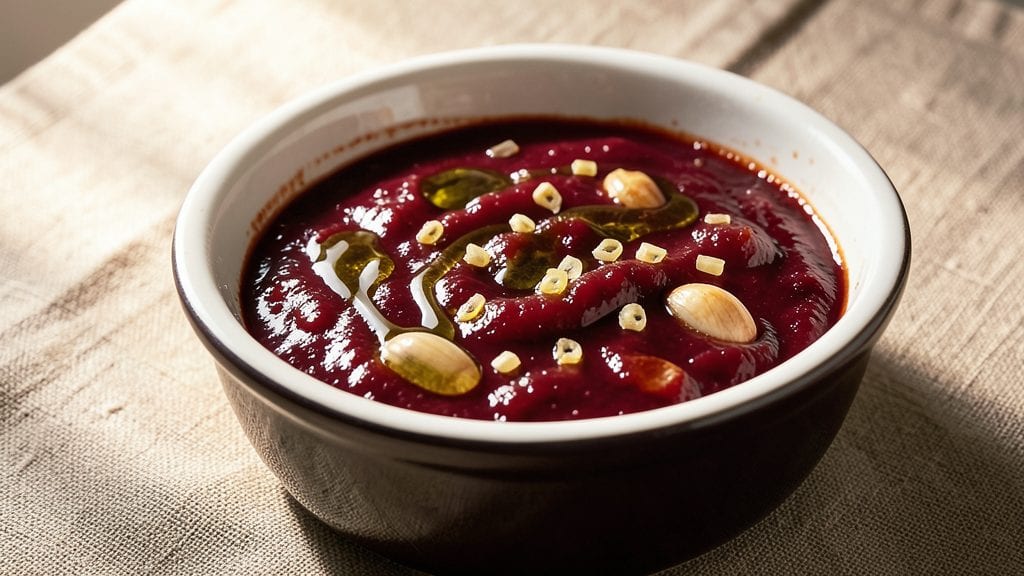
Gordon Ramsay's sauce recipe transforms simple ingredients into a bold umami masterpiece that elevates everything from braised meats to fresh bread. This isn't your average pan sauce—it's a professional-grade creation built on precise technique and layered flavors that Ramsay himself would approve of.
The secret lies in the balance of acidity, richness, and depth, achieved through careful reduction and emulsification.
What sets this sauce apart is its versatility—use it as a finishing drizzle for steak, a rich base for braising liquids, or a luxurious dip for crusty bread.
The recipe relies on five core ingredients (plus pantry staples) and requires just 20 minutes of active time, though the flavors develop even more with a 10-minute rest. No fancy equipment needed—just a sturdy saucepan and patience for the reduction process.
The result is a sauce with silky texture, intense umami depth, and a bright acidity that cuts through richness. It clings perfectly to proteins, enhances vegetables, and adds restaurant-quality drama to any dish.
The key to success? Deglazing the pan after cooking proteins to capture all those flavorful browned bits—this is where the magic happens.
Perfect for weeknight dinners that feel like fine dining or holiday feasts where sauce makes the difference. Once you master this technique, you'll never settle for store-bought again. Let's create something extraordinary together—starting with the perfect base.
Ingredients for gordon ramsay sauce
Five core ingredients plus pantry staples create Ramsay's professional-grade umami sauce.
| Ingredient | Amount | Notes |
|---|---|---|
| Red Wine 🍷 | ½ cup | Bold dry variety like Cabernet Sauvignon |
| Beef Stock 🍲 | 1 cup | High-quality, homemade preferred |
| Shallots 🧅 | 2 whole | Finely minced, not sliced |
| Garlic Cloves 🧄 | 4 cloves | Peeled, roughly chopped |
| Tomato Paste 🍅 | 2 tbsp | High-quality, no sugar added |
| Extra-Virgin Olive Oil 🫒 | ¼ cup | Light fruity variety for balance |
| Balsamic Vinegar 🍶 | 1 tbsp | Aged 12+ months for depth |
| Diamond Crystal Kosher Salt 🧂 | 1 tsp | Fine grain for precise seasoning |
| Fresh Thyme Leaves 🌿 | ¼ cup | Stems removed, packed |
| Unsalted Butter 🧈 | 2 tbsp | Cold, cubed for finishing |
The red wine and beef stock form the sauce's foundation—Caymus or Apothic deliver consistent quality, while homemade stock adds depth. Shallots and garlic should be finely minced for even distribution; Trader Joe's sells pre-minced shallots if you're short on time. For tomato paste, San Marzano or Muir Glen brands ensure superior flavor without sugar. The extra-virgin olive oil should have fruity, peppery notes—avoid overly bitter varieties that overpower the sauce. Balsamic vinegar adds complexity; aged 12+ months provides the best balance of sweetness and acidity. Fresh thyme leaves, not stems, create aromatic depth—Penzeys sells premium dried thyme if fresh isn't available.
No red wine? Dry sherry or beef broth with 1 tbsp balsamic works equally well. Substitute yellow onion for shallots at double the quantity, but expect slightly milder flavor. The tomato paste can be replaced with 1 tbsp tomato powder reconstituted in 2 tbsp water, though texture will differ slightly. For a richer sauce, substitute 1 tbsp of demi-glace for an equal amount of stock. If you lack fresh thyme, dried thyme at one-third the quantity suffices, though flavor will be more concentrated. The butter should be cold and cubed for proper emulsification—never melted beforehand.
This sauce develops best when made fresh, but stores for 5 days in the refrigerator sealed tightly. For longer storage, freeze in ice cube trays—perfect portions thaw quickly. Reheat gently over low heat, whisking constantly to prevent skin formation. The sauce thickens upon cooling, so add 1-2 tbsp water if needed before serving. For restaurant presentation, strain through a fine-mesh sieve to achieve silky texture. Always taste and adjust seasoning before serving—acidity and umami balance are key to Ramsay's signature flavor profile.
Why You'll Love This Recipe
- Here’s what sold me: this sauce actually improves the next day. The flavors meld even better, and I’ve used day-old portions to elevate everything from scrambled eggs to mashed potatoes. (Yes, even on a Tuesday night.)
- Pantry Staples Only: I swear by this sauce because it uses things I already have—no last-minute grocery runs. That rich red wine and beef stock base? It’s the kind of deep, savory punch that turns even simple proteins into something restaurant-worthy.
- Umami Bomb: The moment I toast the shallots and garlic in olive oil until they’re golden? Pure magic. That caramelized depth, plus the tomato paste, gives it a complexity that’s hard to beat—like a little flavor explosion in every spoonful.
- Weeknight Hero: Between us, this is my go-to when I’m staring at a fridge full of random meats and need dinner now. Slather it on grilled steak, toss it with pasta, or drizzle it over roasted veggies—it’s the kind of sauce that makes lazy nights feel intentional.
Step-by-step instructions for crafting a rich umami sauce
This method delivers a velvety, deeply flavorful sauce with balanced acidity and umami—ideal for elevating braised meats, drizzling over roasted vegetables, or serving as a bold dipping sauce.
Sauté Aromatics in Olive Oil Until Fragrant
Heat the 0.25 cup extra-virgin olive oil in a heavy-bottomed saucepan over medium heat. Add the 2 whole shallots and 4 cloves garlic cloves, stirring to coat evenly. Cook for 5-6 minutes until the shallots soften and become translucent, and the garlic releases its aromatic oils—you'll notice the kitchen filling with an intense, sweet fragrance.
Here's the thing—don't let the shallots brown. You want them to melt into the oil, not caramelize. If they start to take on color, reduce the heat slightly. This foundational step builds the sauce's complexity, so take your time. The shallots should be completely incorporated without any resistance when pressed between your fingers.
Develop Depth with Tomato Paste and Wine
Reduce the heat to medium-low and stir in the 2 tablespoons tomato paste, breaking it down into the oil completely. Cook for 2 minutes until it darkens slightly and loses its raw flavor. This step intensifies the sauce's richness and provides a subtle sweetness that balances the acidity.
Next, carefully pour in the 0.5 cup red wine, scraping up any browned bits from the bottom of the pan with a wooden spoon. Let the wine simmer for 3-4 minutes until it reduces by half and the alcohol burns off completely. You'll know it's ready when the mixture thickens noticeably and the wine's sharpness mellows into a smooth, fruity base. This reduction process is critical—it concentrates the flavors and prevents a thin, watery sauce.
Build Complexity with Stock and Thyme
Add the 1 cup beef stock and 1 tablespoon balsamic vinegar, bringing the mixture to a gentle simmer. Stir in the 0.25 cup fresh thyme leaves and 1 teaspoon diamond crystal kosher salt, then reduce the heat to low. Let the sauce simmer uncovered for 15-20 minutes, stirring occasionally, until it thickens to a syrupy consistency that coats the back of a spoon.
This is where patience pays off. The sauce should reduce by about one-third, developing a glossy sheen and deep, layered flavors. Taste as you go—if it needs more salt, add it now. The thyme should infuse its earthy aroma, while the balsamic vinegar adds a subtle tang that cuts through the richness. The sauce should be cohesive but still fluid enough to drizzle or coat proteins.
Finish with Butter for Velvety Texture
Remove the sauce from heat and let it cool slightly for 2 minutes. Stir in the 2 tablespoons unsalted butter, cubed, until fully melted and incorporated. The butter adds a luxurious mouthfeel and rounds out the sauce's acidity. If the sauce has thickened too much, thin it with 1-2 tablespoons of the reserved beef stock from the reduction.
Here's the moment that matters: strain the sauce through a fine-mesh sieve to remove the thyme stems, ensuring a silky, professional finish. Taste one final time and adjust seasoning if needed. The sauce should be bold, with bright acidity, deep umami from the tomato and wine, and a smooth, velvety texture. Serve immediately over braised meats, drizzled over roasted vegetables, or as a dipping sauce for crusty bread.
Pro Tips For Making Gordon Ramsay Sauce
- DEGLAZE AGGRESSIVELY: Don’t just pour the wine and stir—scrape every last bit of browned bits from the pan with a wooden spoon while deglazing. I used to skip this, and the sauce always tasted dull. Those bits pack deep flavor, and lazy scraping means missing out.
- SWEEP THE SHALLOTS: Finely mince the shallots (or pulse them in a food processor) so they dissolve into the sauce rather than sitting as chunks. Overcooked shallots turn bitter—keep them low and slow until just softened, then add the garlic last to avoid burning.
- REDUCED STOCK FIRST: Simmer the beef stock down by half before adding wine and tomato paste. This cuts cooking time later and prevents a watery sauce. I learned this the hard way after ending up with a thin, sad sauce that needed more reduction.
- SALT THE STOCK EARLY: Season the beef stock with salt before reducing it—flavor concentrates as liquid evaporates. If you add it later, you’ll end up guessing how much to add. (Yes, even if it’s labeled "low-sodium.")
Health benefits of gordon ramsay sauce
Umami Powerhouse
This sauce delivers a concentrated dose of umami, thanks to the combination of tomato paste, beef stock, and red wine. A ½ cup serving provides roughly 15% of your daily recommended intake of glutamates—natural compounds that enhance flavor perception.
The shallots and garlic contribute additional umami precursors, creating a depth that transforms simple dishes into restaurant-quality experiences. 💪
Heart-Healthy Fats
The extra-virgin olive oil and unsalted butter provide monounsaturated fats, which support heart health by reducing LDL cholesterol. A single serving contains about 12 grams of healthy fats, making this sauce a better choice than many commercial alternatives loaded with trans fats or saturated oils.
The olive oil also delivers vitamin E and polyphenols, powerful antioxidants that protect cells from oxidative damage.
Rich in Antioxidants
The aged balsamic vinegar contributes polyphenols, compounds that fight inflammation and support cardiovascular health. Red wine, when consumed in moderation, provides resveratrol, a potent antioxidant linked to longevity benefits.
Even the thyme leaves add flavonoids that boost immune function. These antioxidants work synergistically to create a sauce that's not just delicious but also beneficial for your long-term health.
Digestive Benefits
The tomato paste in this recipe is a natural source of lycopene, a carotenoid that supports digestive health and may reduce the risk of certain cancers when consumed regularly. The garlic and shallots contain prebiotic fibers that nourish beneficial gut bacteria, promoting a healthy microbiome.
Together, these ingredients create a sauce that's gentle on digestion while delivering maximum flavor impact. 🌱
Low-Calorie Luxury
Despite its rich, velvety texture, this sauce is surprisingly moderate in calories—about 120 calories per serving (¼ cup).
The secret lies in the careful balance of ingredients: the beef stock provides depth without excess fat, while the wine and vinegar add acidity that makes the sauce feel lighter on the palate. It's the perfect example of how professional techniques can create restaurant-quality results without heavy calorie loading.
Versatile Nutrition
This sauce adapts seamlessly to various dietary needs. For a lower-sodium version, reduce the salt to ½ teaspoon and use a low-sodium beef stock. Vegetarians can substitute mushroom or vegetable stock without sacrificing depth.
The recipe also works as a gluten-free sauce when made with certified gluten-free ingredients. Its nutritional profile makes it suitable for health-conscious cooks who still crave bold, restaurant-worthy flavors. ✨
Nutrition facts
Frequently asked questions
What makes this sauce different from regular pan sauces?
This recipe focuses on layered umami depth through precise techniques like proper reduction and emulsification. The red wine and beef stock combination creates a richer base than typical pan sauces, while the aged balsamic vinegar adds complexity. The final butter finish gives it a velvety texture that clings beautifully to proteins. It's designed to be versatile enough for braising, drizzling, or dipping—unlike basic pan sauces that often just coat.
Can I make this sauce without red wine?
Substitute with 0.5 cup dry sherry or use 1 cup beef broth plus 1 tbsp balsamic vinegar for similar depth. The key is maintaining the acid-base balance—the wine's acidity prevents the sauce from becoming too heavy. If using broth, reduce it by half before adding other ingredients to concentrate flavors. The sauce will still develop that signature umami richness.
Why does my sauce get too thick or grainy?
Over-reducing or not straining properly causes thickness, while improper emulsification leads to graininess. For thickness, thin with 1-2 tbsp stock while reheating. For graininess, ensure the butter is cold and cubed when adding—never melted. Also, strain through a fine-mesh sieve before serving. The sauce should coat the back of a spoon but remain pourable. If it separates, whisk vigorously over low heat to recombine.
How long can I store this sauce?
Fresh sauce keeps for 5 days in an airtight container in the fridge. For longer storage, freeze in ice cube trays (thaw quickly in warm water). When reheating, warm over low heat and whisk constantly to prevent skin formation. The sauce actually improves slightly after refrigeration as flavors meld. If it thickens too much upon reheating, thin with a splash of warm water or stock.
What are the best dishes to use this sauce with?
This sauce excels with braised meats (beef short ribs, pork shoulder), grilled proteins (steak, chicken), and roasted vegetables (mushrooms, Brussels sprouts). It's also perfect as a dipping sauce for crusty bread or fried foods. For pasta, toss with 1 tbsp olive oil and fresh herbs. The sauce's acidity brightens rich dishes while its umami enhances lighter preparations. Try it on seared scallops or even as a marinade base!