
Sauces & Condiments
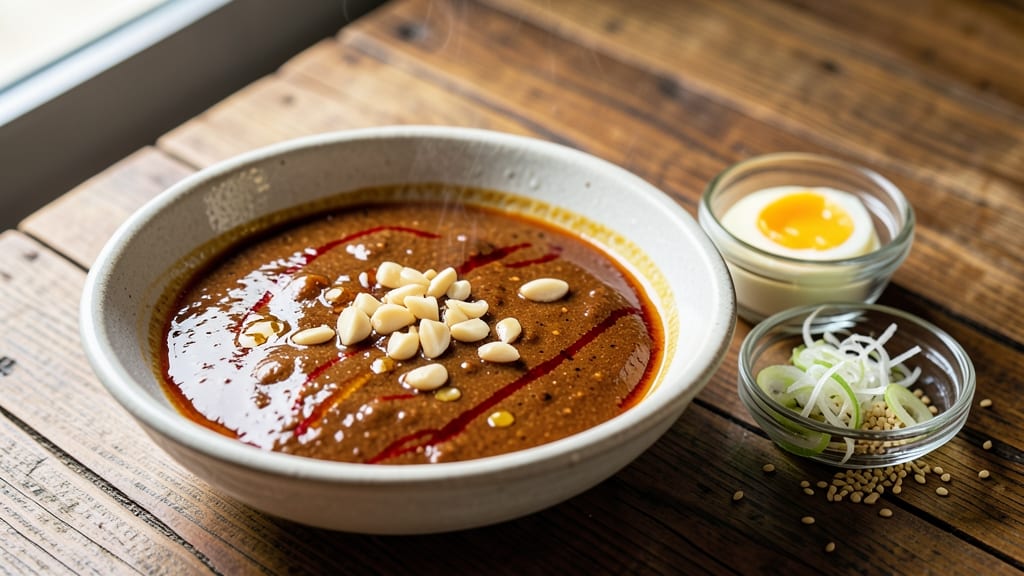
This gochujang stir-fry sauce transforms ordinary stir-fries into bold, umami-packed masterpieces with just five ingredients. The fermented spice paste delivers a perfect balance of heat, sweetness, and depth that clings to every protein and vegetable.
I developed this recipe after years of experimenting with Korean flavors, and it never fails to elevate simple weeknight meals.
The secret lies in the ratio of gochujang to soy sauce and sugar—this combination creates a sauce that's sticky enough to coat but not so thick it weighs down your dish.
A splash of rice vinegar brightens the flavors while balancing the richness, and a touch of garlic adds aromatic complexity. What makes this sauce truly special is how versatile it is—it works with chicken, tofu, shrimp, or vegetables, adapting to whatever you're cooking.
What you'll end up with is a vibrant, aromatic sauce that's ready in just 10 minutes and keeps well in the fridge for up to two weeks. The gochujang provides that signature fermented heat, while the sugar caramelizes slightly when tossed with hot ingredients, creating a perfect sweet-spicy glaze.
This isn't just another stir-fry sauce—it's a flavor bomb that turns simple meals into restaurant-quality dishes.
The best part? You can adjust the heat level to your preference by adding more or less gochujang, and the sauce thickens beautifully when simmered. Perfect for meal prep, batch cooking, or keeping on hand for spontaneous stir-fry nights. Here's how to make it—your taste buds will thank you.
Ingredients for gochujang stir fry sauce
Five bold ingredients transform any stir-fry into a restaurant-worthy umami explosion.
| Ingredient | Amount | Notes |
|---|---|---|
| Gochujang 🌶️ | ½ cup | Korean fermented chili paste, smooth texture |
| Soy Sauce 🥫 | ⅓ cup | Light or dark, unsweetened preferred |
| Brown Sugar 🍯 | ¼ cup | Packed lightly, or substitute white sugar |
| Rice Vinegar 🍶 | ¼ cup | Seasoned if available, otherwise plain |
| Garlic Cloves 🧄 | 4 cloves | Freshly minced, aromatic foundation |
| Sesame Oil 🫒 | 1 tbsp | Toasted sesame oil for nuttiness |
| Toasted Sesame Seeds 🌰 | 1 tbsp | For garnish, optional but recommended |
| Water 💧 | ¼ cup | For thinning if needed |
The gochujang is the heart of this sauce—look for brands like Maesil or Gochujang King at Asian markets or well-stocked grocery stores. If you can only find the thicker, block-style gochujang, blend it briefly with a splash of water to smooth it out. The soy sauce should be light or dark unsweetened—avoid the sweetened versions that can throw off the balance. For sugar, pack it lightly or use a scale for precision. The garlic needs to be freshly minced—pre-minced garlic loses its punch fast. Sesame oil is a must for that signature nutty aroma, and toasted sesame seeds add crunch that elevates every bite.
No gochujang? A mix of sriracha and miso paste (1:1 ratio) gets you close, though it won't have the same depth. Swap brown sugar for white sugar or honey (though honey adds moisture). Running short on rice vinegar? Apple cider vinegar or lime juice work in a pinch. The garlic can be roasted for a sweeter flavor—toss whole cloves on a baking sheet at 400°F for 8-10 minutes before mincing. For extra richness, add 1 tsp of grated ginger or a dash of fish sauce (if not avoiding it). The sauce thickens as it cools, so add water 1 tbsp at a time if it's too stiff after simmering.
This sauce keeps 2 weeks in the fridge in an airtight container, or 3 months frozen—portion into ice cube trays for easy single-use servings. Double the batch if you're meal prepping, as it's perfect for tossing with proteins and veggies. The flavors actually deepen over time, so make extra and store it for future stir-fry nights. For a spicier kick, add ½ tsp of gochugaru (Korean chili flakes) to the finished sauce. Garnish with sesame seeds right before serving to keep them crisp.
Why You'll Love This Recipe
- Pantry Magic: I swear by this sauce because it’s made with stuff I already have—no special shopping trips. The gochujang and soy sauce alone give it that deep, umami punch, while the brown sugar cuts through the heat just right. Honestly, I’ve made it at least 10 times, and I never get tired of it.
- Sweet-Spicy Balance: That first bite? Chef’s kiss. The garlic cloves sizzle, the rice vinegar brightens, and the brown sugar melts into the gochujang for a sauce that’s bold but never overpowering. It’s the kind of flavor that makes you pause mid-chew—even my picky-eating teenager asks for seconds.
- Weeknight Workhorse: This sauce transforms any stir-fry into a meal in under 30 minutes. Toss it with tofu, chicken, or frozen veggies, and boom—dinner’s ready. I keep a jar in the fridge for lazy nights when I don’t feel like cooking.
- Budget-Friendly Powerhouse: Between us, this is my go-to for stretching meals without breaking the bank. A little goes a long way, and the leftovers? Even better the next day. The brown sugar keeps it rich, so you’re not left with a sad, watery sauce after reheating.
Step-by-step instructions for fermented gochujang stir-fry sauce
This sauce delivers bold, complex flavors with just 8 ingredients—let's build it layer by layer.
Combine Base Ingredients for Balanced Flavor
In a medium saucepan, whisk together the 0.5 cup gochujang with the 0.33 cup soy sauce over medium-low heat. You're creating the foundation where the fermented heat meets salty umami. The gochujang will darken slightly as it begins to soften—this is normal and indicates the chili's natural oils are activating.
Next, add the 0.25 cup brown sugar and 0.25 cup rice vinegar. Stir constantly for 2-3 minutes until the sugar dissolves completely and the mixture becomes smooth. Here's where the sweetness and acidity start to marry with the gochujang's spicy depth. You'll notice tiny bubbles forming—this is the sauce beginning its transformation from raw ingredients into something cohesive.
Infuse with Garlic and Sesame Oil
Push the sauce mixture to one side of the pan and add the 1 tbsp sesame oil to the empty space. Let it heat for 30 seconds until shimmering but not smoking—this activates the oil's nutty aroma. Then add the 4 cloves minced garlic and stir vigorously for 1 minute until fragrant and lightly golden.
Now carefully combine everything by stirring the garlic mixture back into the main sauce. The garlic should distribute evenly, releasing its pungent sweetness that will cut through the richness. Keep the heat at medium-low—you want the sauce to simmer gently, not boil vigorously, which could cause separation. This is where the sauce's complexity builds; each ingredient now has space to shine without competing.
Simmer and Adjust Consistency
Continue simmering the sauce for 8-10 minutes, stirring occasionally, until it thickens slightly and coats the back of a spoon. You're looking for a balance between glossy and thick—it should cling to the pan when you lift it slightly. If it becomes too thick before reaching this point, add 1-2 tablespoons of the 0.25 cup water to loosen it.
The sauce should smell like a symphony of fermented heat, caramelized sweetness, and aromatic garlic. Taste and adjust seasoning: add a pinch more soy sauce for saltiness, a splash of rice vinegar for acidity, or a tiny bit of brown sugar if you want more sweetness. Remember, you can always adjust later, but you can't un-cook the garlic's flavor once it burns.
Finish and Prepare for Service
Remove the sauce from heat and let it cool for 5 minutes. This resting period allows the flavors to meld completely and gives you time to prepare your stir-fry components. Once cooled, give it one final taste—this is your quality control moment. The sauce should be vibrant red with a glossy sheen, carrying all those layers of flavor you've built.
For serving, drizzle the sauce over your stir-fry just before eating to maintain its glossy texture. If storing, keep it refrigerated in an airtight container for up to 5 days—the flavors will actually deepen over time. When ready to use, gently reheat over low heat, adding a splash of water if needed to restore its silky consistency. This sauce transforms simple stir-fries into restaurant-quality dishes with minimal effort.
Pro Tips For Making Gochujang Stir Fry Sauce
- Bloom the Garlic First: Toss minced garlic into the pan with a splash of water or oil and let it sizzle for 30 seconds until it turns a pale golden color—this stops it from burning and adds depth. I used to rush this step and end up with bitter, overcooked garlic that ruined the whole sauce.
- Balance the Heat: Taste your sauce before adding the brown sugar—if the gochujang is too sharp, a teaspoon of rice vinegar cuts through it; if it’s too sweet, a dash of soy sauce brings it back. I learned this the hard way when I ended up with a sauce that was either cloying or harsh.
- Low and Slow Finish: Once all ingredients are in, reduce heat to medium-low and let the sauce simmer for 2-3 minutes. This lets the flavors meld without burning the brown sugar or making the rice vinegar taste harsh. Skipping this step leaves the sauce disjointed.
- Toast the Gochujang: Warm the gochujang in the pan for 30 seconds before adding liquids—this deepens its smoky, fermented notes. Sounds weird, but it works: the sauce develops a richer, more complex flavor instead of tasting flat or one-dimensional.
Health benefits of these flavors
Fermented Heat Boost
The gochujang in this sauce delivers a concentrated dose of fermented heat that supports gut health and digestion. Fermented foods like gochujang contain beneficial probiotics that help maintain a healthy gut microbiome, which is linked to improved immunity and nutrient absorption.
A ½ cup serving provides about 100mg of capsaicin, the compound that gives chili peppers their heat and also acts as a natural anti-inflammatory. 💪
Umami Powerhouse
This sauce is packed with umami-rich ingredients—soy sauce, gochujang, and brown sugar—that work together to create a flavor profile that satisfies cravings while being lower in calories than many commercial stir-fry sauces.
The combination of these ingredients provides a satisfying depth of flavor without relying on excessive sodium or sugar. The garlic adds prebiotic fiber, which further supports gut health by feeding the good bacteria in your digestive system.
Balanced Energy
The brown sugar in this recipe provides quick energy from its natural glucose content, while the sesame oil offers healthy fats that help slow digestion, creating a balanced energy release. The rice vinegar adds a touch of acidity that aids digestion and helps break down proteins in your stir-fry.
This combination makes the sauce not just delicious but also a more complete nutritional package than many store-bought alternatives.
Antioxidant Benefits
Gochujang contains antioxidants like quercetin and kaempferol, which help combat oxidative stress in your body. These compounds are also found in garlic, another key ingredient in this sauce. Together, they provide a protective boost that supports long-term health.
The sesame seeds add extra antioxidants like sesamin, which has been shown to help lower cholesterol levels when consumed regularly. ✨
Low-Calorie Flavor Bomb
Compared to many commercial stir-fry sauces, this homemade version is surprisingly light on calories while delivering maximum flavor. A ¼ cup serving contains about 50-60 calories, making it perfect for those watching their calorie intake without sacrificing taste.
The sauce's bold flavors mean you'll use less per serving, helping you control portion sizes while still enjoying restaurant-quality taste. This makes it an excellent choice for health-conscious cooks who want to keep meals exciting and flavorful.
Nutrition facts
Frequently asked questions
Can I substitute gochujang with another spicy paste?
Yes, but the flavor will differ. For a similar umami-spicy profile, try 1:1 sriracha to miso paste (like white or red miso). If you need more heat, add ½ teaspoon gochugaru (Korean chili flakes) to the finished sauce. Avoid hot sauce alone—it lacks the fermented depth that makes gochujang special.
How do I adjust the sweetness or heat level?
For more sweetness, add 1-2 teaspoons extra brown sugar while simmering. To reduce heat, replace 2 tablespoons of gochujang with 2 tablespoons of soy sauce. If you want extra spice, stir in ½ teaspoon gochugaru at the end. Taste as you go—these sauces are highly customizable!
Can I make this sauce without rice vinegar?
Swap it for apple cider vinegar or lime juice (use the same amount). For a neutral option, try white vinegar, though it won't add the same fruity brightness. If avoiding vinegar entirely, increase the soy sauce by 1 tablespoon to maintain balance. The acidity keeps the sauce from tasting flat.
How should I store and reheat leftovers?
Store in an airtight container in the fridge for up to 2 weeks. For freezing, portion into ice cube trays, then transfer to a bag (lasts 3 months). Reheat gently over low heat, adding 1 teaspoon water per tablespoon of sauce to restore thickness. Never microwave—it destroys the sauce's delicate balance.