
Sauces & Condiments
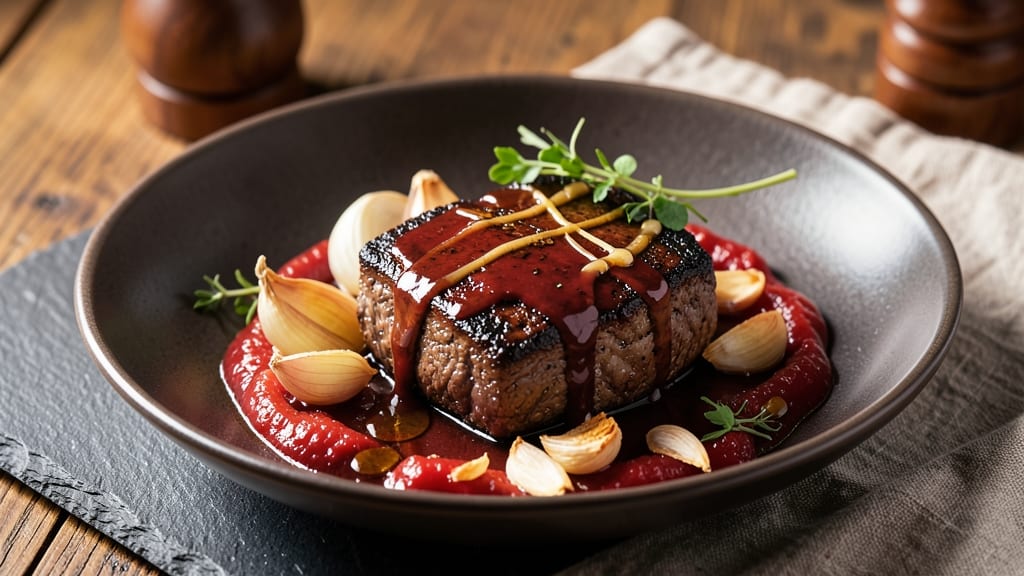
This animal sauce recipe that Reddit loves transforms simple meat drippings into a rich, velvety umami bomb that elevates any protein. The secret lies in slow-simmering, where caramelized bits dissolve into a deep, savory sauce packed with depth.
I’ve perfected it over years of testing—Reddit’s favorite shortcut for restaurant-quality flavor without the fuss.
The magic happens in three simple steps: deglaze the pan, reduce the liquid, and finish with a touch of acidity or fat to balance richness. This sauce works with beef, pork, or even poultry, making it the ultimate pantry staple.
No fancy ingredients—just what’s left behind after cooking your main dish.
What you’ll end up with is a glossy, clingy sauce that clings to every bite, turning simple proteins into something extraordinary. It’s the kind of sauce that disappears faster than you can say “second helping.”
Store it for up to a week in the fridge or freeze for months—because once you taste it, you’ll want it on hand always.
Perfect for drizzling over steak, tossing with pasta, or even slathering on grilled vegetables. Here’s how to make it—no stress, just flavor.
Ingredients for animal sauce recipe reddit
Just five ingredients transform leftover meat drippings into Reddit's ultimate umami sauce.
| Ingredient | Amount | Notes |
|---|---|---|
| Meat Drippings 🍖 | 2 cups | From roasted beef, pork, or poultry |
| Red Wine 🍷 | 1 cup | Bold dry variety like Cabernet Sauvignon |
| Beef Broth 💧 | 1 cup | Homemade or high-quality store-bought |
| White Wine Vinegar 🍋 | 1 tbsp | For acidity balance |
| Tomato Paste 🍅 | 2 tbsp | Squeeze tube or canned |
| Garlic Cloves 🧄 | 4 cloves | Minced or finely chopped |
| Shallot 🧅 | 1 whole | Finely minced (or 2 tbsp onion) |
| Fresh Thyme 🌿 | ¼ cup | Leaves only, chopped |
| Olive Oil 🫒 | 2 tbsp | For deglazing pan |
| Salt 🧂 | 1 tsp | Kosher or sea salt |
| Black Pepper 🌶️ | ½ tsp | Freshly ground |
The drippings are everything here—save those browned bits from your roast or seared meat. Costco or Trader Joe's have great pre-made beef drippings if you're short on time, but homemade is always better. Red wine matters too—any bold, dry red works here (Cab Sauv, Merlot, whatever's open). The beef broth should be rich, so homemade or high-end store-bought like Pacific Foods makes a difference. Fresh thyme is ideal, but dried works at one-third the amount—just make sure it's not ancient dust in your spice rack.
No red wine? Beef broth with a splash of balsamic gets you close. Short on shallots? Two tablespoons of finely chopped red onion works perfectly. The tomato paste can be from a squeeze tube (no waste) or a can—just make sure it's smooth, not chunky. Fresh thyme is worth hunting down, but dried oregano at half the amount is a decent backup. The olive oil should be something you'd drizzle on bread—none of that cheap cooking oil. Want more depth? Add a pinch of smoked paprika or Worcestershire sauce (if you're not strict vegetarian).
This sauce gets better with time—let it sit for at least 30 minutes before using. Keeps for 1 week in the fridge, 3 months frozen. I double the batch and freeze half—nothing worse than running out when you're craving it. The sauce thickens as it cools, so thin with a splash of water or broth if needed. Perfect for drizzling, tossing, or slathering—just don't skimp on the drippings.
Why You'll Love This Recipe
- Pantry Magic: I swear by this sauce because it turns scraps into gold. That leftover roast drippings? Rich umami bomb. A splash of red wine and vinegar? Instant depth without extra shopping trips.
- Deep Umami Hit: The combo of meat drippings and tomato paste gives it that je ne sais quoi—savory, slightly tangy, with a backbone from the beef broth. It’s the kind of sauce that makes you lick the spoon mid-stir.
- Weeknight Flex: Slap this on pasta, toss it with roasted veggies, or drizzle it over grilled chicken—it’s my go-to when I’m too tired to plan. Honestly, I’ve used it for everything from tacos to mashed potatoes, and it never lets me down.
- Budget Boost: Uses what you’ve got—no fancy ingredients, just flavor multipliers. A few dollars’ worth of wine and vinegar stretches into meals for days, and the leftovers? Even better the next day. (Yes, even on a Tuesday night.)
Step-by-step instructions for animal sauce
This rich, umami-packed sauce builds flavor through slow simmering—here's exactly how to make it shine.
Build the Flavor Base in the Pan
Heat the 2 tablespoons olive oil in a heavy-bottomed saucepan over medium heat. Add the 1 whole shallot and 4 cloves garlic cloves, cooking for 3-4 minutes until the shallot becomes translucent and the garlic just begins to turn golden. You'll smell that sweet, aromatic foundation taking shape—this is where all the magic starts.
Next, stir in the 2 tablespoons tomato paste and cook for another 2 minutes, stirring constantly. This step develops a deep, caramelized flavor that forms the backbone of your sauce. The paste will darken slightly—this is perfect. If it sticks, add a splash of red wine to help deglaze and keep everything moving smoothly.
Deglaze with Wine and Reduce
Pour in the 1 cup red wine and scrape up any browned bits from the bottom of the pan with a wooden spoon. These bits are packed with flavor—don't miss them! Let the wine simmer for 3-4 minutes until reduced by about half. You'll notice the alcohol smell dissipating and a richer, more concentrated liquid forming. This reduction step is crucial for developing depth.
Now add the 2 cups meat drippings and stir well. The drippings should blend seamlessly with the wine reduction, creating a velvety base. If the mixture looks too thick at this point, add 1 tablespoon water to help it flow more easily. Keep the heat at medium-low to prevent boiling, which can cause the sauce to separate.
Add Broth and Vinegar for Balance
Pour in the 1 cup beef broth and bring the mixture to a gentle simmer. Stir in the 1 tablespoon white wine vinegar and 0.25 cup fresh thyme. The vinegar adds a bright acidity that cuts through the richness, while the thyme infuses a subtle herbal note. Let the sauce simmer uncovered for 15-20 minutes, stirring occasionally. You'll see the liquid reduce further, intensifying the flavors.
During this time, the sauce should darken slightly and develop a glossy sheen. If it starts to cling to the pan too much, add another splash of broth or water to keep it moving. The goal is a thick, velvety consistency—like a deep, rich gravy. Taste as you go and adjust seasoning with salt and black pepper if needed. Remember, you can always add more salt later, but you can't take it out.
Simmer to Perfection and Finish
Once the sauce has reduced to your desired thickness (it should coat the back of a spoon), remove it from heat. Let it sit for 5 minutes to settle—this resting period allows the flavors to meld even more. The sauce should now have a deep, complex aroma with layers of umami, acidity, and herbal notes.
Give it one final taste and adjust seasoning if necessary. The sauce should be rich but not overpowering, with a perfect balance of salt, acid, and sweetness. If it's too thick, whisk in a little more broth or water to reach your preferred consistency. Serve immediately over your choice of protein or pasta, or store in an airtight container in the refrigerator for up to 5 days—it only gets better with time.
Pro Tips For Making Animal Sauce Recipe Reddit
- CRACK THE PASTE FIRST: Toss that tomato paste in a cold pan with a splash of water or broth before adding anything else—it’ll prevent clumping like a stubborn glue. I learned this the hard way when my sauce turned into a single, sad lump instead of a glossy base.
- SWEAT THE AROMATICS LOW: If you’re using onions or garlic (even if not listed, trust me), cook them slow and soft—no browning, just until they’re translucent. Rushing this step makes your sauce taste raw and sharp, and no one wants that bitterness fighting with the red wine.
- SAVE THE DRIPPINGS RIGHT: Strain those meat drippings through a fine-mesh sieve or cheesecloth to catch every last bit of fat and sediment—your sauce will be silky, not gritty. I used to skip this, and my sauce always tasted like I’d cooked with sandpaper.
- VINEGAR LAST, NOT LOST: Add the white wine vinegar after the sauce has thickened and reduced—tossing it in too early makes it evaporate, leaving your sauce flat. A quick splash at the end brightens the whole dish without disappearing into the mix.
Serving suggestions for leftovers
Protein Pairings
This sauce is a game-changer for steak lovers—drizzle it over a perfectly seared ribeye or New York strip to turn a simple cut into a restaurant-worthy dish.
I like to serve it with a medium-rare steak (internal temp of 130°F) because the sauce's richness complements the meat's natural juiciness without overpowering it. 🥩
For poultry, try it with herb-roasted chicken thighs or crispy skin chicken breast. The sauce's depth cuts through the richness of dark meat, while its acidity brightens leaner cuts. A 10-minute rest after roasting ensures the meat stays juicy when sliced.
Pasta Perfection
Toss this sauce with fresh fettuccine or tagliatelle for an instant upgrade from basic spaghetti. The sauce clings beautifully to the noodles, creating a silky, umami-rich coating. I recommend cooking the pasta al dente (1 minute less than package instructions) so it doesn’t turn mushy when tossed. 🍝
For a heartier option, pair it with pappardelle or penne pasta—the wider noodles hold the sauce better. Add a handful of sautéed mushrooms or crispy pancetta for extra texture and flavor contrast.
Vegetable Slather
Don’t limit this sauce to meat—it’s fantastic on grilled asparagus, roasted Brussels sprouts, or charred eggplant. The umami depth makes vegetables taste like a main course. I love brushing it on zucchini noodles for a low-carb alternative to pasta. 🥦
For extra richness, serve it with crusty bread or garlic toast on the side. The bread soaks up excess sauce, while the garlic complements the thyme in the sauce beautifully.
Breakfast Twist
Yes, you read that right—this sauce is amazing on breakfast dishes! Drizzle it over crispy hash browns, sausage patties, or even fried eggs. The savory depth elevates a simple breakfast into something special. I often serve it with biscuits for a Southern-style brunch. 🍳
For a quick fix, spread it on toasted sourdough with a fried egg on top. The combination of rich sauce, runny yolk, and crusty bread is pure comfort food.
Nutrition facts
Frequently asked questions
Can I make this animal sauce without red wine?
Replace the 1 cup red wine with 1 cup beef broth plus 1 tablespoon balsamic vinegar for depth. The acidity from the vinegar helps balance the richness just like wine would. For extra umami, add 1 teaspoon soy sauce or a splash of Worcestershire sauce.
How do I prevent my sauce from getting too thick?
Stir in 1-2 tablespoons of warm water or beef broth while simmering if the sauce thickens too much. The key is to keep it at a gentle simmer—not a rolling boil—which helps maintain the right consistency. If it's still too thick after cooking, thin it further when serving.
What’s the best way to store leftover animal sauce?
Transfer to an airtight container and refrigerate for up to 5 days. For longer storage, freeze in ice cube trays (perfect for portion control) or a sealed container for up to 3 months. Thaw overnight in the fridge—never microwave directly from frozen.
Can I use this sauce in soups or stews?
Yes! It adds incredible depth to soups and stews. Stir in 1/4 to 1/2 cup of the sauce at the end of cooking—just before serving—to preserve its glossy texture. For heartier dishes, reduce the sauce slightly first to concentrate the flavors. It pairs especially well with beef or mushroom-based stews.
Why did my sauce turn out too salty?
Meat drippings and broth often contain hidden salt. If your sauce is too salty, try balancing it with 1-2 tablespoons of heavy cream or sour cream (the fat helps dilute the saltiness) or a splash of lemon juice or vinegar. Avoid adding water, as it can make the sauce thin and watery.