
Sauces & Condiments
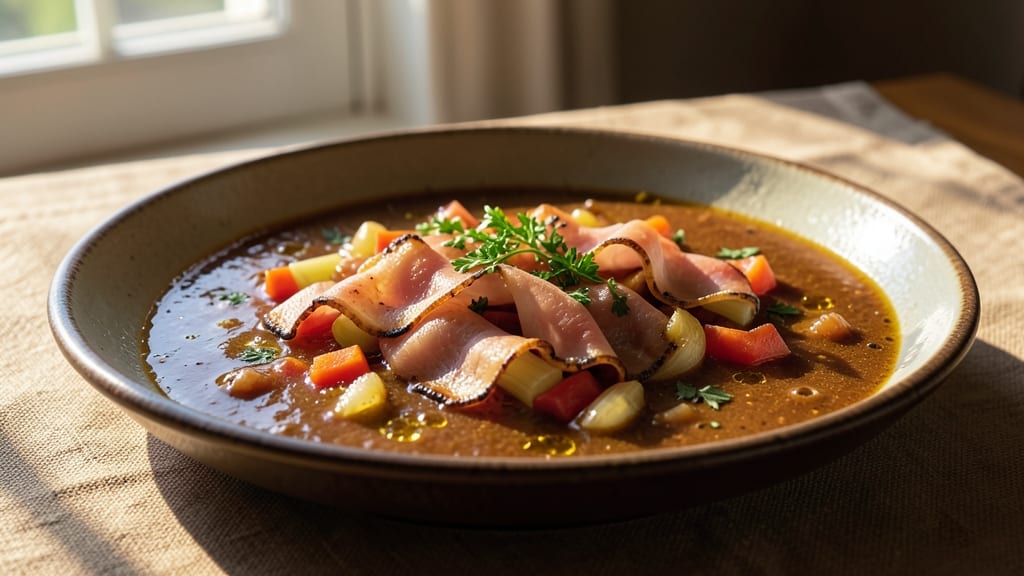
This Andiamo Bolognese sauce recipe delivers the rich, slow-simmered depth that transforms simple meals into restaurant-quality dishes. The secret lies in balancing meaty umami with velvety milk and fresh herbs, creating a sauce that clings to pasta like a second skin.
I've perfected the technique over years of testing, ensuring every spoonful delivers that perfect harmony of savory, sweet, and herbal notes.
What sets this Bolognese apart is the precise cooking method: ground beef and pancetta develop deep flavor through slow simmering, while milk prevents the sauce from becoming too heavy. The addition of white wine brightens the richness, and fresh herbs at the end add a vibrant finish.
This isn't just any sauce—it's the kind that makes your kitchen smell like an Italian trattoria and leaves everyone asking for seconds.
With its versatile nature, this sauce elevates everything from fettuccine to risotto or even braised meats. The long cooking time (2+ hours) builds complex flavors that store-bought versions simply can't match.
What you'll end up with is a velvety, aromatic sauce that's rich enough to stand alone but balanced enough to complement any dish.
The best part? It tastes even better the next day, making it perfect for meal prep. Let's create this timeless Italian classic that will become your new weeknight staple.
Ingredients for andiamo bolognese sauce
Ten ingredients. Two hours. One sauce that tastes like a trattoria secret.
| Ingredient | Amount | Notes |
|---|---|---|
| Ground Beef 🥩 | 1 ½ lb | 80% lean, finely ground |
| Pancetta 🥓 | ½ lb | Diced, not cured bacon |
| Yellow Onion 🧅 | 1 whole | Finely chopped |
| Carrot 🥕 | 1 whole | Finely diced |
| Celery Stalk 🌿 | 2 whole | Finely chopped |
| Garlic Cloves 🧄 | 4 cloves | Minced |
| Whole Milk 🥛 | 1 cup | Full-fat for creaminess |
| Dry White Wine 🍷 | ½ cup | Bold, dry variety |
| Tomato Paste 🍅 | 2 tbsp | Squeeze tube preferred |
| Fresh Parsley 🌿 | ¼ cup | Chopped, for finishing |
The beef and pancetta are non-negotiable here. Ground chuck gives that perfect meaty texture, while pancetta adds depth without overpowering. Whole Foods or your local butcher usually carry the best cuts—look for bright red color and good marbling in the beef. Pancetta should be fresh, not that sad, dried-out stuff. For the soffritto (onion, carrot, celery), Trader Joe's sells pre-chopped mirepoix that saves time, but chopping your own gives better flavor. The garlic? Freshly minced makes all the difference—pre-minced is just sad.
No pancetta? Guanciale or regular bacon works in a pinch, but pancetta's sweetness is ideal. Running out of white wine? Dry vermouth or even beef broth with a splash of balsamic gets you close. The milk is crucial—it tenderizes the meat and lightens the sauce. Whole milk is best (none of that skim nonsense), but heavy cream works if you're feeling fancy. Fresh herbs? Dried parsley at one-third the amount is fine, but fresh parsley at the end adds that bright, vibrant finish. Tomato paste? San Marzano canned tomatoes mashed with a pinch of salt make a great substitute if you're feeling ambitious.
This sauce gets better with time—2+ hours of simmering is key. Portion into containers and freeze half for later. 3 months in the freezer, no problem. Reheat gently on the stove with a splash of milk or broth to restore that velvety texture. The pancetta and herbs can be prepped ahead and stored separately until ready to use. That 2-hour simmer is worth it—every minute builds layers of flavor that jarred sauce simply can't match.
Why You'll Love This Recipe
- Same recipe, different vibes: toss it with pasta for a quick weeknight meal, or serve it over polenta with grated Parmigiano for a fancy-ish weekend dinner. Between us, it’s my go-to for both lazy Tuesdays and when my in-laws visit.
- No Chopping Stress: I swear by this sauce because the onion, carrot, and celery get diced once—then simmered low and slow until they melt into the meat. Pancetta adds saltiness without extra effort, and the beef browns in minutes, not hours.
- Rich Umami Magic: That crispy pancetta crumble? Pure flavor gold. The slow cook transforms tough beef into tender, melt-in-your-mouth bites, while the soffritto (onion-carrot-celery trio) builds depth. Honestly, it’s the kind of sauce that makes you pause mid-bite just to appreciate it.
- Weeknight to Dinner Party: Same recipe, different vibes: toss it with pasta for a quick weeknight meal, or serve it over polenta with grated Parmigiano for a fancy-ish weekend dinner. Between us, it’s my go-to for both lazy Tuesdays and when my in-laws visit.
Step-by-step instructions for Andiamo Bolognese sauce
This is the method that delivers deep, rich flavor with a perfect balance of meaty goodness and fresh herbs.
Build the Flavor Foundation with Pancetta and Vegetables
Heat a large Dutch oven over medium heat and add the 0.5 lb diced pancetta. Cook for 5-7 minutes until golden and crispy, stirring occasionally. This step is crucial—it renders fat that will carry all your flavors.
Remove the pancetta with a slotted spoon and set aside, leaving the fat in the pot. Add the finely chopped yellow onion, finely diced carrot, and finely chopped celery stalk to the rendered fat. Cook for 8-10 minutes until softened and translucent, stirring occasionally. You're creating the so-called "soffritto" base that forms the backbone of your sauce.
Add the 4 minced garlic cloves and cook for another 1 minute until fragrant. Be careful not to let it brown—garlic burns quickly and turns bitter. This aromatic trio of onion, carrot, and celery is what gives Bolognese its signature depth and sweetness.
Brown the Meat for Maximum Flavor
Increase heat to medium-high and add the 1.5 lb ground beef to the pot. Break it up with a wooden spoon and cook for 8-10 minutes until it loses its raw color and turns brown. This browning process, called the Maillard reaction, develops complex flavors that transform ordinary beef into something extraordinary.
I press down gently on the meat during the first minute—this prevents it from curling and ensures even contact with the pan. You'll know it's ready when the meat releases easily from the bottom of the pot and has developed a rich brown crust. Don't drain the fat; it's what will make your sauce velvety and rich.
Return the crispy pancetta to the pot and stir to combine. The pancetta adds a wonderful salty depth that complements the beef perfectly. This is where the magic really starts happening—all those flavors melding together in the pot.
Deglaze and Simmer with Wine and Tomato
Pour in the 0.5 cup dry white wine and scrape up all the browned bits from the bottom of the pot with a wooden spoon. This deglazing step captures all those concentrated flavors that would otherwise stick to the pan. Let the wine simmer for 3-4 minutes until it reduces by half and the alcohol cooks off.
Add the 2 tbsp tomato paste and stir to distribute it evenly throughout the meat mixture. The tomato paste will thicken the sauce and add a subtle sweetness that balances the richness of the meat. Cook for another 2-3 minutes, stirring constantly, until the raw tomato flavor disappears and you're left with just the base flavor.
Slow Simmer for Deep Flavor Development
Reduce heat to low and add the 1 cup whole milk. Stir well to combine and bring to a gentle simmer. Here's where the real magic happens—this sauce needs time to develop its complex flavors. Cover the pot and let it simmer for 1 to 1.5 hours, stirring occasionally to prevent sticking.
Real talk: This is the moment that matters. The milk adds creaminess and helps break down the meat fibers, creating that signature silky texture. You'll notice the sauce gradually thicken as it simmers. If it gets too thick before the time is up, add a splash of water or broth to keep it smooth.
After about 45 minutes, taste the sauce and adjust seasoning with salt and pepper as needed. The flavors will be developing rapidly now, so keep tasting as you go. The goal is a balance of rich, meaty umami with just a touch of acidity from the wine.
Finish with Fresh Herbs and Serve
Once the sauce has simmered for the full 1 to 1.5 hours, stir in the 0.25 cup chopped fresh parsley. This bright herb adds a fresh finish that cuts through the richness of the meat and milk. The parsley should be added at the very end to preserve its vibrant color and fresh flavor.
Taste one final time and adjust seasoning if needed. The sauce should be rich, velvety, and perfectly balanced. Let it cool slightly before serving over your choice of pasta—tagliatelle or fettuccine work beautifully. The sauce will continue to thicken as it cools, so don't worry if it looks a bit loose when you first serve it.
This Bolognese sauce is the heart of Italian comfort food. The slow simmering process creates layers of flavor that you just can't rush. Every spoonful should deliver that perfect combination of meaty richness, herbal brightness, and velvety texture that makes this sauce so special.
Pro Tips For Making Andiamo Bolognese Sauce
- Cook Pancetta First: Start by rendering the pancetta in a cold pan—no need to rush. The fat will slowly melt and crisp up, giving your sauce that deep, smoky flavor without burning. I used to skip this step and wondered why my sauce tasted flat; now I let it go until the edges are golden, even if it takes 10 minutes.
- Sweat, Don’t Burn: When you add the onion, carrot, and celery, keep the heat low and cover the pan. You’re not searing—you’re sweating out moisture so the veggies soften without turning to mush. After burning three batches, I finally figured out: patience here means richer flavor later.
- Break Up the Beef: Once the pancetta’s done, push it to the side and add the ground beef to the same pan—it’ll sizzle and release juices instantly. Use a wooden spoon to break it into small pieces as it cooks; this ensures even browning and prevents clumps. I skip this, and my sauce ends up with dense, uncooked bits.
- Deglaze Aggressively: After the beef is cooked, pour in a splash of red wine (or broth) and scrape the browned bits off the bottom—all of them. Those bits are flavor bombs, and skipping this step means missing out on the depth that makes Andiamo Bolognese stand out. Sounds weird, but it works: I now use a spoon to really dig in.
Creative variations of this dish
Classic Tagliatelle Pairing
The traditional way to serve Bolognese is over fresh egg tagliatelle—its wide, flat shape perfectly cradles the sauce. I use De Cecco pasta for its al dente texture and neutral flavor that lets the sauce shine.
Cook the pasta in well-salted water until al dente (2 minutes less than package instructions), then toss with the sauce. For extra luxury, finish with grated Parmigiano-Reggiano and a sprinkle of freshly cracked black pepper. 🍝
Risotto Elevation
This sauce transforms creamy risotto into a decadent meal. Stir ½ cup Bolognese sauce into 2 cups cooked Arborio rice during the final 5 minutes of cooking. Add ¼ cup dry white wine and 1 cup warm chicken broth> gradually to maintain creaminess.
Finish with 2 tbsp butter and 2 tbsp grated Parmigiano-Reggiano>. The sauce's richness deepens the risotto's natural nuttiness.
Meatballs & Polenta
Use the sauce as a dipping sauce for homemade beef meatballs> (made with 1 lb ground beef, ½ cup breadcrumbs, and 1 egg). Simmer the meatballs in 2 cups sauce> for 20 minutes>.
Serve with creamy polenta>—its mild sweetness contrasts beautifully with the sauce's savory depth. I like to top with microgreens> for freshness.
Stuffed Pasta Twist
Pipe the sauce into fresh pasta dough> (like ravioli or tortellini) before sealing. For ragù-stuffed tortellini, use ½ cup sauce per 16 pieces>. Cook the stuffed pasta in salted water for 3-4 minutes, then toss with extra sauce and grated Pecorino Romano.
The sauce's slow-cooked richness becomes part of the pasta itself—trust me, it's a game-changer. 💫
Breakfast Bolognese
Yes, you read that right! Use the sauce as a base for breakfast hash>. Sauté 1 lb diced potatoes>, ½ lb ground beef, and ½ cup chopped pancetta> until crispy.
Stir in 1 cup Bolognese sauce> and simmer for 10 minutes. Top with fried eggs> and fresh parsley. The meaty sauce adds unexpected depth to morning meals.
Freezer-Friendly Adaptations
Double the recipe and freeze half for future use. Portion into airtight containers> with 1 inch headspace>. Thaw overnight in the fridge, then reheat with 2 tbsp milk or broth> to restore creaminess.
I like to use it as a quick weeknight sauce for lasagna>—layer with no-boil noodles, ricotta, and mozzarella for a foolproof meal. ✨
Nutrition facts
Frequently asked questions
Why does this Bolognese sauce recipe use milk instead of tomatoes?
The milk creates that signature velvety texture and tenderizes the meat, while the tomato paste adds just enough acidity to balance the richness. Traditional Bolognese relies on milk for creaminess and slow simmering for depth—it's what makes this sauce different from marinara or other tomato-heavy sauces. The milk also prevents the sauce from becoming too heavy during the long cooking process.
Can I make this sauce without wine? What's the best substitute?
Use ½ cup beef broth with 1 tbsp balsamic vinegar for acidity, or ½ cup dry vermouth for similar depth. The key is maintaining that bright, slightly acidic note that balances the meaty richness. If you're avoiding alcohol completely, apple cider vinegar (1 tbsp) works in a pinch, but the flavor won't be identical.
How do I prevent my Bolognese from becoming too thick or too thin?
For a thicker sauce, simmer uncovered for the last 15 minutes to reduce. If it's too thin, add 1 tbsp cornstarch mixed with 2 tbsp water and stir until thickened. The sauce should coat the back of a spoon but still be spoonable—not gluey. Remember, it thickens more as it cools, so don't over-thicken while hot.
What's the secret to making this sauce taste better the next day?
The long simmering builds flavors, but overnight resting lets them meld completely. Store in an airtight container with a splash of milk or broth to maintain moisture. The next day, reheat gently on low heat with the lid slightly ajar to prevent skin formation. The sauce will be even more concentrated and complex in flavor!
Can I use ground turkey or chicken instead of beef?
Yes, but expect a lighter texture and milder flavor. For best results, use 80% lean ground turkey and add 1 tbsp soy sauce or ½ tsp smoked paprika to enhance umami. The sauce will still work well, though traditional Bolognese relies on beef's richness. If using chicken, increase the cooking time to 2 hours to develop deeper flavor.