
Sauces & Condiments
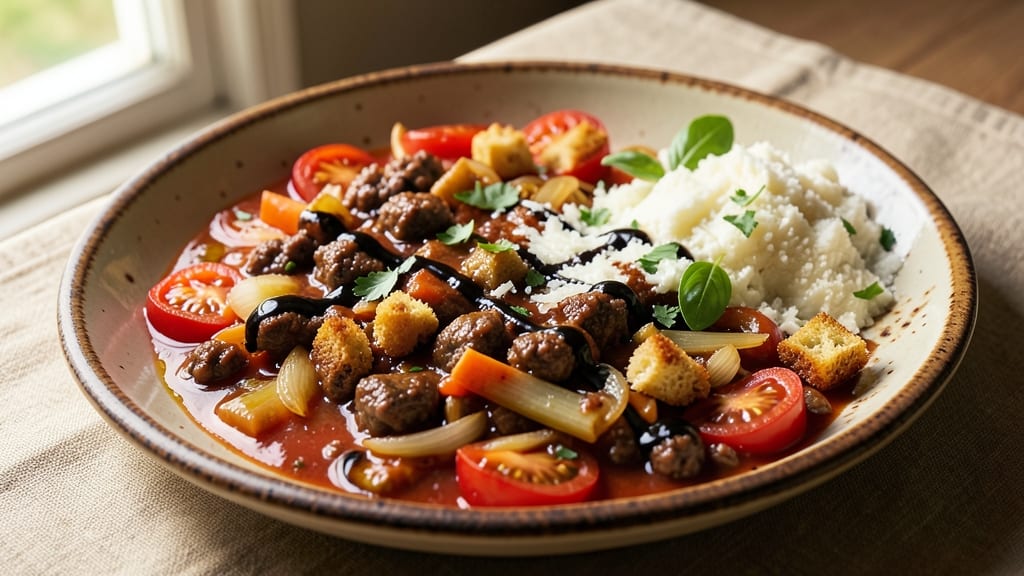
Alton Brown’s bolognese sauce transforms humble ingredients into a deeply flavorful, slow-simmered masterpiece that rewards patience with layers of umami. The key lies in proper browning, wine reduction, and a long simmer that develops complex flavors—no shortcuts here.
This isn’t just pasta sauce; it’s a savory foundation that turns weeknight dinners into restaurant-quality experiences.
The process begins with searing ground beef until deeply browned, locking in rich flavors that dissolve into the sauce. Wine and tomatoes form the backbone, while aromatic herbs and a touch of sweetness balance the acidity.
Unlike quick sauces, this one builds richness over time, with each passing hour intensifying its depth. The result? A sauce so versatile it elevates everything from spaghetti to lasagna.
What sets this apart is Alton Brown’s foolproof technique—no overcrowding the pot, no rushing the simmer, and precise seasoning at each stage. The texture? Silky yet substantial, clinging to noodles without being gloppy.
The aroma alone will have your kitchen smelling like an Italian trattoria, and the first bite delivers on that promise of slow-cooked perfection.
Perfect for meal prep, holiday gatherings, or impressing guests, this sauce keeps well for days, allowing flavors to deepen. Whether you’re a home cook or a seasoned chef, the method ensures consistent, restaurant-quality results—every time. Let’s get cooking.
Ingredients for alton brown bolognese sauce
Fifteen ingredients, slow-cooked to perfection—this is Alton Brown’s signature umami-rich bolognese foundation.
| Ingredient | Amount | Notes |
|---|---|---|
| Ground Beef (80/20 Fat Ratio) 🥩 | 2 lbs | Finely ground for even browning |
| Dry Red Wine 🍷 | 1 cup | Bold Cabernet Sauvignon preferred |
| Crushed Tomatoes (San Marzano) 🍅 | 28 oz | High-quality canned tomatoes |
| Onion (Yellow, Medium) 🧅 | 1 whole | Finely diced, about 1.5 cups |
| Carrot (Medium) 🥕 | 1 whole | Finely diced, about 0.5 cup |
| Celery (Medium Stalk) 🧅 | 1 whole | Finely diced, about 0.5 cup |
| Garlic Cloves 🧄 | 4 cloves | Minced for aromatic depth |
| Tomato Paste 🍅 | 1 tbsp | Squeeze tube preferred for precision |
| Fresh Thyme Leaves 🌿 | ¼ cup | Or 1 tbsp dried thyme |
| Fresh Rosemary 🌿 | ½ tbsp | Finely chopped, about 2 sprigs |
| Extra-Virgin Olive Oil 🫒 | ½ cup | High-quality, fruity variety |
| Beef Broth (Low-Sodium) 💧 | 2 cups | Homemade or high-quality store-bought |
| Whole Milk 🥛 | ½ cup | Full-fat for creaminess |
| Granulated Sugar 🍚 | 1 tbsp | Balances acidity |
| Kosher Salt 🧂 | 1 ½ tsp | Diamond Crystal preferred |
| Freshly Ground Black Pepper 🌶️ | ½ tsp | Freshly cracked for intensity |
The beef is non-negotiable—80/20 fat ratio ensures rich flavor development during searing. Butcher’s Edge or store-brand ground chuck works equally well, but avoid leaner cuts. The San Marzano tomatoes are worth seeking out for their sweet, meaty texture—Mutti or Cirillo brands deliver consistent quality. Fresh herbs like thyme and rosemary should be vibrant; if wilted, skip them entirely. The wine reduction is where depth happens—Cabernet Sauvignon adds complexity, but any bold red will do. For the soffritto (onion, carrot, celery), finely dice the vegetables to create a flavorful base that dissolves into the sauce.
No red wine? Substitute beef broth with 1 tbsp balsamic vinegar for acidity. Fresh herbs unavailable? Dried thyme at one-third the amount works, but rosemary’s piney notes are harder to replicate—omit entirely if needed. The tomato paste can be skipped if you prefer a lighter sauce, but it adds intensified umami. For a vegetarian version, replace beef with mushrooms and lentils, but the texture and depth will differ. Trader Joe’s carries excellent canned tomatoes and olive oil at reasonable prices, while Whole Foods offers premium herbs and specialty wines for those willing to splurge.
This sauce improves with time—3-4 hours of simmering yields the best results. Store in an airtight container in the fridge for up to 5 days, or freeze for up to 3 months. The milk addition at the end enriches the texture; omit if avoiding dairy. For meal prep, portion into glass jars with a layer of olive oil on top to preserve freshness. Reheat gently on the stove, stirring occasionally, to maintain silky consistency. Leftovers taste even better the next day as flavors meld further.
Why You'll Love This Recipe
- Wine Simmer Magic: The red wine doesn’t just cook off—it actually builds flavor, turning into this rich, velvety base that makes every bite taste like a restaurant-worthy secret. (Yes, even with the 80/20 beef—fat’s your friend here.)
- One-Pot Wonder: No chopping mountains of herbs or dicing endless veggies. Just one onion, one carrot, and a quick pulse in the food processor—then let the sauce do the work while you stir occasionally. Honestly, I’ve made it while scrolling through my phone.
- Leftovers That Beg: This sauce improves overnight, deepening into something even better the next day. Freeze half for lazy nights, or toss it into pasta, over polenta, or straight into a grilled cheese. My kids now ask for it as a snack—no joke.
- Budget-Friendly Luxury: San Marzano tomatoes and a decent red wine might sound fancy, but they stretch to feed four for under $15. The 80/20 beef adds richness without breaking the bank, and the carrot keeps it hearty. Frugal? Absolutely. Filling? Even more so.
Step-by-step instructions for Alton Brown's bolognese sauce
Here's the method that delivers deep umami flavor through slow development and precise technique.
Develop the Soffritto Base
Heat the 0.5 cup extra-virgin olive oil in a large Dutch oven over medium-low heat. Add the finely diced onion (yellow, medium), carrot (medium), and celery (medium stalk)—this trio forms the aromatic base called soffritto. Cook for 10-12 minutes until the vegetables soften and their colors deepen to a rich golden hue.
I press down occasionally with a wooden spoon to help release moisture and prevent burning. The vegetables should become almost translucent, with the onion particularly sweet and caramelized. This slow cooking builds the foundation for all the flavors that will follow. If the oil starts to smoke, reduce the heat slightly—you want gentle cooking, not browning.
Brown the Ground Beef
Push the softened vegetables to one side of the Dutch oven and add the 2 lbs ground beef (80/20 fat ratio) to the empty space. Using a wooden spoon, break up the beef into small pieces as it cooks, working it back into the vegetables after 3-4 minutes to distribute the rendered fat evenly.
Cook for a total of 8-10 minutes until the beef loses its raw appearance and develops a rich, mahogany color. The fat ratio is crucial here—the higher fat content creates more flavorful drippings that will form the sauce's base. Don't drain the fat; it's where all the umami develops. If the pan gets too dry, add 1-2 tablespoons of the beef broth (low-sodium) to deglaze and keep the beef moist.
Build Flavor with Wine and Aromatics
Stir in the 1 tbsp tomato paste and cook for 1 minute to deepen its flavor. Pour in the 1 cup dry red wine, scraping up any browned bits from the bottom of the pot—this technique is called deglazing and captures all the concentrated flavors that would otherwise burn.
Add the 4 cloves minced garlic cloves, 0.25 cup fresh thyme leaves, and 0.5 tbsp finely chopped fresh rosemary. Cook for 2-3 minutes until the garlic is fragrant but not browned—burnt garlic tastes bitter and ruins the delicate balance of flavors. The wine should reduce by about half, leaving a rich, syrupy consistency that coats the back of a spoon.
Simmer the Sauce Low and Slow
Pour in the 28 oz crushed tomatoes (San Marzano), 2 cups beef broth (low-sodium), 1 tbsp granulated sugar, 1.5 tsp kosher salt, and 0.5 tsp freshly ground black pepper. Stir well to combine, then bring to a gentle simmer over low heat. The sauce should bubble softly—if it boils vigorously, reduce the heat immediately.
Cover the Dutch oven and let the sauce simmer for 2-2.5 hours, stirring occasionally. This long cooking time allows the flavors to meld and develop depth. Check the sauce after 1 hour—if it's too thin, uncover and simmer uncovered for the remaining time. The sauce should reduce to a thick, velvety consistency that coats the back of a spoon. If it's still too thin, simmer uncovered for another 15-20 minutes to thicken.
Finish with Milk and Rest
Remove the sauce from heat and stir in the 0.5 cup whole milk. The milk adds a subtle creaminess that balances the acidity of the tomatoes and enhances the richness of the beef. Let the sauce sit off the heat for 10-15 minutes—this resting period allows the flavors to fully integrate and the sauce to thicken slightly.
Taste and adjust the seasoning if needed. The sauce should be rich, complex, and balanced—sweet from the sugar, tangy from the tomatoes, and deep from the beef and wine. Serve immediately over fresh pasta or use it to stuff lasagna layers. The sauce will continue to develop flavor as it sits, so it's even better reheated the next day.
Pro Tips For Making Alton Brown Bolognese Sauce
- Brown the Beef Slowly: Alton’s recipe calls for 80/20 beef, and that fat is your friend—but don’t rush the browning. Work in batches if needed, and let each one sizzle undisturbed for 3-4 minutes until deep brown, not just pink. I learned this the hard way—rushing turns the sauce greasy instead of flavorful.
- Deglaze with Wine Immediately: As soon as you remove the beef, pour in that red wine hot—right off the stove—so it sizzles and lifts up all the browned bits. Scrape the pan like your life depends on it; those bits are pure umami gold. Skimp here, and your sauce tastes dull.
- Crush the Tomatoes by Hand: San Marzano cans are already peeled, but give those tomatoes a quick mash with your fingers before adding them. It breaks down the skins slightly, making the sauce smoother and richer—no blender needed. I was skeptical until I tried it; the texture is noticeably better.
- Simmer Low and Long: After adding the wine and tomatoes, resist the urge to crank the heat. A gentle simmer (barely bubbling) for 2+ hours builds depth without turning the sauce into glue. Cover loosely—just enough to let moisture escape—and stir occasionally. Patience here makes all the difference.
Serving suggestions for alton brown bolognese sauce
Pasta Pairings
This bolognese shines over tagliatelle or pappardelle—wide, flat noodles that cradle the rich sauce beautifully. I also love it with fettuccine for a classic Italian feel. For extra indulgence, toss with freshly cooked farfalle or penne to catch every bit of sauce. 🍝
Avoid thin noodles like spaghetti—they can't hold up to the sauce's weight. Instead, opt for egg-enriched pasta (like bronze-cut rigatoni) for a heartier bite. The sauce's thickness means you'll want al dente pasta—about 1 minute less than package instructions suggest.
Save a cup of pasta water before draining to loosen the sauce if needed.
Bread & Side Dishes
Serve with garlic bread or grilled ciabatta to soak up any leftover sauce. I love adding a simple arugula salad with lemon vinaigrette—the peppery bite cuts through the richness. For a heartier meal, pair with roasted Brussels sprouts or creamy polenta to balance the dish.
For a full Italian spread, include antipasto like prosciutto-wrapped melon or marinated olives to start. A warm caprese salad (tomato, mozzarella, basil) adds freshness. The contrast of warm sauce with cool, fresh sides makes every bite feel special.
Cheese & Garnishes
Finish with grated Parmigiano-Reggiano (about 2 tbsp per serving) for a salty, nutty touch. Fresh basil leaves or parsley add a bright pop of color. For extra richness, sprinkle with crispy pancetta or pepperoni just before serving.
If you love cheese, try fontina or pecorino instead of Parmesan—their creamy textures melt beautifully into the sauce. For a vegetarian twist, top with vegan Parmesan and sun-dried tomatoes. The key is to enhance, not overpower—the sauce should still be the star.
Make-Ahead Serving
This sauce tastes even better the next day, so make it ahead for lasagna or manicotti. Store in an airtight container in the fridge for up to 5 days, or freeze for 3 months. When reheating, add 1-2 tbsp water or broth to prevent drying out.
For lasagna, assemble layers in a baking dish and refrigerate overnight before baking. The flavors meld beautifully during the overnight rest. If freezing, assemble without baking, cover tightly, and bake straight from frozen (add 10-15 extra minutes).
Nutrition facts
Frequently asked questions
Why does Alton Brown's recipe use a Dutch oven instead of a regular pot?
The Dutch oven's heavy construction distributes heat evenly, preventing hot spots that can burn the sauce. Its tight-fitting lid traps steam during simmering, which helps develop deeper flavors while keeping the sauce moist. The deep sides also make stirring easier without spills. For those without a Dutch oven, a heavy-bottomed pot works almost as well.
Can I substitute ground turkey or pork for the beef?
Ground turkey works well for a leaner version, but pork has a stronger flavor that can overpower the sauce. If using turkey, add an extra 1 tbsp tomato paste and 0.5 tsp smoked paprika to compensate. For pork, reduce the wine by 0.25 cup to balance its richness. The fat ratio matters—stick to 80/20 if possible.
What's the best way to thicken this sauce if it's too thin?
Simmer uncovered for 15-20 minutes to reduce naturally. If still too thin, mix 1 tbsp cornstarch with 2 tbsp cold water, stir into the sauce, and simmer for 5 minutes until thickened. Avoid over-thickening—this sauce should coat the back of a spoon but remain velvety. A splash of pasta water can also help loosen it slightly.
How do I prevent the sauce from tasting too acidic?
The sugar in the recipe balances acidity, but if your tomatoes are particularly tart, add 0.5 tsp more sugar or 1 tsp balsamic vinegar during simmering. For extra richness, stir in 1 tbsp butter at the end. The milk addition also helps smooth out sharp flavors. Always taste as you go—adjust gradually to avoid overpowering the meaty depth.
Can I make this sauce in an Instant Pot or slow cooker?
Yes! For the Instant Pot: Sauté the soffritto, brown the beef, deglaze with wine, then add all remaining ingredients and cook on High Pressure for 25 minutes, followed by a 10-minute natural release. For a slow cooker, combine everything after browning and cook on Low for 6-8 hours or High for 4 hours. The texture will be slightly different but still delicious.