
Sauces & Condiments
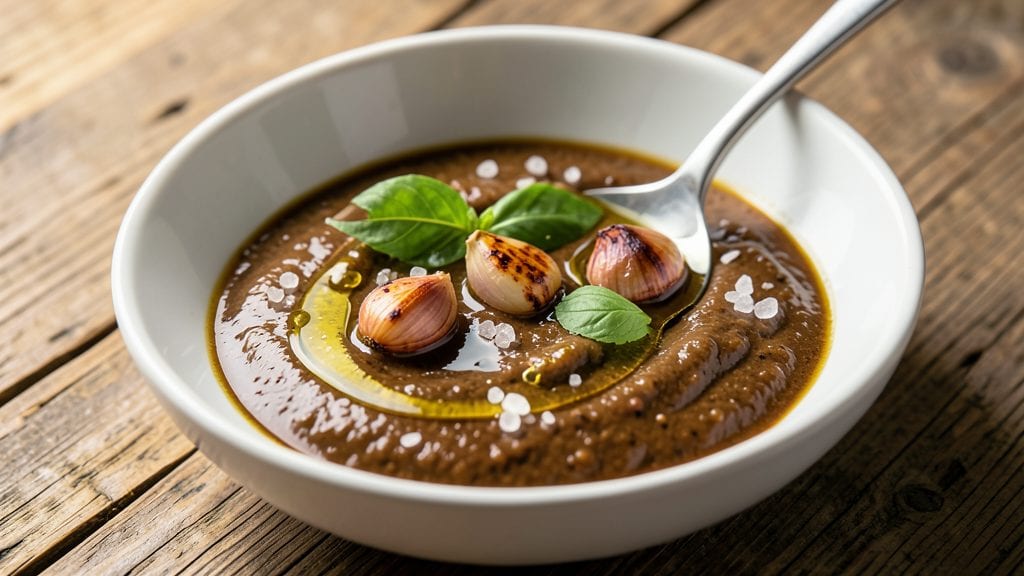
This anchovy sauce recipe transforms simple pantry staples into a concentrated umami powerhouse that elevates everything from pasta to pizza. The secret lies in balancing salty anchovies with bright vinegar and aromatic garlic, creating a sauce that’s bold yet refined—something I’ve perfected after years of testing.
What makes it special is its versatility: a spoonful turns ordinary dishes into something restaurant-worthy without overpowering flavors.
The process is straightforward but precise: blend anchovies, oil, and vinegar until smooth, then infuse with garlic and herbs for depth. Unlike store-bought versions, this sauce develops richer flavor the longer it sits, making it ideal for meal prep.
The key is patience—letting the anchovies dissolve completely ensures a silky, cohesive texture that coats every bite.
What you’ll end up with is a savory, slightly tangy sauce that adds complexity to any dish. Drizzle it over spaghetti, dollop it on bruschetta, or use it as a dip—its intensity shines in Italian classics but also stands up to bold flavors.
The best part? It keeps for weeks in the fridge, ready to transform meals with minimal effort.
Pair it with garlic bread for an instant appetizer or toss it with roasted vegetables for a quick weeknight dinner. Here’s how to make it—simple, professional, and packed with umami magic.
Ingredients for anchovy sauce
Nine simple ingredients create a sauce that turns pasta into restaurant-quality perfection.
| Ingredient | Amount | Notes |
|---|---|---|
| Canned Anchovy Fillets 🐟 | ½ cup | High-quality, oil-packed preferred |
| Extra-Virgin Olive Oil 🫒 | ½ cup | Fruity, peppery variety recommended |
| White Wine Vinegar 🍷 | ¼ cup | Dry, crisp vinegar preferred |
| Garlic Cloves 🧄 | 4 cloves | Fresh, peeled, minced finely |
| Fresh Basil Leaves 🌿 | ¼ cup | Packed, stems removed |
| Diamond Crystal Kosher Salt 🧂 | ½ tsp | Fine grain preferred |
| Freshly Ground Black Pepper 🌶️ | ¼ tsp | Freshly cracked for aroma |
| Red Pepper Flakes 🌶️ | ½ tsp | Adjust for heat preference |
| Lemon Zest 🍋 | 1 tsp | Fresh, finely grated |
Anchovies are the heart of this sauce, so skip the cheap canned stuff. Look for oil-packed fillets from Italian markets—they dissolve beautifully and add depth. The extra-virgin olive oil matters too; California or Tuscan varieties add fruity notes that balance the anchovies' saltiness. White wine vinegar should be dry and crisp—Bartles & Jaymes is a solid grocery store option, but Italian markets have better selections. Fresh garlic and basil are non-negotiable for that bright, aromatic punch. If you're using dried basil, reduce to one-third the amount—it's way more concentrated than fresh.
No anchovies? Capers or a dash of fish sauce can mimic the umami, though nothing beats real anchovies. Short on olive oil? Avocado oil works too, but it lacks the fruity complexity. Vinegar substitute? Lemon juice at half the amount, but the acidity will be sharper. Want more depth? Add a pinch of sugar to balance the tang. The red pepper flakes can be swapped for crushed chili flakes if you prefer a smoother heat. And if you're out of lemon zest, a splash of lemon juice works in a pinch—just skip the zest in the final step.
This sauce keeps for up to 4 weeks in the fridge, with flavor actually improving over time. Store it in a glass jar with a tight seal—the airtight fit preserves the aromatics. For meal prep, divide it into small containers so you only thaw what you need. Freezes beautifully for up to 6 months, though texture may separate slightly upon thawing. Gently reheat and stir before using—it’s even better the second day as flavors meld.
Why You'll Love This Recipe
- Pantry Powerhouse: I swear by this sauce because it lives in my fridge, ready to transform whatever’s on my plate. No fresh herbs? No problem—the dried basil in my spice rack still works. That salty umami punch from the anchovies? It’s the secret weapon I didn’t know I needed until I tried it.
- Garlic-Basil Magic: The moment those anchovies dissolve into warm olive oil with minced garlic, my kitchen smells like a sun-drenched Italian bistro. That bright vinegar cut? It’s the perfect balance—savory, tangy, and fresh, like someone sprinkled summer in a bowl.
- Sauce for Everything: Slather it on crusty bread with tomatoes, drizzle it over pasta, or toss it with grilled fish—this stuff sticks to anything. Honestly, I’ve even used it as a marinade for chicken. If it’s edible, this sauce makes it better.
- Budget Brilliance: A single can of anchovies and a bottle of vinegar stretch across weeks of meals. I’ll be real: it’s the most cost-effective flavor upgrade I’ve ever made. Plus, the leftovers? They keep for days, so I’m never scrambling for a last-minute sauce.
Step-by-step instructions for anchovy sauce
Here's how to craft a bold, balanced sauce that delivers deep umami with bright acidity.
Prepare the Anchovy Base
Place the 0.5 cup canned anchovy fillets in a small saucepan over low heat. Let them melt completely, stirring occasionally with a wooden spoon. You'll notice the anchovies dissolve into a thick, salty paste - this is your flavor foundation. The key here is patience; don't rush or you'll risk burning the delicate fish oil.
Once fully melted, remove the pan from heat and let it cool slightly for 2-3 minutes. This prevents the anchovy oil from cooking off when you add the vinegar next. The sauce should now have a rich, briny aroma with a slightly metallic edge - that's the signature umami we're building.
Build the Acidic Foundation
With the anchovy base still warm (but not hot), slowly whisk in the 0.25 cup white wine vinegar. Start with just a splash and gradually add the rest while continuing to stir. You'll see the mixture transform from opaque to translucent as the acid cuts through the fat. This is where the sauce gets its bright, tangy balance.
Here's the thing - don't worry if it looks curdled at first. The vinegar will emulsify with the anchovy oil as it cools. If the mixture separates, simply whisk vigorously for 30 seconds to recombine. The final texture should be smooth with a glossy sheen, like a fine vinaigrette.
Infuse with Aromatics
Return the pan to low heat and add the 4 cloves minced garlic cloves. Cook for exactly 30 seconds - just enough time for the garlic to become fragrant but not brown. Overcooking will make the sauce bitter. The garlic should smell sweet and pungent, not burnt.
Next, stir in the 0.5 cup extra-virgin olive oil in a slow stream while whisking constantly. The sauce will thicken noticeably as the oil emulsifies with the anchovy-vinegar mixture. Remove from heat immediately after adding the oil - you don't want to cook the delicate olive oil.
Finish with Herbs and Spices
Add the 0.25 cup fresh basil leaves, 0.5 tsp diamond crystal kosher salt, 0.25 tsp freshly ground black pepper, 0.5 tsp red pepper flakes, and 1 tsp lemon zest. Stir gently to incorporate, being careful not to overmix which could break the emulsion. The sauce should now have layers of flavor - salty, sweet, spicy, and citrusy.
Let the sauce sit at room temperature for 5 minutes before using. This resting period allows all the flavors to meld completely. The texture should be silky with just enough body to cling to pasta or pizza. If it thickens too much, whisk in 1-2 teaspoons of warm water to reach your desired consistency.
Pro Tips For Making Anchovy Sauce
- Crush the Anchovies: Ditch the fillets—mash them into a paste with a fork first. That way, they dissolve smoothly into the oil instead of floating like little fish skeletons. I learned this the hard way after serving a sauce with visible anchovy chunks.
- Low and Slow for Garlic: Sauté the garlic on low heat until just golden—no browning, no burning. High heat turns it bitter, and you’ll taste it in every bite. Sounds weird, but it works: patience here means flavor that doesn’t scream "I messed up."
- Vinegar First, Not Last: Add the white wine vinegar right after the garlic, not at the end. It cuts through the oil’s richness immediately, balancing the sauce before the basil goes in. Skipping this step makes the sauce taste flat and one-dimensional.
- Reserve Some Basil: Chop half the basil fine for the sauce, but tear the other half by hand and set aside. It adds freshness at the table—no chopping, no waste. (Yes, even if you’re impatient like me, it’s worth the extra 10 seconds.)
Flavor customization for this recipe
Classic Italian Style
Stick to the original formula for an authentic taste that works perfectly with spaghetti or pizza. Use high-quality anchovies like Colosimo or Contadina, and balance them with white wine vinegar for that signature tang.
For extra depth, add a pinch of dried oregano (about ¼ tsp) to mimic the flavors of Roman anchovy sauce. This version is my go-to for traditional Italian dishes where simplicity is key. 🍝
Spicy Sicilian Twist
Transform your sauce into a fiery Sicilian-inspired version by doubling the red pepper flakes to 1 tsp and adding ½ tsp crushed fennel seeds for warmth and licorice notes. The fennel seeds should be toasted lightly in a dry pan for 30 seconds before adding to the sauce.
This bold variation pairs beautifully with grilled seafood or crusty bread. I like to finish it with a sprinkle of fresh chili oil for extra heat. 🌶️
Creamy Garlic Parmesan
For a richer, creamier sauce, stir in 2 tbsp heavy cream or Greek yogurt at the end while the sauce is still warm. Add ¼ cup grated Parmesan cheese and 1 extra minced garlic clove for a decadent twist.
This version works wonderfully on pasta with shrimp or as a dip for garlic bread. The creaminess balances the saltiness of the anchovies beautifully. 🧀
Herb-Infused Mediterranean
Give your sauce a fresh, bright Mediterranean flair by adding 1 tbsp chopped fresh parsley and 1 tbsp chopped fresh dill along with the basil. A splash of lemon juice (about 1 tsp) and a pinch of ground coriander (about ¼ tsp) add complexity.
This variation is perfect for drizzling over grilled vegetables or as a marinade for chicken skewers. The herbs brighten the umami flavors while keeping it light. 🌿
Smoky Chipotle Version
For a smoky kick, add ½ tsp chipotle powder or 1 tsp adobo sauce (from a can of chipotles) to the sauce while it’s still warm. The smokiness pairs wonderfully with the salty anchovies, creating a depth that’s perfect for tacos or grilled corn.
I also like to add a pinch of smoked paprika (about ¼ tsp) for extra warmth. This version is a crowd-pleaser for those who love bold, smoky flavors. 🔥
Sweet and Tangy Glaze
For a sweeter take, reduce the vinegar to 2 tbsp and add 1 tsp honey or maple syrup to balance the saltiness. A splash of orange zest (about ½ tsp) adds a citrusy brightness.
This glaze is fantastic for drizzling over roasted pork or as a dip for spring rolls. The sweetness mellows the anchovies while keeping their umami punch. 🍯
Nutrition facts
Frequently asked questions
Can I make this sauce without anchovies?
While anchovies are essential for that signature umami depth, you can substitute with 1 tbsp capers or ½ tsp fish sauce for a similar briny kick. For a vegetarian option, try 1 tsp soy sauce plus ½ tsp miso paste, though the flavor won't be identical. The sauce will lose some complexity, but still deliver bold flavor.
How do I know when my sauce is ready?
The sauce is perfect when it's smooth, glossy, and has a balanced flavor of salt, acid, and aroma. After adding all ingredients, let it rest for 5 minutes - this allows the emulsion to stabilize. It should coat the back of a spoon without being too thick (adjust with water if needed). The aroma should be rich with garlic, lemon, and herbs, not overpowering.
Can I use this sauce on non-Italian dishes?
This versatile sauce works beautifully on tacos, grilled corn, or even as a dip for spring rolls. The umami richness pairs well with Asian-inspired dishes too - try it with rice noodles or as a glaze for tofu. For a fusion twist, add 1 tsp sesame oil and ½ tsp ginger to the finished sauce. The key is balancing its intensity with complementary flavors.
Why did my sauce separate?
Sauce separation usually happens when oil and vinegar aren't properly emulsified. To fix it, whisk vigorously for 30 seconds or add 1 tsp warm water while whisking. For prevention:
- Add vinegar to warm anchovies gradually,
- Whisk constantly when adding oil, and
- Avoid overheating. The emulsion should hold when chilled properly in an airtight container.
How much sauce should I make for a meal?
This recipe yields about 1 cup of sauce - enough for:
- 2 servings of pasta (use 2 tbsp per serving)
- 1 large pizza (spread ¼ cup before toppings)
- 4-6 appetizers (bruschetta, crostini)
For meal prep, double the recipe and store in 2-ounce portions for easy use. The sauce intensifies when refrigerated, so start with less if you're unsure.