
Sauces & Condiments
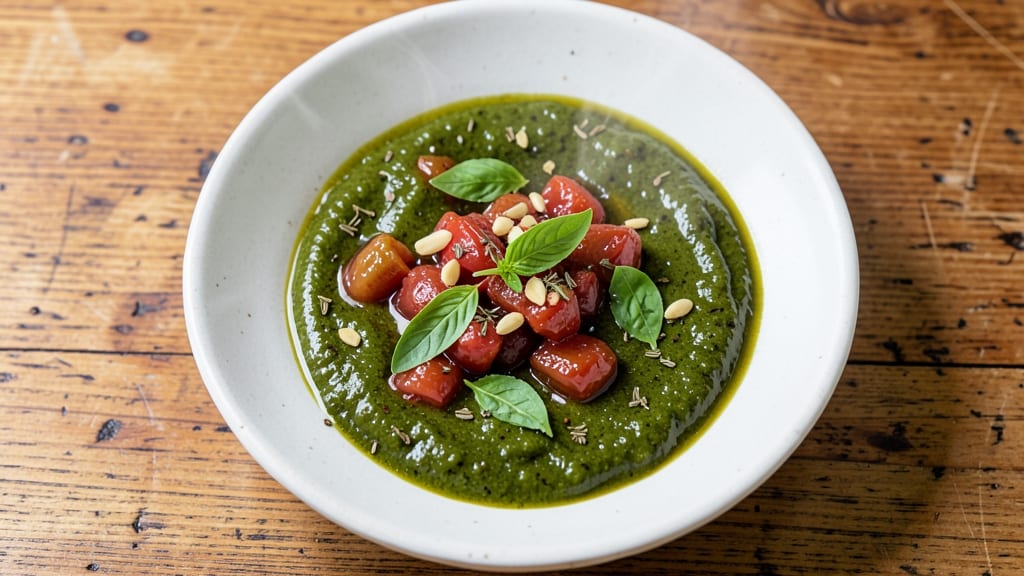
This artichoke pizza sauce recipe transforms ordinary tomato sauce into a herbaceous, chunky masterpiece that elevates every pizza topping. The secret lies in blending canned artichoke hearts with fresh garlic, olive oil, and fragrant herbs—creating a sauce that's rich, slightly tangy, and packed with Mediterranean flair.
I developed this recipe after craving something brighter than traditional marinara, and it quickly became my go-to for gourmet pizzas at home.
The beauty of this sauce is its versatility and simplicity. With just 8 ingredients and 15 minutes of active time, you'll create a sauce that's perfect for pizza bases, dipping, or even as a pasta topping.
The artichokes add a delightful briny, slightly sweet contrast to the tomatoes, while the herbs infuse every spoonful with freshness. Unlike store-bought options, this sauce stays vibrant and flavorful for days.
What sets this recipe apart is the textural contrast—creamy artichoke chunks against a smooth tomato base, all tied together with aromatic herbs. The sauce thickens beautifully as it simmers, creating that perfect consistency that clings to crusts and melts into cheese.
Whether you're a pizza enthusiast or simply love flavorful sauces, this recipe delivers restaurant-quality results with minimal effort.
Best of all, this sauce keeps well in the refrigerator for up to 5 days, making it perfect for meal prep. Use it as your pizza sauce base, drizzle over grilled meats, or serve with crusty bread.
The possibilities are endless, and the flavor is undeniably superior to anything you'll find in a jar.
Ingredients for artichoke pizza sauce
Eight ingredients transform simple tomatoes into a chunky, herby artichoke pizza sauce masterpiece.
| Ingredient | Amount | Notes |
|---|---|---|
| Canned Artichoke Hearts 🍃 | 14 oz | Drained, quartered chunks |
| Crushed Tomatoes 🍅 | 28 oz | High-quality canned, no salt added |
| Extra-Virgin Olive Oil 🫒 | ½ cup | Fruity, peppery variety |
| Garlic Cloves 🧄 | 4 cloves | Freshly minced, aromatic |
| Fresh Basil Leaves 🌿 | ½ cup | Packed, finely chopped |
| Fresh Oregano Leaves 🍃 | ¼ cup | Packed, finely chopped |
| Dried Thyme 🌿 | ½ tsp | Or 1 tsp fresh thyme |
| Sea Salt 🧂 | 1 tsp | Diamond Crystal preferred |
The artichokes are the star—look for high-quality canned hearts in water, not oil or salted brine. Trader Joe's and Whole Foods carry the best brands, but any jarred artichokes work. Fresh garlic and basil are non-negotiable here; skip the dried unless you're in a pinch. For the tomatoes, San Marzano cans are ideal—they're sweeter and smoother. If you can't find them, any high-quality crushed tomatoes will do. The key is to drain them well to avoid a watery sauce.
No fresh basil? Dried oregano at double the amount works in a bind, but you'll miss that fresh brightness. Short on artichokes? Swap in sun-dried tomatoes for a different Mediterranean twist. The olive oil should be extra-virgin—cheap oil makes the whole sauce taste flat. For extra depth, toast the garlic in the oil for 30 seconds before adding it to the sauce. And if you're worried about the sauce being too chunky, just blend half of it for a smoother texture.
This sauce keeps beautifully—5 days in the fridge or 3 months frozen. I always make a double batch: one for pizza night, one to freeze for lazy days. For freezing, portion it into ice cube trays, then transfer to a bag. Thaw overnight in the fridge before using. The flavors actually improve after a day or two, as everything melds together perfectly.
Why You'll Love This Recipe
- Here’s what sold me: a jar of artichokes lasts forever, and this sauce costs pennies to make. No specialty ingredients, no waste—just leftovers that taste just as good reheated as they do fresh. I make a double batch on Sundays, freeze half, and thank myself later when I’m craving something rich and satisfying without breaking the bank.
- No-Fuss Pantry Magic: I swear by this when I’ve got nothing but canned artichokes and tomatoes staring back at me from the shelf. Open, drain, chop—boom—you’ve got the base. The artichokes add that briny, meaty texture without extra work, and the garlic? Just three cloves, minced while the sauce simmers. That’s it. No peeling, no dicing, no stress.
- Umami Bomb: Between us, this sauce is ridiculously good. The artichokes bring this deep, salty-sweet punch that cuts through the acidity of the tomatoes, while the olive oil and garlic make it sing. Fresh basil at the end? That’s the cherry on top—bright, herbal, and impossible to resist. It’s the kind of flavor that makes you pause mid-bite and think, “Wait, I made this?”
- Weeknight & Weekend Ally: Honestly, this sauce works everywhere. Slather it on pizza crust for a fancy-feeling weeknight dinner, or toss it with grilled chicken and roasted veggies for a no-fuss family meal. I’ve even used it as a marinade for shrimp—yes, really. It’s the kind of recipe that doesn’t care what you throw at it, as long as you’re throwing it often.
Step-by-step instructions for artichoke pizza sauce
This herby tomato base with artichoke chunks elevates any pizza—simple steps, bold flavors.
Sauté Garlic and Artichokes in Olive Oil
Heat the 0.5 cup extra-virgin olive oil in a medium saucepan over medium heat until shimmering but not smoking—about 2 minutes. Add the 4 minced garlic cloves and cook for 30 seconds until fragrant (don't let it brown or it'll turn bitter). Immediately add the 14 oz drained, quartered artichoke hearts and sauté for 3-4 minutes until lightly golden.
Here's the thing—artichokes release moisture as they cook, so you want them to soften just enough to blend into the sauce later. If they stick to the pan, stir in a splash of water and scrape up any browned bits from the bottom (those add depth of flavor). Keep the heat at medium—too high and the garlic will burn before the artichokes warm through.
Build the Tomato Base
Pour in the 28 oz crushed tomatoes and bring to a gentle simmer over medium-low heat. Stir once to combine, then reduce heat to low and let it cook uncovered for 15 minutes. You're looking for the sauce to thicken slightly—it should coat the back of a spoon when you stir it.
This slow simmer develops the tomato flavor without overcooking the artichokes. I like to taste it at this stage—it should be tangy and bright, with just a hint of sweetness from the tomatoes. If it's too acidic, add a pinch of sugar (not in the ingredients list, but trust me on this). The sauce will continue to thicken as it cools, so don't worry if it's still a bit loose now.
Add Herbs and Season
Remove the pan from heat and stir in the 0.5 cup chopped fresh basil leaves, 0.25 cup chopped fresh oregano leaves, and 0.5 tsp dried thyme. Let the mixture sit off the heat for 5 minutes—this allows the herbs to infuse without wilting completely. Then return to low heat and add the 1 tsp sea salt, stirring until fully dissolved.
The herbs should brighten the sauce with their distinct aromas. Basil adds sweetness, oregano brings earthy depth, and thyme rounds everything out. Taste again and adjust seasoning—you might need a bit more salt or a splash of water if the sauce is too thick. The ideal consistency should be spreadable but not runny, like a thick marinara.
Cool and Finish
Transfer the sauce to a blender or food processor and pulse 2-3 times until mostly smooth but with some artichoke texture remaining (this adds great visual appeal). For a completely smooth sauce, blend longer, but I prefer a few artichoke chunks for texture contrast. Return to the saucepan and let it cool to room temperature—this helps the flavors meld.
Once cooled, taste again and adjust seasoning if needed. The sauce should be vibrant, herby, and perfectly balanced between the tang of tomatoes and the briny artichokes. Store in an airtight container in the refrigerator for up to 5 days or freeze for 3 months. Spread it on your pizza dough before adding toppings for an unforgettable herby artichoke flavor explosion.
Pro Tips For Making Artichoke Pizza Sauce
- CHOP GARLIC SMALL: I learned this the hard way—big chunks of garlic burn before they soften, leaving you with bitter bits instead of mellow flavor. Aim for thin slivers (almost like confetti) so they cook through in 2-3 minutes without turning to ash.
- DRAIN ARTICHOKE HEARTS WELL: That brine in canned artichokes is sneaky—it dilutes your sauce and makes it watery. After draining, spread them on a paper towel and press with another towel to soak up extra moisture. Trust me, your sauce won’t turn into soup.
- SIMMER LOW AND SLOW: Cranking the heat to speed things up is a rookie move. Let the sauce bubble gently—just enough to keep it moving—so the tomatoes break down and the basil stays bright, not wilting into oblivion. Patience here makes the difference.
- TOAST BASIL FIRST: Sounds weird, but it works: Toss the basil leaves in a dry pan for 10 seconds until they just start to crisp at the edges. Then add them to the sauce at the very end. The aroma jumps off the plate, and you avoid that sad, soggy basil look. (Yes, even if you’re impatient like me.)
Flavor customization for this recipe
Herb Variations
Swap out the basil and oregano for fresh rosemary and thyme for a more rustic, woodsy flavor profile.
Use 1 tbsp finely chopped rosemary and 1 tsp fresh thyme instead—this combo works beautifully with artichokes and adds a piney aroma that pairs well with grilled meats or roasted vegetables on pizza.
For a Mediterranean twist, try fresh marjoram (about 2 tbsp chopped)—it’s sweeter than oregano and adds a delicate floral note. 🌿
Spicy Kick
Add ½ tsp red pepper flakes or 1 tsp hot honey to the sauce while it simmers for a subtle heat. For more intensity, blend in 1-2 tbsp of Calabrian chili paste (like Penzeys brand) with the tomatoes before cooking.
This Southern Italian chili paste brings a fruity, smoky heat that balances the briny artichokes perfectly. Start with less and adjust to taste—this sauce is versatile enough to handle bold flavors. 🌶️
Creamy Twist
For a richer texture, stir in ¼ cup heavy cream or 2 oz ricotta cheese during the final 5 minutes of cooking. The cream smooths out the sauce while adding a luxurious mouthfeel, ideal for pizzas topped with delicate ingredients like arugula or prosciutto.
If using ricotta, blend it into the sauce until fully incorporated—this creates a velvety, spreadable consistency that’s perfect for stuffed crusts. 🧀
Umami Boost
Enhance the depth of flavor by adding 1 tbsp soy sauce or 1 tsp fish sauce (if vegetarian, use 1 tsp mushroom powder) to the simmering tomatoes. These umami-rich ingredients amplify the artichokes’ natural brininess and create a more complex, savory profile.
For a dairy-free option, 1 tsp nutritional yeast works wonders—it adds a cheesy, nutty note without altering the sauce’s texture. 🍄
Sweet-Savory Balance
Brighten the sauce with 1 tsp honey or 1 tbsp balsamic glaze during the last 5 minutes of cooking. The sweetness cuts through the acidity of the tomatoes and complements the artichokes’ earthy flavor.
For a more sophisticated touch, add 1 tsp orange zest—it adds a citrusy freshness that pairs beautifully with Mediterranean toppings like feta or olives. 🍯
Texture Play
Keep the sauce chunky by omitting the blending step entirely, or add ¼ cup toasted pine nuts or chopped sun-dried tomatoes for extra texture. For a crunchy contrast, sprinkle toasted breadcrumbs or crushed pistachios on top before serving.
These additions elevate the sauce from a simple topping to a gourmet experience, especially when paired with creamy cheeses like mozzarella di bufala. 🥜
Nutrition facts
Frequently asked questions
Can I use jarred artichokes instead of canned?
Jarred artichokes work perfectly—they're just pre-packaged differently. Look for high-quality jarred hearts in water (not oil or salted brine) to maintain the same texture and flavor. Drain and quarter them just like canned artichokes before using in the recipe. The key is to avoid any added preservatives that could alter the sauce's brightness.
How do I adjust the thickness for different pizza styles?
For thin-crust pizzas, use the sauce as-is—it's already at the perfect spreadable consistency. For deep-dish or stuffed crusts, simmer the sauce uncovered for an extra 5-10 minutes to thicken further. If it gets too thick, stir in 1-2 tablespoons of water or pasta water to loosen it while keeping the artichoke chunks intact.
Can I make this sauce without fresh herbs?
Yes! Use 1 teaspoon dried basil and 1 teaspoon dried oregano (double the amounts listed for fresh), plus an extra ¼ teaspoon dried thyme. Toast the dried herbs in the olive oil for 30 seconds before adding artichokes to release their aromas. The flavor won't be as vibrant, but it'll still be delicious—just add a pinch of red pepper flakes for extra depth.
What's the best way to reheat this sauce?
Gently reheat in a saucepan over low heat for 3-5 minutes, stirring occasionally. Never microwave—it can make the artichokes mushy. For best results, transfer the sauce to a small pot with 1 tablespoon of water to prevent sticking. If the sauce separates, stir vigorously while heating to re-emulsify. The texture will be slightly thicker after reheating, which is perfect for pizza.
Can I use this sauce for other dishes besides pizza?
This versatile sauce works beautifully as a pasta sauce (toss with penne or orecchiette), a dipping sauce for crusty bread or grilled vegetables, or even a stuffing for baked potatoes. For a different application, try drizzling it over grilled chicken or using it as a base for stuffed peppers. The artichokes add a unique briny contrast that elevates many dishes beyond pizza.