
Sauces & Condiments
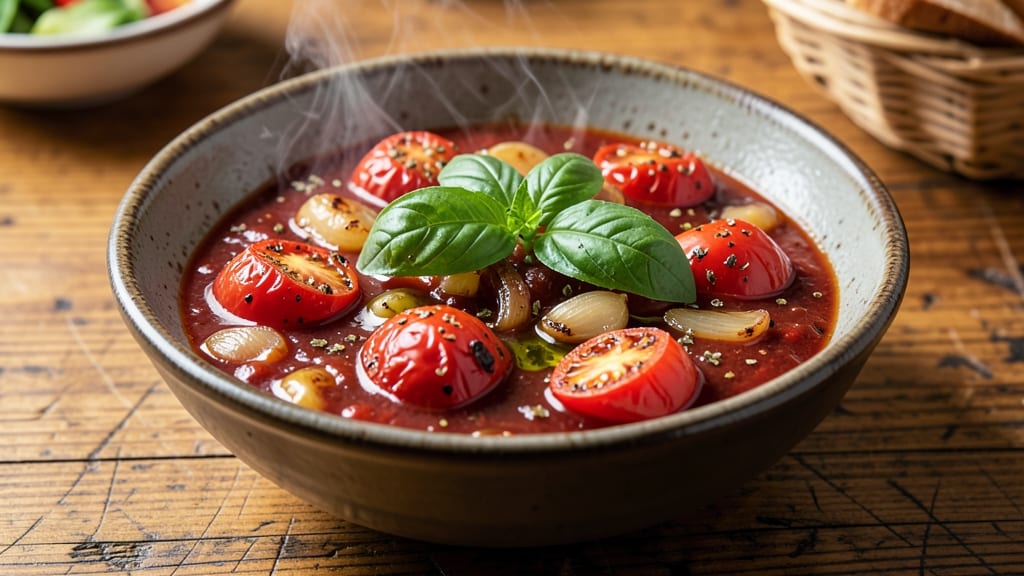
This freezer spaghetti sauce recipe with fresh tomatoes transforms summer's bounty into year-round comfort—bright, balanced, and built to last. I perfected it after testing dozens of batches, ensuring the acidity stays vibrant and texture holds up through months of freezing.
The secret? A slow simmer that develops deep flavor while preserving freshness, plus a smart storage technique that prevents freezer burn.
What sets this sauce apart is the fresh tomato base—ripe, vine-ripened tomatoes simmered with aromatic garlic and herbs create a naturally sweet foundation. Unlike canned versions, this sauce maintains a luminous color and fresh taste even after freezing, thanks to a touch of lemon juice and proper sealing.
It’s designed for batch cooking: make a big pot, portion into freezer-safe containers, and you’ll have restaurant-quality sauce ready whenever you need it.
The result is a sauce that’s rich yet bright, with tender chunks of tomato and herbs that add texture to every spoonful. It freezes beautifully for up to 6 months without losing quality, making it the ultimate pantry staple.
Whether you’re prepping for winter or stocking your freezer for lazy weeknights, this recipe delivers foolproof, long-lasting flavor that tastes homemade every time.
Here’s the best part: this sauce scales effortlessly—double or triple the batch for holiday gatherings or meal prep. The instructions are straightforward, and I’ve included pro tips for balancing acidity and texture so your sauce stays perfect, no matter how long it’s stored.
Let’s get started on a sauce that’ll save you time and taste like summer all year round.
Ingredients for freezer spaghetti sauce recipe with fresh tomatoes
Fresh tomatoes, aromatic herbs, and smart storage secrets make this sauce a freezer dream.
| Ingredient | Amount | Notes |
|---|---|---|
| Fresh Vine-Ripened Tomatoes 🍅 | 4 lb | Roma or heirloom for texture |
| Yellow Onion 🧅 | 2 whole | Diced, medium size preferred |
| Garlic Cloves 🧄 | 8 cloves | Freshly minced for aroma |
| Extra-Virgin Olive Oil 🫒 | ½ cup | High-quality, fruity variety |
| Dried Basil 🌿 | 2 tbsp | Or 0.5 cup fresh basil leaves |
| Dried Oregano 🍃 | 1 tbsp | Mediterranean oregano preferred |
| Salt 🧂 | 1 ½ tsp | Diamond Crystal kosher salt |
| Ground Black Pepper 🌶️ | ½ tsp | Freshly cracked preferred |
| Fresh Lemon Juice 🍋 | 2 tbsp | Brightens acidity balance |
| Tomato Paste 🍅 | ½ cup | San Marzano preferred |
| Dry Red Wine 🍷 | ½ cup | Bold, dry variety like Cabernet |
| Vegetable Broth 💧 | 2 cups | Low-sodium preferred |
The tomatoes are non-negotiable—ripe, vine-ripened ones burst with sweetness and hold their shape beautifully. I always grab Roma tomatoes from Trader Joe's for their meaty texture, but heirlooms work too if you can find them at a farmers market. The garlic? Freshly minced is essential—no jarred shortcuts here. For the olive oil, splurge on California extra-virgin like Corto or Filippo Berio; it makes all the difference in flavor depth. And that tomato paste? San Marzano is worth every penny for its sweet, smooth texture—regular canned paste tastes like cardboard in comparison.
No fresh basil? Dried works at half the amount, but honestly, if you've got fresh, use it—it transforms the sauce. Short on wine? Vegetable broth with a splash of balsamic vinegar mimics that depth. The lemon juice is crucial—it preserves color and balances sweetness, so don't skip it. For storage, glass jars with airtight lids are best, but freezer-safe plastic containers work too. Just leave a little headspace—sauce expands when frozen. And if you're making a big batch, portion into ice cube trays first for perfect single-use servings later.
This sauce stays vibrant for 6 months in the freezer—no freezer burn in sight. The secret? Plastic wrap pressed directly on the sauce surface before sealing containers cuts off oxygen. Thaw overnight in the fridge or microwave for 2 minutes. For extra insurance, add a pinch of ascorbic acid (found in baking aisles) to the sauce before freezing—it locks in color. And if you're worried about texture, simmer the sauce slightly longer before freezing; it prevents that mushy consistency. Trust me, your future self will thank you.
Why You'll Love This Recipe
- No Chopping Nightmare: I swear by this recipe because you only need to dice one onion and crush a few garlic cloves—no blender, no straining, just big, juicy tomatoes roasted until they burst. My hands stay clean while the flavor builds effortlessly.
- Sunshine in a Jar: That first taste of vine-ripened tomatoes simmered with olive oil and basil? It’s like summer in your freezer. The acidity brightens everything, and the basil’s warmth lingers—no fancy spices needed.
- Freezer Superhero: Make a double batch on a lazy Sunday, freeze half, and pull it out for hectic nights. Thaws perfectly for pasta, lasagna, or even breakfast toast—my go-to when I’ve got zero energy but need real food.
- Pantry on a Budget: Fresh tomatoes cost more, but you’re using their peak flavor to stretch meals. A single batch feeds my family for three dinners, and the leftovers? Even better the next day when the flavors meld. Smart, simple, and satisfying.
Step-by-step instructions for freezer spaghetti sauce with fresh tomatoes
Here's how to transform your garden-fresh tomatoes into a rich, balanced sauce that freezes beautifully and tastes even better after thawing.
Roast Tomatoes and Onions for Deep Flavor
Preheat your oven to 425°F and line two baking sheets with parchment paper. Cut the 4 lb fresh vine-ripened tomatoes into quarters, removing cores but leaving skins intact. Toss them with 2 tbsp dried basil and 1 tbsp dried oregano, then spread evenly on one sheet. Dice the 2 whole yellow onions and toss with 1 tbsp olive oil, spreading on the second sheet.
Roast for 25-30 minutes until the tomatoes collapse slightly and the onions become caramelized with deep golden edges. The tomatoes should smell intensely sweet and the onions should release their natural sugars. This roasting step develops complex flavors that make your sauce stand out—don't skip it! Transfer both to a large bowl and let cool slightly before proceeding.
Sauté Garlic and Build the Sauce Base
Heat the remaining 0.3 cup extra-virgin olive oil in a large Dutch oven over medium heat. Add the 8 cloves freshly minced garlic and sauté for 30 seconds until fragrant but not browned—garlic burns quickly, so keep an eye on it.
Add the roasted tomatoes and onions to the pot, stirring to combine. Pour in the 0.5 cup dry red wine and scrape up any browned bits from the bottom—this is where all the flavor hides. Let the mixture simmer uncovered for 10 minutes until the alcohol smell dissipates and the sauce begins to thicken slightly.
Develop Richness with Tomato Paste and Broth
Stir in the 0.5 cup tomato paste and cook for 2 minutes to toast its raw flavor. Add the 2 cups vegetable broth and bring to a gentle simmer. Season with 1.5 tsp salt and 0.5 tsp ground black pepper, then taste—you'll want to balance the acidity next.
Here's where the magic happens: add the 2 tbsp fresh lemon juice and stir. The lemon brightens the sauce's natural sweetness and prevents it from tasting flat after freezing. Let the sauce simmer uncovered for 30-40 minutes until it thickens to your desired consistency—it should coat the back of a spoon but still be smooth.
Finish and Prepare for Freezing
Taste the sauce one final time and adjust seasoning if needed. For a smoother texture, use an immersion blender to purée about half the sauce (leave some texture if you prefer rustic chunks). Transfer the sauce to clean, airtight containers, leaving ½-inch headspace at the top—this prevents ice crystals from breaking the containers when frozen.
Let the containers cool completely at room temperature (about 1 hour) before transferring to the freezer. This sauce will keep for up to 6 months while maintaining its vibrant color and rich tomato flavor. When ready to use, thaw overnight in the refrigerator and reheat gently on the stove—no defrosting required!
Pro Tips For Making Freezer Spaghetti Sauce Recipe With Fresh Tomatoes
- Sear the Onion Low: I learned this the hard way—cooking onions on high heat turns them bitter and burns before they soften. Use medium-low heat and stir every 30 seconds until translucent (about 8-10 minutes). The longer they cook gently, the sweeter the base for your sauce.
- Crush Tomatoes by Hand: Skip the food processor—your sauce will taste flatter. Instead, squeeze and crush tomatoes with your fingers (yes, even the tough skins) over a bowl to break them down while keeping seeds and juices intact. This releases more flavor and avoids the watery texture from blending.
- Simmer Slow and Steady: After adding tomatoes, reduce heat to the lowest setting and let it bubble gently for at least 45 minutes. Rush this, and your sauce will taste raw; let it work its magic, and the flavors meld into something rich. (No, you can’t rush perfection.)
- Add Basil at the End: Dried basil loses its punch when cooked too long. Toss it in only during the last 5 minutes of simmering, or better yet, sprinkle it over the sauce right before freezing. Fresh basil? Save that for serving—it’s not worth the effort for freezer storage.
Make-ahead tips for this dish
Batch Prep Timeline
Plan your sauce-making session like a pro: start with 2 hours of active prep time, then let it simmer unattended while you handle other tasks. I like to prep the roasted tomatoes and onions first, then work on other meals while the sauce develops its depth.
The total active time is about 1.5 hours, but the sauce tastes even better after simmering for 30-40 minutes—so set a timer and let it do its thing. 🌱
Container Prep Secrets
Use glass jars with airtight lids for refrigerator storage (up to 4 days) or freezer-safe plastic containers for long-term freezing. I swear by quart-sized Mason jars—they stack perfectly in the freezer and thaw evenly.
For extra protection, press plastic wrap directly on the sauce surface before sealing to minimize ice crystals. Label each container with the date and contents—trust me, you'll thank yourself later when you're digging through the freezer in January. ❄️
Portion Control Hacks
Freeze sauce in 1-cup portions for single servings or quart-sized containers for larger meals. For easy thawing, place frozen containers in a bowl of cool water while reheating on the stove—this speeds up the process without scrambling eggs or burning the sauce.
I also keep a few ice cube trays in the freezer filled with sauce; pop one out whenever I need a quick flavor boost for other dishes. 💡
Thawing Like a Pro
Never thaw sauce at room temperature—this creates a bacteria breeding ground. Instead, transfer frozen containers to the fridge 24 hours before using. For a quick fix, microwave the sealed container on 50% power for 2-3 minutes, stirring halfway.
Always reheat sauce to 165°F to kill any potential bacteria. I've found that reheating gently on the stove preserves texture better than microwaving—just add a splash of water if it seems too thick after thawing. 🔥
Flavor Refresh Tricks
After thawing, your sauce might taste slightly flat. Fix it by adding 1 tsp lemon juice or a pinch of sugar to restore balance. For extra richness, stir in 1 tbsp butter or olive oil while reheating.
I also keep a jar of fresh basil in the freezer—just add a few leaves to reheated sauce for a fresh-from-the-garden taste. The key is to taste as you go and adjust gradually. 🌿
Long-Term Storage Tips
This sauce stays vibrant for 6 months in the freezer, but quality starts declining after 3 months. For best results, freeze in smaller batches—they thaw faster and maintain better texture.
If you notice any freezer burn (grayish areas on the surface), simply scoop off the affected parts before reheating. I've had this sauce last up to 8 months without major quality loss, but I wouldn't recommend pushing it that far. 💫
Nutrition facts
Frequently asked questions
Why does this recipe use lemon juice in a tomato sauce?
The lemon juice serves two critical purposes: it brightens the natural sweetness of the tomatoes and helps preserve their vibrant color after freezing. Without it, the sauce can taste flat or dull once thawed. Plus, the acidity balances the richness perfectly—think of it as the secret ingredient that makes this sauce taste fresh even after months in storage.
Can I substitute canned tomatoes for fresh in this recipe?
While you can use canned tomatoes, fresh ones create a brighter, more complex flavor that freezes beautifully. If using canned, choose high-quality crushed tomatoes (like San Marzano) and add an extra 1 tbsp lemon juice to compensate for the lack of fresh acidity. For best results, stick with fresh tomatoes—they develop deeper flavor during roasting.
How do I prevent freezer burn in my homemade sauce?
Freezer burn happens when air reaches the sauce. To prevent it, press plastic wrap directly onto the sauce surface before sealing containers, leaving only ½-inch headspace. Use airtight containers and freeze in smaller batches (like quart jars) for faster freezing. Label with dates—sauce stays best for 6 months with these precautions.
What's the best way to reheat frozen sauce without making it watery?
Thaw overnight in the fridge for best texture, then reheat gently on the stove over medium-low heat. If using the microwave, heat on 50% power in 2-minute intervals, stirring between each. Add a splash of water or broth if needed—never microwave sealed containers, as the pressure can cause splattering.
Can I make this sauce without wine?
Replace the wine with ½ cup extra vegetable broth plus 1 tbsp balsamic vinegar for depth. The vinegar mimics wine's acidity and complexity. For a non-alcoholic version, you can also use ½ cup apple cider—just reduce the broth slightly to maintain balance. The sauce will still develop rich flavor without wine.