
Sauces & Condiments
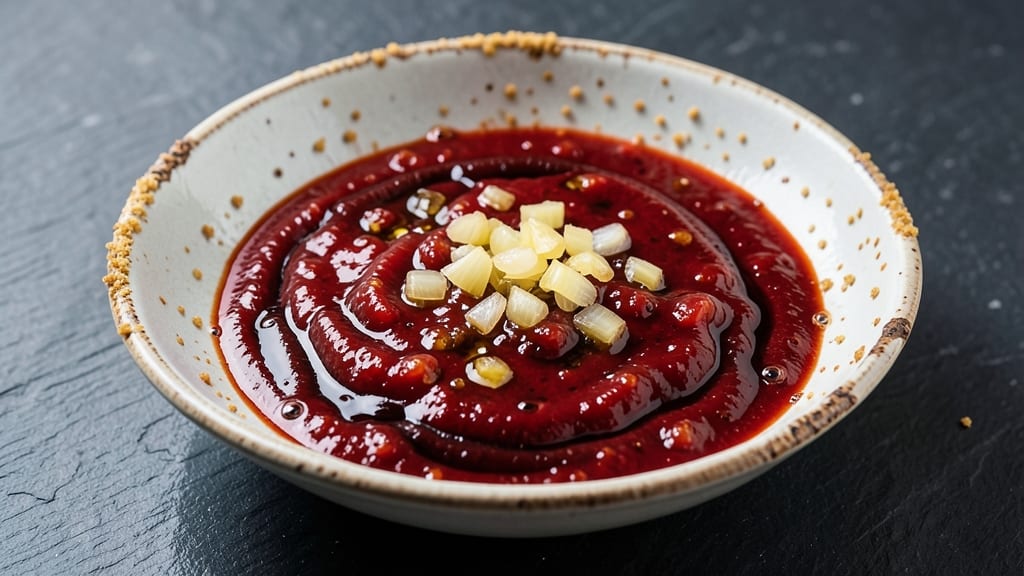
This canned spaghetti sauce recipe for a small batch transforms pantry staples into rich, restaurant-worthy flavor without the bulk. I developed it after realizing most small-batch recipes either taste flat or require fresh ingredients.
The secret? A slow simmer that deepens tomato flavor while keeping prep simple—just 15 minutes of active time for a sauce that lasts weeks.
What makes this sauce special is its balance of sweetness, acidity, and umami. Crushed tomatoes form the base, while garlic, onion, and a splash of red wine vinegar create complexity.
Optional ground beef adds heartiness, but the vegetarian version is just as satisfying. The sauce thickens naturally as it simmers, creating that perfect consistency for pasta or lasagna layers.
By the time you're done, you'll have a small batch of sauce that's perfect for meal prep—store it in the fridge for up to 5 days or freeze for 3 months. The rich tomato flavor intensifies over time, making it ideal for busy weeks.
Whether you're tossing it with spaghetti or using it as a pizza base, this sauce delivers restaurant-quality depth without the mess.
Here's the best part: you can adjust seasonings to taste, so it's always customizable. Let's get started!
Ingredients for canned spaghetti sauce recipe small batch
Eleven pantry staples create restaurant-quality sauce with zero fuss.
| Ingredient | Amount | Notes |
|---|---|---|
| Crushed Tomatoes (40 oz can) 🍅 | 1 can | San Marzano preferred for sweetness |
| Yellow Onion 🧅 | 1 whole | Finely diced, about 1 cup |
| Garlic Cloves 🧄 | 4 cloves | Minced, not powdered |
| Red Wine Vinegar 🍷 | 1 tbsp | Brightens flavor dramatically |
| Extra-Virgin Olive Oil 🫒 | 2 tbsp | For richness and depth |
| Tomato Paste 🍅 | 2 tbsp | Squeeze tube or canned |
| Ground Black Pepper 🌶️ | ½ tsp | Freshly cracked preferred |
| Diamond Crystal Kosher Salt 🧂 | 1 tsp | Adjust to taste |
| Dried Oregano 🌿 | 1 tsp | Mexican oregano if available |
| Ground Beef (optional) 🥩 | ½ lb | 80% lean, browned first |
| Fresh Basil Leaves 🌿 | ¼ cup | Chopped, for garnish |
The tomatoes are the foundation—San Marzano gives you that perfect balance of sweetness and acidity, but any good crushed tomatoes work. I always grab the 40 oz can from Trader Joe's or Whole Foods because it's cheaper per ounce and keeps for months. For the onion, yellow is classic, but red adds a subtle sweetness. Garlic? Freshly minced beats powder every time—30 seconds in a microplane makes this step effortless. The red wine vinegar might seem odd, but trust me, that 1 tablespoon cuts through the richness and brightens everything.
No ground beef? No problem—this sauce is just as good vegetarian. If you're using beef, brown it first in a skillet with olive oil, then drain the fat. The tomato paste is non-negotiable for thickness, but if you're short on time, 1 extra tablespoon of crushed tomatoes works in a pinch. For the oregano, Mexican oregano has a deeper, earthier flavor than Italian—worth hunting down at a Latin market. The basil is optional but adds that fresh finish. Store-bought dried basil works if you're in a hurry, but fresh is always better if you've got it.
This sauce tastes even better the next day as flavors meld. Store in an airtight container in the fridge for up to 5 days or freeze for 3 months. I like to portion it into 1-cup containers for easy meal prep—perfect for tossing with pasta or layering in lasagna. If it thickens too much, just add a splash of water or broth when reheating. The beauty of this recipe? It's customizable—add a pinch more salt, more vinegar, or even a dash of sugar to balance acidity.
Why You'll Love This Recipe
- Here’s what sold me: that bright red wine vinegar. A tablespoon cuts through the richness of the tomatoes and adds this je ne sais quoi—like a little umami punch. Simmer it in, and suddenly your sauce tastes restaurant-worthy, not canned. The olive oil finish? Pure satisfaction.
- Five-Ingredient Magic: I swear by this—just tomatoes, onion, garlic, a splash of vinegar, and olive oil. That’s it. No fancy pantry trips, no last-minute store runs. The crushed tomatoes do all the heavy lifting while I chop one onion and three garlic cloves (yes, really). Honestly, it’s the kind of recipe that makes me feel like a chef without the stress.
- Wine Vinegar Secret: Here’s what sold me: that bright red wine vinegar. A tablespoon cuts through the richness of the tomatoes and adds this je ne sais quoi—like a little umami punch. Simmer it in, and suddenly your sauce tastes restaurant-worthy, not canned. The olive oil finish? Pure satisfaction.
- Weeknight to Potluck: Between us, this sauce is my go-to for everything. Too tired for dinner? Toss it with pasta. Hosting friends? Slather it on bruschetta. Freeze half for when you’re too wiped to cook. I’ll be real: it’s the only sauce I make that works for spaghetti, meatball subs, and as a marinara for grilled chicken. That’s versatility.
Step-by-step instructions for canned spaghetti sauce small batch
Here's how to transform pantry staples into rich, restaurant-quality sauce with minimal effort.
Sauté Onions and Garlic to Build Flavor
Heat the 2 tablespoons extra-virgin olive oil in a large saucepan over medium heat. Add the finely diced yellow onion and cook for 5-6 minutes until softened and translucent. You'll smell the sweetness developing—that's your cue it's ready.
Push the onions to the side of the pan and add the 4 minced garlic cloves. Stir for 30 seconds until fragrant but not browned. This quick cooking preserves the garlic's sweetness rather than letting it turn bitter. Don't walk away—garlic burns faster than you think.
Stir in Vinegar and Tomato Paste
Pour in the 1 tablespoon red wine vinegar and stir vigorously for 1 minute. This brightens the sauce and cuts through the richness. The vinegar will bubble slightly as it reacts with the onions and oil.
Add the 2 tablespoons tomato paste and stir to combine completely. Cook for 2-3 minutes until the paste darkens slightly and coats the onions. This step deepens the sauce's color and intensifies the tomato flavor—don't skip it, even though it seems simple.
Add Crushed Tomatoes and Seasonings
Pour in the 1 can crushed tomatoes and stir well to incorporate all the flavors. Add the 1 teaspoon dried oregano, ½ teaspoon ground black pepper, and 1 teaspoon kosher salt. If using the optional ½ pound ground beef, add it now and cook for 5 minutes until browned.
Bring the sauce to a gentle simmer over medium-low heat. Partially cover and let it cook for 20-25 minutes, stirring occasionally. You want the sauce to thicken slightly and develop a rich, concentrated tomato aroma. If it gets too thick, add 2-3 tablespoons water to loosen it.
Simmer to Perfect Consistency
After the initial simmer, reduce heat to low and let the sauce cook uncovered for another 15-20 minutes. This final stage allows flavors to meld and the sauce to develop depth. Taste and adjust seasoning—you might need a bit more salt or pepper depending on your tomatoes.
For the finishing touch, stir in the ¼ cup chopped fresh basil leaves during the last 5 minutes of cooking. The heat will release their aromatic oils, giving your sauce that fresh, bright finish. Remove from heat immediately after adding basil to preserve its vibrant color and flavor.
Rest and Serve with Confidence
Let the sauce rest for 10 minutes before serving. This resting period allows flavors to fully develop and the sauce to thicken slightly as it cools. The texture should be rich but still spoonable—perfect for tossing with al dente pasta.
Ladle the warm sauce over your cooked spaghetti and garnish with additional fresh basil if desired. Each bite should deliver layers of sweet tomatoes, aromatic garlic, bright vinegar, and herby basil. The sauce should coat the pasta beautifully without being watery, proving that simple ingredients can create extraordinary results.
Pro Tips For Making Canned Spaghetti Sauce Recipe Small Batch
- Sweat the Onion First: I learned this the hard way—dumping raw onion into the pot with tomatoes means it’ll just sit there like a waterlogged sponge. Instead, slice the onion thin and cook it in olive oil over medium heat until the edges turn translucent and it smells sweet. That’s when it releases its flavor properly.
- Crush the Garlic: Minced garlic burns faster than you think, especially when you’re simmering tomatoes. Use a flat side of your knife to smash 3-4 cloves into thin slices or even a paste—this way, they’ll soften into the sauce without turning bitter. (Yes, even if you’re impatient like me.)
- Simmer Low and Slow: Skipping the 20-30 minute simmer is what turns canned sauce into something sad. Keep the heat at a bare simmer—you should barely see bubbles—to let the flavors meld. I used to rush it, and the sauce always tasted one-dimensional.
- Balance the Vinegar: Red wine vinegar brightens the sauce, but too much makes it taste like a salad dressing. Start with 1 tablespoon, taste, then add another if needed. The goal is a hint of tang, not a mouthful. (Your future self will thank you.)
Troubleshooting great canned spaghetti sauce recipe small batch
Sauce Too Thin?
If your sauce ends up watery, it’s likely because the tomatoes didn’t reduce enough. Start by simmering uncovered for an extra 10-15 minutes on low heat—this evaporates excess moisture without burning.
For faster results, stir in 1 tablespoon tomato paste or ½ cup diced potatoes (they’ll absorb liquid as they cook). My trick? A 1-minute blitz with an immersion blender thickens it instantly by breaking down fibers. 💫
Sauce Too Thick?
Over-reduced sauce is easily fixed. Add 2-3 tablespoons water or broth while stirring, then return to a gentle simmer for 5 minutes to let flavors rebalance. For a smoother texture, mash a small potato into the sauce—it dissolves beautifully.
If you’re using it for lasagna, a thicker consistency is ideal, but for pasta, aim for a spoonable but pourable texture.
Flat or Bland Flavor
This usually means the acidity or umami is missing. Boost brightness with ½ teaspoon more red wine vinegar or 1 teaspoon balsamic vinegar. For depth, stir in 1 teaspoon soy sauce or ½ teaspoon fish sauce (trust me, it disappears but adds complexity).
If the tomatoes taste dull, swap in 1 tablespoon tomato paste or a pinch of sugar to balance acidity. 🌶️
Meat Too Greasy
If using ground beef, drain excess fat after browning—leave it in the pan for 2 minutes to render, then pour into a bowl lined with a paper towel. For a leaner sauce, use 90% lean ground beef or sub with lentils (½ cup cooked).
The fat is flavorful but can overwhelm the sauce if overdone. Skim fat while simmering if needed.
Sauce Separates
This happens when starches (like from onions) settle. Stir vigorously while simmering, then add 1 tablespoon cornstarch mixed with 2 tablespoons water to bind the sauce. For a smoother texture, blend the entire sauce briefly—it’ll look silky and professional. If storing, cool quickly in an ice bath to prevent separation.
Storage Issues
Sauce turning moldy? It likely sat too long at room temperature. Always cool sauce in a wide, shallow container (never deep) to speed chilling. Freeze in 1-cup portions for easy thawing—label with dates!
If reheating, warm slowly on low heat to prevent skin formation. For extra insurance, add ½ teaspoon citric acid before storing to extend shelf life.
Nutrition facts
Frequently asked questions
Can I make this sauce without ground beef?
This recipe works beautifully as a vegetarian sauce. Simply omit the beef and increase the simmering time by 5 minutes to let the flavors concentrate. For extra protein, add ½ cup cooked lentils or ½ cup diced mushrooms when you add the tomatoes. The sauce will still be rich and satisfying.
How do I adjust the recipe for a smaller batch?
This recipe is already designed for a small batch, but you can halve it easily! Use ½ of the can of crushed tomatoes (about 20 oz) and reduce all other ingredients proportionally. Cooking times will stay the same, but keep an eye on the sauce to prevent over-reduction. The key is maintaining the same ratios of aromatics to tomatoes.
Can I use this sauce for dishes other than spaghetti?
This versatile sauce works perfectly for lasagna, baked ziti, or even as a pizza sauce base! For lasagna, spread it between layers of noodles and cheese. For pizza, use it as the foundation and top with your favorite toppings. The rich tomato flavor also makes it great for dipping breadsticks or pairing with grilled meats.
Why does the recipe call for red wine vinegar?
The red wine vinegar adds brightness and complexity that balances the richness of the tomatoes and meat. It cuts through any bitterness and enhances the overall depth of flavor. If you don't have red wine vinegar, you can substitute with 1 teaspoon balsamic vinegar or ½ teaspoon lemon juice, though the flavor will be slightly different.
How do I store leftovers to keep them fresh?
Let the sauce cool completely before transferring to an airtight container. It keeps in the fridge for up to 5 days or in the freezer for 3 months. For freezing, portion into 1-cup containers for easy use. When reheating, warm gently on the stove or microwave until bubbly. Avoid reheating multiple times to maintain quality.