
Sauces & Condiments
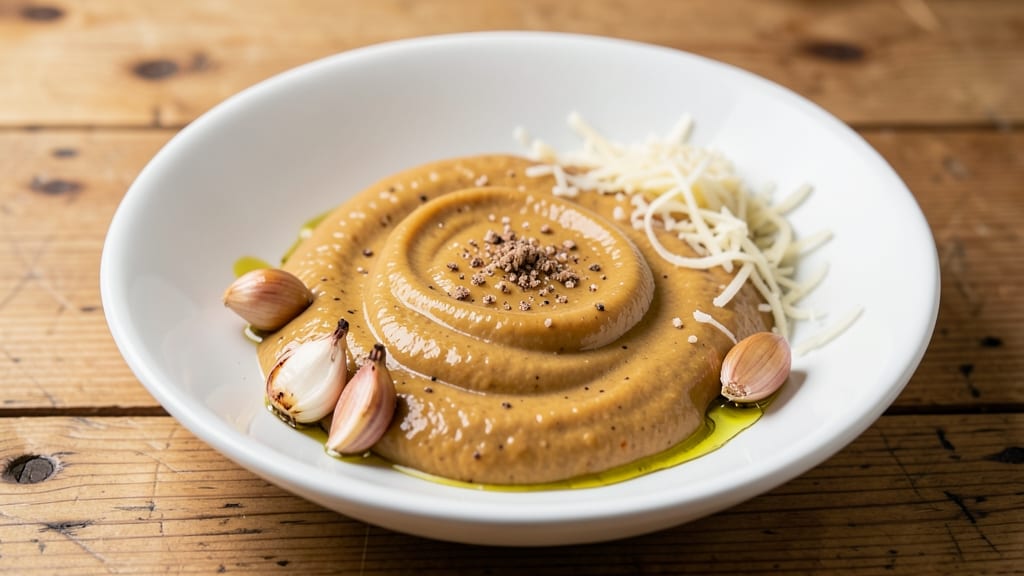
This small-batch alfredo sauce recipe delivers restaurant-quality creaminess in just 15 minutes—no cooking required. The secret lies in a perfect balance of butter, cream, and Parmesan, emulsified into a velvety sauce that clings to every strand of pasta.
I developed this version after perfecting it for solo dinners, where leftovers meant wasted sauce. Now, you’ll get exactly what you need without the hassle of scaling up.
What sets this recipe apart is its foolproof emulsification technique—no lumps, no graininess, just silky perfection. We’re using heavy cream and butter for richness, but the real magic happens with freshly grated Parmesan, which adds depth and prevents the sauce from becoming too heavy.
The key is patience: let the cheese melt slowly into the warm cream, then whisk until it transforms into a glossy, clingy sauce. This method ensures your sauce stays smooth even after reheating.
By the time you’re done, you’ll have a small batch of ultra-creamy alfredo that’s ideal for 2 servings of fettuccine or as a luxurious topping for grilled chicken or seafood.
The sauce thickens as it cools, so it’s perfect for meal prep—just reheat with a splash of milk or cream to restore its velvety texture. Store leftovers in the fridge for up to 3 days or freeze for 1 month to enjoy another creamy meal later.
For extra flavor, stir in a clove of minced garlic or a pinch of nutmeg while the sauce is still warm. If you’re watching your fat intake, swap half the butter for olive oil or use a light cream substitute.
This sauce is versatile enough to elevate simple weeknight dinners into something special—without the fuss of traditional cooking methods.
Ingredients for alfredo sauce recipe small batch
Eight essential ingredients transform into velvety alfredo magic—no cooking required.
| Ingredient | Amount | Notes |
|---|---|---|
| Unsalted Butter 🧈 | ½ cup | Cold, cubed for easy melting |
| Heavy Cream 🥛 | 1 cup | Full-fat for maximum creaminess |
| Freshly Grated Parmesan Cheese 🧀 | 1 cup | From a high-quality wedge |
| Extra-Virgin Olive Oil 🫒 | 1 tbsp | For emulsification stability |
| Garlic Cloves 🧄 | 1 whole | Minced, optional for flavor |
| Ground Nutmeg 🌿 | ¼ tsp | Freshly grated preferred |
| Diamond Crystal Kosher Salt 🧂 | ¼ tsp | Fine grain for balance |
| Freshly Ground Black Pepper 🌶️ | ⅛ tsp | For subtle seasoning |
The butter and cream are non-negotiable for that signature richness. European-style butter like Plugrá or Land O'Lakes has higher fat content, which matters here. I grab mine from Whole Foods or Trader Joe's—their organic heavy cream is perfect. For the Parmesan, Parmigiano-Reggiano from a wedge makes all the difference—pre-grated just won't cut it. Look for cheese that's aged at least 12 months for maximum depth. The olive oil acts as our emulsifier, so a high-quality extra-virgin like California Olive Ranch is worth the investment (or use whatever you've got that's fruity and peppery).
No heavy cream? Full-fat coconut milk works surprisingly well—just make sure it's chilled first. Short on butter? Swap half for olive oil, though the texture will be slightly lighter. Want to cut dairy further? Cream cheese blended with milk mimics some of the fat content. The garlic and nutmeg are optional but add serious depth—fresh nutmeg is ideal, but pre-ground works in a pinch. If you're watching salt, taste as you go—the Parmesan already packs some punch. For extra flavor without extra fat, a splash of pasta water at the end helps bind everything together.
This sauce thickens as it cools, so reheat with a splash of milk or cream to restore its velvety texture. Keeps 3 days in the fridge or 1 month frozen—portion into ice cube trays for easy use. The butter cubes melt beautifully when reheated, so no need to worry about graininess. For meal prep, I make double batches and freeze half—perfect for lazy weeknights when you just want restaurant-quality flavor without the effort.
Why You'll Love This Recipe
- Here’s what sold me: that first bite where the garlic’s sharp kick meets the creamy richness of the heavy cream, then the nutty, salty punch of freshly grated Parmesan. It’s the kind of flavor that makes you close your eyes and think, “Why didn’t I do this sooner?”—especially when you’re drowning fettuccine in it.
- No-Fuss Small Batch: I swear by this recipe because it’s the only Alfredo I’ve ever made that doesn’t involve standing over a pot for 20 minutes. Just melt butter, toss in garlic, then whisk in the cream and Parmesan—no lumps, no stress, no waiting for the sauce to thicken like glue.
- Garlic-Parmesan Magic: Here’s what sold me: that first bite where the garlic’s sharp kick meets the creamy richness of the heavy cream, then the nutty, salty punch of freshly grated Parmesan. It’s the kind of flavor that makes you close your eyes and think, “Why didn’t I do this sooner?”—especially when you’re drowning fettuccine in it.
- Weeknight or Date Night: Between us, this sauce is my secret weapon for when I’m too tired to impress but still want to feel like I did. Drown some pasta in it for a lazy Tuesday, or drizzle it over grilled chicken for a fancy-ish dinner that takes less effort than ordering takeout.
Step-by-step instructions for ultra-creamy no-cook alfredo sauce
This method delivers velvety perfection without boiling—just melt, whisk, and enjoy.
Melt Butter and Infuse with Garlic
In a medium saucepan, melt the 0.5 cup unsalted butter over low heat until fully liquid but not browned—about 2-3 minutes. The butter should foam gently but not bubble. Here's the thing—low heat prevents burning while allowing the butter to release its rich flavor.
Add the 1 whole garlic cloves, minced, to the melted butter and cook for 30 seconds until fragrant. You'll smell that sweet, nutty aroma—this is where the sauce gets its subtle depth. Remove the pan from heat immediately after the garlic cooks to prevent burning, which would make the sauce bitter.
Whisk in Parmesan and Olive Oil
Return the pan to low heat and gradually whisk in the 1 cup freshly grated Parmesan Cheese and 1 tbsp extra-virgin olive oil. Start with a slow drizzle of the cheese to prevent clumping—this is critical for a smooth sauce. The olive oil helps emulsify the mixture, creating that signature creamy texture without needing to cook.
Whisk continuously for 2-3 minutes until the cheese melts completely and the mixture becomes smooth. You'll notice the sauce thicken slightly as the cheese fat incorporates. If you see any lumps, strain the sauce through a fine-mesh sieve for absolute silkiness. This step is where the magic happens—patience ensures no grainy bits remain.
Incorporate Cream and Seasonings
Temporarily remove the pan from heat and let it cool for 1 minute—this prevents the heavy cream from curdling when added. Slowly pour in the 1 cup heavy cream while whisking vigorously. Return the pan to low heat and continue whisking for 3-4 minutes until the sauce thickens to a velvety consistency.
Add the 0.25 tsp ground nutmeg, 0.25 tsp Diamond Crystal kosher salt, and 0.125 tsp freshly ground black pepper. Taste and adjust seasoning—this is your chance to balance flavors. The nutmeg adds warmth, salt enhances depth, and pepper provides a subtle kick. The sauce should coat the back of a spoon smoothly, with no separation or graininess.
Finish and Serve Immediately
Remove the sauce from heat and let it sit for 1-2 minutes to thicken slightly more. The residual heat will continue to work the sauce into its final texture. If the sauce is too thick, whisk in 1-2 tablespoons of warm pasta water to reach your desired consistency—this is especially helpful if you're serving it over al dente noodles.
Serve the sauce immediately over your choice of pasta or as a creamy dip. The sauce should cling beautifully to the noodles, with a glossy sheen and a luxurious mouthfeel. If storing, refrigerate in an airtight container for up to 3 days, but reheat gently over low heat with a splash of warm water to restore its creamy texture.
Pro Tips For Making Alfredo Sauce Recipe Small Batch
- Melt Butter Slowly: Start with medium-low heat—high heat burns butter before the cream even enters the picture. I’ve seen this happen more times than I’d like to admit, and the result is a sauce that tastes like regret.
- Use Cold Heavy Cream: Pour the cream into the butter after it’s melted but still liquid—never hot. Cold cream tempers the sauce and prevents curdling, which is the last thing you want when you’re this close to perfection.
- Grind Parmesan Fresh: Pre-shredded cheese has anti-caking agents that make your sauce grainy. Grate your own using the large holes of a box grater right before mixing—it’s a little extra work, but the texture is worth it.
- Infuse Garlic Without Browning: Sauté minced garlic in olive oil for 30 seconds until fragrant, then remove it immediately. Let it cool slightly before adding to the sauce—browned garlic turns bitter and overpowers the creamy richness.
Essential equipment for great alfredo sauce recipe small batch
Saucepan Essentials
Start with a medium stainless steel saucepan—I swear by All-Clad or Calphalon for even heat distribution. A 3-quart capacity is perfect for this small batch, giving you enough room to whisk without splattering.
If you don’t have stainless steel, a heavy-bottomed enameled cast iron like Le Creuset works beautifully too. Avoid thin, reactive metals like copper or aluminum—they can alter the sauce’s flavor over time. 🌡️
Whisk for Emulsification
A balloon whisk is your best friend here—its wide head creates air pockets that help emulsify the sauce smoothly. I use a OXO Good Grips because it’s lightweight yet sturdy.
If you’re in a pinch, a French whisk or even a hand mixer on low speed works, but whisking by hand gives you more control over the texture. The key is constant motion—don’t let the cheese sit in the pan too long or it’ll seize up.
Fine-Mesh Sieve
For that restaurant-quality smoothness, a fine-mesh sieve is non-negotiable. I keep a Heston Blumenthal-designed one from Amazon—it’s affordable and does the job perfectly. Strain the sauce if you see even the tiniest lumps, especially after adding the Parmesan.
This step ensures your sauce is silky, not grainy. If you don’t have a sieve, a cheesecloth or even a clean kitchen towel layered over a bowl works in a bind.
Measuring Tools
Precision matters with this sauce, so grab a stainless steel measuring cup and a small spoon for the spices. I love Weck’s glass measuring cups—they’re durable and easy to read.
For the Parmesan, a microplane or box grater is ideal, but if you’re using pre-grated, make sure it’s freshly grated (the stuff in the green can sits for months and loses flavor).
A digital kitchen scale isn’t necessary, but it’s handy if you want to measure the cheese by weight for consistency.
Storage Containers
For leftovers, airtight glass containers are your best bet—I use Pyrex with snap-on lids. They’re microwave-safe and won’t absorb odors like plastic. If you’re freezing the sauce, silicone ice cube trays are a game-changer. Portion the sauce into 1-tablespoon cubes, freeze solid, then transfer to a ziplock bag.
This way, you can thaw just what you need for a quick meal. Label the bag with the date—trust me, you’ll forget otherwise! ❄️
Nutrition facts
Frequently asked questions
Can I make this alfredo sauce without heavy cream?
Yes! For a lighter version, replace the heavy cream with 1 cup whole milk or ½ cup milk + ½ cup Greek yogurt (thinned with water if too thick). The sauce will be slightly less rich but still creamy. For a dairy-free option, use full-fat coconut milk—just whisk it in slowly to prevent curdling. The texture will be smoother if you strain it afterward.
Why did my sauce turn grainy or separate?
Graininess usually happens when cheese isn't melted fully or added too quickly. To fix it, whisk in 1-2 tablespoons of warm water or pasta water while the sauce is still warm, then strain through a fine-mesh sieve. For separation, gently reheat the sauce on low heat while whisking constantly—this helps re-emulsify the fats. Always whisk continuously when adding cheese to prevent lumps.
How do I adjust the thickness for different pasta types?
This sauce thickens as it cools, so reheat with a splash of milk or warm water if needed. For thin noodles like angel hair, thin the sauce slightly with 1-2 tablespoons of pasta water before serving. For thick pasta like fettuccine, the sauce may need no adjustment—it should coat the noodles beautifully. If storing, the sauce will thicken further; thin it with liquid when reheating.
Can I make this sauce ahead of time?
Store leftovers in an airtight container in the fridge for up to 3 days. To reheat, warm gently on low heat with a splash of warm milk or cream to restore creaminess. For longer storage, freeze in 1-tablespoon portions (using ice cube trays) for up to 1 month
What can I serve with this small-batch alfredo?
This creamy sauce pairs perfectly with fettuccine or linguine, but don’t limit yourself! Try it over grilled chicken or salmon, as a dip for garlic bread or crusty breadsticks, or even as a topping for baked potatoes or roasted veggies. For extra flavor, toss in sautéed mushrooms, spinach, or sun-dried tomatoes at the end. The sauce’s richness works well with both savory and slightly sweet ingredients.