
Sauces & Condiments
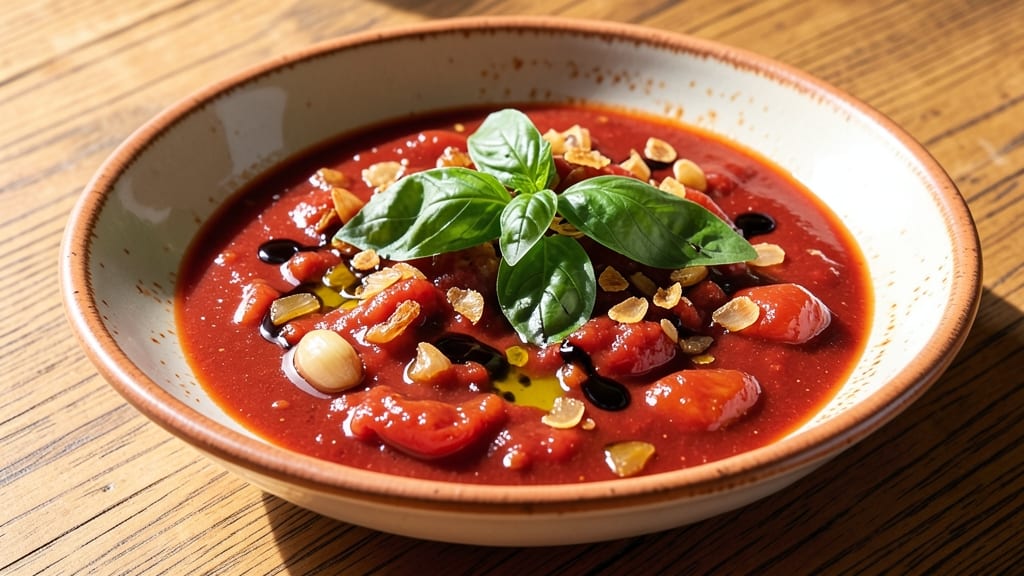
This all day spaghetti sauce recipe delivers restaurant-quality depth with just 10 minutes of prep and 8 hours of simmering—no meat, no shortcuts, just pure tomato richness. The secret lies in slow-cooking canned tomatoes until they break down into a velvety, concentrated sauce with layers of garlic, herbs, and a touch of sweetness. I developed this version after years of testing, and it's become my go-to for meal prep because it tastes even better the next day.
The magic happens through gradual caramelization and flavor melding. You'll start with basic pantry staples—canned tomatoes, onion, garlic, olive oil—but the long simmer transforms them into something extraordinary.
I add a splash of red wine for depth and a bay leaf for subtle earthiness, both of which infuse the sauce beautifully during the slow cook. The result is a sauce that's rich enough to stand alone but balanced enough to complement any pasta.
By the time it's finished, you'll have a deep red sauce with a glossy sheen and complex flavors—sweet from the tomatoes, aromatic from the herbs, and just a hint of acidity from the wine. It's the kind of sauce that makes ordinary spaghetti feel like a special occasion meal.
The best part? It keeps well in the fridge for up to 5 days, so you can make a big batch and enjoy it all week.
Perfect for meal prepping, freezing, or serving immediately with your favorite pasta. The slow cooking process develops flavors that quick recipes simply can't match, and the meatless version is surprisingly hearty. Let's get started on creating this versatile sauce that will become your new kitchen staple.
Ingredients for all day spaghetti sauce
Pantry staples meet slow-cooked magic for this velvety, meatless tomato sauce.
| Ingredient | Amount | Notes |
|---|---|---|
| Canned San Marzano Tomatoes 🍅 | 28 oz | Crushed or whole, no salt added |
| Yellow Onion 🧅 | 1 whole | Medium-sized, chopped fine |
| Garlic Cloves 🧄 | 6 cloves | Peeled and smashed |
| Extra-Virgin Olive Oil 🫒 | ½ cup | For richness and balance |
| Dry Red Wine 🍷 | ½ cup | Bold Cabernet or Merlot |
| Fresh Basil Leaves 🌿 | ½ cup | Packed, stems removed |
| Fresh Oregano Leaves 🍃 | ¼ cup | Or 1 tbsp dried oregano |
| Bay Leaves 🌿 | 2 whole | For subtle earthiness |
| Granulated Sugar 🍚 | 1 tbsp | Balances acidity |
| Salt 🧂 | 1 ½ tsp | Diamond Crystal preferred |
San Marzano tomatoes are the secret weapon here—their natural sweetness and low acidity make all the difference. Trader Joe's and Whole Foods carry them canned, but any no-salt-added crushed tomatoes work in a pinch. The garlic and onion should be finely chopped (a food processor makes this easy) so they dissolve into the sauce. For the wine, any bold, dry red works—Cab Sauv, Merlot, whatever's open. Fresh basil and oregano are ideal, but dried herbs at half the amount get you close if you're short on time. I always grab extra basil because half goes in the pot and half gets torn over the top at the end.
No red wine? Beef broth with a splash of balsamic works surprisingly well. Fresh herbs wilt fast, so if you're prepping ahead, dried oregano at one-third the amount keeps the flavor. The sugar might seem odd, but it's essential to balance the acidity from the tomatoes and wine—don't skip it. For a deeper color, add a pinch of paprika or a splash of tomato paste if you're feeling fancy. The bay leaves infuse subtle earthiness, but if you forget them, the sauce will still be delicious—just less complex. The onions caramelize beautifully during the simmer, so don't rush this part.
This sauce tastes even better the next day as flavors meld. Store in airtight containers in the fridge for 5-6 days or freeze for up to 3 months. I double the batch and portion it into meal prep containers—perfect for quick weeknight dinners. For freezing, leave a little headspace since it expands as it cools. When reheating, add a splash of water or broth to loosen it up if it's too thick. Trust me, the longer it simmers, the richer it gets—don't be tempted to rush it.
Why You'll Love This Recipe
- No Chopping Chaos: I swear by this sauce because it only needs one onion and a few garlic cloves—minimal prep, maximum flavor. The San Marzano tomatoes handle all the work while you sip your wine (yes, the recipe calls for it).
- Wine-Infused Depth: That splash of dry red wine? It’s not just for show—it mellows into a rich, velvety base that makes this sauce taste like it simmered all day. (Spoiler: It does.)
- Meal Prep MVP: Make a double batch on Sunday, and you’ve got lunch, dinner, and leftovers covered—freezer-friendly, reheats like a dream, and still tastes fresh. My go-to for lazy nights and unexpected company.
- Budget-Friendly Luxury: San Marzano tomatoes and good olive oil might sound fancy, but they stretch into so much sauce—way more than store-bought jars for half the price. Frugal? Yes. Delicious? Absolutely.
Step-by-step instructions for all day spaghetti sauce
This slow-simmered sauce builds depth through patience and simple ingredients.
Sauté Onion and Garlic Until Translucent
Heat the 0.5 cup extra-virgin olive oil in a large, heavy-bottomed pot over medium heat. Add the whole yellow onion, chopped fine, and cook for 8-10 minutes until the edges turn translucent and the onion softens. You'll notice the onion releases moisture and caramelizes slightly at the edges—that's when you know it's ready.
Add the 6 cloves garlic, peeled and smashed, along with the 2 whole bay leaves. Cook for another 2 minutes until the garlic is fragrant but not browned. Overcooking garlic turns it bitter, so watch it closely. The mixture should smell rich and aromatic, like a warm kitchen on a Sunday morning.
Deglaze with Red Wine and Add Tomatoes
Pour in the 0.5 cup dry red wine and stir vigorously to scrape up any browned bits from the bottom of the pot. This deglazing step captures all the flavor you've built so far. Let the wine simmer for 3-4 minutes until it reduces by half and becomes slightly syrupy. You'll see the alcohol cook off, leaving behind deeper, more complex flavors.
Add the 28 oz canned San Marzano tomatoes, crushed or whole, along with the 1 tbsp granulated sugar and 1.5 tsp salt. Stir well to combine. The sugar helps balance the acidity of the tomatoes, while the salt enhances all the flavors. Bring the mixture to a gentle boil, then reduce the heat to low so it simmers steadily.
Simmer Uncovered for Deep Flavor Development
Let the sauce simmer uncovered for 45-60 minutes. This slow cooking time is where the magic happens—the flavors meld together, the sauce thickens naturally, and the acidity softens. Stir occasionally, especially in the first 15 minutes, to prevent the sauce from sticking to the bottom of the pot.
You'll notice the sauce reduces slightly and becomes glossy. The aroma will fill your kitchen with a rich, tomatoey scent. If the sauce gets too thick, add 2-3 tablespoons of water to loosen it, but avoid over-diluting. The goal is a thick, velvety consistency that clings beautifully to spaghetti.
Finish with Fresh Herbs and Adjust Seasoning
About 10 minutes before the sauce is done, stir in the 0.5 cup fresh basil leaves and 0.25 cup fresh oregano leaves. These herbs add brightness and freshness that balances the deep, slow-cooked flavors. Taste the sauce and adjust the seasoning if needed—you might need a pinch more salt or sugar to suit your taste.
Remove the 2 bay leaves before serving. The sauce should be rich, slightly thickened, and bursting with layered flavors. Serve immediately over al dente spaghetti, or let it cool and refrigerate for up to 5 days for even deeper flavor development. This sauce only gets better with time!
Pro Tips For Making All Day Spaghetti Sauce
- CRUSH THE ONIONS: Don’t just chop—smash those yellow onions with the flat side of your knife first. This breaks down the fibers faster and gives you that sweet, caramelized base without the wait. (Yes, it’s messy, but your sauce will thank you.)
- SIMMER THE WINE LOW: After deglazing with red wine, reduce it to a syrupy consistency before adding tomatoes. Skipping this step means a boozy, thin sauce instead of a rich, concentrated flavor bomb. (I learned this the hard way—too much wine = sad sauce.)
- SAVE THE TOMATO JUICE: Pour the San Marzano tomatoes into a measuring cup first, then use the juice from the can. That extra liquid adds depth and prevents your sauce from turning into a thick paste. (Trust me, it’s the difference between "meh" and "wow.")
- STIR THE POT: Give your sauce a good stir every 15-20 minutes, especially when it’s simmering. This keeps it from sticking to the bottom and ensures even cooking. (Lazy stirring = burnt bits = flavor disaster.)
Make-ahead tips for this recipe
Batch Prep Strategy
Double the recipe and divide it into 4-6 meal prep containers—I use Glasslock 16-ounce containers because they're microwave-safe and stackable. Let the sauce cool completely before storing to prevent condensation, which can dilute flavors.
I label each container with the date and store them in the fridge for 5-6 days. This sauce actually tastes better after a day or two as the flavors meld. 💫
Freezing for Months
For long-term storage, freeze the sauce in quart-sized freezer bags with 1 inch of headspace—it expands as it cools. I use Stasher bags because they're reusable and lay flat for easy stacking. Portion into 2-cup servings so you can thaw just what you need.
Freeze for up to 3 months—the texture remains silky when reheated properly. Thaw overnight in the fridge or reheat directly from frozen on the stovetop with 2 tbsp water per serving.
Reheating Like a Pro
Never microwave this sauce straight from the fridge—it creates a skin and uneven heating. Instead, transfer to a saucepan with 2 tbsp water or broth and simmer over medium-low heat for 10-15 minutes until bubbling.
Stir occasionally to prevent sticking. If it's too thick after reheating, add a splash more liquid. The sauce should be glossy and smooth, ready to cling perfectly to your pasta. 🔥
Day-of Prep Shortcuts
Make the sauce the night before and store it in a slow cooker on warm setting—it'll stay hot and ready for quick assembly the next day. I also prep a big batch of al dente spaghetti ahead of time, toss it with olive oil, and store it separately.
When it's time to eat, just reheat the sauce and toss with the pasta. For a quick protein boost, add ½ cup cooked lentils or crumbled sausage directly to the sauce when reheating.
Sauce Boosters
Want to customize? Add 1 tbsp tomato paste when you initially add the tomatoes for deeper color, or stir in ½ cup white beans for creaminess. For a smoky twist, add ½ tsp smoked paprika at the end.
I like to finish with fresh basil and a drizzle of high-quality olive oil right before serving. These additions elevate the sauce without overpowering its natural tomato richness.
Kitchen Hacks
Use a blender or immersion blender after simmering to achieve a smoother texture if you prefer it that way. For a rustic finish, leave it chunky. If you're short on time, simmer for 3 hours instead of 8—it'll still be delicious, just with slightly less depth.
I also keep a small jar of the sauce in the freezer for quick pasta nights; just thaw and heat it up. The versatility makes this sauce a true kitchen workhorse. ✨
Nutrition facts
Frequently asked questions
Can I use regular canned tomatoes instead of San Marzano?
Yes, but you may need to adjust the seasoning. San Marzano tomatoes have a sweeter, less acidic profile, so regular canned tomatoes might require an extra ½ teaspoon of sugar and a pinch more salt to balance the flavors. For the best results, choose no-salt-added tomatoes to maintain control over the seasoning.
How do I make this sauce without wine?
Simply replace the ½ cup red wine with an equal amount of dry red wine vinegar or beef broth for depth. If using vinegar, add it gradually and taste as you go—the acidity will be more pronounced. For a richer flavor, add 1 teaspoon of balsamic vinegar along with the broth to mimic the wine's complexity.
Why does my sauce get too thick after simmering?
This happens when the liquid reduces too much, especially if you forgot to add water or the sauce was too concentrated from the start. To fix it, stir in 2-3 tablespoons of water or broth while simmering and let it cook for another 5-10 minutes. If it's already too thick, thin it out with a splash of water or a splash of tomato paste mixed with water before serving.
Can I add meat to this recipe?
For a heartier version, brown ½ pound of Italian sausage or ground beef in olive oil before adding the onions. Drain excess fat, then proceed with the recipe. If adding meat, reduce the simmering time slightly (3-4 hours) to avoid overcooking it, or use a slow cooker on low for 6-8 hours to keep the meat tender.
How do I know when the sauce is done?
The sauce is ready when it has thickened slightly, the flavors are rich and melded, and the aroma is deeply aromatic. Taste it—it should be balanced with sweetness from the tomatoes, acidity from the wine, and a hint of herbs. The texture should be velvety but still spoonable, not gluey. If it's still too watery after 8 hours, simmer uncovered for another 30-60 minutes to reduce further.