
Main Courses
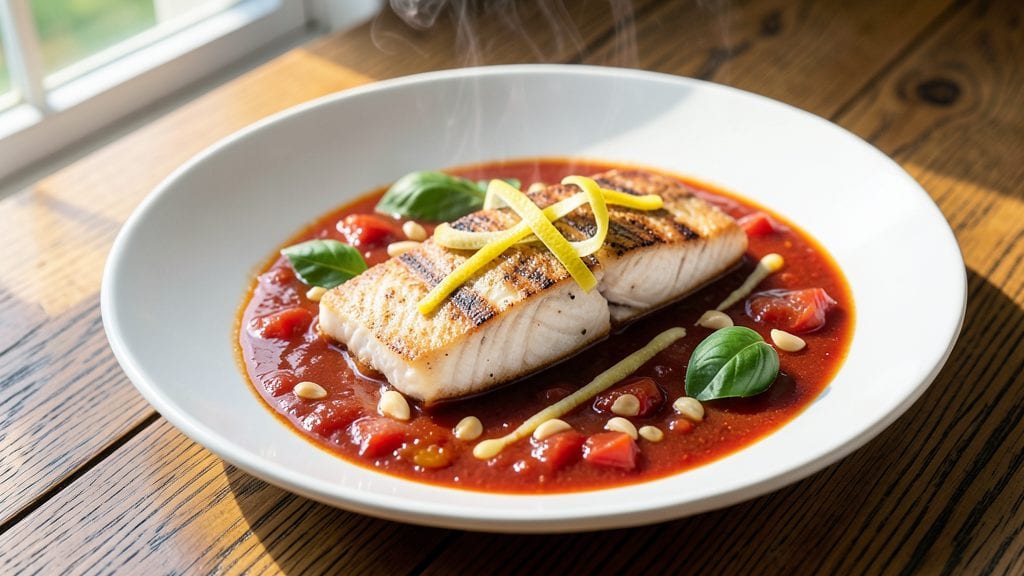
This fish with tomato sauce recipe transforms simple ingredients into a restaurant-worthy dish that balances fresh seafood with rich, aromatic flavors. The secret lies in a slow-simmered tomato-basil sauce that clings to tender fish fillets, creating a harmonious blend of sweet, tangy, and herby notes.
I developed this method after years of testing—it’s the one that finally convinced even the most skeptical seafood lovers to try fish again.
What makes this recipe stand out is the foolproof technique for achieving perfectly cooked fish every time. We’ll use firm white fish like cod or tilapia, which hold their shape beautifully, but the method works equally well with salmon if you prefer richer flavors.
The sauce simmers just long enough to develop depth without losing its brightness, and fresh basil adds that signature Italian touch that elevates everything.
By the end, you’ll have golden, flaky fish swimming in a velvety tomato sauce that’s fragrant with garlic and brightened by lemon. The dish is elegant enough for a dinner party but simple enough for a weeknight, with minimal prep and just 30 minutes of active cooking.
Serve it with crusty bread to soak up every last drop of that luscious sauce—trust me, it disappears fast.
This recipe also works beautifully as a make-ahead meal, as the flavors deepen when reheated. Pair it with a simple green salad or roasted vegetables to round out the plate. Let’s get started on creating this timeless, comforting dish that’s sure to become a staple in your cooking repertoire.
Ingredients for fish with tomato sauce
Fresh seafood meets aromatic tomato sauce in this elegant yet approachable dish.
| Ingredient | Amount | Notes |
|---|---|---|
| Cod Fillets 🐟 | 1 ½ lb | Skin-on, center-cut preferred |
| Extra-Virgin Olive Oil 🫒 | ¼ cup | High-quality, fruity variety |
| Garlic Cloves 🧄 | 5 cloves | Peeled, thinly sliced |
| Canned San Marzano Tomatoes 🍅 | 1 can | 28 oz, crushed by hand |
| Fresh Basil Leaves 🌿 | ½ cup | Packed, stems removed |
| Lemon Juice 🍋 | 2 tbsp | Freshly squeezed |
| Dry White Wine 🍷 | ½ cup | Sauvignon Blanc preferred |
| Diamond Crystal Kosher Salt 🧂 | 1 ½ tsp | For seasoning |
| Freshly Ground Black Pepper 🌶️ | ½ tsp | Coarsely ground |
| Unsalted Butter 🧈 | 2 tbsp | Cold, cubed |
| Crusty Bread 🍞 | 6 slices | For serving |
| Red Bell Pepper 🌶️ | ½ cup | Diced, optional garnish |
The fish selection is critical—cod or tilapia provide the ideal texture, but salmon works beautifully for richer flavor. Opt for center-cut fillets with skin intact to maintain shape during cooking. Whole Foods or your local fishmonger offer the freshest options, or look for previously frozen fillets that have been properly thawed. The tomatoes should be San Marzano for their natural sweetness, and the basil needs to be vibrant green with no yellowing. Trader Joe's often carries excellent fresh basil at reasonable prices, while Costco offers bulk options for frequent cooks. For the wine, any crisp Sauvignon Blanc will do—just ensure it's dry and chilled.
No white wine on hand? Fish or vegetable stock with a splash of vinegar works as a substitute, though the depth of flavor will differ slightly. Fresh basil is non-negotiable for authentic flavor, but if you're short, dried basil at one-third the amount can be used in a pinch. The red bell pepper adds a pop of color and crunch, but it's purely decorative—omit if you prefer a cleaner presentation. For the olive oil, avoid heavily perfumed varieties that might overpower the delicate fish flavors. The butter should be unsalted to control the seasoning precisely, and the kosher salt should be Diamond Crystal or similar for optimal dissolution.
This dish reheats beautifully—simmer gently for 5-7 minutes to restore its velvety texture. Store leftovers in an airtight container in the refrigerator for up to 3 days, though the sauce will thicken slightly upon reheating. For make-ahead convenience, prepare the sauce separately and refrigerate it; add the fish just before serving to maintain its tenderness. The crusty bread should be toasted fresh to ensure optimal texture, and it's best served immediately alongside the dish. Freeze any unused sauce for up to 3 months, though the fish should always be cooked fresh for best results.
Why You'll Love This Recipe
- One-Pan Magic: I swear by this recipe when I’m too tired to scrub a million dishes—just toss the cod, tomatoes, and garlic in one skillet, and walk away. The fish cooks right in the sauce, so no extra pans or fuss.
- Garlic-Basil Bliss: That moment when the olive oil hits the pan and the garlic starts sizzling? Pure happiness. The San Marzano tomatoes melt into a sweet, tangy sauce, and the fresh basil ties it all together like a hug from a food god.
- Weeknight & Weekend: Between us, this is my go-to when I need something fast but still feel fancy. Serve it over crusty bread for a lazy Sunday lunch or pair it with pasta for a weeknight win. (Yes, even on a Tuesday night.)
- Leftovers That Don’t Suck: Unlike most fish dishes, this sauce actually improves the next day—deeper flavor, richer texture. I make double portions, freeze half, and pull it out for a no-stress dinner later. Budget-friendly? Absolutely. Delicious? Ridiculously.
Step-by-step instructions for simmered basil and garlic cod
This method delivers tender cod with a rich, aromatic tomato-basil sauce that balances acidity and sweetness perfectly.
Season and Sear the Cod Fillets
Pat the 1.5 lb cod fillets dry with paper towels—this ensures a proper sear. In a large skillet, heat the 0.25 cup extra-virgin olive oil over medium-high heat until shimmering. Season each fillet generously with 1 tsp diamond crystal kosher salt and ¼ tsp freshly ground black pepper on both sides.
Place the cod skin-side down in the skillet and press gently with a fish spatula to maintain contact. Cook undisturbed for 3-4 minutes until the skin is golden brown and crispy. Flip carefully and cook for another 2-3 minutes until the flesh is just opaque but still slightly translucent in the center. Remove the fillets and set aside on a warm plate.
Here's the thing—don't overcook the cod. It should release easily from the pan when ready, with just a hint of resistance in the center. Overcooking turns delicate fish into rubbery disappointment, and we're aiming for melt-in-your-mouth texture.
Build the Tomato-Basil Sauce
In the same skillet (no need to clean it—the fond adds flavor), reduce heat to medium and add the 5 cloves peeled, thinly sliced garlic cloves. Sauté for 30 seconds until fragrant but not browned. Pour in the 0.5 cup dry white wine and scrape up any browned bits from the bottom of the pan with a wooden spoon.
Add the 1 can canned San Marzano tomatoes (crushed by hand) and bring to a gentle simmer. Stir in the 0.5 cup packed fresh basil leaves (stems removed) and the 2 tbsp freshly squeezed lemon juice. Season with the remaining ½ tsp diamond crystal kosher salt and ¼ tsp freshly ground black pepper. Let the sauce simmer uncovered for 10-12 minutes until it thickens slightly and the flavors meld together.
The sauce should coat the back of a spoon with a velvety texture. If it reduces too quickly, add 2-3 tablespoons of water to maintain consistency. This is where the acidity from the lemon juice and the sweetness of the tomatoes create that perfect balance that makes this sauce so special.
Finish with Butter and Reheat the Cod
Reduce heat to low and add the 2 tbsp cold, cubed unsalted butter. Stir until melted and the sauce becomes glossy and slightly emulsified—this adds richness without overpowering the delicate tomato-basil flavors. Return the cod fillets to the skillet, skin-side up, and spoon the sauce generously over the top.
Let the cod reheat gently for 2-3 minutes, just until warmed through. The residual heat from the pan and sauce will finish cooking the fillets perfectly without overcooking them. The butter creates a silky finish that complements the bright acidity of the sauce.
For serving, arrange the cod fillets on warmed plates and ladle the sauce generously over the top. Garnish with the 0.5 cup diced red bell pepper if using, and serve immediately with the 6 slices crusty bread on the side. The contrast of the crusty bread against the tender fish and rich sauce makes this dish truly memorable.
Pro Tips For Making Fish With Tomato Sauce
- Sear Cod Hot and Fast: Get your pan screaming hot—think tiny oil ripples, not a lazy simmer—before adding the cod. I learned this the hard way: dragging fillets in a lukewarm pan turns them rubbery. Two minutes max per side, or you’ll overcook before the sauce even starts singing.
- Crush Garlic Like It’s 1985: Skip the mincer—smash whole cloves with the flat side of your knife first, then chop. This releases more flavor without turning your sauce bitter. (Yes, it’s more work, but your taste buds will notice.)
- Don’t Drown the Tomatoes: San Marzano tomatoes are sweet and thick—no need to water them down. Crush them by hand (yes, even the pulp) and let them simmer uncovered for 5 minutes to thicken naturally. Adding broth or water later is the fastest way to turn your sauce into a sad, thin soup.
- Add Basil at the End: Tossing in basil leaves too early wilts them into mush. Instead, rip a few whole leaves over the finished dish or stir in just before serving. For extra punch, blend the rest into the sauce at the very end—it makes a real difference in brightness.
Pro cooking tips for this recipe
Perfect Searing Technique
For golden, crispy skin that holds up to the sauce, sear the cod skin-side down in extra-virgin olive oil over medium-high heat for 3-4 minutes without moving it. Use a fish spatula to press gently and maintain even contact—this prevents curling and ensures an even sear.
I swear by a 12-inch cast-iron skillet from Lodge because it retains heat perfectly and creates that ideal crust. 🔥
Sauce Simmering Secrets
Simmer the tomato-basil sauce uncovered for 10-12 minutes—this allows the alcohol from the wine to evaporate completely while concentrating the flavors. If the sauce reduces too quickly, add 2-3 tablespoons of water to maintain a velvety consistency.
The key is patience: rushing this step makes the sauce taste flat. I like to stir occasionally but not constantly, as this prevents the tomatoes from breaking down into mush. 💫
Butter Finish Magic
Adding cold cubed butter at the end creates an emulsified sauce that clings beautifully to the fish. Stir it in over low heat until fully melted—this adds richness without overpowering the bright tomato-basil flavors.
The butter should melt into a glossy finish that coats the back of a spoon. I use Plugrá unsalted butter because it has a higher fat content that makes this technique work perfectly. ✨
Fish Doneness Test
Cod is done when it reaches an internal temperature of 145°F and flakes easily with a fork but still has a slight resistance in the center. Overcooking by even 30 seconds turns it rubbery—trust me, I’ve learned this the hard way.
Use a meat thermometer inserted into the thickest part of the fillet to avoid guesswork. The fish should release cleanly from the pan when ready. 🌡️
Sauce Consistency Control
If your sauce becomes too thick during simmering, add 1-2 tablespoons of water to loosen it. Conversely, if it’s too thin, simmer uncovered for an extra 2-3 minutes to reduce it slightly.
The ideal sauce should coat the back of a spoon but still pour gently. I’ve found that San Marzano tomatoes naturally thicken more than other varieties, so adjust accordingly. 💡
Make-Ahead Strategy
Prepare the sauce up to 2 days ahead and refrigerate it in an airtight container. When ready to serve, reheat the sauce gently on the stovetop, then cook the fish fresh and combine them just before serving.
This ensures the fish stays tender and flaky. The sauce will thicken slightly upon reheating, so add a splash of water if needed to restore its velvety texture. ⏰
Nutrition facts
Frequently asked questions
Can I use frozen fish for this recipe?
Yes, but thaw it properly first! Place frozen fillets in a sealed bag and submerge in cold water for 20-30 minutes or thaw overnight in the fridge. Never use fish straight from the freezer—it won't cook evenly and may release too much water into your sauce. For best results, use previously frozen fish that's been properly packaged and stored.
What if I don't have white wine?
No problem! Use ½ cup fish or vegetable stock plus 1 tablespoon lemon juice as a substitute. The acidity mimics wine's brightening effect, though the flavor will be slightly different. For a non-alcoholic version, dry white wine can also be replaced with apple cider vinegar mixed with water (1:3 ratio).
How do I prevent the fish from breaking apart?
Keep cooking times precise and avoid overcrowding the pan. Use a fish spatula to gently lift fillets rather than forking through them. For extra stability, place a parchment paper cutout under the fish while cooking—this prevents sticking and makes flipping easier. The sauce should be added after searing, not during.
Can I make this dish in a slow cooker?
Not recommended for the fish—it would turn rubbery. However, you can make just the sauce ahead in a slow cooker on low for 3-4 hours, then finish it on the stovetop with the butter. Cook the fish separately and combine at the end. The sauce will work beautifully, just add a splash of water if it thickens too much during slow cooking.
What's the best way to reheat leftovers?
Gently reheat only the sauce portion (without fish) on the stovetop over low heat for 5-7 minutes. Cook fresh fish when ready to serve and combine with the reheated sauce. The fish reheats poorly—it's best enjoyed fresh. Store components separately in airtight containers for up to 3 days.