
Sauces & Condiments
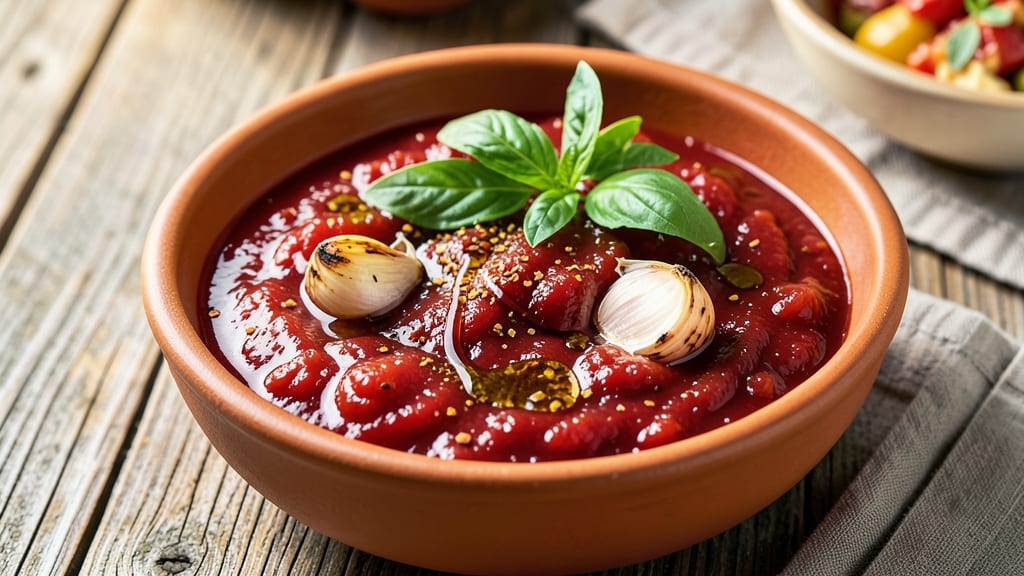
This all arrabbiata sauce recipe delivers the bold, spicy tomato punch that makes every bite unforgettable. 🔥 The secret lies in balancing heat, acidity, and fresh basil—simmering canned tomatoes with garlic, chili flakes, and olive oil until it reduces into a velvety, aromatic sauce.
What sets this version apart is the way the basil infuses at the end, adding that bright, herbal zing that cuts through the heat.
The process is straightforward but requires patience—low simmering for 20-30 minutes allows the flavors to meld without burning. You’ll start with crushed tomatoes, garlic, and red pepper flakes, then build depth with a splash of red wine vinegar.
The result? A sauce that’s rich, slightly sweet, and packed with chili heat that lingers just enough to satisfy.
Perfect for tossing with spaghetti, drizzling over grilled chicken, or using as a marinade, this arrabbiata sauce transforms simple meals into restaurant-quality dishes. The texture is smooth yet vibrant, with just the right balance of spice and acidity.
Store it in the fridge for up to 5 days, or freeze for longer shelf life.
What makes this recipe foolproof is the flexibility—adjust the heat to your preference by adding more chili flakes or a pinch of sugar to balance the acidity. The fresh basil at the end isn’t just for flavor; it ensures the sauce stays bright and aromatic. Let’s get cooking!
Ingredients for all arrabbiata sauce
Nine ingredients transform into restaurant-quality arrabbiata sauce with bold tomato heat and basil zing.
| Ingredient | Amount | Notes |
|---|---|---|
| Crushed Tomatoes 🍅 | 2 cups | San Marzano preferred for sweetness |
| Extra-Virgin Olive Oil 🫒 | ¼ cup | High quality, fruity variety |
| Garlic Cloves 🧄 | 4 cloves | Fresh, minced for depth |
| Red Pepper Flakes 🌶️ | 1 tbsp | Adjust for desired heat |
| Red Wine Vinegar 🍷 | 1 tbsp | Brightens acidity balance |
| Fresh Basil Leaves 🌿 | ¼ cup | Packed, stems removed |
| Salt 🧂 | 1 tsp | Diamond Crystal preferred |
| Black Pepper 🌶️ | ½ tsp | Freshly ground for heat |
| Sugar 🍬 | 1 tsp | Balances acidity (optional) |
The tomatoes are the foundation—San Marzano gives the sweetness this sauce needs, but any good crushed tomatoes work. Trader Joe's and Whole Foods carry quality brands, or grab the canned tomatoes section at your local grocery store. Garlic should be fresh, not from a jar—those pre-minced cloves lack the punch. Red pepper flakes can vary wildly in heat; Penzeys sells consistent batches if you're sensitive to spice levels. The olive oil matters too—look for extra-virgin with a fruity aroma, not the cheap cooking oil kind. Store-bought vinegar is fine, but a bottle of good red wine vinegar from the gourmet section elevates everything.
No fresh basil? Dried oregano at half the amount works in a pinch, but nothing replaces that bright, herbal finish. Short on red pepper flakes? Cayenne pepper at one-third the quantity adds heat without changing texture. The sugar is optional but recommended—it rounds out the acidity from the tomatoes and vinegar. If you're using a sweeter tomato like Roma, you might skip it entirely. For extra depth, a splash of dry white wine (about 2 tbsp) replaces the vinegar and adds complexity. The sauce thickens as it reduces, so don't worry if it looks thin at first—patience is key here.
This sauce peaks after 24 hours in the fridge as flavors meld. Store it in an airtight container with a thin layer of olive oil on top to preserve freshness. Keeps for 5-7 days refrigerated or 3 months frozen. For freezing, portion into ice cube trays—perfect for single servings later. The basil wilts fast, so add it fresh at the very end. Double the batch if you're feeding a crowd—it disappears quickly when paired with pasta or grilled meats.
Why You'll Love This Recipe
- Five-Ingredient Magic: I swear by this—just tomatoes, olive oil, garlic, red pepper flakes, and a splash of vinegar. That’s it. No fancy prep, no hidden ingredients, just pure, punchy flavor that comes together faster than you can say "pasta night."
- Heat That Stays: Between us, the red pepper flakes and vinegar give this sauce a slow-building kick that lingers. It’s not overwhelming—just enough to make every bite feel like a little firecracker on your tongue, especially when tossed with al dente pasta or drizzled over grilled chicken.
- Weeknight to Dinner Party: This sauce is my go-to for lazy Tuesdays and when I’m hosting. Double the batch, freeze half, and you’ve got a ready-to-go sauce for next week’s marinara night—or impress guests with a jar of homemade arrabbiata that costs pennies to make.
- Pantry Staple Power: Honestly, I never buy store-bought arrabbiata again. The crushed tomatoes add depth without mushiness, the olive oil keeps it rich, and the vinegar cuts through the acidity so it doesn’t taste flat. Plus, it stretches across meals—pasta, eggs, even a quick soup—without breaking the bank.
Step-by-step instructions for all arrabbiata sauce
Master this classic Italian sauce with bold tomato flavor and fiery kick.
🍳 Step 1: Sauté Garlic in Olive Oil
Heat the 0.25 cup extra-virgin olive oil in a medium saucepan over medium-low heat. Add the 4 cloves minced garlic cloves and cook for 1-2 minutes until fragrant but not browned. Watch carefully—garlic burns quickly and turns bitter, ruining the delicate balance of flavors.
Here's where it gets crucial: the oil should shimmer gently, not smoke. If it starts smoking, reduce the heat immediately. You want the garlic to perfume the oil without developing any color. This foundational step builds the aromatic base for your sauce.
🍳 Step 2: Add Tomatoes and Spices
Pour in the 2 cups crushed tomatoes and stir to combine with the garlic oil. Add the 1 tbsp red pepper flakes, 1 tbsp red wine vinegar, 1 tsp salt, and 0.5 tsp black pepper. Bring the mixture to a gentle simmer over medium heat, then reduce to low heat and let it cook uncovered for 15-20 minutes.
This simmering time is essential—it allows the flavors to meld and the acidity to balance. You'll notice the sauce gradually thicken as moisture evaporates. Stir occasionally to prevent sticking, but don't over-stir as this can break down the tomato texture. The sauce should reduce until it coats the back of a spoon.
🥘 Step 3: Sweeten and Finish with Basil
After 15 minutes, taste the sauce and add the 1 tsp sugar if you want to balance the acidity. Stir well to dissolve completely. Remove the pan from heat and let it cool slightly for 2-3 minutes—this prevents the basil from wilting when added.
Add the 0.25 cup packed fresh basil leaves and stir gently. The basil should infuse the sauce with its bright, aromatic qualities without overpowering the tomato flavor. For best results, use a small handful of fresh basil rather than dried, as dried basil can make the sauce taste artificial.
⏰ Step 4: Rest and Adjust Seasoning
Let the sauce sit at room temperature for 10 minutes before tasting. This resting period allows all the flavors to fully develop and settle. Give it a final taste and adjust seasoning if needed—add more salt for depth, red pepper flakes for heat, or red wine vinegar for brightness.
The perfect arrabbiata sauce should have a vibrant red color, a balance of sweet and spicy flavors, and a consistency that clings to pasta without being overly thick. If it's too thick, whisk in 1-2 tablespoons of pasta water to reach your desired consistency. This sauce is best served immediately over al dente pasta, but it can be stored in the refrigerator for up to 3 days or frozen for 3 months.
Pro Tips For Making All Arrabbiata Sauce
- Sweat Garlic Low and Slow: I used to blast garlic in olive oil until it burned—now I simmer it on medium-low for 3-4 minutes until golden but not crispy. That bitter edge ruins the sauce, and you’ll taste the difference when the tomatoes take it over.
- Use Vinegar Early: Add the red wine vinegar with the crushed tomatoes at the start, not at the end. It brightens the acidity before the sauce reduces, so you don’t end up with a dull, one-note finish. (Yes, even if it smells harsh at first—it mellows.)
- Don’t Crowd the Garlic: Two whole cloves, minced, is plenty—any more and you’ll choke the pan. If you’re worried about flavor, add a third, but push it into the oil in a single layer. Overcrowding = soggy, not aromatic.
- Simmer Until It Thickens: Walk away. Let the sauce bubble gently for 15-20 minutes uncovered—it’ll reduce to a glossy, clingy consistency. Skipping this step leaves you with a watery mess that clings to pasta like regret.
Troubleshooting great all arrabbiata sauce
Burnt Garlic Flavor
If your sauce tastes bitter, you likely burned the garlic. This happens when garlic cooks too long over medium heat instead of medium-low. The fix? Start fresh by sautéing 2 new cloves of garlic in 1 tbsp fresh olive oil for just 30 seconds—until fragrant but still pale.
Stir this into your sauce and simmer for 5 more minutes to blend the flavors. 🌱
Too Thin or Watery
A watery sauce usually means the tomatoes weren’t reduced enough. Return the sauce to low heat and simmer uncovered for 10-15 more minutes, stirring occasionally. If it still looks thin, mash 1 small roasted garlic clove into the sauce—its natural oils help emulsify.
For an instant fix, whisk in 1 tsp cornstarch mixed with 1 tbsp water and simmer for 2 minutes.
Excessive Heat Overwhelm
If the chili heat is too intense, balance it by adding 1 tsp sugar or 1 tbsp tomato paste to round out the flavors. For a smoother texture, blend the sauce briefly in a food processor or immersion blender.
If you prefer milder heat, reduce the red pepper flakes to ½ tsp in future batches. A splash of lemon juice also helps mellow spice levels.
Sauce Too Acidic
Acidity builds when tomatoes or vinegar dominate. To fix it, stir in ½ tsp sugar or 1 tbsp tomato paste to neutralize the tang. For a richer flavor, add 1 tsp minced fresh basil or a pinch of salt.
If the sauce still tastes sharp, simmer it uncovered for 5 more minutes to let some moisture evaporate and concentrate the flavors. 💡
Lacking Depth of Flavor
If your sauce tastes flat, it likely needs more umami. Boost it by adding 1 tbsp soy sauce or 1 tsp fish sauce (trust me, it works!). For a meaty depth, stir in 1 tsp anchovy paste or a splash of dry white wine.
Simmer for 5 minutes to let the flavors meld. If you’re short on time, a pinch of MSG (just a tiny amount) can enhance savoriness without altering taste.
Basil Wilting or Losing Flavor
Fresh basil wilts quickly in hot sauce. To preserve its brightness, add it only at the very end when the sauce is off heat. If it’s already wilted, remove the stems and blend the leaves into the sauce for 30 seconds to release their oils.
For extra aroma, infuse the sauce with 1 whole basil stem while simmering, then remove it before serving. 🌿
Nutrition facts
Frequently asked questions
Can I make arrabbiata sauce without fresh basil?
If you don't have fresh basil, use 1 teaspoon dried basil instead, but reduce the amount by half since dried herbs are more concentrated. For extra depth, add ½ teaspoon dried oregano or a pinch of red pepper flakes to compensate for the missing freshness. The sauce will still taste delicious, though the bright herbal notes will be slightly different.
How can I adjust the heat level in arrabbiata sauce?
Start with the 1 tablespoon red pepper flakes as written, but reduce to ½ teaspoon for mild heat or increase to 2 tablespoons for extra spice. For a smoother heat, blend the sauce briefly after cooking. If it's too spicy, balance it with 1 teaspoon sugar or a splash of lemon juice to mellow the flavor.
Can I use arrabbiata sauce on dishes other than pasta?
This versatile sauce works beautifully beyond pasta! Drizzle it over grilled chicken, fish, or roasted vegetables for a spicy kick. Use it as a marinade for 1-2 hours before cooking, or serve it as a dipping sauce for crusty bread or fried mozzarella. The bright tomato-chili flavor pairs well with almost any protein or vegetable.
What’s the best way to store arrabbiata sauce?
Store the sauce in an airtight container in the fridge for up to 5 days. For longer storage, freeze it in ice cube trays or small portions—thaw overnight in the fridge before using. To preserve freshness, add a thin layer of olive oil on top before sealing. The flavors actually improve after 24 hours as the ingredients meld!
Why does my arrabbiata sauce taste flat or bland?
Flat flavor usually means the sauce needs more acidity or umami. Boost it by adding 1 tablespoon red wine vinegar or 1 teaspoon soy sauce. For deeper flavor, stir in 1 teaspoon anchovy paste or a splash of dry white wine and simmer for 5 minutes. A pinch of MSG (just a tiny amount) can also enhance savoriness without altering the taste.