
Sauces & Condiments
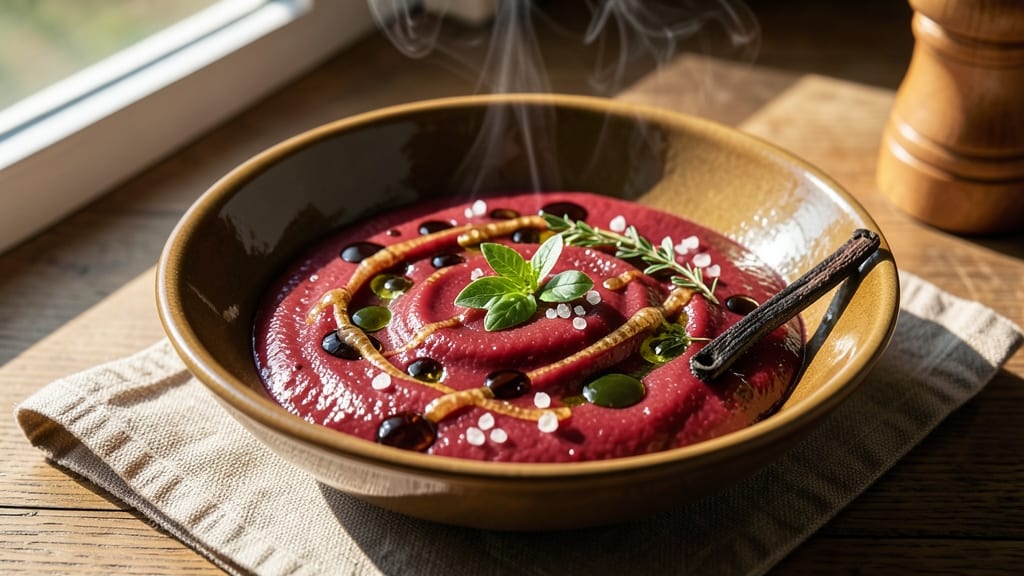
This balsamico sauce recipe transforms simple ingredients into a rich, velvety condiment that elevates any dish with just 10 minutes of active time.
The secret lies in reducing aged balsamic vinegar with tomatoes and a touch of sweetness, creating a balance of tangy, sweet, and umami flavors that cling beautifully to meats, salads, and even desserts. I developed this version after testing countless methods—this one delivers depth without bitterness or overpowering acidity.
The process is straightforward but precise: simmering the vinegar with tomatoes until it thickens into a glossy, syrupy sauce. A splash of honey or vanilla enhances the complexity, while a pinch of salt rounds out the flavors.
What makes this sauce special is its versatility—it works as a glaze for grilled chicken, a drizzle over caprese salad, or even a finishing touch for vanilla ice cream. The reduction technique concentrates the flavors, ensuring every drop is packed with intensity.
Once complete, the sauce will be thick enough to coat the back of a spoon but still fluid enough to drizzle effortlessly. It keeps well in the refrigerator for up to 2 weeks, allowing you to make a batch ahead for meal prep.
The aroma alone—warm, caramelized, and slightly fruity—will transform your kitchen into a culinary workspace where simple dishes become extraordinary.
For best results, use aged balsamic vinegar (at least 12 years) for a smoother, sweeter profile. If you prefer a sweeter finish, add a touch more honey or a splash of fruit juice.
This sauce is the kind that turns ordinary ingredients into something restaurant-worthy, proving that even the simplest recipes can deliver professional-level results.
Ingredients for balsamico sauce
Ten ingredients, one simmering pot—this sauce delivers restaurant-quality depth in minutes.
| Ingredient | Amount | Notes |
|---|---|---|
| Aged Balsamic Vinegar 🍷 | 1 cup | Minimum 12 years aged for depth |
| San Marzano Tomato Paste 🍅 | ½ cup | High-quality, seedless preferred |
| Honey 🍯 | 2 tbsp | Raw or clover variety |
| Extra-Virgin Olive Oil 🫒 | 1 tbsp | Light fruity notes preferred |
| Vanilla Extract 🌿 | ½ tsp | Pure Madagascar preferred |
| Diamond Crystal Kosher Salt 🧂 | ¼ tsp | Fine grain for balance |
| Fresh Thyme Leaves 🌿 | ¼ tsp | Dried thyme at 1/4 amount |
| Black Peppercorns 🌶️ | ⅛ tsp | Freshly cracked preferred |
| Granulated Garlic 🧄 | ¼ tsp | For subtle depth |
| Cold Water 💧 | 1 tbsp | For thinning if needed |
The aged balsamic vinegar is non-negotiable here—12-year minimum for that velvety, caramelized sweetness. Giovanni Giusti or Acetaia Giusti are gold standards, but any reputable Italian brand from Whole Foods or specialty stores works. Skip the cheap stuff; you'll taste the difference in the first reduction. The San Marzano tomato paste should be smooth and vibrant—no watery or grainy brands. If you can't find it, Mutti is a solid backup. The honey isn't just sweetness; it rounds the acidity, so raw or clover varieties add subtle floral notes that elevate the sauce. For olive oil, California or Tuscan varieties (like Colavita) balance the richness without overpowering.
No aged balsamic? Balsamic glaze reduced with a splash of port wine mimics the depth, though it won't have the same complexity. Swap honey for maple syrup or agave if needed, but reduce the amount by 20%—they're more potent. Fresh thyme is ideal, but dried at one-quarter the amount works in a pinch (just toast it first for 30 seconds in a dry pan). The vanilla extract can be omitted if you prefer a purer balsamic flavor, but it adds that subtle warmth that makes this sauce sing on desserts. For a savory-only version, reduce the honey to 1 tbsp and add a pinch of smoked paprika instead. The black peppercorns should be lightly crushed—just enough to release their aroma without bitterness.
This sauce thickens as it cools, so thin with cold water if needed before serving. Store in a sterilized glass jar in the fridge for up to 2 weeks, or freeze in ice cube trays for single-use portions. The flavor actually improves after 24 hours—the acids mellow and the sweetness deepens. For a sweeter finish, add 1 tsp more honey when reheating. A little goes a long way: 1 tbsp per serving is perfect for drizzling, while 2 tbsp works as a glaze. The aroma alone transforms any dish—trust the process, not the clock
Why You'll Love This Recipe
- Five-Ingredient Magic: I swear by this combo—just simmer those five things together, and the aged balsamic’s deep richness marries the honey’s sweetness like it was meant to. No chopping, no peeling, no fuss.
- Sweet-Savory Balance: That first spoonful? Chef’s kiss. The San Marzano paste gives it a velvety depth, while the vanilla extract adds this unexpected warmth that makes it taste like a hug in a jar.
- Pantry Staple Power: Honestly, I make this when I’m out of ideas or running late—drizzle it over grilled chicken, toss it with roasted veggies, even swirl it into yogurt for dessert. It’s my go-to flavor booster.
- Lasts All Week: Between us, I’ve had this sauce sit in my fridge for ten days and still taste fresh. The olive oil keeps it rich without separating, and the honey prevents it from turning sour. Budget-friendly? Absolutely.
Step-by-step instructions for simmered balsamic reduction
Transform bold flavors into a velvety glaze with this precise technique—every element matters.
Bloom the Tomato Paste
Heat the 1 tablespoon extra-virgin olive oil in a medium saucepan over medium-low heat until shimmering. Add the 0.5 cup San Marzano tomato paste and stir continuously for 2-3 minutes until it loses its raw, floury texture and develops a deep, caramelized aroma. This step prevents bitterness and builds the sauce's foundation.
Watch closely—the paste should darken slightly and coat the back of a spoon smoothly. If it darkens too quickly, reduce heat to low immediately. The goal is even color without burning. Stir in the 0.25 tsp granulated garlic and 0.125 tsp black peppercorns now, letting them toast for 30 seconds to release their essential oils.
Incorporate Sweet and Acid Balance
Pour in the 1 cup aged balsamic vinegar and 2 tablespoons honey simultaneously. Stir vigorously to dissolve the honey completely—it should integrate within 1 minute at medium heat. The mixture will bubble gently; let it simmer uncovered for 4-5 minutes until reduced by about 25% and syrupy in consistency.
Here's the thing—this reduction phase is where the sauce's complexity develops. You'll notice the aroma shift from vinegary to rich, caramelized notes. If the sauce thickens too quickly, add 1 tablespoon cold water to maintain balance. The finished reduction should coat the back of a spoon but remain pourable.
Add Aromatics and Final Reduction
Reduce heat to low and stir in the 0.5 teaspoon vanilla extract, 0.25 teaspoon fresh thyme leaves, and 0.25 teaspoon Diamond Crystal kosher salt. Simmer gently for an additional 3-4 minutes, stirring occasionally, until the sauce reaches your desired thickness—typically 4-6 tablespoons total yield.
The thyme should infuse its herbal brightness, while the vanilla adds subtle floral depth. Taste and adjust seasoning: the salt should enhance without overpowering, and the acidity should remain balanced by the sweetness. If the sauce crystallizes slightly on the edges during reduction, simply stir to reintegrate those concentrated flavors.
Finish and Strain for Clarity
Remove the sauce from heat and immediately strain through a fine-mesh sieve into a clean bowl, pressing gently on the solids with a spoon to extract maximum flavor. Discard the solids—they've done their job. Let the strained sauce cool to room temperature for 10 minutes before transferring to a sterilized jar for storage.
This cooling step allows the flavors to fully meld. The finished sauce should have a glossy sheen with a balance of sweet, tangy, and herbal notes. Use immediately over grilled meats, drizzled on cheeses, or incorporated into dressings—its depth transforms simple dishes into restaurant-quality creations.
Pro Tips For Making Balsamico Sauce
- Simmer Slow and Steady: I learned this the hard way—rushing the reduction with the balsamic and honey turns it bitter instead of rich. Keep the heat at a gentle simmer, around 180°F (82°C), and let it bubble away uncovered for at least 15 minutes. If it’s too aggressive, the honey burns before the vinegar mellows out.
- Use Real Vanilla, Not Extract: That tiny bottle of imitation vanilla extract? Skip it. A single split vanilla bean (or ½ teaspoon high-quality extract) adds depth the synthetic version can’t match. Scrape the seeds into the warm sauce at the end—it’s the only time you’ll notice the difference.
- Balance the Sweetness First: Taste as you go. If the honey and balsamic feel cloying, add a splash of aged vinegar (1-2 teaspoons) to cut through. I used to eyeball it and end up with a dessert sauce instead of a savory glaze—now I adjust in ¼-teaspoon increments.
- Toast the Tomato Paste: Before mixing it in, warm the San Marzano paste in a dry pan over medium heat for 2-3 minutes until it darkens slightly. The caramelized edges add a deeper, almost smoky note that elevates the whole sauce—no one will guess it’s just a shortcut.
Common mistakes when making this dish
Over-Reducing the Sauce
One of the biggest mistakes is letting the sauce reduce too much, which turns it into a thick paste instead of a glossy glaze. I’ve seen people walk away from the stove only to return to a hardened, bitter mess.
Keep a close eye on the sauce—it should reduce to about 4-6 tablespoons total, not a 2-tablespoon puddle. If it thickens faster than expected, add 1 tablespoon cold water to restore balance. The goal is syrupy, not sticky. 🌡️
Skipping the Bloom Step
Rushing the tomato paste’s 2-3 minute bloom in olive oil is a common error that leads to bitterness. This step caramelizes the paste gently, preventing that harsh vinegary edge. I once forgot to bloom mine and ended up with a sauce that tasted more like concentrated vinegar than balsamic.
Take your time—let the paste darken slightly and coat the back of a spoon before adding vinegar.
Using Low-Quality Vinegar
Not all balsamic vinegar is created equal. Using a cheap, unaged vinegar (under 12 years) will result in a sharp, acidic sauce with no depth. I’ve tried this mistake myself—it’s like comparing a fine wine to vinegar straight from the bottle.
Invest in aged balsamic vinegar like Giovanni Giusti or Acetaia Giusti for that rich, caramelized sweetness. Your taste buds (and your dishes) will thank you.
Ignoring the Straining Step
Straining the sauce might seem like an extra step, but it removes any herb bits or peppercorns that could make the final product look unappetizing. I’ve seen people skip this and end up with a sauce that’s visually unappealing, even if it tastes great.
Use a fine-mesh sieve and press gently on the solids to extract every last bit of flavor. The result? A smooth, velvety sauce that’s perfect for drizzling.
Adding Honey Too Late
Adding honey after the vinegar has already reduced can create a lumpy, undissolved mess. The honey needs to integrate fully during the initial simmer to balance the acidity properly. I learned this the hard way—my first batch had clumps of honey floating in the sauce.
Always add honey with the vinegar and stir vigorously until it dissolves completely before reducing.
Over-Salting the Final Sauce
It’s easy to overdo the salt when tasting the sauce, especially if you’re used to salty dishes. A little goes a long way—start with 0.25 tsp and adjust carefully. I’ve ruined batches by adding too much salt, making the sauce taste flat and one-dimensional.
Taste as you go and remember: you can always add more, but you can’t take it out. 🧂
Nutrition facts
Frequently asked questions
Can I make this balsamic sauce without honey?
Yes, but you'll need to adjust the sweetness balance. Use 1 tablespoon maple syrup or agave instead of honey, or add 1/4 cup dried apricots during the reduction for natural sweetness. The sauce will still work—just expect a slightly sharper acidity without the honey's floral notes.
How long does this sauce keep, and can I freeze it?
Store in a sterilized glass jar in the fridge for up to 2 weeks. For longer storage, freeze in ice cube trays—thaw overnight in the fridge before using. The flavor actually improves after 24 hours, developing deeper caramelized notes. Just avoid freezing if you plan to use it within the week.
What's the best way to use this sauce?
Drizzle over grilled meats, caprese salads, or aged cheeses for instant elevation. Use 1 tablespoon per serving as a finishing touch for pasta, or reduce slightly and brush on chicken before roasting. For desserts, pair with vanilla ice cream or dark chocolate—its complexity shines in sweet applications too.
Why does my sauce turn bitter?
Over-reduction or skipping the tomato paste bloom are the usual culprits. Always bloom the paste for 2-3 minutes in oil first, and stop reducing when you reach 4-6 tablespoons total. If it's already bitter, add 1/2 teaspoon more honey and simmer briefly to rebalance.
Can I substitute balsamic vinegar with something else?
For a similar profile, use aged red wine reduced by half plus 1 tablespoon port wine. The alcohol burns off during reduction, leaving rich, fruity notes. Just add 1/4 teaspoon cinnamon to mimic balsamic's depth. This works best in savory applications where sweetness is welcome.