
Sauces & Condiments
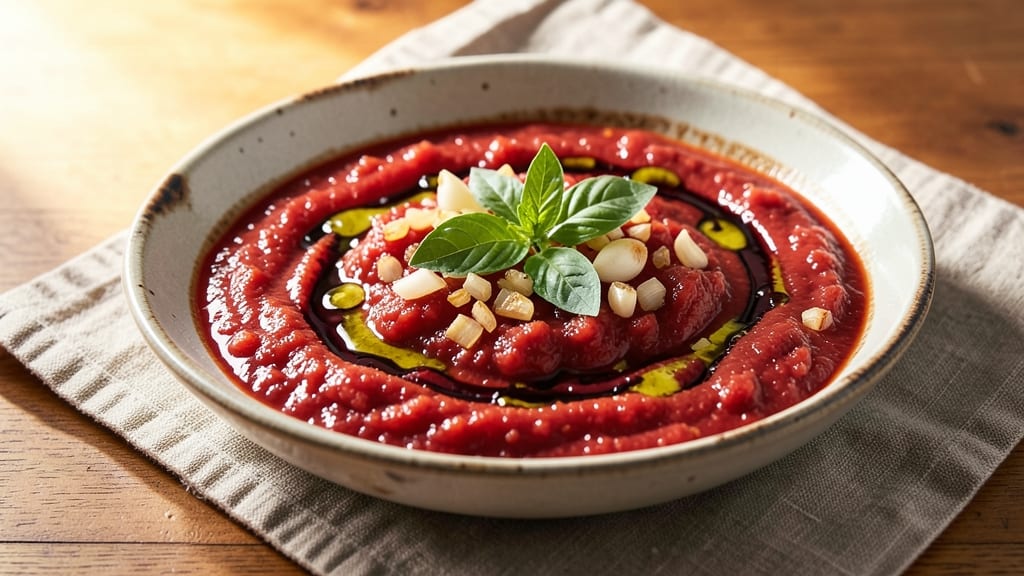
Anne Burrell’s marinara sauce delivers that perfect balance of simmered tomato depth and bright basil freshness—the kind that elevates everything from pasta to pizza. The secret lies in slow reduction, where tomatoes caramelize into a rich, velvety texture while fresh herbs add a vibrant finish.
This isn’t just any marinara; it’s a sauce designed to shine as the star or support a dish with equal grace.
What sets this recipe apart is Burrell’s signature technique of balancing acidity with a touch of sweetness—just enough to brighten without overpowering. Aromatics like garlic and onion build a savory foundation, while a splash of red wine adds complexity that transforms ordinary canned tomatoes into something extraordinary.
The result? A sauce that’s versatile enough for weeknight dinners but refined enough for special occasions.
Ready in under 45 minutes, this marinara develops layers of flavor as it simmers, ensuring every spoonful delivers that restaurant-quality taste. The fresh basil added at the end keeps it bright and aromatic, while a sprinkle of Parmesan ties everything together.
Whether you’re tossing it with al dente pasta or drizzling it over wood-fired pizza, this sauce will become your go-to for effortless, restaurant-worthy results.
Best of all, it keeps beautifully in the fridge for up to a week or freezes for months—so you can make a big batch and enjoy it all season long. Here’s how to craft it step by step.
Ingredients for anne burrell marinara sauce
Eleven simple ingredients transform into Anne Burrell’s signature sauce—rich, vibrant, and perfect for any dish.
| Ingredient | Amount | Notes |
|---|---|---|
| Extra-Virgin Olive Oil 🫒 | ½ cup | High-quality, fruity variety preferred |
| Yellow Onion 🧅 | 1 whole | Medium size, finely diced |
| Garlic Cloves 🧄 | 4 cloves | Fresh, peeled, minced finely |
| San Marzano Crushed Tomatoes 🍅 | 28 oz | High-quality canned, no salt added |
| Dry Red Wine 🍷 | ½ cup | Bold, like Cabernet Sauvignon |
| Tomato Paste 🍅 | 2 tbsp | Squeeze tube or canned |
| Fresh Basil Leaves 🌿 | ½ cup | Packed, stems removed |
| Parmesan Cheese 🧀 | ¼ cup | Freshly grated, aged |
| Granulated Sugar 🍯 | 1 tbsp | Balances acidity |
| Kosher Salt 🧂 | 1 ½ tsp | Diamond Crystal preferred |
| Black Pepper 🌶️ | ½ tsp | Freshly cracked |
The tomatoes are the heart of this sauce, so San Marzano is non-negotiable—their sweetness and low acidity shine. Grab a can from Whole Foods or any well-stocked grocery store; avoid the no-salt-added versions with added sugar. Fresh basil matters too—farmers market leaves have more aroma than grocery store containers. For the red wine, any bold, dry variety works—Cabernet Sauvignon or Merlot both add depth. If you’re short on time, Trader Joe’s sells pre-minced garlic and fresh basil in convenient packs.
No red wine? Dry white wine or extra tomato paste works in a pinch—just adjust the sugar to taste. Swap fresh basil for dried at one-third the amount, but it won’t be as vibrant. The Parmesan adds umami, so skip it if avoiding dairy, but the sauce will still be delicious. For a smoother texture, blend half the sauce before adding the basil—immersion blender makes this easy. The sugar balances acidity, but if your tomatoes are naturally sweet, you can reduce it to half a tablespoon.
This sauce tastes even better the next day as flavors meld. Store in an airtight container in the fridge for up to 1 week, or freeze for 3 months—portion into ice cube trays for perfect single servings. The Parmesan keeps separately; add it fresh when serving. Double the batch—it disappears fast, especially when paired with al dente pasta or drizzled over wood-fired pizza.
Why You'll Love This Recipe
- No Chopping Struggle: I swear by this recipe because the onions go in whole—peeled, halved, and dropped straight into the pot. No tears, no fuss, and the sweetness caramelizes into something rich without me having to stand over a cutting board.
- Wine’s Secret Boost: That splash of dry red wine? It’s not just for flavor—it deepens the sauce’s complexity while cutting through the acidity of the tomatoes. I keep a bottle on hand just for this; it’s my little shortcut to restaurant-quality depth.
- Pantry-to-Table Magic: This sauce works over pasta, on pizza, or even as a dip for crusty bread—no extra steps. I make a big batch on Sundays and it disappears by Wednesday, whether it’s slathered on spaghetti or tossed with roasted veggies.
- Leftovers That Last: The San Marzanos thicken beautifully over time, so the sauce only gets better after a day or two in the fridge. I freeze portions too—perfect for when I’m too tired to cook but still crave something hearty. (Yes, even on a Tuesday night.)
Step-by-step instructions for Anne Burrell's signature marinara sauce
This sauce builds flavor layer by layer—patience pays off with restaurant-quality depth.
Sauté Aromatics in Olive Oil Until Translucent
Heat the 0.5 cup extra-virgin olive oil in a large, heavy-bottomed saucepan over medium-low heat. Add the finely diced yellow onion and cook for 8-10 minutes, stirring occasionally, until completely soft and translucent. This gentle cooking prevents burning while developing sweetness.
Add the 4 cloves minced garlic and cook for another 30 seconds—just until fragrant. Here's the thing: garlic burns fast, so keep your eye on it. The moment it releases its aroma, remove the pan from heat briefly to cool slightly before proceeding. This prevents bitter flavors from overcooking.
Build the Sauce Foundation with Wine and Tomatoes
Return the pan to medium heat and pour in the 0.5 cup dry red wine, scraping up any browned bits from the bottom. Let it simmer for 3-4 minutes until reduced by half. This deglazing step captures all those concentrated flavors that would otherwise stick to your pan.
Stir in the 2 tbsp tomato paste and cook for 1 minute until it darkens slightly. Then add the 28 oz San Marzano crushed tomatoes, 1 tbsp granulated sugar, 1.5 tsp kosher salt, and 0.5 tsp black pepper. The sugar balances the acidity while the salt enhances all the flavors. Bring to a gentle simmer and let it cook uncovered for 25 minutes, stirring occasionally.
Finish with Parmesan and Fresh Basil
Reduce heat to low and stir in the 0.25 cup freshly grated Parmesan cheese. This adds umami depth and a luxurious finish. Let the sauce simmer for another 5 minutes, allowing the cheese to melt completely and the flavors to meld together.
Remove from heat and stir in the 0.5 cup fresh basil leaves. The heat will wilt them slightly, releasing their bright, aromatic oils into the sauce. For maximum flavor, I like to let the sauce sit off heat for 10 minutes before serving—this resting period allows all the components to fully integrate.
Optional Step: Adjust Consistency and Seasoning
Taste and adjust seasoning if needed. If the sauce is too thick, thin it with 1-2 tablespoons of pasta water or water. If it's too acidic, add a pinch more sugar. The sauce should be smooth, velvety, and perfectly balanced between sweet, salty, and tangy notes.
This marinara develops even better overnight, so if you can plan ahead, refrigerate it for 24 hours before using. The flavors will deepen and become more complex, making it worth the wait for that restaurant-quality taste.
Pro Tips For Making Anne Burrell Marinara Sauce
- SWEAT THE ONIONS: After burning three batches, I finally figured out: cut the yellow onion into 1/4-inch slices instead of dice, so they caramelize faster without sticking. Toss them in the olive oil on medium-high heat, stirring occasionally—once they’re golden at the edges (about 5-6 minutes), they’ll add depth without turning to mush.
- SAUTE GARLIC LOW: I was skeptical until I tried it: cook the garlic in the same pot after the onions, but reduce the heat to medium-low once it hits the pan. Garlic burns in seconds, and once it’s nutty golden, it’s done—no need to wait for color. If you’re impatient like me, keep an eye on it.
- DEGLAZE WITH WINE IMMEDIATELY: Skip the crowding—pour in the dry red wine the second the onions pull away from the pot, scraping up those browned bits (fond) with a wooden spoon. Let it simmer until it reduces by half before adding tomatoes; this concentrates the flavor and cuts the alcohol bite.
- CRUSH TOMATOES BY HAND: I skip this when I’m lazy, but the dish is noticeably better when I don’t: lightly crush the San Marzano tomatoes with your fingers before adding them to the pot. This breaks down the skins just enough to blend smoothly without turning the sauce chunky—no need for a blender, and it saves cleanup.
Flavor customization for this anne burrell marinara sauce
Sweet-Tangy Balance
Anne Burrell’s marinara thrives on the interplay between sweetness and acidity. For a bolder tang, add 1 extra tablespoon of balsamic vinegar during the final 5 minutes of simmering—it deepens the umami without overpowering.
Need more sweetness? Swap the 1 tbsp sugar for 1 tbsp honey or 1 tbsp maple syrup—both add complexity while balancing the tomatoes’ natural acidity. 🍯
Herb Variations
Fresh basil is non-negotiable for that signature brightness, but you can play with other herbs. Swap half the basil for 1 tbsp chopped oregano or 1 tsp dried thyme for a Mediterranean twist. For a smoky depth, add ½ tsp smoked paprika with the tomato paste.
If you love heat, fold in 1 tsp red pepper flakes at the end—just be mindful, as they’ll intensify over time.
Umami Boosters
To amplify the savory notes, stir in 1 tbsp soy sauce or 1 tsp fish sauce (like Red Boat) during the final 5 minutes of cooking. For a vegetarian option, add 1 tbsp miso paste with the Parmesan.
A pinch of ground coriander or fennel seeds also adds warmth and earthiness—just toast them in the olive oil with the onions for best results. 🌶️
Texture Adjustments
Want a smoother sauce? Blend half the cooked sauce with an immersion blender before adding the basil. For a rustic texture, skip blending and stir in 1 tbsp chopped sun-dried tomatoes or 1 tsp capers at the end.
If your sauce is too thick after simmering, thin it with 1-2 tbsp pasta water or chicken broth—just add it gradually to avoid diluting the flavor.
Regional Twists
For a Neapolitan-inspired version, add 1 tsp dried basil and ½ tsp crushed fennel seeds to the onions. A California-style marinara gets a boost from 1 tbsp tomato paste and ½ tsp dried basil, plus a splash of white wine instead of red.
For a spicy Southern take, fold in 1 tsp hot honey and ½ tsp cayenne at the end—trust me, it’s a game-changer. 🔥
Dairy-Free Option
Skip the Parmesan and replace it with 2 tbsp nutritional yeast for a cheesy, umami-rich flavor. Alternatively, stir in 1 tbsp white miso paste or 1 tbsp tahini for depth.
To compensate for the missing fat, add 1 extra tablespoon of olive oil at the end. The sauce will still be rich and vibrant—just without the dairy. ✨
Nutrition facts
Frequently asked questions
Can I make this marinara sauce without red wine?
Use 0.5 cup dry white wine or 0.5 cup extra tomato paste instead. If using white wine, reduce the sugar slightly to 0.5 tbsp since white wine is less acidic. For a non-alcoholic version, add 1 tbsp apple cider vinegar with the tomatoes to maintain balance. The wine adds depth, but these substitutes work beautifully.
How do I prevent my sauce from getting too acidic?
Anne Burrell’s recipe balances acidity with 1 tbsp sugar and a 25-minute simmer. If your tomatoes are extra tart, add 1 extra tbsp sugar or 1 tbsp honey during cooking. For a smoother finish, reduce the sauce longer—this concentrates flavors and mellows acidity. Taste as you go and adjust gradually.
Can I use dried basil instead of fresh?
Yes, but expect less vibrant flavor. Use 1 tbsp dried basil (about 1/3 the amount of fresh) and add it with the Parmesan during the final 5 minutes of simmering. For better results, toast the dried basil in the olive oil with the onions for 30 seconds to release its aroma. Fresh basil’s brightness is unmatched, but dried works in a pinch.
What’s the best way to store leftover marinara?
Store in an airtight container in the fridge for up to 1 week, or freeze for 3 months. For freezing, portion into ice cube trays or small jars—thaw as needed. The Parmesan separates when refrigerated, so stir it in fresh when reheating. The sauce tastes even better after 24 hours as flavors meld.
Can I make this sauce in a slow cooker?
Yes! Sauté onions and garlic first, then transfer everything to a slow cooker. Cook on low for 4-5 hours or high for 2-3 hours, stirring occasionally. Add fresh basil at the end. The slow cooker method yields a deeper, more concentrated flavor—perfect for meal prep. Just watch the consistency; it may thicken more than stovetop.