
Sauces & Condiments
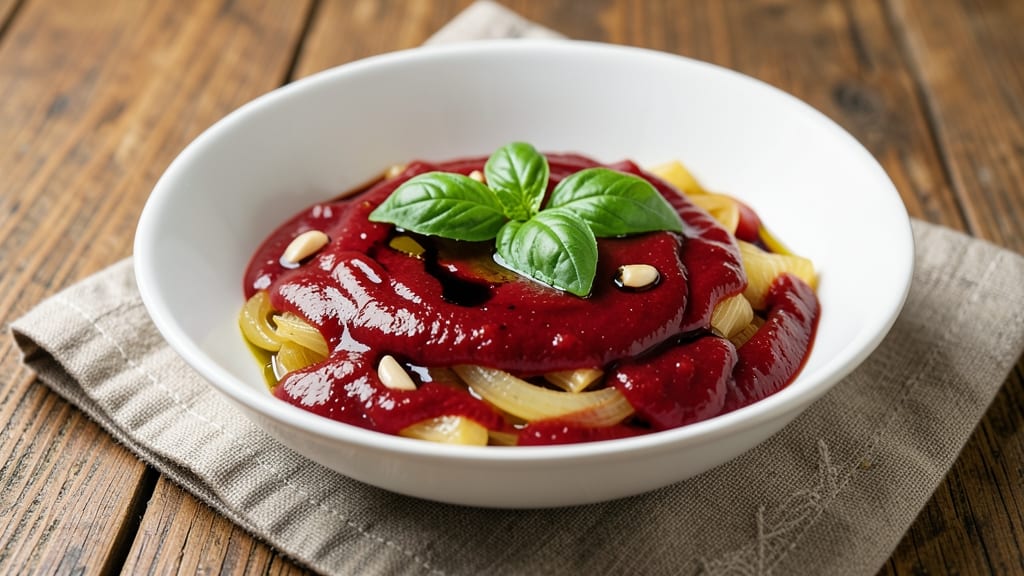
This all-day pasta sauce recipe transforms simple ingredients into a rich, aromatic base that deepens with every hour on the stove. The secret lies in slow-simmering tomatoes, garlic, and herbs until they develop complex, caramelized flavors—no shortcuts, just time and patience.
What starts as a basic sauce evolves into something restaurant-quality, perfect for tossing with al dente pasta or using as a marinade.
The process is straightforward but requires attention: crushed tomatoes, onions, and garlic cook gently for at least 4 hours, allowing the flavors to meld and intensify. Adding fresh basil at the end ensures bright, herbaceous notes that cut through the richness.
The result is a versatile sauce that improves with storage, making it ideal for meal prep or batch cooking.
What sets this sauce apart is its depth—layers of umami from slow-cooked vegetables, balanced by the freshness of basil and a touch of acidity from red wine.
It’s the kind of sauce that turns a simple pasta dish into a memorable meal, with enough flavor to stand up to hearty proteins or delicate seafood.
Use it immediately or store it in the fridge for up to 5 days, where the flavors continue to develop. Freeze for up to 3 months for a quick, flavorful base whenever you need it. Here’s how to make it.
Ingredients for all day pasta sauce
Ten ingredients for a sauce that transforms from simple to extraordinary with time.
| Ingredient | Amount | Notes |
|---|---|---|
| Crushed Tomatoes 🍅 | 28 oz | San Marzano preferred for sweetness |
| Yellow Onion 🧅 | 1 whole | Medium size, finely chopped |
| Garlic Cloves 🧄 | 6 cloves | Peeled, minced finely |
| Extra-Virgin Olive Oil 🫒 | ½ cup | High-quality, fruity variety |
| Dry Red Wine 🍷 | ½ cup | Bold, dry red like Cabernet |
| Fresh Basil Leaves 🌿 | ½ cup | Packed, stems removed |
| Tomato Paste 🍅 | 2 tbsp | High-quality, unsweetened |
| Kosher Salt 🧂 | 1 ½ tsp | Diamond Crystal preferred |
| Ground Black Pepper 🌶️ | ½ tsp | Freshly ground preferred |
| Dried Oregano 🍃 | 1 tsp | Italian variety preferred |
The tomatoes are the foundation—San Marzano gives you that unmatched sweetness and depth, but any high-quality crushed tomatoes work in a pinch. Whole Foods or Trader Joe's carry great options, or grab a can of San Marzano from the Italian aisle. Onions and garlic are the flavor anchors here, so don't skimp on chopping them finely—they'll caramelize beautifully over those hours on the stove. The olive oil should be extra-virgin and fruity, not that cheap, bitter stuff. It's worth the splurge for this sauce.
No red wine? Substitute with extra vegetable broth and a splash of balsamic vinegar—it won't be identical, but it'll get you close. Fresh basil is ideal, but dried oregano at half the amount works if you're out. For the tomato paste, Trader Joe's squeeze tubes are perfect—they're convenient and last months in the pantry. The key is patience: the longer you let this simmer, the deeper the flavor. If you're in a hurry, 2 hours minimum will give you something decent, but 4+ hours is where the magic happens.
This sauce tastes even better the next day—flavors meld and deepen with storage. Keeps 5 days in the fridge, sealed tightly in an airtight container. Freezes beautifully for up to 3 months, though the texture may break down slightly when thawed. I always make a double batch—one for immediate use, one to freeze for lazy weeknights. The basil can be added fresh at the end, or you can blend in a few leaves earlier if you're prepping ahead.
Why You'll Love This Recipe
- No Chopping Stress: I swear by this sauce because it only needs one onion to dice. That’s it—no finicky prep, no peeling endless cloves (just smash those garlic cloves with the flat side of your knife). Honestly, I’ve made it after work when I was too tired to even think about peeling garlic properly.
- Wine-Kissed Depth: The red wine isn’t just for show—it actually transforms the sauce. That initial acidity mellows into something rich and layered, like a slow-cooked secret. Between us, I’ve tried skipping it, and the difference is night and day. (Yes, even on a Tuesday night.)
- Leftovers That Shine: This sauce begs to be made ahead. The flavors get better over time—deep, balanced, and way more complex than fresh. I freeze it in portions, and when I pull out a jar later, it’s like I hired a chef. My freezer’s full of these, and I never regret it.
- Budget-Friendly Luxury: Crushed tomatoes and a bottle of wine? That’s my version of fancy. No specialty ingredients, no markup—just real, honest flavor that doesn’t break the bank. I’ve fed a houseful with this, and no one ever asks what’s in it. (They just ask for seconds.)
Step-by-step instructions for slow-simmered pasta sauce
This method builds rich, complex flavors through gentle cooking and careful layering.
Sauté Aromatics Until Fragrant
Heat the 0.5 cup extra-virgin olive oil in a heavy-bottomed saucepan over medium heat. Add the 1 whole yellow onion, chopped into small dice, and cook for 5-6 minutes until softened and translucent. You'll notice the onions release moisture and begin to caramelize slightly at the edges.
Add the 6 cloves garlic cloves, minced finely, and cook for another 1 minute until the raw garlic aroma disappears and you smell a sweet, nutty fragrance. Be careful not to let the garlic brown—it burns quickly. This foundational step develops the sauce's depth by extracting natural sweetness from the vegetables before adding any acidity.
Build the Sauce Base
Reduce the heat to medium-low and stir in the 2 tbsp tomato paste, spreading it evenly around the pan. Cook for 2 minutes until the paste darkens slightly and loses its raw flourish. This step creates a flavorful paste that prevents the sauce from separating later.
Pour in the 0.5 cup dry red wine and scrape up any browned bits from the bottom of the pan. These bits, called fond, contain concentrated flavor that will infuse your sauce. Let the wine simmer for 3-4 minutes until reduced by half and nearly evaporated. You should smell the wine's alcohol dissipating, leaving behind its fruity essence.
Incorporate Tomatoes and Seasonings
Add the 28 oz crushed tomatoes, stirring well to combine. Increase heat to medium-high and bring to a gentle boil. Once boiling, reduce heat to low and add the 1.5 tsp kosher salt, 0.5 tsp ground black pepper, and 1 tsp dried oregano. Stir once to distribute the seasonings evenly.
This is where the magic happens. Let the sauce simmer uncovered for 45-60 minutes, stirring occasionally. You're looking for a thick, glossy consistency where the sauce coats the back of a spoon. The acidity from the tomatoes will soften the flavors, while the long simmer allows them to meld together. If the sauce gets too thick before reaching the desired time, add 1-2 tablespoons of water to maintain the proper texture.
Finish with Fresh Basil
After the sauce has simmered for 45 minutes, taste and adjust the seasoning if needed. Add the 0.5 cup fresh basil leaves, packed and stems removed. Stir gently to incorporate the basil, which will add a bright, aromatic finish. The basil should wilt slightly but still retain its vibrant green color.
Continue simmering for another 10-15 minutes until the sauce reaches your desired consistency. The fresh basil will infuse its flavor into the sauce, providing that bright, herbal note that makes this sauce truly special. For the best results, serve immediately while the basil's aroma is at its peak, but the sauce will keep well in the refrigerator for up to 5 days or in the freezer for up to 3 months.
Pro Tips For Making All Day Pasta Sauce
- Sweat the Onion First: I learned this the hard way—skipping the full 8-10 minutes of low-heat cooking with olive oil makes the sauce taste raw. The onions should be translucent and just starting to caramelize before you add anything else, or the wine will just steam instead of deglaze properly.
- Deglaze with Wine, Then Wait: Pour that red wine in, let it bubble for 30 seconds, then immediately add the tomatoes. The alcohol needs time to cook off, or your sauce will taste sharp and underdeveloped. I used to rush this, and the sauce always ended up flat—now I give it that pause.
- Crush Garlic, Don’t Mince: Whole cloves burn in seconds; crushed ones release flavor evenly without taking over. Toss 3-4 cloves in with the onions at the 5-minute mark, and let them soften into the oil—no need to brown them. This keeps the sauce balanced, not bitter.
- Stir the Tomatoes Often: After adding crushed tomatoes, give the sauce a vigorous stir every 5 minutes for the first 20 minutes. This prevents a skin from forming on top (yes, it happens) and ensures even cooking. I skip this when I’m lazy, but the sauce is noticeably better when I don’t.
Health benefits of all day pasta sauce
Lycopene-Rich Tomato Power
This sauce is packed with lycopene, a powerful antioxidant found in tomatoes that gives them their vibrant red color. When tomatoes are slow-cooked, their cell walls break down, making lycopene more bioavailable and easier for your body to absorb.
A 1-cup serving of this sauce provides about 30% of your daily lycopene needs, which supports heart health and may reduce the risk of chronic diseases like cancer. 💪
Heart-Healthy Fats
The extra-virgin olive oil in this recipe provides monounsaturated fats, which are excellent for heart health. These fats help lower bad cholesterol (LDL) while maintaining good cholesterol (HDL). Using high-quality olive oil ensures you're getting the maximum health benefits without any harmful additives.
The slow-simmering process also helps preserve these beneficial fats, making the sauce a heart-smart choice.
Antioxidant Boost
Fresh basil adds more than just flavor—it's packed with antioxidants like vitamin K and beta-carotene. These compounds help combat oxidative stress in your body, supporting immune function and reducing inflammation. The red wine in the sauce also contributes beneficial polyphenols, which have been linked to improved heart health and longevity.
Together, these ingredients create a flavorful sauce that's also a nutritional powerhouse. 🌿
Low-Calorie, High-Flavor
This sauce is surprisingly low in calories but packed with deep, satisfying flavors. A 1-cup serving contains about 120-150 calories, making it a great option for those watching their calorie intake.
The slow cooking process intensifies the natural flavors of the tomatoes, onions, and garlic, so you don't need to add extra fat or sugar to make it taste rich and delicious. It's perfect for those looking to enjoy flavorful meals without the extra calories.
Digestive Benefits
The fiber content in this sauce comes from the tomatoes, onions, and garlic, all of which support healthy digestion. The slow simmering process helps break down some of the tougher fibers, making them easier to digest while still retaining their nutritional benefits.
Additionally, garlic contains allicin, a compound known for its digestive and antimicrobial properties. This sauce isn't just delicious—it's also great for keeping your digestive system happy. 🌶️
Versatile Nutrition
This all-day pasta sauce is a great way to incorporate more vegetables into your diet without sacrificing flavor. The combination of tomatoes, onions, garlic, and basil provides a variety of vitamins and minerals, including vitamin C, potassium, and vitamin A.
The sauce can be used in a variety of dishes, from pasta to marinades, making it easy to boost the nutritional value of your meals.
Whether you're using it as a base for a hearty pasta dish or as a marinade for grilled vegetables, you're adding a nutrient-dense component to your meal. ✨
Nutrition facts
Frequently asked questions
Can I make this sauce in a slow cooker instead of on the stovetop?
Transfer all ingredients to a 6-quart slow cooker and cook on low for 6-8 hours or high for 3-4 hours. The slow cooker's gentle heat mimics the stovetop method perfectly, letting flavors develop naturally. Just add the fresh basil in the last 15 minutes to preserve its brightness.
How do I adjust the thickness of the sauce?
For a thicker sauce, simmer uncovered until it reduces to your desired consistency (usually 1.5-2 hours of additional cooking). If it gets too thick, add 1-2 tablespoons of water or pasta water while stirring. For a thinner sauce, add water gradually while tasting. The sauce should coat the back of a spoon but still be pourable.
Can I use this sauce for dishes other than pasta?
This versatile sauce works beautifully as a marinade for chicken or fish, a topping for pizza, or a dip for crusty bread. It also freezes well for future use—just thaw in the fridge overnight. The rich tomato base pairs well with grilled meats, roasted vegetables, or even as a base for soups.
Why does my sauce taste too acidic or bitter?
Acidity often comes from overcooking or using low-quality tomatoes. Balance it with a pinch of sugar or a splash of balsamic vinegar. Bitter flavors usually mean the garlic burned—next time, cook it just until fragrant (1 minute max). For extra depth, add a bay leaf during simmering and remove before serving.
How can I make this sauce spicier?
Add 1-2 teaspoons of red pepper flakes or 1 chopped chili pepper with the onions. For heat without dryness, stir in 1 tablespoon of hot sauce or a pinch of cayenne pepper at the end. Remember, flavors intensify as the sauce cools, so start with less if you're unsure.