
Sauces & Condiments
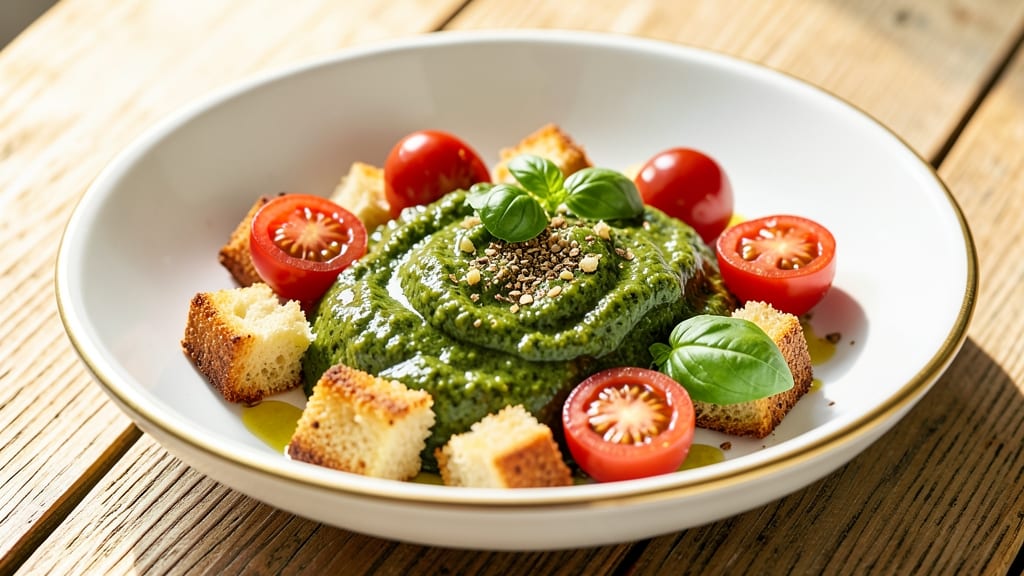
This antipasto sauce recipe transforms simple ingredients into a vibrant, herby condiment that elevates every charcuterie spread or appetizer platter.
The bright combination of fresh basil, garlic, and olive oil creates a versatile sauce that works as a dip, drizzle, or marinade—perfect for adding freshness to cured meats, crusty bread, or roasted vegetables. The secret lies in balancing acidity with richness, ensuring each bite delivers that signature Italian brightness.
The foundation of this sauce is a simple emulsion of olive oil, red wine vinegar, and minced garlic, which forms the base for the aromatic herbs. Fresh basil provides that unmistakable Italian flavor, while a touch of oregano adds depth.
For texture, toasted croutons or sun-dried tomatoes lend crunch, turning this into a sauce that’s as satisfying to eat as it is to serve. It’s a recipe designed for versatility—equally at home on a summer picnic table or a winter holiday board.
What makes this antipasto sauce truly special is its ability to stay fresh for up to a week in the refrigerator, making it ideal for meal prep. The flavors only deepen over time, allowing the garlic and herbs to meld into a harmonious blend.
Whether you’re drizzling it over bruschetta, pairing it with prosciutto, or using it as a dip for fresh mozzarella, this sauce delivers restaurant-quality results with minimal effort.
For an extra layer of complexity, consider adding a splash of lemon juice or a pinch of red pepper flakes to adjust the balance of flavors. The key is to taste as you go—this sauce is meant to be customized to your preference.
Once perfected, it becomes a staple in your culinary arsenal, ready to transform any dish with its bright, herby essence.
Ingredients for antipasto sauce
Bright basil, zesty vinegar, and crisp croutons—this sauce is all about freshness and texture.
| Ingredient | Amount | Notes |
|---|---|---|
| Fresh Basil Leaves 🌿 | 2 cups | Packed, stems removed |
| Extra-Virgin Olive Oil 🫒 | ¾ cup | High-quality, fruity variety |
| Red Wine Vinegar 🍷 | ¼ cup | Dry, robust flavor preferred |
| Garlic Cloves 🧄 | 4 cloves | Minced, fresh preferred |
| Dried Oregano 🌿 | 1 tsp | Italian or Mediterranean blend |
| Toasted Croutons 🍞 | ½ cup | Store-bought or homemade |
| Sun-Dried Tomatoes 🍅 | ¼ cup | Chopped, oil-packed preferred |
| Lemon Juice 🍋 | 1 tbsp | Freshly squeezed |
| Salt 🧂 | ½ tsp | Kosher or sea salt |
| Black Pepper 🌶️ | ¼ tsp | Freshly ground preferred |
The basil is non-negotiable here—farmers market or high-quality grocery store leaves make all the difference. Trader Joe's or Whole Foods usually have the freshest, but any bright green, sturdy stems work. For the olive oil, Californian or Italian varieties add the best fruity notes—avoid the cheap stuff. Toast your croutons until golden; store-bought from the bakery section works, but homemade (toss bread cubes with olive oil and bake) tastes even better. Sun-dried tomatoes? Oil-packed from the Italian aisle keeps them flavorful longer.
No fresh basil? Dried oregano at double the amount gets you close, but nothing beats the real thing. Short on croutons? Toasted breadcrumbs or crushed potato chips add crunch in a pinch. The vinegar can be swapped for lemon juice or balsamic vinegar—just taste as you go. Want more heat? Add red pepper flakes to the mix. The garlic is key—toast the minced cloves in olive oil for 30 seconds before adding to deepen the flavor. And if you're feeling fancy, infuse the olive oil with a bay leaf for an extra aromatic layer.
This sauce keeps beautifully—up to 1 week in the fridge, with flavors actually improving over time. Store in a sealed jar with a thin layer of olive oil on top to preserve freshness. Double the batch and freeze half for later—thaw overnight in the fridge. The croutons stay crispy for about 3 days, so add them last if making ahead. Perfect for drizzling, dipping, or tossing—just give it a quick stir before serving.
Why You'll Love This Recipe
- No-Chop Required: I’ll be real—this sauce only needs a knife for the garlic, and even that’s optional if you’re using pre-minced. The basil? Just tear it. That’s it. No dicing, no stress, just fresh flavor with zero fuss.
- Bright & Bold: The red wine vinegar cuts through the richness of the olive oil like a knife through butter, while the garlic and oregano add this warm, earthy punch. It’s bright enough to stand alone but rich enough to make every bite sing—especially when drizzled over grilled veggies or crusty bread.
- Weeknight Magic: This isn’t just for parties. I make a big batch on Sundays and keep it in the fridge for quick pasta tosses, sandwich upgrades, or even a drizzle over roasted potatoes. It’s my lazy dinner’s secret weapon—no last-minute scrambling, just flavor on demand.
- Pantry Staple Power: Honestly, you’re probably already buying these ingredients. A little olive oil, vinegar, and dried herbs? That’s it. No specialty items, no wasted money—just a sauce that turns simple meals into something special without breaking the bank or cluttering your fridge.
Step-by-step instructions for antipasto sauce
This bright, herby sauce comes together in minutes with fresh ingredients.
Blend the Fresh Herbs and Garlic
Place the 2 cups fresh basil leaves, 4 cloves minced garlic, and 1 tablespoon lemon juice into a food processor. Pulse until the basil is finely chopped and the garlic is completely incorporated. You want a smooth but not completely liquid mixture—just enough to break down the basil while keeping some texture.
This step is where the sauce gets its vibrant green color and fresh flavor. Taste the mixture at this point—it should be bright and slightly garlicky. If it's too strong, add a pinch of the 0.5 teaspoon salt to balance it. The fresh basil is the star here, so don't skip this blending step—it makes all the difference in the final texture and flavor.
Whisk in Olive Oil and Vinegar
Transfer the basil mixture to a large bowl. Slowly drizzle in the 0.75 cup extra-virgin olive oil while whisking continuously. This prevents the oil from separating and helps emulsify the sauce. Once the oil is fully incorporated, add the 0.25 cup red wine vinegar and whisk again until smooth.
Here's the thing—adding the oil slowly is crucial. If you pour it all at once, you'll end up with a greasy separation instead of a silky sauce. The vinegar brightens the flavors and cuts through the richness of the olive oil, creating that perfect balance that makes antipasto sauce so addictive. Taste again after whisking—it should be tangy with a touch of sweetness from the basil.
Season and Fold in Croutons and Tomatoes
Add the 0.5 teaspoon salt, 0.25 teaspoon black pepper, and 1 teaspoon dried oregano to the bowl. Stir well to distribute the seasonings evenly. Then gently fold in the 0.5 cup toasted croutons and 0.25 cup chopped sun-dried tomatoes using a spatula. Be careful not to overmix—you want to keep the croutons and tomatoes distributed throughout without breaking them up.
The croutons add that essential crunch that makes antipasto sauce so satisfying, while the sun-dried tomatoes bring a deep, umami richness. This is where the sauce comes together as more than just a dressing—it becomes a textured, flavor-packed condiment. Taste and adjust seasoning if needed; sometimes the sun-dried tomatoes need a little extra salt to balance their intensity.
Rest and Serve
Let the sauce sit at room temperature for 10 minutes before serving. This brief resting period allows all the flavors to meld together and the textures to settle. The croutons will soften slightly but maintain their crunch, and the basil will release even more of its aromatic oils.
This sauce is perfect for drizzling over bruschetta, tossing with salads, or serving as a dip with crusty bread. The colors should be vibrant—emerald green from the basil, deep red from the tomatoes, and golden croutons throughout. If the sauce looks too thick after resting, whisk in 1-2 teaspoons of water or additional olive oil to reach your desired consistency. Serve immediately while the croutons are still crisp!
Pro Tips For Making Antipasto Sauce
- Pulse the Garlic: I learned this the hard way—crushing garlic cloves with a knife releases too much bitterness. Instead, mince them finely with a few sharp pulses in a food processor, then immediately add them to the olive oil. The heat will mellow the flavor without overpowering the basil.
- Use Cold Oil: Pour your extra-virgin olive oil straight from the fridge into the pan. Cold oil infuses the garlic and basil more evenly, preventing the garlic from burning before the flavors meld. (Yes, even if you’re impatient like me.)
- Strain the Vinegar: Skip the clumpy mess by mixing the red wine vinegar with a teaspoon of water before adding it to the sauce. This keeps the texture silky smooth instead of separating later—trust me, you’ll notice the difference when drizzling it over bruschetta.
- Toast the Oregano: Sprinkle the dried oregano directly into the hot oil for 10 seconds before adding the garlic. It blooms a nutty aroma that cuts through the acidity of the vinegar, making the sauce taste deeper. (Does it look weird? Yes. Does it work? Every single time.)
Best sauces and condiments for antipasto sauce
Classic Garlic Basil
This is the foundational antipasto sauce—bright, herby, and perfectly balanced. The key is using fresh basil (never dried) and high-quality extra-virgin olive oil from Italy or California.
I like to toast the 4 minced garlic cloves in 2 tablespoons of the olive oil for 30 seconds before blending to deepen their flavor. For extra richness, add 1 tablespoon of sun-dried tomato paste to the blend before whisking in the remaining oil. 🌿
For a smoother texture, strain the blended basil mixture through a fine-mesh sieve after processing. This removes any fibrous bits while keeping the vibrant green color. The red wine vinegar should be dry and robust—Bartolo Mascarello or Biondi Santi work beautifully.
If you prefer a sweeter touch, reduce the vinegar to 2 tablespoons and add 1 teaspoon of honey to the final mixture.
Spicy Sun-Dried Tomato
Add 2 tablespoons of chopped sun-dried tomatoes directly to the food processor with the basil and garlic. For heat, include 1 teaspoon of crushed red pepper flakes or 1 anchovy fillet (finely chopped) to the blend.
The anchovy adds a deep umami punch that pairs perfectly with the garlic and basil. I like to toast the sun-dried tomatoes in a dry pan for 1 minute before chopping to intensify their flavor. 🌶️
For a smoky twist, replace 1 tablespoon of olive oil with 1 tablespoon of smoked paprika-infused oil (simmer 1 tablespoon smoked paprika in 1 tablespoon olive oil for 2 minutes, then cool). This works especially well with cured meats like prosciutto or salami.
Store any extra infused oil in the fridge for up to 2 weeks—it’s great for drizzling on soups or roasted vegetables.
Creamy Garlic Yogurt
Swap the olive oil for ½ cup of Greek yogurt (full-fat for best texture) and reduce the vinegar to 2 tablespoons. Add 1 teaspoon of Dijon mustard to help emulsify the yogurt.
This version is lighter but still packed with flavor, making it perfect for drizzling over grilled chicken or roasted potatoes. The yogurt adds a tangy creaminess that balances the garlic beautifully. 🥛
For extra protein, fold in 2 tablespoons of crumbled feta cheese or ricotta salata at the end. If the sauce thickens too much, whisk in 1-2 teaspoons of water or additional yogurt to reach a pourable consistency.
This variation keeps well in the fridge for 4 days—just give it a good stir before serving to redistribute the fats.
Herb-Infused Oil Base
Infuse the olive oil first by simmering 1 cup of oil with 3 minced garlic cloves, 1 sprig of rosemary, and 1 bay leaf for 5 minutes over low heat. Strain and cool before using in place of the regular olive oil.
This method creates a deeply aromatic base that elevates the sauce. For a citrus twist, add 1 teaspoon of zest from a lemon to the infused oil before blending. 🍋
The infused oil keeps for 2 weeks in the fridge, making it a great make-ahead component. Use it in this sauce or drizzle it over grilled vegetables, pasta, or crusty bread.
If you have leftover infused oil, freeze it in ice cube trays for easy portioning—just thaw and use as needed.
Storage and Shelf Life
Store your antipasto sauce in an airtight glass container in the fridge for up to 7 days. The flavors actually improve as the garlic and herbs meld together.
To preserve freshness, press a parchment paper directly onto the sauce’s surface before sealing the lid—this prevents oxidation and keeps the basil vibrant. For longer storage, freeze the sauce (without croutons) in silicon molds or ice cube trays for easy single-serving portions. 🧊
When reheating, gently warm the sauce in a saucepan over low heat for 2-3 minutes—never microwave it, as this can turn the oil greasy. If the sauce separates after refrigeration, whisk vigorously to re-emulsify.
For croutons, toast fresh ones just before serving to maintain their crunch. The sauce is best used within 3 days of adding croutons for optimal texture.
Nutrition facts
Frequently asked questions
Can I make this antipasto sauce without fresh basil?
Yes, but the flavor will be different. Use 2 tablespoons of dried basil (or 1 tablespoon dried oregano) instead, but it won’t have the same bright, fresh taste. For a closer substitute, try 2 tablespoons of finely chopped parsley or cilantro, though neither will perfectly replicate basil’s unique aroma.
How do I prevent the sauce from separating?
Whisk the olive oil into the vinegar mixture slowly and continuously to create an emulsion. If it separates later, simply whisk vigorously to recombine. Adding 1 teaspoon of Dijon mustard or a splash of lemon juice can also help stabilize the texture.
What are the best ways to use leftover antipasto sauce?
This versatile sauce works as a marinade for grilled meats, a dressing for salads, or a dip for veggies. Try drizzling it over pizza before baking, mixing it into pasta, or using it as a base for homemade crostini. The flavors deepen when stored, so it’s even better the next day!
Can I make this sauce spicier?
Add ½ to 1 teaspoon of red pepper flakes or a pinch of cayenne to the blend. For a smoky kick, replace 1 tablespoon of olive oil with smoked paprika-infused oil. Adjust to taste—start small and add more if needed.
Why do my croutons get soggy?
Croutons absorb moisture over time, so add them just before serving. If making ahead, store them separately and toast fresh when ready. For extra crunch, use breadcrumbs instead—they stay crisp longer. Alternatively, fold in 1 tablespoon of olive oil with the croutons to help them hold up.