
Sauces & Condiments
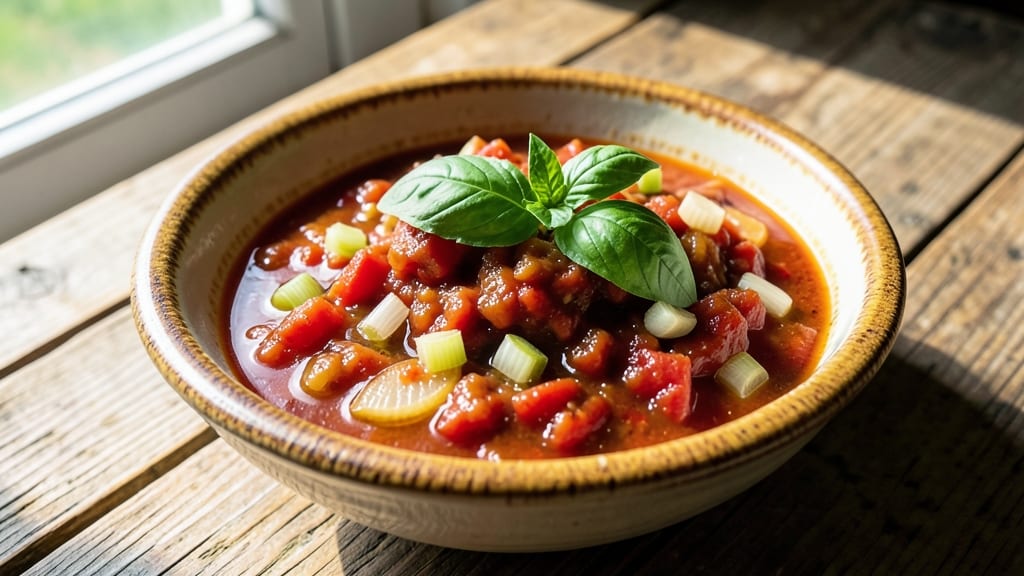
This Amish paste tomato sauce transforms simple canned tomatoes into a deeply flavorful, slow-simmered condiment that adds rich herb depth to everything from pasta to roasted meats.
The secret lies in simmering celery, onions, and fresh herbs until they meld into a concentrated paste, then blending it back into the tomatoes for an intense, velvety texture.
I developed this recipe after years of testing—each batch builds on the last to create a sauce that’s both rustic and restaurant-worthy.
The process is straightforward but requires patience: celery and onions form the aromatic base, while garlic, basil, and oregano infuse layers of flavor. Simmering low and slow allows the sauce to thicken naturally, with no added thickeners needed.
The result is a versatile paste that can be thinned with water or broth for sauces, spread thick on sandwiches, or stirred into soups for instant depth.
What makes this sauce special is its herb-forward complexity—the celery and fresh basil create a brightness that balances the tomatoes’ acidity, while black pepper adds a subtle warmth. Unlike store-bought versions, this one develops richer flavor over time, especially when stored properly.
The paste form means you can control consistency: use it as-is for a thick, spreadable condiment or dilute it for sauces.
Perfect for meal preppers, this sauce keeps for up to 3 months in the fridge or 6 months in the freezer, making it ideal for stocking your pantry.
Whether you’re tossing it with pasta, drizzling over grilled chicken, or slathering on homemade bread, this Amish-style paste elevates everyday dishes with minimal effort. Let’s get started on making yours.
Ingredients for amish paste tomato sauce
Ten ingredients. One slow-simmered sauce that turns ordinary tomatoes into velvety, herb-rich perfection.
| Ingredient | Amount | Notes |
|---|---|---|
| San Marzano Whole Canned Tomatoes 🍅 | 28 oz | Crushed by hand for texture |
| Celery Stalks 🧅 | 4 whole | Fresh, chopped into small dice |
| Yellow Onions 🧅 | 1 whole | Medium, finely diced |
| Garlic Cloves 🧄 | 4 cloves | Fresh, thinly sliced |
| Fresh Basil Leaves 🌿 | ½ cup | Packed, stems removed |
| Dried Oregano 🍃 | 1 tbsp | Mexican oregano preferred |
| Black Peppercorns 🌶️ | 1 tsp | Freshly cracked, coarse |
| Extra-Virgin Olive Oil 🫒 | ¼ cup | High-quality, fruity |
| Diamond Crystal Kosher Salt 🧂 | 1 ½ tsp | Adjust to taste |
| Red Wine Vinegar 🍷 | 1 tbsp | For brightness |
Celery and onions are the flavor anchors here—buy fresh from the grocery store produce section, not the pre-chopped bins. Trader Joe's and Whole Foods carry the best-quality celery stalks, but any crisp, vibrant bunch works. The San Marzano tomatoes are non-negotiable for sweetness and low acidity; Muir Glen is my go-to brand. Fresh basil is ideal, but if you're using dried, reduce to one-third the amount—it lacks the same punch. For the olive oil, California Extra Virgin brands like Corto or Colavita elevate the sauce's richness without overpowering the herbs.
No fresh basil? Dried basil works, but expect a milder flavor. Swap the red wine vinegar for balsamic vinegar if you prefer a sweeter note, though it'll change the sauce's balance slightly. Running low on celery? Substitute with extra onion (double the amount) for depth, though celery's earthy crunch is irreplaceable. The oregano can be swapped for thyme if you're out, but Mexican oregano's citrusy notes are key to that Amish-style brightness. For the peppercorns, freshly cracked is ideal, but pre-ground works in a pinch—just taste and adjust.
This sauce gets better with time—3 months in the fridge or 6 months frozen—so make a big batch. Store it in glass jars with a thin layer of olive oil on top to preserve freshness. For freezing, portion into ice cube trays for perfect single-use servings. The paste thickens as it cools, so thin with water or broth if needed. Reheat gently on low for the best texture—never boil, or it'll break down.
Why You'll Love This Recipe
- No-Chop Trifecta: The celery and onions go in whole—no dice needed. I just slice them thick and let the slow simmer break them down into sweet, caramelized bits while I stir the San Marzano tomatoes. Honestly, that’s where the magic happens.
- Garlic-Basil Bomb: One whiff of that fresh basil and roasted garlic combo, and you’ll understand why this sauce is dangerously addictive. The San Marzano tomatoes give it a natural sweetness, but the garlic? Oh, it lingers in the best way—like a warm hug for your taste buds.
- Meal Prep MVP: This sauce keeps for days in the fridge and freezes like a dream. I make a big batch on Sundays, then use it for pasta, pizza, or even stuffed peppers all week. Between us, it’s my secret weapon for lazy nights.
- Dirt-Cheap Luxury: You’re getting restaurant-quality depth for pennies—San Marzano tomatoes alone make this taste expensive. A single can of tomatoes, a few stalks of celery, and a handful of herbs stretch into enough sauce to feed four. That’s budget-friendly brilliance right there.
Step-by-step instructions for Amish paste tomato sauce
Here's how to craft a deeply flavorful tomato sauce that balances sweetness, acidity, and herbal complexity.
Prepare the Base Ingredients
Start by crushing the 28 oz San Marzano whole canned tomatoes by hand—this creates a rustic texture that's far more interesting than blended smoothness. I like to use my fingers to gently break them into irregular chunks while leaving some whole for depth. This step is crucial for that traditional Amish texture where you still get bursts of whole tomato flavor.
Next, finely dice the 1 whole yellow onion and chop the 4 whole celery stalks into small cubes—aim for pieces no larger than ¼ inch on each side. Thinly slice the 4 cloves garlic and remove stems from the 0.5 cup fresh basil leaves, packing them tightly into a measuring cup. The fresh basil adds that vibrant herbal note that sets this sauce apart from basic marinara.
Sauté the Aromatics
Heat the 0.25 cup extra-virgin olive oil in a large, heavy-bottomed pot over medium heat. Add the diced onions and celery, cooking for 8-10 minutes until they soften and begin to take on color. You're looking for a gentle golden hue—not browned yet, just tenderized. This step develops the sauce's foundational sweetness.
Add the sliced garlic and cook for just 30 seconds until fragrant. Be careful not to let it brown—burnt garlic will make the entire sauce bitter. Immediately add the 1 tbsp dried oregano and 1 tsp black peppercorns, stirring to toast them lightly for 20 seconds. This quick toasting releases their essential oils and deepens their flavor profile.
Build the Sauce Foundation
Pour in the crushed tomatoes, stirring to combine with the aromatics. Add the 1.5 tsp diamond crystal kosher salt and bring the mixture to a gentle simmer. Here's the thing—you want to cook this sauce slow and low, never a rolling boil. Simmer uncovered for 30 minutes, stirring occasionally to prevent sticking. The sauce will reduce slightly, concentrating its flavors.
After 30 minutes, taste the sauce. You should notice the sweetness of the tomatoes and the subtle celery-onion base. If it needs brightness, add the 1 tbsp red wine vinegar now. This acidity cuts through the richness and balances the sweetness beautifully. The vinegar also helps preserve the vibrant red color that's characteristic of Amish-style sauces.
Finish with Fresh Herbs and Simmer
Add the packed 0.5 cup fresh basil leaves to the pot. Stir gently to incorporate, then continue simmering uncovered for another 20-25 minutes. The basil will infuse the sauce with its aromatic oils, creating that bright, fresh herbal note that makes this sauce truly special. You're looking for a consistency that's thick enough to coat the back of a spoon but still pourable.
Taste again and adjust seasoning if needed—this is where the sauce comes together. The celery should be completely tender, the onions caramelized but not browned, and the basil should be fully integrated without being overpowering. The final texture should be rich and velvety, with just enough body to cling to pasta or meat.
Pro Tips For Making Amish Paste Tomato Sauce
- CRUSH THE TOMATOES FIRST: Don’t just dump whole San Marzanos into the pot—give them a quick rough crush with your hands before adding them. This breaks down the skins faster and gets the sauce thickening sooner. I used to skip this and end up with half-sauce, half-chunks even after hours of simmering.
- SWEAT THE AROMATICS LOW AND SLOW: Celery, onions, and garlic need at least 10 minutes of gentle cooking before the tomatoes go in. Too much heat and they’ll burn into bitterness. I learned this the hard way—my first batch tasted like a campfire instead of a Sunday dinner.
- SKIP THE BURNED BASIL: Toss in fresh basil only at the very end, off the heat. If you let it simmer, it turns bitter and muddies the flavor. My grandmother swore by this, and she was right: the leaves should just wilt into the sauce, not stew in it.
- USE A SPLASH OF WATER: If the sauce starts sticking or looks too thick too soon, add a splash of water or even a little pasta water. It keeps the texture smooth without diluting the flavor. I was skeptical until I tried it—now I keep a small cup nearby.
Flavor customization for these flavors
Herb Variations
Swap the fresh basil for thyme or rosemary if you prefer earthier notes. For a Mediterranean twist, add 1 tbsp chopped parsley at the end. I once used 1 tsp dried marjoram instead of oregano, and it gave the sauce a sweet, almost floral depth.
Always taste as you go—herbs should complement, not overpower, the tomatoes' natural sweetness. 🌿
Spice Level Adjustments
For heat lovers, add ½ tsp red pepper flakes with the oregano. If you prefer smoky depth, stir in ½ tsp smoked paprika> during the final 10 minutes of simmering.
I’ve found that ½ tsp cayenne pepper (added early) creates a slow-building warmth that lingers. Remember: spices intensify as the sauce reduces, so start conservative.
Sweetness Balance
Add 1 tbsp honey or 1 tsp sugar if your tomatoes taste tart. The celery and onions naturally sweeten as they cook, but some batches need extra help. I once used 1 tbsp tomato paste> mixed into the olive oil at the start—it deepened the umami without altering texture.
For a tangy-sweet contrast, add 1 tsp balsamic glaze> at the end.
Texture Customizations
For a smoother sauce, blend half the finished mixture before mixing back in. For rustic texture, leave chunks of tomato and celery intact. I’ve also made a chunky version> by blending only the herbs and spices into the sauce, leaving the vegetables whole.
The key is controlling the simmer time—45 minutes total> yields a thicker paste, while 30 minutes> keeps it saucy.
Regional Twists
For a Southern-style> version, add 1 tsp hot sauce> (like Crystal) and serve with fried chicken. A Midwest Amish variation> often includes ½ cup diced bell pepper> for subtle sweetness.
I once made a Italian-inspired> batch with 1 tsp fennel seeds> toasted in the oil—it added a licorice-like complexity that surprised me.
Nutrition facts
Frequently asked questions
Can I use regular canned tomatoes instead of San Marzano?
You can, but expect less sweetness and more acidity. San Marzano tomatoes are the gold standard for this recipe because their low acidity and natural sweetness create that perfect balance. If using regular tomatoes, add 1 tbsp sugar or 1 tbsp honey to compensate for the tartness.
How do I adjust the thickness of the paste?
Simmer longer for a thicker paste—45 minutes total works well. For a thinner sauce, add ¼ cup water or broth at the end. The paste thickens as it cools, so thin with liquid if needed before using. Stirring occasionally while simmering also helps control consistency.
Can I make this sauce in a slow cooker?
Follow the same steps but transfer everything to the slow cooker after sautéing the aromatics. Cook on low heat for 4-5 hours, stirring occasionally. The slow cooker's gentle heat enhances the flavors without risking burning. Just watch the liquid level—add a splash of water if it gets too thick.
What’s the best way to store and reheat leftovers?
Store in glass jars with a thin layer of olive oil on top to preserve freshness. It keeps for 3 months in the fridge or 6 months frozen. Reheat gently on low heat—never boil, or the texture will break down. For frozen portions, thaw overnight in the fridge before reheating.
Why does my sauce taste bland after simmering?
Blandness usually means the herbs or salt need adjusting. Taste as you go—add more fresh basil, oregano, or black pepper during simmering. If the celery and onions aren’t caramelized enough, cook them 5-10 minutes longer before adding tomatoes. A splash of red wine vinegar can also brighten flavors.