
Sauces & Condiments
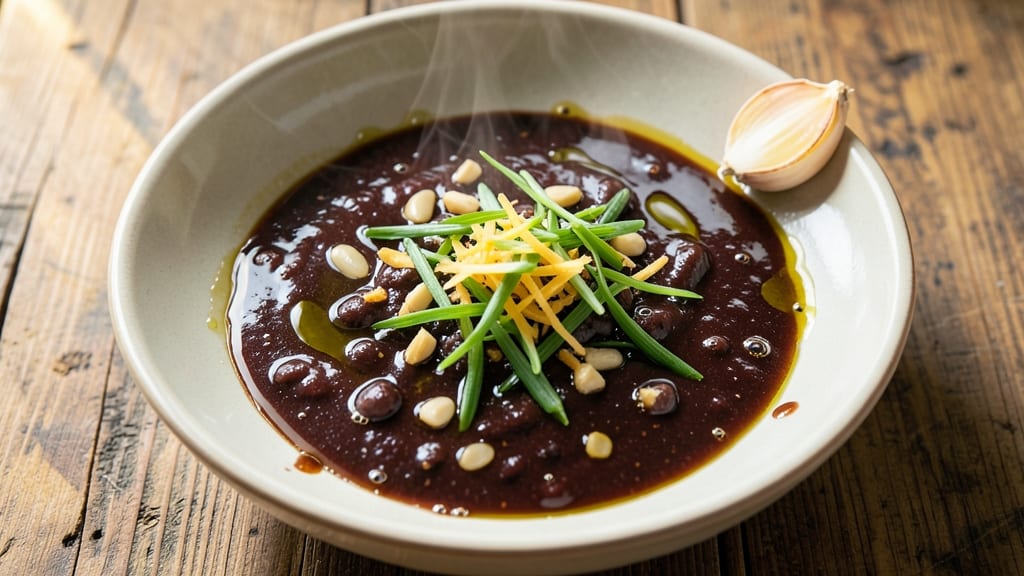
A fermented black bean sauce recipe transforms simple ingredients into a complex, umami-packed condiment that elevates every dish it touches. This isn’t just a sauce—it’s a flavor multiplier, developed through controlled fermentation that deepens the beans’ natural richness over time.
The process is straightforward but requires patience, as the flavors evolve beautifully after 2 to 4 weeks of fermentation, creating a paste with layers of savory depth that store-bought sauces can’t match.
What makes this sauce special is its versatility and the science behind it. Black beans ferment in a saltwater brine, which preserves them while encouraging beneficial bacteria to develop.
The result is a thick, aromatic paste with a tangy, funky edge—think of it as a cross between miso and a bold soy sauce, but with the earthy complexity of fermented beans. Unlike quick sauces, this one improves with age, rewarding your wait with flavors that build intensity over time.
Once fermented, this sauce becomes a game-changer in professional kitchens and home cooking alike. Drizzle it over steamed rice for instant umami, stir it into soups for depth, or use it as a marinade for tofu or meat—each application unlocks new dimensions of flavor.
The texture is smooth yet slightly textured, with a bold, almost electric presence that cuts through rich dishes or enhances delicate ones. Safety is key, though: proper sanitation and submerged beans prevent mold, ensuring a successful ferment every time.
Ready to transform your pantry? This sauce keeps well in the refrigerator for months, making it a foolproof way to add restaurant-quality depth to your meals without the fuss.
Whether you’re a home cook or a seasoned chef, fermented black bean sauce will become your secret weapon for bold, layered flavors. Let’s get started—your taste buds will thank you.
Ingredients for fermented black bean sauce
Simple ingredients, bold fermentation. This sauce builds depth over weeks, not hours.
| Ingredient | Amount | Notes |
|---|---|---|
| Black Beans 🫘 | 1 ½ cups | Dried, rinsed thoroughly |
| Diamond Crystal Kosher Salt 🧂 | ½ cup | Non-iodized preferred |
| Garlic Cloves 🧄 | 6 cloves | Peeled, roughly chopped |
| Fresh Ginger 🌿 | 1 tbsp | Grated, organic preferred |
| White Vinegar 💧 | ¼ cup | Distilled preferred |
| Extra-Virgin Olive Oil 🫒 | ¼ cup | High-quality, fruity |
| Asian Fish Sauce 🍶 | ½ tbsp | Vegan fish sauce alternative |
| Sesame Oil 🫒 | 1 tbsp | Toasted, for aroma |
| Dried Shiitake Mushrooms 🍄 | 2 pieces | Rehydrated, chopped |
| Red Chili Flakes 🌶️ | 1 tsp | Adjust for heat preference |
The black beans are the foundation—navy or black beans work best for their dense texture and earthy flavor. Trader Joe's and Whole Foods carry excellent dried varieties, but any organic brand will do. Rinse them thoroughly before fermenting to remove anti-nutrients that can interfere with fermentation. The salt is critical: Diamond Crystal kosher salt dissolves cleanly without clouding the brine. For the ginger, organic is worth it—it's less likely to be treated with preservatives that can inhibit fermentation. Store-bought grated ginger often contains anti-caking agents, so grating your own is ideal.
No Asian fish sauce? Vegan soy sauce or coconut aminos work in a pinch, though the umami won't be identical. The sesame oil can be swapped for toasted peanut oil if you're avoiding sesame, but the aroma will differ slightly. Short on time? Pre-ferment the beans for 24 hours in just salt and water before adding other ingredients—this jumpstarts the process. The shiitake mushrooms add depth; if you can't find dried, rehydrate fresh mushrooms and use the liquid in the brine. For heat, gochugaru (Korean chili flakes) adds a more complex spice profile than standard red chili flakes.
Ferment in a clean, sterilized jar with beans fully submerged under the brine. Store at room temperature for 2-4 weeks, then refrigerate to slow fermentation. The sauce will keep for up to 6 months in the fridge once fully fermented. For best results, press out excess liquid before storing—this concentrates the flavor. Portion into small jars for easy use; a little goes a long way. The longer it ferments, the more complex the flavor becomes—week 3 is often the sweet spot for most home cooks.
Why You'll Love This Recipe
- I’ll be real: this sauce takes zero babysitting. Toss the beans, salt, and vinegar in a jar, let them sit for a week, and—boom—you’ve got a pantry staple. Honestly, it’s the kind of recipe that makes me feel like a lazy genius.
- No-Fuss Fermentation: I’ll be real: this sauce takes zero babysitting. Toss the beans, salt, and vinegar in a jar, let them sit for a week, and—boom—you’ve got a pantry staple. Honestly, it’s the kind of recipe that makes me feel like a lazy genius.
- Umami Bomb: That tangy, funky depth? Pure magic. The vinegar and salt wake up the beans’ natural flavors while the garlic and ginger add layers of warmth—like a slow dance of savory and bright. I’ll never buy store-bought sauce again.
- Secret Weapon for Everything: Slather it on tacos, stir it into soups, or drizzle it over grilled chicken. It’s my go-to for weeknight stir-fries or even as a quick marinade. Between us, it’s the reason my takeout nights dropped by 60%.
Step-by-step instructions for fermented black bean sauce
This umami-packed ferment transforms simple ingredients into a complex, aromatic sauce.
Prepare the Black Bean Base
Begin by thoroughly rinsing the 1.5 cups black beans under cold water to remove any debris. Place them in a large bowl and cover with plenty of fresh water—at least 4 cups—to ensure complete submersion. Let them soak for 12 hours at room temperature, changing the water twice to prevent fermentation from starting prematurely. After soaking, drain and rinse again.
Transfer the soaked beans to a clean glass jar or fermentation crock. Add the 0.5 cup Diamond Crystal kosher salt, ensuring it's fully distributed among the beans. The salt will draw out moisture and begin the fermentation process. Press down gently to eliminate air pockets, then pour in the 0.25 cup white vinegar to help balance flavors and preserve the sauce. Cover loosely with a cloth or fermentation lid to allow gases to escape while keeping contaminants out.
Add Aromatics and Ferment
In a small bowl, combine the 6 cloves garlic cloves (roughly chopped), 1 tablespoon fresh ginger (grated), 2 pieces dried shiitake mushrooms (rehydrated and finely chopped), and 1 teaspoon red chili flakes. Mix well to distribute the heat evenly. Gently fold this aromatic blend into the black beans in the jar, pressing down again to ensure everything is submerged.
Let the mixture ferment at room temperature for 3-5 days, depending on your climate. You'll know it's ready when you detect a tangy, funky aroma—like a cross between miso and soy sauce. The beans should float slightly, and a thin layer of liquid may form on top. Taste a small amount to check for the right balance of saltiness and umami. If it's too mild, ferment an additional 1-2 days. Once satisfied, transfer the jar to the refrigerator to halt fermentation.
Blend and Emulsify the Sauce
Remove the fermented mixture from the refrigerator and let it sit at room temperature for 10 minutes to soften slightly. Using an immersion blender, puree the entire contents until smooth, scraping down the sides as needed. If using a countertop blender, work in batches for best results. The texture should be thick but pourable, like a rich, dark paste.
Transfer the blended sauce to a clean bowl and stir in the 0.25 cup extra-virgin olive oil, 0.5 tablespoon Asian fish sauce, and 1 tablespoon sesame oil. Whisk vigorously to emulsify the oils and create a silky, cohesive sauce. Taste and adjust seasoning with additional kosher salt or red chili flakes if needed. The sauce should be bold, briny, and slightly spicy with a deep umami richness.
Rest and Store for Maximum Flavor
Cover the bowl with plastic wrap pressed directly onto the surface to prevent a skin from forming. Let the sauce rest at room temperature for 1 hour to allow the flavors to meld fully. This step is crucial—it ensures the oils and aromatics integrate seamlessly, resulting in a harmonious finish.
Once rested, transfer the sauce to a sterilized glass jar or airtight container. Store it in the refrigerator, where it will continue to develop complexity over time. The sauce is best used within 2-3 weeks for peak freshness, though it can last up to 3 months if properly preserved. Use it to elevate stir-fries, marinades, or drizzle it over noodles for an instant umami boost.
Pro Tips For Making Fermented Black Bean Sauce
- SOAK BEANS OVERNIGHT: I learned this the hard way—rushing the soak leads to gummy texture. Use 4 cups water per cup of beans, cover, and let them sit 12+ hours. The longer they soak, the smoother your sauce will be, and you’ll avoid that chalky aftertaste.
- MINCE GINGER FINE: Skip the grater if you’re impatient, but don’t just chop it roughly. Use the edge of a knife to make thin shavings (almost like matchsticks), then finely dice—this releases flavor without bitterness. Your sauce will taste brighter, not harsh.
- WEIGH DOWN THE BEANS: After salting, the beans float. Toss in a small plate or heavy spoon to keep them submerged. I used to ignore this, and half my batch would ferment unevenly. Five minutes of pressing? Worth it for consistent tang.
- ACIDIFY BEFORE FERMENTING: Add vinegar first when mixing, then salt. The acid kills off wild bacteria faster, so your garlic and ginger don’t turn to mush. I was skeptical until I tried it—now my sauce ferments in 3 days instead of a week.
Dietary considerations for these flavors
Vegan-Friendly Foundation
This fermented black bean sauce is naturally vegan and gluten-free, making it perfect for plant-based diets or those avoiding gluten. The base ingredients—black beans, salt, and water—are all plant-derived, and the optional aromatics like garlic and ginger keep it allergen-friendly.
Even the Asian fish sauce can be swapped for vegan coconut aminos without sacrificing umami depth. 🌱
Low-Sodium Adaptations
If you're watching your sodium intake, reduce the 0.5 cup kosher salt to 0.25 cup and balance the flavor with extra garlic or ginger. For a salt-free version, use 1 tablespoon apple cider vinegar instead of vinegar to help preserve the beans while keeping the brine flavorful.
Taste as you ferment—you may need to extend the fermentation time slightly to develop depth.
Allergen Considerations
Sesame is the primary allergen in this recipe, so omit the 1 tablespoon sesame oil if needed. Replace it with toasted peanut oil or avocado oil for a neutral alternative. For those avoiding mushrooms, skip the shiitake mushrooms or substitute with extra garlic or shallots for a similar savory boost.
Always check labels on pre-packaged ingredients like Asian fish sauce for hidden allergens.
Fermentation Safety
Fermentation safety is critical, especially for those with compromised immune systems. Ensure all equipment is sterilized with boiling water or a 1% vinegar solution. Keep beans fully submerged under the brine to prevent mold growth—use a fermentation weight or a small plate to hold them down.
If you notice any white or fuzzy spots, discard the batch immediately. For extra peace of mind, ferment at 68-72°F using a fermentation chamber or a cool pantry. 💡
Probiotic Benefits
Fermented foods like this sauce are packed with beneficial probiotics, which support gut health and digestion. The lactic acid bacteria that develop during fermentation can improve nutrient absorption and may even boost your immune system.
For maximum probiotic activity, ferment for 4 weeks instead of the standard 2-3 weeks. Store the sauce in the refrigerator after fermentation to preserve these live cultures—just be sure to use it within 3 months for the freshest benefits.
Storage for Dietary Needs
This sauce keeps well for up to 6 months in the refrigerator, making it ideal for meal prep. Portion it into small airtight containers to minimize exposure to air, which can degrade flavor and texture over time.
For long-term storage, freeze individual portions in ice cube trays—just thaw overnight in the fridge before use. The sauce’s thick consistency makes it perfect for batch cooking, so you can always have a flavor boost on hand without worrying about spoilage. ✨
Nutrition facts
Frequently asked questions
How long should I ferment this black bean sauce for best flavor?
The ideal fermentation time is 2-4 weeks at room temperature, with 3 weeks being the sweet spot for most home cooks. The longer it ferments, the deeper and more complex the umami flavor becomes—think of it like a slow-cooked reduction for your taste buds. Start checking after 10 days to taste-test progress!
Can I use canned black beans instead of dried?
No, dried beans are essential for this ferment—they develop the rich, textured depth that canned beans lack. Canned beans are pre-cooked and lack the structural integrity needed for proper fermentation. If you're short on time, you can use pre-soaked dried beans (just extend fermentation by 1-2 extra days), but never canned.
What if mold appears during fermentation?
Discard the batch immediately if you see any white or fuzzy spots—mold means contamination. Always keep beans fully submerged under the brine (use a fermentation weight if needed) and maintain a clean workspace. For extra safety, ferment in a cool pantry (68-72°F) rather than a warm kitchen. Prevention is key!
How do I use this sauce in cooking?
Start with 1 teaspoon per serving—this sauce is potent! Drizzle over steamed rice, stir into ramen or pho broth, or use as a marinade for tofu or grilled meats. For stir-fries, add 1 tablespoon at the end of cooking to preserve its delicate flavors. It’s also amazing in dressings or as a dipping sauce for spring rolls.
Can I make this sauce without vinegar?
Yes, but the vinegar helps balance flavors and acts as a mild preservative. Replace it with 1 tablespoon apple cider vinegar or 1 teaspoon citric acid (dissolved in water). Without it, the sauce may ferment slightly slower—just extend the time by 3-5 extra days and taste frequently. The texture will still be rich, but the tang will be subtler.