
Sauces & Condiments
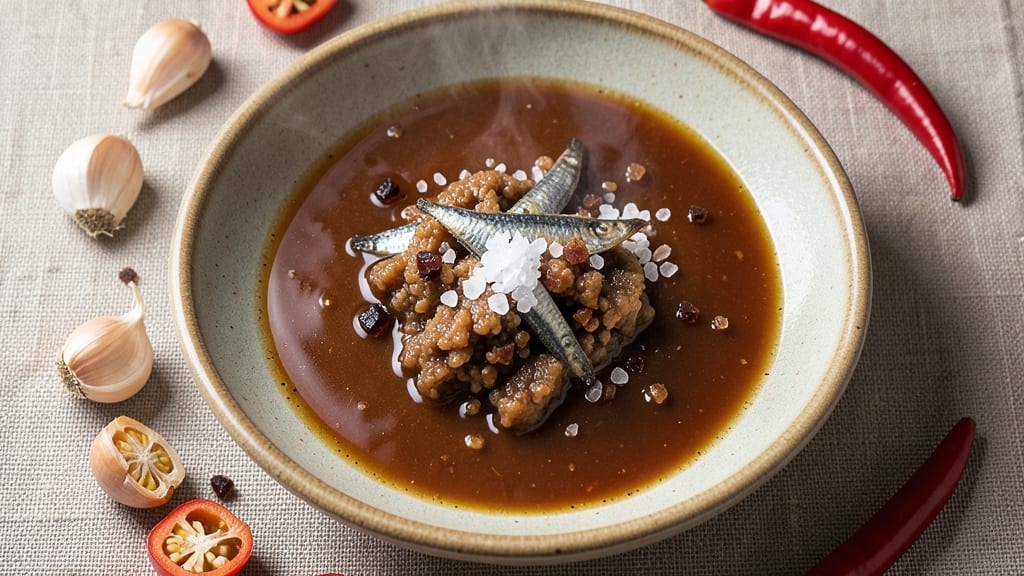
This Asian fish sauce recipe transforms simple ingredients into a liquid gold that elevates every dish with its signature umami depth. Fermented over time, it develops complex, salty-sweet flavors that form the backbone of Vietnamese, Thai, and Chinese cuisine—think pho broths, stir-fries, and even cocktails.
The process is straightforward but requires patience, as the flavors evolve beautifully with age.
At its core, authentic fish sauce relies on just three key ingredients: high-quality fish (traditionally anchovies or fermented shrimp), salt, and water. Optional additives like garlic, sugar, or chili can customize the flavor profile, but the magic happens during fermentation—where enzymes break down proteins into rich, savory compounds.
For a quicker version, a cold-process method skips aging, delivering bold results in just days.
What makes this sauce indispensable is its versatility—drizzle it over noodles, reduce it into a glaze, or use it as a marinade base. A properly fermented batch will keep for years, deepening in flavor with time.
The key to success lies in balancing salt levels and maintaining proper fermentation conditions, whether you're crafting a traditional Vietnamese nuoc mam or a modern, infused variation.
Once complete, this sauce becomes your pantry's secret weapon, transforming simple meals into restaurant-quality dishes. Whether you're a home cook or a seasoned chef, mastering this recipe unlocks a world of bold, umami-rich possibilities. Let’s get started on creating your own batch.
Ingredients for asian fish sauce
Three core ingredients plus optional layers for depth—crafting authentic umami richness.
| Ingredient | Amount | Notes |
|---|---|---|
| Anchovies (or Fermented Shrimp) 🐟 | 2 lbs | Fresh or salted, cleaned and rinsed |
| Coarse Sea Salt 🧂 | 1 ½ cups | Non-iodized, like Maldon or Diamond Crystal |
| Filtered Water 💧 | 1 ½ cups | Chlorine-free for pure flavor |
| Garlic Cloves 🧄 | 6 whole | Crushed for infusion (optional) |
| Brown Sugar 🍯 | ¼ cup | Light or dark, for balance (optional) |
| Red Chili Peppers 🌶️ | 2 whole | Dried or fresh, for heat (optional) |
| White Vinegar 🍶 | ½ cup | For acidity and preservation (optional) |
| Coriander Seeds 🌿 | 1 tbsp | Toasted for aroma (optional) |
The foundation begins with anchovies or fermented shrimp—Red Boat or Thai brands deliver superior quality for authentic umami. Look for small, clean fish with minimal odor, as these ferment more cleanly. Costco or Asian markets typically carry the best selections. If using salted anchovies, rinse thoroughly to remove excess salt. The coarse sea salt should be non-iodized to avoid flavor interference—Diamond Crystal is a professional standard. For water, filtered or distilled ensures purity, avoiding chlorine or metallic tastes that can alter fermentation.
Optional ingredients allow customization: garlic and coriander seeds deepen aromatic complexity, while brown sugar and chili balance saltiness with subtle sweetness and heat. Substitute white vinegar with apple cider vinegar for fruity notes, though traditional recipes rely on its sharp acidity. If omitting garlic, asafetida powder (1/4 tsp) can mimic its savory depth. For a quicker version, skip fermentation and use a 1:1 ratio of fish to salt with 1 cup water, straining after 24 hours for instant umami—though aged versions develop richer, more complex layers over 3-6 months.
Fermented batches require airtight glass containers stored in a cool, dark place (55-65°F ideal). Stir daily for 10 days to distribute brine, then store submerged in liquid to prevent mold. Unopened, aged sauce lasts 2+ years; once opened, refrigerate and use within 6 months. For quick use, pasteurize (160°F for 10 minutes) to extend shelf life. Always strain before use—sediment adds texture but can be gritty. Label with date to track fermentation progress.
Why You'll Love This Recipe
- Pantry-to-Bottle Speed: I swear this takes less time than waiting for takeout. Toss in dried anchovies, a pinch of salt, and garlic—no fancy equipment, just a jar and patience. The brown sugar caramelizes right in the brine, so you’re basically making and seasoning at once.
- Umami Bomb: That first crack of garlic in hot oil? Then the fermented shrimp hits—chef’s kiss—salty, funky, layered with just enough sweetness. It’s the kind of depth you’d pay $20 for in a restaurant, but here? It’s your secret weapon for $5.
- Works Everywhere: Drizzle it on noodles, toss it in stir-fries, or use it to glaze grilled fish—this stuff elevates without stealing the spotlight. Honestly, I’ve even used it in marinades for chicken thighs, and my kids still ask for seconds. (Yes, even on a Tuesday night.)
- No-Waste Goldmine: A little goes a long way, so you’ll have jars stashed for months. Fermented shrimp lasts forever, and the saltwater brine keeps it fresh. Budget win? Absolutely. Flavor win? Even bigger. I’ve got three jars in my pantry right now—because why buy store-bought when this is better?
Step-by-step instructions for fermented Asian fish sauce
This traditional fermentation process transforms simple ingredients into a deeply flavorful condiment.
Prepare the Anchovies and Salt Mixture
In a large, non-reactive ceramic or glass bowl, combine the 2 lbs anchovies (or fermented shrimp) with the 1.5 cups coarse sea salt. Using clean hands, gently crush the anchovies to create a coarse paste—this maximizes surface area for fermentation. The salt will begin drawing out moisture immediately, forming a thick, briny slurry. If using salted anchovies, rinse them thoroughly first to remove excess saltiness, which can interfere with fermentation balance.
Spread the mixture evenly across the bowl's surface, creating a thin layer no deeper than ½ inch. This prevents uneven fermentation and ensures consistent flavor development. Cover loosely with plastic wrap and let sit at room temperature for 24 hours. This initial resting period allows the salt to fully extract moisture and begin breaking down the fish proteins.
Infuse with Aromatics and Acid
After the 24-hour rest, transfer the anchovy-salt mixture to a 4-quart glass jar with an airtight lid. Add the 6 whole garlic cloves (lightly crushed), 2 whole red chili peppers (roughly chopped), 1 tbsp toasted coriander seeds, 0.25 cup brown sugar, and 0.5 cup white vinegar. The vinegar introduces beneficial acidity that preserves the mixture while enhancing fermentation.
Pour in the 1.5 cups filtered water, leaving about 1 inch of headspace at the top. Seal the jar tightly and shake vigorously for 30 seconds to ensure all ingredients are fully submerged. This step is critical—any exposed ingredients risk mold growth. Store the jar in a dark, warm place (75-80°F) where it will remain undisturbed for 4-6 weeks. The warm environment accelerates fermentation while maintaining safety.
Monitor Fermentation and Strain
After 2 weeks, open the jar and check for fermentation progress. You'll notice a slightly bubbly liquid and a pungent, umami-rich aroma developing. If the mixture has separated, stir gently to redistribute solids. Continue fermenting for a total of 4-6 weeks, tasting periodically after the 4-week mark. The sauce should taste salty, tangy, and deeply savory—similar to traditional fish sauce but with added complexity from the aromatics.
Once fermentation is complete, strain the mixture through a fine-mesh sieve or cheesecloth into a clean glass bottle or jar. Press firmly on the solids to extract maximum liquid. Discard the leftover anchovy solids—their purpose was to infuse flavor, not to be consumed. The strained liquid is your Asian fish sauce base, ready for immediate use or further aging for deeper flavor development.
Age and Store for Optimal Flavor
Transfer the strained fish sauce to a sterilized glass bottle with an airtight lid. Store in a cool, dark place (like a pantry) for at least 2 weeks to allow flavors to meld. The sauce will continue developing complexity over time—3 months yields the most balanced profile. When ready to use, shake the bottle gently before each serving to redistribute any settled sediments.
This fermented fish sauce keeps indefinitely when properly stored. The white vinegar acts as a natural preservative, while the coarse sea salt maintains microbial safety. Use it as a dipping sauce, marinade base, or umami enhancer in soups, stir-fries, and dressings. Start with 1 teaspoon and adjust to taste—its concentrated flavor packs a punch.
Pro Tips For Making Asian Fish Sauce
- Boil Garlic Slow: After burning three batches, I finally figured out that simmering whole garlic cloves in the water for 15-20 minutes—until they’re soft but not falling apart—extracts way more flavor than quick frying. No need for fancy techniques, just patience and low heat.
- Rinse Anchovies First: I used to skip this, but giving your anchovies a quick rinse under cold water removes excess salt and fishy residue before blending. Trust me, the final sauce will taste cleaner and more balanced—especially if you’re using cheap or overly briny anchovies.
- Salt in Stages: Dump all the coarse sea salt in at once and you’ll end up with a gritty mess. Instead, dissolve half in the warm water first, then add the rest after blending. This ensures even distribution without clumps—no one likes a fish sauce with sandpaper texture.
- Fermented Shrimp Hack: If anchovies are hard to find, use fermented shrimp (like kapi or belacan), but soak them in warm water for 30 minutes first to soften. This makes blending easier and prevents that weird grainy texture that ruins the smoothness. (Yes, even if you’re impatient like me.)
Make-ahead tips for asian fish sauce
Prep Ahead Timeline
Start your fermentation process 4-6 weeks before you need the sauce to ensure full flavor development. The initial 24-hour rest and 2-week fermentation check can be done in stages—just store the mixture in the fridge if you need to pause.
This gives you flexibility to begin when ingredients are fresh but complete the project on your schedule. 📅
Quick Fermentation Shortcut
For an instant umami boost, skip the full fermentation and create a cold-process version. Mix 1 lb anchovies, 1 cup coarse salt, and 1 cup water, then strain after 24 hours.
While less complex, this method delivers bold, salty-sweet notes in just one day—perfect for last-minute marinades or dressings.
Storage Hacks for Longevity
Once fermented, store your fish sauce in amber glass bottles to block light, which can degrade flavor over time. Label with the fermentation date and store in a cool pantry (55-65°F).
For extra shelf life, add ½ cup white vinegar to the strained liquid before bottling—this preserves freshness for 2+ years without refrigeration.
Freezer-Friendly Portions
Divide your finished fish sauce into small glass jars (2-4 oz each) before freezing. This prevents waste and makes it easy to thaw only what you need. When ready to use, thaw overnight in the fridge—never microwave, as heat can alter the delicate balance of flavors.
Each portion keeps for up to 6 months in the freezer. ❄️
Flavor-Enhancing Additions
Boost depth by adding 1 tbsp soy sauce or 1 tsp miso paste during the final aging phase (2 weeks). For a sweeter profile, infuse with 1 cinnamon stick or 1 star anise pod while aging.
Remove before use to avoid bitterness. These tweaks create customized bases for specific dishes, like sweet-and-sour stir-fries or spicy noodle bowls.
Gift-Worthy Packaging
Present your homemade fish sauce in mini glass bottles (4 oz) with custom labels detailing the fermentation date and flavor notes. Pair with a small wooden spoon for dipping or drizzling.
Store in a gift box with a ribbon—recipients will appreciate the artisanal effort and versatile condiment for their kitchen. Perfect for holidays or housewarming gifts! 🎁
Nutrition facts
Frequently asked questions
What's the best fish to use for authentic Asian fish sauce?
For traditional flavor, use anchovies or fermented shrimp—these are the classic bases in Vietnamese and Thai styles. Look for small, clean fish like Red Boat brand or fresh anchovies from Asian markets. Avoid larger fish, as they can leave a fishy aftertaste that doesn't ferment cleanly.
Can I make fish sauce without fermentation?
Yes! For a quick version, mix 1 lb anchovies, 1 cup coarse salt, and 1 cup water, then strain after 24 hours. This cold-process method delivers bold umami in just one day, though it won't develop the same depth as fermented sauce. Ideal for last-minute marinades or dressings.
How do I know when my fish sauce is ready?
After 4-6 weeks, your sauce should smell pungent and umami-rich (like a mix of salty, tangy, and slightly sweet). Taste it—it should be salty, savory, and complex, not overly fishy. If it still tastes raw, ferment 2 more weeks. The color will darken to a deep amber as it develops.
Why did my fish sauce develop mold?
Mold usually appears if ingredients weren't fully submerged during fermentation. Always ensure the mixture is completely covered with liquid and store in a dark, warm place (75-80°F). If mold forms, discard the batch—never consume it. To prevent this, use white vinegar (½ cup) as a natural preservative.
How can I use fish sauce beyond cooking?
This versatile sauce elevates drinks too! Add 1 tsp to tom yum soup cocktails or gin and tonic for umami depth. Use it as a marinade base for grilled meats or dipping sauce for spring rolls. Even bloody marys benefit from a splash—it adds a savory kick without overpowering.