
Sauces & Condiments
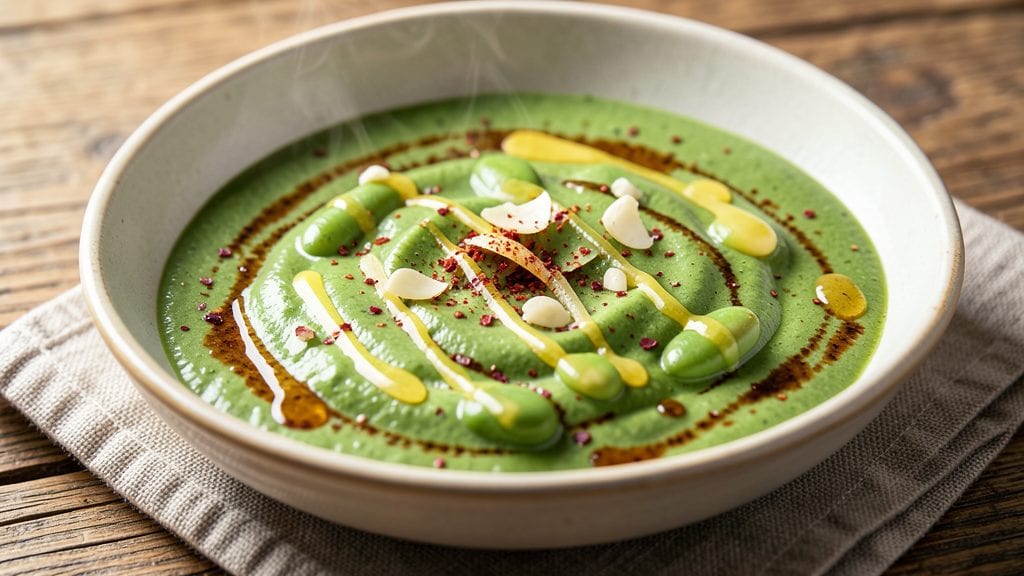
This creamy edamame sauce transforms simple ingredients into a versatile, plant-based condiment that elevates everything from dumplings to noodles. The secret lies in blending silky edamame with tahini, garlic, and a touch of chili for depth—creating a sauce that's rich, tangy, and impossible to resist.
I developed this recipe after craving a healthier alternative to store-bought sauces, and it quickly became my go-to for adding umami without heavy cream or dairy.
The beauty of this sauce is its simplicity—just 7 ingredients and 10 minutes of active prep time. Tahini provides the creamy base, while edamame adds protein and a subtle sweetness that balances the zesty lemon and savory soy sauce.
The sauce thickens naturally as it sits, making it perfect for drizzling or dipping without extra thickening agents. It’s also naturally vegan, gluten-free, and packed with plant-based protein.
What you’ll end up with is a smooth, velvety sauce that clings beautifully to noodles, dumplings, or even grilled vegetables. The sesame-ginger flavor profile adds warmth and brightness, while a hint of chili keeps it interesting.
This isn’t just another soy sauce substitute—it’s a restaurant-quality drizzle that turns ordinary meals into something extraordinary. Ready to make it? Here’s everything you need.
Once you try this sauce, you’ll find endless ways to use it—drizzle over ramen, toss with stir-fried veggies, or serve as a dipping sauce for spring rolls.
The recipe scales easily, so you can make a big batch and store it in the fridge for up to a week. Let’s get blending!
Ingredients for edamame sauce
Seven simple ingredients blend into velvety sauce that transforms any dish into restaurant-quality.
| Ingredient | Amount | Notes |
|---|---|---|
| Shelled Edamame 🌱 | 1 cup | Frozen works perfectly, thawed |
| Tahini 🥜 | ½ cup | Sesame paste, good quality |
| Fresh Ginger 🧄 | 2 tbsp | Finely grated, fresh preferred |
| Garlic Cloves 🧄 | 3 cloves | Peeled, minced for depth |
| Lemon Juice 🍋 | 2 tbsp | Freshly squeezed, zesty |
| Red Chili Flakes 🌶️ | 1 tsp | Adjust for heat preference |
| Soy Sauce 🍶 | 2 tbsp | Tamari for gluten-free |
| Sesame Oil 🫒 | 1 tbsp | Toasted, for aroma |
| Water 💧 | ¼ cup | Adjust for desired consistency |
The edamame is the heart of this sauce—frozen works perfectly and saves you from shelling. Grab the shelled variety at Trader Joe's for convenience, or thaw frozen in the microwave for 2 minutes. Tahini is non-negotiable here; good quality brands like Kallo or Whole Foods 365 make all the difference. Fresh ginger and garlic should smell vibrant—no moldy roots or bruised cloves. The soy sauce? Tamari for gluten-free, but regular works too. Just make sure it's not the low-sodium kind unless you're doubling up.
No tahini? Substitute with equal parts peanut butter and water, but the texture won't be identical. Short on ginger? Double the garlic and add a pinch of ground ginger—it's not the same, but close. Chili flakes giving you pause? Swap for 1/2 tsp cayenne or a dash of sriracha. The sesame oil is what gives it that signature aroma—don't skip it, but if you're sensitive to strong flavors, reduce to 1/2 tbsp. Water is your friend here—start with 1/4 cup, then adjust to your preferred drizzle consistency. Too thick? Add a splash more. Too thin? Simmer for 2-3 minutes to thicken naturally.
This sauce keeps beautifully in the fridge for up to 1 week, sealed in an airtight container. For longer storage, freeze in ice cube trays—thaw overnight in the fridge. The flavor actually improves after a day as everything melds together. I double the batch every time and keep it in the fridge for quick noodle dinners. Pro tip: Drizzle over hot dishes—the heat wakes up all the flavors. Leftovers? Toss with stir-fried veggies or use as a marinade for tofu.
Why You'll Love This Recipe
- Five-Ingredient Magic: I swear by this—just blend, taste, adjust. That’s it. No fancy techniques, no waiting for hours. The tahini and ginger do the heavy lifting while I sip my coffee.
- Umami Bomb: The moment that garlic hits the hot tahini? My mouth waters. The edamame brings that nutty depth, and the lemon cuts through like a bright summer day. It’s the kind of sauce that makes you go, "Wait, why haven’t I done this sooner?"
- Dips, Dresses, Glazes: Slather it on grilled chicken, drizzle over noodles, or serve it cold with veggies. I’ve even used it as a marinade—works every time. Honestly, I keep a jar in the fridge for when I’m too tired to think.
- Budget-Friendly Powerhouse: Edamame and tahini stretch farther than you’d think. A little goes a long way, and it keeps for days in the fridge. Between us, this is my go-to when I’m buying in bulk but don’t want to waste anything.
Step-by-step instructions for creamy sesame-ginger drizzle
Here's how to blend these ingredients into a lusciously velvety sauce that elevates any dish.
Steam or Blanch the Shelled Edamame
Start with the shelled edamame. If using frozen, thaw completely first. Bring a small pot of water to a gentle simmer and add the edamame. Cook for exactly 3 minutes—just until tender but not mushy. You'll know it's perfect when you can easily pierce a bean with a fork but it still holds its shape.
Drain immediately and transfer to a food processor or high-powered blender. While still warm, this makes extraction easier. Here's the thing—don't skip this step. The edamame needs to be cooked to soften its skin and release its natural creaminess that forms the sauce's base.
Process with Tahini and Aromatics
Add the 0.5 cup tahini, 2 tablespoons fresh ginger, and 3 minced garlic cloves to the food processor with the cooked edamame. Pulse until the mixture becomes a thick paste, about 30-45 seconds. The tahini will cling to everything, creating a rich, nutty foundation.
Here's where it gets smooth: With the processor running, slowly drizzle in the 1 tablespoon sesame oil and 2 tablespoons soy sauce. This gradual addition prevents the processor from seizing up. You're building layers of flavor here—the sesame oil adds depth, while the soy sauce provides umami complexity.
Create the Creamy Texture
Add the 2 tablespoons lemon juice and 1 teaspoon red chili flakes, processing until completely smooth. The lemon juice brightens the sauce, cutting through the richness, while the chili flakes add subtle heat. Taste at this stage—you should notice a balance of nutty, spicy, and slightly tangy notes.
Now for the creamy magic: With the motor running, very slowly pour in the 0.25 cup water. Start with just a few tablespoons at a time, letting the sauce emulsify between each addition. You're aiming for a velvety consistency—not too thick, not too thin. The sauce should coat the back of a spoon smoothly, with no graininess remaining.
Adjust and Perfect the Sauce
Remove the lid and taste again. This is your final flavor checkpoint. The sauce should be creamy with a slight sheen from the sesame oil, and each component should be distinct but harmonious. If it needs more brightness, add another teaspoon of lemon juice. For more depth, a splash of soy sauce helps.
For serving, transfer to a small bowl and let it sit at room temperature for 5 minutes before drizzling. This resting time allows the flavors to meld completely. The sauce will naturally thicken slightly as it cools—if it becomes too thick for your liking, simply whisk in 1 teaspoon of water to loosen it.
Pro Tips For Making Edamame Sauce
- Blend in Stages: Start with the tahini and lemon juice first—this prevents the motor from burning out when you add the edamame later. I learned this the hard way after my blender sounded like it was about to explode (yes, I know, overkill, but better safe).
- Toast the Edamame: Dry-toast the shelled edamame in a pan for 3-4 minutes before blending—it deepens the nutty flavor and thickens the sauce naturally. Skip this, and you’ll end up with something closer to hummus than edamame sauce.
- Grate Ginger Fine: Use a microplane or the smallest holes on a box grater for the ginger—no chunks, no pulp. I once missed this and had to strain the sauce afterward, which is a hassle no one needs.
- Balance the Tahini: Start with half the tahini called for, taste, then add the rest—it’s easier to fix a thin sauce than one that’s too thick and cloying. Tahini is potent; trust the process.
Serving suggestions for this dish
Drizzle Over Noodles
This sauce is a game-changer for noodle dishes—drizzle 1-2 tablespoons over steaming hot ramen, udon, or soba noodles just before serving. The sesame-ginger notes complement the umami of miso or soy-based broths beautifully. For extra flair, sprinkle with toasted sesame seeds and sliced green onions.
I love using it on cold soba noodle salads too, where the creamy texture contrasts perfectly with the crunch of shredded cucumber. 🍜
Dumpling Dipper
Serve this sauce warm as a dipping sauce for dumplings, spring rolls, or bao buns. Keep a small bowl of sauce on the table—it’s perfect for scooping up with chopsticks or a spoon. The rich, creamy texture pairs especially well with steamed pork dumplings or vegan tofu spring rolls.
For a restaurant-style touch, add a few drops of chili oil on top right before serving. 🥟
Stir-Fry Elevator
Toss 2-3 tablespoons of this sauce into stir-fried vegetables or tofu at the very end of cooking. The sauce clings beautifully to broccoli, bell peppers, or shiitake mushrooms, adding instant depth.
I recommend using it on garlic ginger stir-fries—the double ginger flavor creates a harmonious balance. For extra richness, finish with a drizzle of toasted sesame oil. 🥦
Grilled Protein Glaze
Brush this sauce lightly over grilled proteins like tofu, shrimp, or chicken in the last 2-3 minutes of cooking. The sauce caramelizes slightly, creating a sticky, flavorful crust. It works especially well on grilled salmon or seared scallops, where the creamy texture contrasts with the smoky char.
For a smoky twist, add 1 teaspoon smoked paprika to the sauce before brushing. 🍗
Rice Bowl Topper
Transform simple rice bowls into gourmet meals by dolloping 1-2 tablespoons of sauce over steamed rice. Pair it with teriyaki-glazed chicken, quick-pickled veggies, and a soft-boiled egg for a Japanese-inspired bento.
The sauce also works wonderfully with Mexican-style rice bowls, adding a creamy, umami-rich element that bridges the gap between flavors. 🍚
DIY Sauce Bar
Set up a mini sauce station with this edamame sauce as the star. Offer small bowls of sriracha, lime wedges, and sesame seeds on the side so guests can customize their drizzle. It’s perfect for taco nights, sushi platters, or even as a marinade for skewers.
I keep a small jar in my fridge for quick flavor boosts—just a spoonful elevates any dish instantly. 🌟
Nutrition facts
Frequently asked questions
Can I make this sauce without tahini?
Yes, but the texture will differ. For a similar creamy base, blend 1/4 cup peanut butter with 2 tablespoons water first, then proceed with the recipe. The sauce will be slightly nuttier but still delicious. Tahini provides that signature sesame depth, so if you love sesame flavor, it's worth tracking down!
How long does this sauce keep in the fridge?
This sauce stays fresh for up to 1 week when stored in an airtight container. The flavors actually deepen over time, making it perfect for meal prep. For longer storage, freeze in ice cube trays—thaw overnight in the fridge before using. The texture may thicken slightly after refrigeration, so just whisk in 1 teaspoon water to loosen.
What's the best way to use leftover sauce?
Leftover sauce is incredibly versatile! Use it as a marinade for tofu or shrimp, stir into cold noodle salads, or drizzle over grilled veggies. It also makes an amazing dip for spring rolls or veggie sticks. For extra flavor, add a pinch of garlic powder or smoked paprika when reheating. The sauce reheats beautifully in the microwave for 10-15 seconds.
Why did my sauce turn out too thick?
This usually happens if you didn't add enough water during blending. Start with 1/4 cup and adjust gradually—sauces thicken as they cool. For immediate fixes, whisk in 1 teaspoon water at a time until you reach the desired consistency. If it's still too thick, simmer gently for 2-3 minutes to reduce. The sauce should coat the back of a spoon smoothly without being gluey.
Can I adjust the spice level?
For less heat, reduce the chili flakes to 1/2 teaspoon or omit entirely. For more spice, add 1/2 teaspoon cayenne or 1 teaspoon sriracha and blend well. You can also serve spicy sauce on the side with cooling toppings like cucumber or yogurt (if using dairy). The sauce's natural creaminess balances heat beautifully.