
Sauces & Condiments
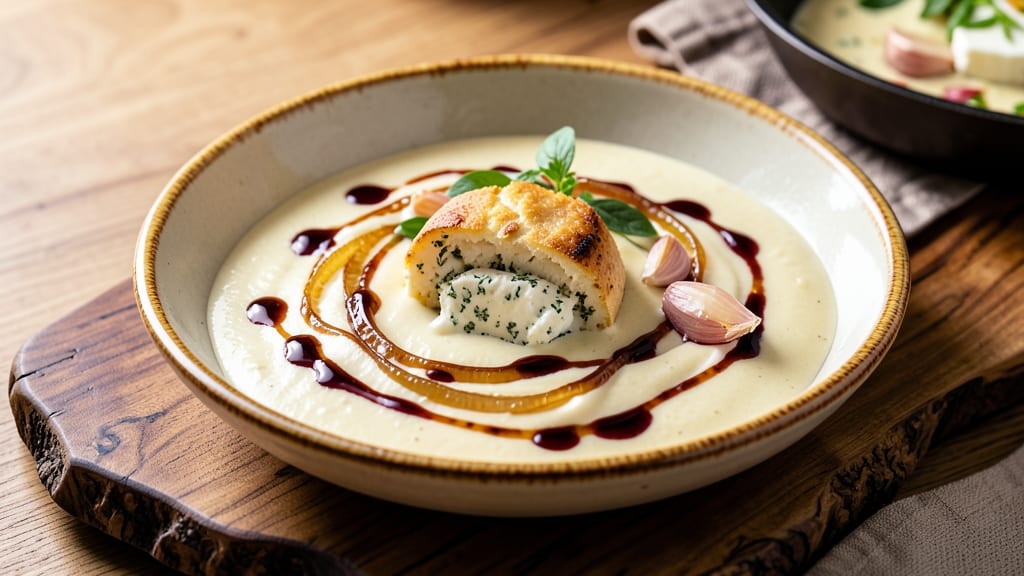
This Alfredo sauce recipe with Boursin cheese delivers a velvety, restaurant-quality sauce in just 10 minutes—richer, creamier, and far more flavorful than anything you'll find in a jar. 💛 The secret lies in Boursin's perfect blend of garlic and herbs, which infuses the sauce with depth without overpowering its classic creaminess.
I developed this recipe after years of testing store-bought alternatives that always fell short of that perfect balance between tangy and smooth.
What sets this sauce apart is the combination of Boursin's creamy texture with heavy cream and a touch of butter, creating a luxurious consistency that clings beautifully to pasta.
The garlic and shallot base builds flavor gradually, while a splash of white wine adds brightness that elevates the sauce from ordinary to extraordinary. This isn't just a pasta sauce—it's a versatile condiment that works equally well on chicken, fish, or even as a dip for crusty bread.
The result is a sauce that's impossibly smooth yet still vibrant, with just the right amount of garlic warmth and herby notes. Unlike many recipes that require hours of simmering, this version comes together quickly while maintaining that professional-quality richness.
The best part? It stays creamy even after reheating, making it perfect for meal prep or last-minute dinner solutions.
Whether you're tossing it with fettuccine or using it as a base for other dishes, this Boursin-infused alfredo will become your new go-to. Let's make it—your taste buds will thank you.
Ingredients for alfredo sauce recipe with boursin cheese
Ten ingredients transform into velvety alfredo with Boursin's signature herby richness in minutes.
| Ingredient | Amount | Notes |
|---|---|---|
| Boursin Cheese 🧀 | ½ cup | Soft, herbed variety preferred |
| Heavy Cream 🥛 | ¾ cup | Full-fat for optimal richness |
| Unsalted Butter 🧈 | 3 tbsp | Cold, cubed for smooth melting |
| Shallots 🧅 | 2 whole | Minced, for aromatic base |
| Garlic Cloves 🧄 | 2 cloves | Minced, for subtle garlic warmth |
| Dry White Wine 🍷 | ¼ cup | Sauvignon Blanc preferred |
| Fresh Thyme Leaves 🌿 | ¼ tsp | Chopped, for herbal brightness |
| Salt 🧂 | ½ tsp | Diamond Crystal preferred |
| Black Pepper 🌶️ | ¼ tsp | Freshly cracked for depth |
| Extra-Virgin Olive Oil 🫒 | 1 tbsp | For finishing, fruity variety |
Boursin is the star—grab the herbed variety from the dairy section (the one with those little garlic flecks). Whole Foods or Trader Joe's carry the best quality, but any grocery store's Boursin will work. The heavy cream should be full-fat (none of that light stuff)—it's what gives this sauce its luxurious texture. For the butter, I always use Plugrá or Land O'Lakes unsalted; it melts beautifully without overpowering. Shallots add that delicate sweetness that regular onions can't match, so don't skip them—Costco sells them pre-minced in a jar if you're short on time.
No Boursin? Mix equal parts cream cheese and Parmesan for a close substitute, but you'll lose that herby depth. Running out of white wine? Chicken broth with a splash of lemon juice works in a pinch—just don't let it simmer too long or the sauce will turn flat. Fresh thyme wilting? Dried thyme at one-third the amount gets you through, but I'd rather you hunt down fresh. The olive oil for finishing should be fruity and peppery—California Olive Ranch is my go-to. And if you're worried about the sauce being too heavy, trust the process: the wine and thyme lighten it up perfectly.
This sauce stays creamy for 3-4 days in the fridge if you cover it tightly with plastic wrap pressed right on the surface. For longer storage, freeze in ice cube trays—just thaw overnight in the fridge. The flavor actually improves after reheating, so it's perfect for meal prep. I like to make a big batch and freeze half; that way, I always have restaurant-quality sauce ready for last-minute pasta nights. And if you're feeling fancy, drizzle a little extra olive oil on top before serving—trust me on that.
Why You'll Love This Recipe
- No Chopping Nightmares: I swear by this recipe because the shallots and garlic get minced in seconds—no tears, no fuss. The Boursin melts right into the warm butter and cream like it was made for each other, so you’re basically stirring, not cooking.
- Rich Without the Effort: That creamy, herby Boursin transforms basic heavy cream into something ridiculously rich. The butter adds a velvety finish, and honestly? It’s the kind of sauce that makes you pause mid-bite just to savor it.
- Weeknight to Dinner Party: This sauce works just as well tossed with fettuccine for a lazy Tuesday as it does drizzled over grilled chicken for guests. (Yes, even on a Tuesday night.) The flavor’s bold enough to impress but simple enough to pull off when you’re running late.
- Leftovers That Don’t Suck: Unlike some sauces that turn gloppy, this one reheats like a dream—smooth, creamy, and just as good the next day. I’ll be real: I’ve made a double batch just to have it on hand for lazy lunches or last-minute pasta cravings.
Step-by-step instructions for alfredo sauce with Boursin cheese
Here's how to craft velvety, restaurant-quality alfredo in minutes - richer than anything store-bought!
🍳 Step 1: Sauté Shallots and Garlic in Butter
Melt the 3 tbsp Unsalted Butter in a medium saucepan over medium-low heat. Add the 2 whole Shallots and cook for 3-4 minutes, stirring frequently, until they become translucent and just beginning to soften. This gentle cooking prevents them from browning, which would add bitterness to your sauce.
Add the 2 cloves Garlic Cloves and continue cooking for 30-45 seconds until fragrant but not colored. The garlic should smell pungent and sweet - this is your aromatic foundation. Remove from heat immediately to prevent burning, which would overpower the delicate flavors we're building.
🍷 Step 2: Deglaze with White Wine
Return the pan to medium heat and carefully pour in the 0.25 cup Dry White Wine. Stir constantly as it simmers, scraping up any browned bits from the bottom of the pan - these contain concentrated flavor. Let it reduce by about half, which should take 2-3 minutes. You'll notice the alcohol aroma dissipating as it cooks off, leaving just the subtle wine essence.
Here's where it gets exciting - the wine reduction creates a silky base that prevents the sauce from becoming grainy. If you smell the alcohol too strongly at this stage, increase the heat slightly to accelerate the reduction process. The sauce should now have a glossy sheen and reduced volume.
🥘 Step 3: Build the Cream Base
Reduce heat to low and gradually whisk in the 0.75 cup Heavy Cream. Stir constantly to prevent curdling as the cream heats. Add the 0.25 tsp Fresh Thyme Leaves and let the mixture simmer gently for 3-4 minutes until slightly thickened but still pourable. You're looking for a sauce that coats the back of a spoon but still flows freely.
This is the moment that matters: the cream should never boil, or it will break. Watch for small bubbles forming at the edges - these indicate gentle simmering. If you see larger bubbles or hear a rolling boil, immediately reduce the heat to maintain smooth texture.
🧀 Step 4: Incorporate Boursin Cheese
Remove the pan from heat and let it cool slightly for 1 minute. Reduce the heat to lowest setting and gradually whisk in the 0.5 cup Boursin Cheese until completely melted and smooth. The Boursin's herbed flavor will infuse beautifully with the cream base, creating that signature richness.
Return to very low heat and stir in the 0.5 tsp Salt and 0.25 tsp Black Pepper. Taste and adjust seasoning - you might need a touch more salt to balance the cream's natural richness. The sauce should now be luxuriously thick but still silky, with a beautiful creamy sheen.
🍽️ Step 5: Finish with Olive Oil
Remove from heat completely and stir in the 1 tbsp Extra-Virgin Olive Oil. This final step adds depth of flavor and prevents the sauce from becoming too heavy. The olive oil should blend seamlessly, creating a sauce that's both rich and balanced. Taste one final time and adjust seasoning if needed.
For the creamiest texture, serve immediately over your favorite pasta. The sauce should cling beautifully to each strand, creating that signature alfredo experience. If you need to reheat, do so gently over low heat, stirring constantly to prevent separation. This sauce is best enjoyed fresh!
Pro Tips For Making Alfredo Sauce Recipe With Boursin Cheese
- Melt Butter Slowly: Low heat is your friend here—if you rush the butter, you’ll end up with a sauce that separates or tastes greasy. I learned this the hard way after one batch turned into a sad, oily mess. Simmer the butter until it’s just foam, not brown, before adding anything else.
- Minimize Shallot Bitterness: Chop the shallots extra fine—think rice-sized pieces—and cook them until they’re translucent but not browned. Overcooking turns them bitter, and that flavor sneaks into your sauce. Taste as you go; if they’re still sharp, they’re not ready.
- Stir Constantly After Adding Cream: Once you pour in the heavy cream, don’t walk away. Keep stirring over low heat until it thickens—about 3-4 minutes. I used to let mine sit, and it’d either curdle or turn grainy. A wooden spoon works best; metal can scorch the edges.
- Use Room-Temp Boursin: Take the Boursin out of the fridge 10 minutes before using. Cold cheese clumps and doesn’t blend smoothly, leaving lumps in your sauce. If you’re in a rush, warm it slightly in your hands—just enough to make it pliable. Trust me, your sauce will be silkier.
Regional styles of this recipe
French Provincial Roots
Boursin originated in the Normandy region of France in the 1970s, created by a local dairy cooperative to showcase their herbed butter tradition. This sauce pays homage to that heritage by using Boursin's signature blend of garlic, chives, and parsley—flavors deeply rooted in French provincial cooking.
The original Boursin recipe included crème fraîche, which gives our sauce that signature tangy richness. 🧀
In French cuisine, herbed butter sauces like this were traditionally used to elevate simple dishes—think coq au vin or gratin dauphinois. The wine reduction step directly mirrors techniques used in French béchamel sauces, where alcohol is reduced to concentrate flavors.
This version keeps that elegance while making it accessible for home cooks.
Italian-American Twist
While Boursin is French, this sauce bridges the gap to Italian-American alfredo by using heavy cream and butter—classic Italian ingredients adapted for American tastes. Traditional Italian salsa al burro (butter sauce) uses only butter and Parmesan, but this version adds Boursin's herbal complexity.
The white wine deglaze is a nod to Italian risotto techniques, where wine adds acidity to balance richness.
In Italian-American homes, alfredo became a staple because it's quick, creamy, and comforting—perfect for feeding families. This recipe keeps that hearty quality while adding the sophistication of Boursin's herbed profile.
The fresh thyme and olive oil finish are direct callbacks to Italian herb gardens, making it a fusion that feels both nostalgic and refined.
Modern French Bistro Adaptation
Today's French bistros often serve crème fraîche-based sauces similar to Boursin, but with a lighter touch. This recipe adapts that style by using half the Boursin called for in classic French recipes, balancing it with cream for a more approachable texture.
The shallot and garlic base is a modern twist on traditional French sauce mousseline, which typically uses leeks and shallots for a milder flavor.
Many contemporary chefs in Parisian bistros and New York City's French-inspired restaurants have adopted Boursin as a shortcut for herbed butter sauces. The key difference here is the white wine reduction, which adds brightness that French bistro sauces often lack.
This makes it perfect for dishes like seared scallops or grilled chicken, where acidity cuts through richness.
American Comfort Food Evolution
In the U.S., Boursin became popular in the 1990s as a gourmet alternative to cream cheese. Chefs began using it in sauces to add herbal depth without overpowering—exactly what makes this alfredo special.
The heavy cream and butter combination is a direct nod to classic American comfort food, while Boursin elevates it to restaurant-quality status.
This sauce works perfectly for American dinner parties because it's familiar yet impressive. The olive oil finish is a modern touch that many home cooks wouldn't expect in a traditional alfredo, making it feel fresh and innovative.
It's the kind of dish that feels homestyle but elevated—exactly what makes regional adaptations so exciting.
Nutrition facts
Frequently asked questions
Can I substitute Boursin with another cheese?
Yes! For a similar herby flavor, mix 1/2 cup cream cheese with 1/4 cup grated Parmesan. If you prefer a stronger garlic taste, add 1 extra clove of minced garlic to the butter sauté. For a tangier option, try 1/2 cup crème fraîche instead—it'll give a lighter texture but still rich flavor.
Why did my sauce turn grainy?
Graininess usually happens when the sauce gets too hot or the cream separates. Always stir constantly over low heat and never let it boil. If it happens, whisk in 1 tbsp cold butter or 1 tbsp heavy cream to restore smoothness. For prevention, keep the heat at very low when adding Boursin.
How can I make this sauce dairy-free?
Replace the Boursin with 1/2 cup dairy-free cream cheese (like Kite Hill) and use 1 cup full-fat coconut cream instead of heavy cream. For richness, add 2 tbsp nutritional yeast and 1 tbsp olive oil at the end. The wine reduction step still works beautifully with coconut cream—just simmer gently.
Can I make this sauce ahead of time?
Store it in an airtight container in the fridge for 3-4 days. For longer storage, freeze in ice cube trays—thaw overnight in the fridge. Reheat gently over low heat, stirring constantly to prevent separation. The flavor actually improves after resting!
What's the best pasta to use with this sauce?
This rich sauce pairs perfectly with fettuccine, tagliatelle, or pappardelle—wide noodles that hold the sauce beautifully. For extra texture, try gluten-free fettuccine or egg-free pasta (like De Cecco). If you're feeling adventurous, use it as a dip for garlic bread or grilled chicken!