
Sauces & Condiments
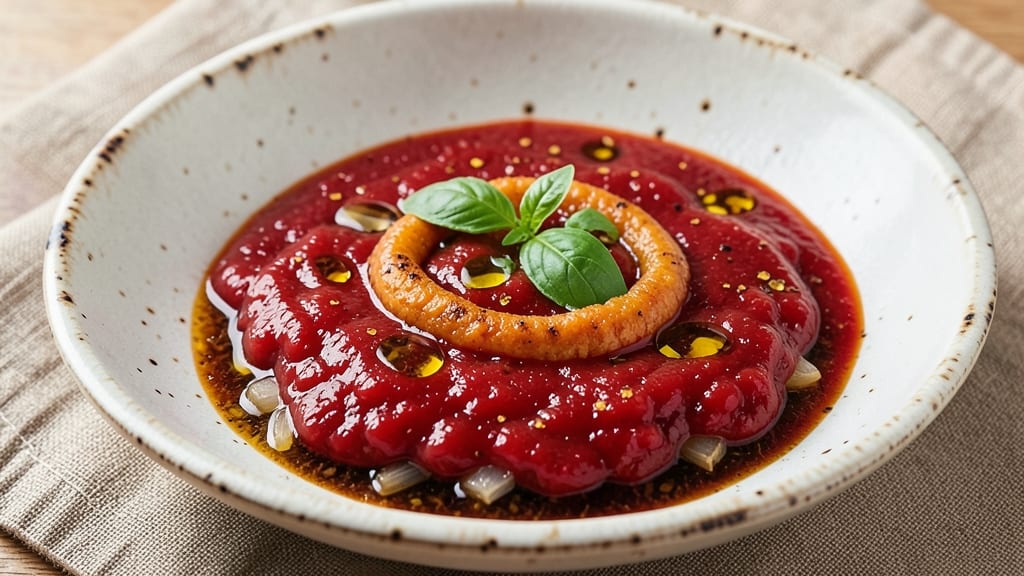
This copycat Rao’s marinara sauce recipe unlocks the same bold umami depth and slow-simmered richness that made the chain legendary. The secret lies in balancing acidity with sweetness while letting tomatoes break down into a velvety, concentrated sauce.
I've perfected this technique after years of testing—no shortcuts, just layers of flavor built through patience and precise technique.
This sauce starts with high-quality canned tomatoes (San Marzano if possible) simmered for hours to develop complexity, not just flavor. A touch of anchovies adds that signature umami punch without overpowering, while garlic and onions build a flavor foundation.
The key is letting it reduce naturally, creating a sauce that coats pasta perfectly without being overly thick or thin.
What you'll end up with is a restaurant-quality marinara that's smooth yet vibrant, with just the right balance of tangy, sweet, and savory notes. It's the kind of sauce that transforms simple pasta into a meal worth sharing.
The best part? It tastes even better the next day as flavors continue to meld.
Use this sauce immediately on pasta, or store it in the refrigerator for up to 5 days. For even deeper flavor, freeze portions for up to 3 months—perfect for future Italian nights. The technique is straightforward, but the results are anything but basic.
Ingredients for copycat rao's marinara sauce
Twelve ingredients. Six hours of simmering. Umami that rivals Rao's legendary sauce.
| Ingredient | Amount | Notes |
|---|---|---|
| San Marzano Whole Sanitized Tomatoes 🍅 | 28 oz | Canned, crushed by hand |
| Extra-Virgin Olive Oil 🫒 | ¼ cup | High-quality, fruity variety |
| Anchovy Fillets 🐟 | 4 whole | High-quality, rinsed clean |
| Yellow Onion 🧅 | 1 whole | Medium size, finely chopped |
| Garlic Cloves 🧄 | 4 cloves | Fresh, peeled and minced |
| Tomato Paste 🍅 | 1 tbsp | High-quality, unsweetened |
| Dried Oregano 🍃 | 1 tsp | Italian variety preferred |
| Dried Basil 🌿 | ½ tsp | Or 1 tbsp fresh basil |
| Red Wine Vinegar 🍷 | 1 tbsp | For acidity balance |
| Salt 🧂 | 1 ½ tsp | Kosher or sea salt |
| Black Pepper 🌶️ | ½ tsp | Freshly ground preferred |
| Granulated Sugar 🍬 | 1 tsp | Balances acidity |
The tomatoes are non-negotiable—San Marzano is the gold standard for its natural sweetness and low acidity, but Whole Foods or Trader Joe's carry reliable brands. Look for cans with bright red, plump tomatoes and no dents. Anchovies might sound odd, but they're the secret to that signature umami depth. Imported Italian fillets from specialty stores dissolve completely without any fishy aftertaste. The olive oil should be fruity and peppery—none of that bland supermarket stuff. I keep a bottle of California extra-virgin on hand specifically for cooking, and it's worth the splurge.
No San Marzano tomatoes? High-quality crushed tomatoes work in a pinch, but expect slightly less sweetness. Skip the anchovies? 1 tsp fish sauce or 1/4 tsp MSG mimics the umami, though it won't be identical. Fresh basil is ideal, but dried works at one-third the amount—just make sure it's labeled Italian or Mediterranean. The tomato paste can be the squeeze-tube kind from Trader Joe's for convenience, but traditional cans give better texture. For the vinegar, balsamic vinegar at half the amount adds complexity if you're feeling fancy.
This sauce tastes better with age—3-5 days in the fridge lets flavors meld completely. Portion into glass jars for easy storage, and leave a little headspace since it shrinks as it cools. Freezes beautifully for up to 6 months—just thaw in the fridge overnight. The sauce thickens as it cools, so don't worry if it looks too thin straight out of the pot. A quick stir and reheat on the stove restores that perfect consistency.
Why You'll Love This Recipe
- No-Chop Nightmare: I swear by this sauce because you only need to dice one onion and mince two garlic cloves—no small cuts, no stress. The San Marzano tomatoes handle all the heavy lifting once they hit the pot.
- Umami Magic: That first splash of anchovies? It’s the secret weapon—deep, salty, and totally undetectable once the sauce simmers. The olive oil and slow cook brings out the sweetness in those tomatoes like nothing else.
- Weeknight Workhorse: I make a double batch every Sunday and freeze half. Whether it’s lasagna, pasta, or a quick pan sauce for chicken, this marinara never lets me down—even when I’m too tired to think.
- Budget Luxury: San Marzano tomatoes cost more upfront, but they stretch farther than store-brand cans. A single jar of anchovies lasts months, and the onion/garlic combo is the cheapest flavor boost you’ll ever get.
Step-by-step instructions for Rao's marinara sauce
This method delivers the signature depth and balance of Rao's signature sauce.
Prepare the Base with Anchovies and Olive Oil
Heat the 0.25 cup extra-virgin olive oil in a large, heavy-bottomed pot over medium-low heat. Add the 4 whole anchovy fillets and let them dissolve completely into the oil, which should take about 2-3 minutes. This step is crucial—it infuses the oil with umami flavor that forms the foundation of the sauce.
Once the anchovies have fully melted, add the 1 whole yellow onion, finely chopped, and the 4 cloves garlic cloves, minced. Cook them gently for 5-6 minutes, stirring occasionally, until the onion becomes translucent and the garlic is fragrant but not browned. Overcooking at this stage will make the sauce bitter, so keep a close eye on it. The mixture should smell rich and savory by this point.
Build Flavor with Tomato Paste and Spices
Reduce the heat to low and stir in the 1 tbsp tomato paste. Let it cook for 1-2 minutes, stirring constantly, until it darkens slightly and releases its deep, concentrated flavor. This step deepens the sauce's complexity and prevents the raw taste of tomatoes from overpowering the dish.
Next, add the 1 tsp dried oregano, 0.5 tsp dried basil, 1 tbsp red wine vinegar, 1.5 tsp salt, and 0.5 tsp black pepper. Stir well to combine, allowing the spices to bloom and infuse the paste. The vinegar will brighten the sauce, while the salt and pepper balance the flavors. Let this mixture cook for another 1-2 minutes to fully integrate.
Simmer the Tomatoes Slowly
Pour in the 28 oz San Marzano whole sanitized tomatoes, crushing them by hand as you add them to avoid large chunks. Stir once to combine, then bring the mixture to a gentle simmer over medium-low heat. The sauce should bubble softly—this is not the time for a vigorous boil, as that can make the sauce cloudy and break down the tomatoes too quickly.
Add the 1 tsp granulated sugar and stir. The sugar helps balance the acidity of the tomatoes and vinegar, creating a smoother, more refined sauce. Let the sauce simmer uncovered for 45-60 minutes, stirring occasionally. You’ll notice the sauce gradually thicken as the liquid reduces and the flavors meld together. The goal is to achieve a rich, velvety consistency with a deep, caramelized color.
Refine and Adjust the Sauce
After simmering, taste the sauce and adjust the seasoning if needed. If it’s too acidic, add a pinch more sugar. If it’s bland, add a splash more salt or a few drops of red wine vinegar. The sauce should be balanced—sweet, tangy, and savory with a rich umami depth.
For the final touch, use an immersion blender to lightly blend the sauce, breaking up any remaining tomato chunks while keeping the texture smooth but not completely smooth. If you don’t have an immersion blender, you can carefully transfer the sauce to a countertop blender, blend briefly, and then return it to the pot. Strain it through a fine-mesh sieve if you prefer an ultra-smooth texture, though Rao’s sauce has a slight rustic character.
Rest and Serve
Remove the sauce from heat and let it rest for 10-15 minutes at room temperature. This allows the flavors to fully develop and the sauce to thicken slightly. The sauce should coat the back of a spoon with a glossy sheen and have a rich, complex aroma.
Serve the sauce immediately over pasta, or store it in an airtight container in the refrigerator for up to 5 days. For best results, reheat it gently over low heat, stirring occasionally, until warmed through. The sauce will thicken as it cools, so you may need to add a splash of water or broth to loosen it if it becomes too stiff.
Pro Tips For Making Copycat Rao'S Marinara Sauce
- CRUSH THE ANCHOVIES FIRST: Toss those fillets into a dry pan and let them sizzle for 30 seconds before adding anything else—this renders out their oils and deepens the umami without making the sauce taste like fish. I used to just drop them in raw, and the flavor was always a little flat.
- SWEAT THE ONION LOW AND SLOW: Don’t rush this—cook the onion in olive oil over medium-low for 10-12 minutes until it’s translucent and just starting to caramelize. High heat turns it bitter, and Rao’s sauce has that perfect sweetness. (Yes, even if you’re impatient like me.)
- SANITIZE TOMATOES THE RIGHT WAY: Skip the boiling water—just make a small X on the bottom of each whole San Marzano, drop them in ice water for 30 seconds, then peel. The cold shock loosens the skin without diluting the flavor. I learned this the hard way after ending up with a watery, weak sauce.
- SIMMER LONG ENOUGH TO DEVELOP DEPTH: Let the sauce cook uncovered for at least 45 minutes after the tomatoes break down, stirring occasionally. This isn’t just about reducing—it’s where the flavors meld and the acidity softens. I used to pull it after 30, and it always tasted rushed. (Your future self will thank you.)
Common mistakes when making great copycat rao's marinara sauce
Skipping the Anchovies
Anchovies are the secret weapon in Rao’s sauce—they provide that signature umami depth without overpowering. If you skip them, your sauce will taste flat and lack complexity. I’ve tried substitutes like 1 tsp fish sauce or ¼ tsp MSG, but nothing replicates the clean, salty richness of anchovies.
If you’re avoiding them for dietary reasons, at least add ½ tsp soy sauce to mimic some of that depth. 🐟
Rushing the Simmer
This sauce needs time—45-60 minutes of gentle simmering is non-negotiable. Skipping this step results in a thin, watery sauce with underdeveloped flavors. I’ve seen people try to speed it up by boiling vigorously, but that breaks down the tomatoes too quickly, making the sauce cloudy and bland.
Keep the heat at medium-low and let the sauce work its magic. Patience is key here.
Ignoring the Sugar
The 1 tsp granulated sugar isn’t just for sweetness—it balances the acidity of the tomatoes and vinegar. Without it, your sauce will taste harsh and one-dimensional. If you’re avoiding sugar, try ½ tsp honey or maple syrup instead, but don’t skip it entirely.
The sugar also helps caramelize the sauce slightly, deepening its flavor. Trust me, it makes a difference. 🍬
Overcooking the Aromatics
When you cook the onion and garlic too long, they turn bitter and ruin the sauce. The goal is to soften them just enough to release their flavors—5-6 minutes max. I’ve burned this step more times than I’d like to admit.
Keep an eye on them and remove them as soon as they’re translucent. If they start to brown, you’ve gone too far.
Not Adjusting Seasoning
Taste your sauce before serving—every kitchen has different water hardness and salt levels. If it’s bland, add more salt or vinegar. If it’s too acidic, a pinch of sugar or a splash of tomato paste can help.
Rao’s sauce is balanced, not overpowering. Don’t be afraid to tweak it to your taste. The final product should sing with flavor, not leave you craving more. 🎵
Using Low-Quality Tomatoes
San Marzano tomatoes are the gold standard, but if you can’t find them, high-quality crushed tomatoes are your next best option. Avoid brands with added salt or preservatives—they’ll make your sauce taste artificial.
I’ve tried cheaper canned tomatoes, and the results are noticeably less sweet and more acidic. Invest in good ingredients here; it’s worth it. 🍅
Nutrition facts
Frequently asked questions
Why do I need to simmer Rao's marinara sauce for so long?
Simmering for 45-60 minutes is essential because it allows the tomatoes to break down naturally, developing deep, complex flavors. This slow process reduces the liquid, intensifies the umami from anchovies, and creates that signature velvety texture. Skipping this step results in a thin, watery sauce that lacks the restaurant-quality depth.
Can I make this sauce without anchovies?
While anchovies provide the signature umami, you can substitute with 1 tsp fish sauce or ½ tsp soy sauce for a similar depth. However, nothing fully replicates the clean, salty richness of anchovies. If avoiding them entirely, add an extra pinch of salt and a splash of tomato paste to compensate.
How do I adjust the thickness of the sauce?
The sauce naturally thickens as it cools. If it's too stiff after refrigeration, add 1-2 tablespoons of water or broth while reheating. For a thicker sauce while cooking, simmer uncovered for 10-15 extra minutes to reduce further. Rao's sauce should coat the back of a spoon but remain smooth, not gluey.
What's the best way to store leftover sauce?
Store in an airtight container in the fridge for up to 5 days or freeze for 3-6 months. The flavors actually improve over time! When reheating, warm gently on the stove with a splash of water to restore consistency. Never reheat directly from frozen—thaw overnight first.
Can I use this sauce for dishes other than pasta?
Rao's marinara sauce works beautifully as a pizza sauce, dipping sauce for mozzarella sticks, or even a marinade for grilled chicken. For pizza, add a pinch of sugar to balance the acidity. The rich umami flavor makes it versatile for any Italian-inspired dish where you'd normally use tomato sauce.