
Sauces & Condiments
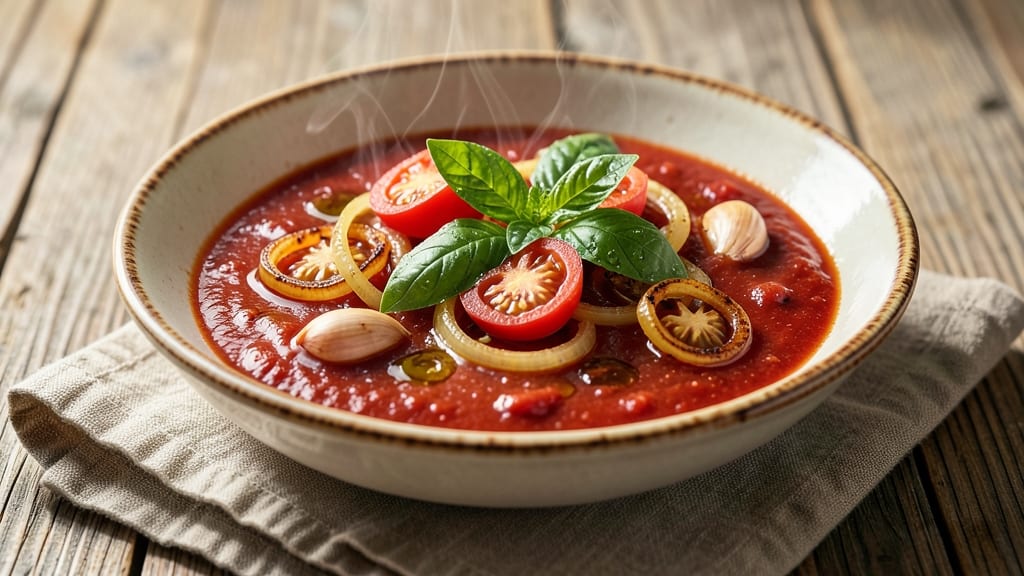
This marinara sauce recipe with red wine transforms simple ingredients into a restaurant-quality sauce that's deeper and richer than anything store-bought. 🔥 The secret lies in slow-simmering tomatoes with red wine, garlic, and fresh herbs—creating layers of flavor that develop over time.
I've perfected this technique through years of test kitchen work, and it never fails to impress.
The process is straightforward but requires patience: start with quality canned tomatoes and a good red wine, then build flavor through careful simmering. Garlic and herbs infuse the sauce with aromatic depth, while the wine adds a subtle earthiness that balances the acidity of the tomatoes.
This isn't your basic marinara—it's a sauce with complexity and body that pairs beautifully with pasta, meatballs, or grilled proteins.
What you'll end up with is a velvety, deeply flavorful marinara that's perfect for weeknight dinners or special occasions. The slow simmer allows the flavors to meld together, creating a sauce that tastes even better the next day.
Freeze extras for future meals—this sauce keeps well and only gets more delicious over time.
Whether you're serving it over spaghetti, drizzling it on pizza, or using it as a base for other dishes, this red wine marinara brings restaurant-quality flavor to your home kitchen. Let's get started on creating a sauce that will elevate your meals.
Ingredients for marinara sauce recipe with red wine
Nine simple ingredients create restaurant-quality red wine marinara with deep, complex flavor.
| Ingredient | Amount | Notes |
|---|---|---|
| Canned San Marzano Tomatoes 🍅 | 2 cups | Crushed by hand for texture |
| Dry Red Wine 🍷 | ½ cup | Bold Cabernet or Merlot preferred |
| Garlic Cloves 🧄 | 4 cloves | Minced for aromatic depth |
| Yellow Onion 🧅 | 1 whole | Diced small for even cooking |
| Fresh Basil Leaves 🌿 | ½ cup | Packed, stems removed |
| Extra-Virgin Olive Oil 🫒 | 2 tbsp | For sautéing aromatics |
| Tomato Paste 🍅 | 2 tbsp | Squeeze tube preferred |
| Dried Oregano 🍃 | 1 tsp | Crumbled between fingers |
| Kosher Salt 🧂 | 1 ½ tsp | Diamond Crystal preferred |
| Freshly Ground Black Pepper 🌶️ | ½ tsp | For finishing |
The tomatoes are non-negotiable—San Marzano has the perfect balance of sweetness and acidity. Trader Joe's carries them in cans, or grab the 28-ounce size at Whole Foods for better value. Red wine should be dry and bold—Cabernet Sauvignon or Merlot work best, whatever's open in your cabinet. Fresh basil is ideal, but dried oregano at one-third the amount works in a pinch. The onion and garlic form the aromatic base, so don't rush the sautéing—let them develop color and depth before adding liquids.
No red wine? Beef broth with a splash of balsamic vinegar mimics the depth. Fresh basil wilting? Dried basil at half the amount keeps the flavor. Tomato paste tubes at Trader Joe's are perfect—they're convenient and last forever. The sauce thickens as it simmers, but if it gets too thick, stir in a splash of water or wine. For extra richness, finish with a pat of butter (optional but recommended). The oregano and pepper should be freshly ground or crumbled—pre-ground spices lose their punch quickly.
This sauce tastes even better the next day as flavors meld. Store in an airtight container in the fridge for up to 5 days, or freeze for 3 months in portion-sized containers. I always make a double batch—one for immediate use, one to freeze for future pasta nights. Label containers clearly with the date. When reheating, add a splash of water or wine to loosen the sauce if it's thickened during storage.
Why You'll Love This Recipe
- Same sauce, endless uses: toss it with pasta for a quick weeknight dinner or drizzle it over grilled chicken for guests. The basil at the end makes it feel fancy without extra effort—just tear a few leaves and call it a day.
- No-Fuss Pantry Magic: I swear by this recipe because it uses what’s already in my cupboard—San Marzano tomatoes, a cheap bottle of red wine, and garlic from the jar when I’m lazy. No fancy techniques, just chop, simmer, and let the wine do its thing.
- Wine’s Secret Umami Boost: That splash of red wine isn’t just for flavor—it deepens the sauce with an earthy richness the canned tomatoes alone can’t match. The acidity cuts through the sweetness, and the garlic? Oh, it caramelizes into something irresistible.
- Weeknight to Dinner Party: Same sauce, endless uses: toss it with pasta for a quick weeknight dinner or drizzle it over grilled chicken for guests. The basil at the end makes it feel fancy without extra effort—just tear a few leaves and call it a day.
Step-by-step instructions for slow-simmered red wine marinara
This rich, wine-infused marinara delivers restaurant-quality depth with just a few simple techniques.
🍳 Step 1: Sauté Onion and Garlic Until Translucent
Heat the 2 tablespoons extra-virgin olive oil in a medium saucepan over medium heat. Add the diced yellow onion and cook for 5-6 minutes until soft and translucent, stirring occasionally. You'll see the edges start to turn golden—this is your signal to add the 4 minced garlic cloves.
Cook the garlic for another 30-60 seconds until fragrant but not browned. I like to remove the pan from heat for these last seconds—garlic burns faster than you think. The base should smell sweet and savory, setting the stage for the wine to come.
🍳 Step 2: Build the Sauce with Wine and Tomato Paste
Pour in the ½ cup dry red wine and scrape up any browned bits from the bottom of the pan with a wooden spoon. These bits are packed with flavor—don't miss them! Let the wine simmer for 2-3 minutes until reduced by about half, until you notice the alcohol smell dissipating.
Lower the heat to medium-low and stir in the 2 tablespoons tomato paste. Cook for 1 minute to toast the paste slightly—this deepens the umami flavor. The sauce will thicken noticeably as you work, creating a perfect foundation for the tomatoes.
🥘 Step 3: Add Tomatoes and Seasonings
Pour in the 2 cups crushed San Marzano tomatoes and stir to combine. Add the 1.5 teaspoons kosher salt, 1 teaspoon dried oregano, and ½ teaspoon freshly ground black pepper. Bring the sauce to a gentle simmer, then reduce heat to low—this is where patience pays off.
Let the sauce bubble gently for 20-25 minutes, stirring occasionally. You're looking for the sauce to thicken and develop a glossy sheen. I like to taste it around the 15-minute mark—if it needs more acidity, add a pinch of salt; if it needs depth, a splash more wine works wonders.
⏰ Step 4: Finish with Fresh Basil and Rest
Remove the sauce from heat and stir in the ½ cup packed fresh basil leaves. Let the sauce sit off the heat for 5 minutes—this allows the basil to infuse without turning bitter. The sauce should be thick enough to coat the back of a spoon but still pour smoothly.
For the best flavor, let the marinara rest for 10-15 minutes before serving. This resting time lets all the flavors meld together. If the sauce thickens too much while resting, whisk in 1-2 tablespoons of pasta water to reach your preferred consistency.
🍽️ Step 5: Serve Warm Over Pasta
Taste and adjust seasoning one final time—this is your chance to balance acidity, saltiness, and sweetness. The finished sauce should be vibrant red with a glossy sheen and a complex flavor profile where the wine's richness shines through.
Serve immediately over al dente spaghetti or your favorite pasta shape. The sauce should cling beautifully, delivering layers of tomato sweetness, wine depth, and fresh basil brightness in every bite. For extra richness, drizzle with a bit of olive oil or sprinkle with grated Parmesan.
Pro Tips For Making Marinara Sauce Recipe With Red Wine
- DEGLAZE THE POT: I learned this the hard way—don’t just dump the wine and walk away. After the onion and garlic soften, pour in the wine and let it bubble for 2-3 minutes until the liquid reduces by half. That concentrated flavor is what makes the sauce sing, not just a quick splash and stir.
- SWEAT THE ONIONS LOW: High heat turns onions bitter, and that’s the last thing you want in a bright marinara. Cook them over medium-low for 8-10 minutes until translucent but not golden. If you’re impatient like me, resist the urge to crank the heat—your sauce will thank you later.
- CRUSH THE GARLIC: Whole cloves burn before they release their flavor, and that’s a bitter mess you don’t want. Mince the garlic finely or crush it with the flat side of your knife before adding it to the pot. It’ll melt into the sauce smoothly, not leave you scraping charred bits off the bottom.
- RESERVE THE BASIL: Add fresh basil at the very end—tossing it in too early turns the leaves to mush. Instead, tear a handful into the sauce right before serving, and save the rest for garnish. That way, every bite gets a burst of freshness, not a sad, wilted afterthought.
Troubleshooting this recipe
Sauce Too Thin?
If your marinara is too thin after simmering, don't panic—this happens more often than you'd think. The easiest fix is to simmer uncovered for an additional 10-15 minutes to let the liquid reduce naturally.
For quicker results, mix 1 tablespoon cornstarch with 2 tablespoons cold water, stir into the sauce, and simmer for 3-5 minutes until thickened. I've also used 1 teaspoon tomato paste mixed with 1 tablespoon water as a natural thickener that adds depth. 🥄
Sauce Too Thick?
Over-thickened sauce is just as common, especially if you've let it rest too long. Thin with 1-2 tablespoons warm water or pasta water while stirring constantly. For a richer option, use ½ cup beef or vegetable broth instead.
If the sauce is still too thick after adding liquid, return it to low heat and simmer gently for 5 minutes—sometimes it just needs time to relax. I've even used a splash of red wine to loosen stubbornly thick batches.
Wine Flavor Disappeared?
If your sauce tastes more like tomatoes than wine, you likely didn't reduce the wine long enough. The alcohol needs to cook off completely—simmer the wine until it's reduced by half (about 2-3 minutes) before adding tomatoes. For extra depth, add ½ teaspoon red wine vinegar at the end.
I've also found that using a bold Cabernet Sauvignon with higher tannins gives better results than lighter wines. Remember, the wine should complement, not overpower, the tomatoes.
Sauce Too Acidic?
Bright red tomatoes can make your sauce taste overly acidic, especially if you used a high-acid variety. Balance it by adding ½ teaspoon sugar or 1 teaspoon honey while simmering. A pinch of baking soda (just ⅛ teaspoon) can neutralize acidity, but use sparingly—too much will kill the flavor.
For a more natural approach, simmer in a pinch of fresh thyme or a small piece of crusty bread for 5 minutes to mellow the acidity. 🌿
Basil Turning Bitter?
Fresh basil can quickly turn bitter if cooked too long. Always stir it in at the very end and remove from heat immediately. If you've already cooked it too long, strain out the leaves and add fresh ones.
For extra flavor without the bitterness, blend the cooked basil with 1 tablespoon olive oil and spread it on toasted bread for a quick appetizer. I've also found that adding basil leaves when the sauce is still hot (but off the heat) infuses flavor without cooking.
Sauce Tastes Flat?
A flat-tasting sauce usually means the flavors didn't meld properly. Boost depth by adding 1 teaspoon soy sauce or ½ teaspoon fish sauce (trust me, it disappears but adds umami). For a smoky note, stir in ¼ teaspoon smoked paprika or a dash of liquid smoke.
If you have time, let the sauce rest overnight in the fridge—the flavors will develop dramatically. I've also found that a pinch of cinnamon or allspice adds warmth that elevates the entire dish. 💡
Nutrition facts
Frequently asked questions
Why does this recipe use red wine in marinara?
The red wine adds depth and complexity that regular marinara lacks. It enhances the umami flavor while balancing the acidity of tomatoes, creating a richer, more sophisticated sauce perfect for special occasions or when you want to impress guests. The alcohol cooks off, leaving behind subtle fruity and earthy notes.
Can I substitute white wine for red wine?
While it's possible, I don't recommend it for this recipe. White wine lacks the bold tannins and depth that red wine provides. If you must use white wine, opt for a dry variety like Sauvignon Blanc and reduce it longer to concentrate the flavors. For best results, stick with red wine—it's worth the difference in flavor.
How long can I store this wine marinara?
This sauce tastes even better after resting! Store it in an airtight container in the fridge for up to 5 days, or freeze for 3 months in portion-sized containers. The flavors develop and deepen over time, making it perfect for meal prep. Label containers clearly with the date for easy tracking.
What if I don't have fresh basil?
No problem! Use 1 teaspoon dried basil instead, but add it earlier in the simmering process (about 10 minutes before the end). For extra flavor, add a pinch of dried thyme or rosemary along with it. The dried herbs won't provide the same fresh aroma, but they'll still give your sauce herbal depth.
Is this sauce good for meatballs or just pasta?
This rich, wine-infused marinara works beautifully with both! Use it as a dipping sauce for meatballs, drizzle it over grilled chicken, or serve it with your favorite pasta. The depth of flavor makes it versatile—try it with roasted vegetables or even as a pizza sauce for an elevated homemade pie.