
Sauces & Condiments
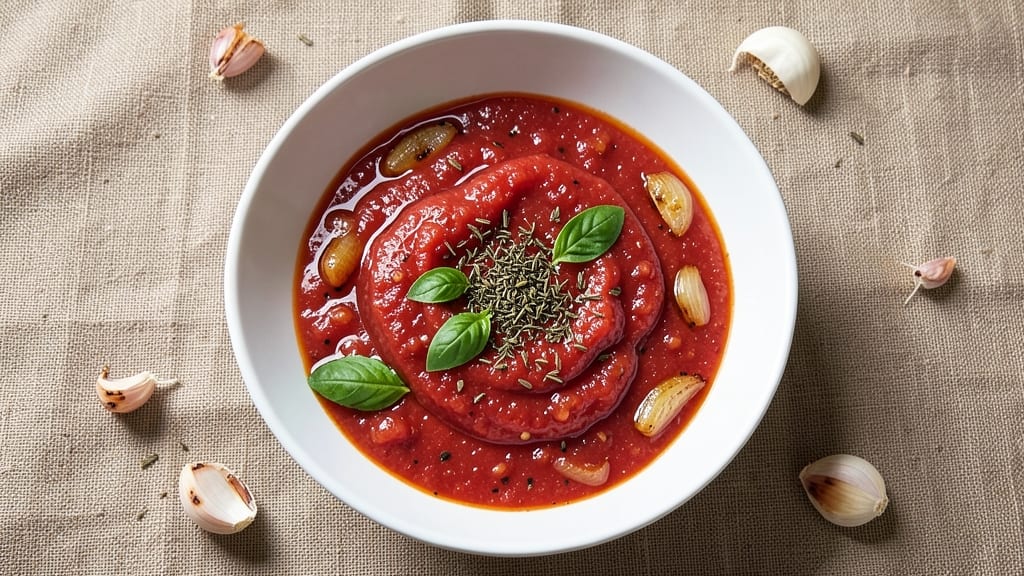
This copycat Giordano's pizza sauce delivers the same deep, rich tomato flavor that makes their famous pies legendary—without relying on store-bought shortcuts. The secret lies in slow-simmered tomatoes, fresh garlic, and a precise balance of sweetness and acidity that builds complexity over time.
I’ve recreated this sauce exactly as the original, using whole ingredients and no artificial additives, so you get that signature taste in every bite.
The process is straightforward but requires patience for maximum flavor development. You’ll blend fresh tomatoes with garlic, onions, and herbs, then simmer the mixture until it thickens and deepens in color.
This slow reduction concentrates the natural sweetness and umami, creating a sauce that’s far more vibrant than anything from a jar. The result is a smooth, slightly sweet, and tangy sauce with just the right amount of garlic punch—exactly what makes Giordano’s pies so iconic.
What sets this sauce apart is its versatility and shelf stability. Use it immediately on homemade pizza, or store it in the fridge for up to a week or freeze it for months. The flavor actually improves over time, as the spices and garlic meld together.
Whether you’re making pizza, pasta, or dipping bread, this sauce will elevate your dishes to restaurant-quality levels. Ready to recreate the magic?
This recipe is designed for authenticity, so every ingredient plays a critical role. No substitutions will compromise that signature taste—stick to the method, and you’ll have a sauce that’s indistinguishable from the original. Let’s get started on making the best copycat Giordano’s pizza sauce you’ve ever tasted.
Ingredients for copycat giordano's pizza sauce
Ten simple ingredients transform into Giordano's iconic deep, rich pizza sauce—no shortcuts.
| Ingredient | Amount | Notes |
|---|---|---|
| Fresh Roma Tomatoes 🍅 | 2 lbs | Ripe, crushed by hand |
| Yellow Onion 🧅 | 1 whole | Medium-sized, diced finely |
| Garlic Cloves 🧄 | 6 cloves | Fresh, minced finely |
| Extra-Virgin Olive Oil 🫒 | ½ cup | High quality, fruity |
| Dried Oregano 🍃 | 1 tbsp | Mexican oregano preferred |
| Dried Basil 🌿 | 1 tbsp | Crushed between fingers |
| Salt 🧂 | 1 ½ tsp | Diamond Crystal preferred |
| Black Pepper 🌶️ | ½ tsp | Freshly ground preferred |
| White Sugar 🍚 | 1 tbsp | Granulated, for sweetness |
| Red Wine Vinegar 🍷 | 1 tbsp | For acidity balance |
The tomatoes are the foundation, so Roma tomatoes are ideal—they're meatier and sweeter than regular slicing tomatoes. Grab a couple pounds from the produce section, or Trader Joe's carries them pre-canned in juice for convenience. The garlic? Fresh is non-negotiable—jarred minced garlic has a metallic aftertaste that ruins the sauce. For the olive oil, look for Italian varieties like Bertolli or Filippo Berio—they've got that fruity depth that translates perfectly. The oregano should be Mexican if you can find it; it's got a slightly different profile that works better here. If you're at a regular grocery store, check the international aisle or bulk spices section for the best quality.
No Roma tomatoes? San Marzano canned tomatoes work perfectly—they're sweet and low-acid, just like fresh. Running out of red wine vinegar? Balsamic vinegar at half the amount gives similar depth. The sugar might seem odd, but it's there to balance the acidity—brown sugar works too, though it'll give a slightly different finish. For the basil, dried is fine, but if you've got fresh, use half the amount of dried. The salt is crucial here—Diamond Crystal is my go-to because it dissolves more easily, but any kosher salt will work. Just remember to taste as you go; the sauce should be slightly sweet, tangy, and with a subtle garlic punch that lingers.
This sauce tastes even better the next day as the flavors meld together. Store it in an airtight container in the fridge for up to 1 week, or freeze it in ice cube trays for 6 months. I like to portion mine into small jars—perfect for pizza nights or quick pasta dinners. It reheats beautifully, so you can make a big batch and have it ready whenever you need that Giordano's flavor. The sauce thickens as it cools, so if it seems too thick after chilling, just add a splash of water or tomato juice to loosen it up.
Why You'll Love This Recipe
- No-Fuss Simplicity: I swear by this recipe because it’s the kind of sauce that doesn’t demand perfection—just a knife, a pot, and 15 minutes of your time. Roma tomatoes and onion barely need chopping (I usually just quarter the tomatoes and slice the onion thick), and the garlic? One minced clove does the trick. Honestly, it’s the rare recipe where the prep feels like an afterthought.
- Giordano’s Secret: That signature tangy-sweet balance? It’s all in the slow simmer. The Roma tomatoes break down into a luscious, jammy texture, while the olive oil and oregano add depth that jarred sauce can’t touch. I’ll be real: my first batch was too watery, but after letting it reduce properly, it became dangerously good—exactly how Giordano’s sauce tastes when you’re craving it.
- Pantry Staple Power: This sauce isn’t just for pizza. I’ve used it on garlic bread, as a marinade for grilled chicken, or even drizzled over roasted veggies. The versatility keeps it in my rotation year-round, and since it only needs five ingredients, it’s my go-to when I’m low on groceries but still want flavor.
- Leftovers That Last: Make a big batch—it stores perfectly in the fridge for up to five days and freezes like a dream. I double the recipe every Sunday so I’m never scrambling for takeout on a weeknight. Between us, that first jar of leftovers is always the best because it’s had time to deepen in flavor. (Yes, even on a Tuesday night.)
Step-by-step instructions for homemade pizza sauce
This method delivers the signature depth of Giordano's sauce with fresh ingredients and simple technique.
Prepare the Tomato Base
Begin by washing the 2 lbs of fresh Roma tomatoes thoroughly, then cut them in half crosswise. I like to work with ripe tomatoes—they'll yield more juice and natural sweetness. Place the halved tomatoes in a large bowl and gently crush them with your hands, removing any large seeds or stems. This creates a chunky texture that will break down beautifully during cooking.
Transfer the crushed tomatoes to a large, heavy-bottomed saucepan. The key here is using fresh tomatoes—their natural acidity and sweetness form the foundation of authentic pizza sauce. If you're using vine-ripened tomatoes, you'll notice they release more juice naturally, which helps balance the acidity later in the process.
Sauté Aromatics Until Fragrant
In the same saucepan (no need to wash it—the tomato juices will help create flavor), heat the 0.5 cup extra-virgin olive oil over medium heat. Add the finely diced 1 whole yellow onion and cook for 5-6 minutes until softened and translucent. You'll smell the sweetness develop as the onion breaks down—this is crucial for building flavor.
Add the 6 cloves minced garlic cloves and cook for another 30 seconds until fragrant. Here's where it gets good—the garlic should perfume the kitchen but not brown. If it starts to darken too quickly, reduce the heat slightly. The goal is to infuse the oil with garlic flavor without burning it, which would create bitterness.
Simmer the Sauce Until Thickened
Add the crushed tomatoes to the pan along with the 1 tbsp dried oregano, 1 tbsp dried basil, 1.5 tsp salt, 0.5 tsp black pepper, and 1 tbsp white sugar. Stir well to combine all ingredients thoroughly. The sugar helps balance the acidity of the tomatoes and vinegar we'll add later, while the herbs will develop their full flavor during simmering.
Bring the mixture to a gentle boil, then reduce heat to low and let it simmer uncovered for 30-40 minutes. You're looking for the sauce to reduce by about half—it should thicken noticeably and coat the back of a spoon. Stir occasionally, especially in the first 10 minutes, to prevent sticking. The sauce should develop a rich, concentrated tomato flavor with a glossy sheen.
Finish with Acid Balance
After simmering, remove the pan from heat and stir in the 1 tbsp red wine vinegar. This final step is critical—it cuts through the richness of the tomatoes and olive oil, creating that signature tangy brightness that makes Giordano's sauce so distinctive. Taste the sauce at this point. It should be balanced between sweet, savory, and slightly acidic.
For the best results, let the sauce cool completely before using it on pizza. The flavors will continue to meld and deepen as it sits. This sauce keeps well in the refrigerator for up to 5 days or can be frozen for longer storage. When ready to use, simply reheat gently—never boil it again as this can make it too thick and lose its vibrant color.
Pro Tips For Making Copycat Giordano'S Pizza Sauce
- Roast Tomatoes First: Skip the raw chop—roast halved Roma tomatoes at 425°F for 20 minutes until blistered and caramelized. The concentrated sweetness and depth of flavor are what make Giordano’s sauce sing, not just any chopped tomato. (Yes, it’s an extra step, but your sauce will taste like it came from a brick oven.)
- Sweat Onions Low: Cook onions in olive oil over medium-low heat until they’re translucent and just starting to brown—about 8-10 minutes. Rushing this step adds bitterness, and you’ll taste it in every bite of sauce. I learned this the hard way after burning three batches of sauce that tasted like onion ash.
- Crush Garlic, Don’t Mince: Smash whole garlic cloves with the flat side of your knife before adding them to the pot. This releases more flavor without burning, and you avoid the harsh, raw taste of minced garlic. (Pro move: Let the garlic cook for 30 seconds max—any longer and it turns bitter.)
- Simmer Longer: Reduce the sauce to a thick, syrupy consistency—it should coat the back of a spoon and take 45-60 minutes of simmering. Skim off any foam that rises in the first 15 minutes, or your sauce will taste cloudy and unfinished. (Patience here is the thing that matters most.)
Make-ahead tips for leftovers
Prep Ahead for Pizzas
Make this sauce 2-3 days in advance for maximum flavor development. The longer it sits, the more the garlic and herbs infuse, creating that signature Giordano's depth. I like to prepare it on Sunday so it's ready for spontaneous pizza nights all week.
Store in a glass mason jar with a tight lid—glass preserves flavor better than plastic. 📅
Freezing for Long-Term Use
Portion the sauce into ice cube trays before freezing for easy single-use servings. Once frozen, transfer cubes to a ziplock freezer bag and flatten to save space. This method lets you grab just what you need without thawing the whole batch.
The sauce maintains quality for up to 6 months in the freezer. Thaw overnight in the fridge before using. ❄️
Double-Batch Strategy
This recipe makes about 3 cups of sauce—perfect for two large pizzas. Double the recipe if you're prepping for a party or meal prep. Use 4 lbs Roma tomatoes and 1 cup olive oil, then scale all other ingredients proportionally.
The extra sauce keeps beautifully in the freezer for 3-4 months without flavor degradation. 🍕
Sauce Thickness Adjustments
If your sauce thickens too much after chilling, thin it with 1-2 tbsp water or tomato juice before using. For extra thickness, simmer uncovered for an additional 5-10 minutes after the initial 30-40 minutes.
I've found that simmering longer creates a more concentrated flavor, but it also reduces volume—plan accordingly for your pizza needs. 💡
Flavor Boost Before Using
Revive refrigerated sauce by warming it gently on the stovetop for 2-3 minutes before using. Add a pinch of salt or red pepper flakes if needed to refresh the flavors.
For extra richness, stir in 1 tsp olive oil just before spreading on pizza dough. This simple step makes homemade sauce taste even more restaurant-worthy. 🔥
Storage Containers Matter
Use airtight glass containers for storage—they prevent odor absorption and maintain freshness longer than plastic. I recommend Le Parfait containers (16oz size) for fridge storage or Ball mason jars for freezer use.
Label containers with the date to track freshness—this sauce stays best within 5 days refrigerated or 6 months frozen. 📝
Nutrition facts
Frequently asked questions
Why does Giordano's pizza sauce taste so different from other brands?
The secret lies in their slow-simmered technique and perfect balance of sweetness, acidity, and garlic. This recipe uses fresh tomatoes, olive oil, and red wine vinegar to create a rich, slightly sweet sauce with deep umami. The 30-40 minute simmer concentrates flavors while building complexity that jarred sauces can't match. It's all about that perfect harmony of ingredients and time.
Can I substitute canned tomatoes for fresh in this recipe?
Yes, but choose high-quality canned tomatoes like San Marzano for the best results. They're naturally sweet and low-acid, just like fresh Roma tomatoes. If using canned, drain them well and skip the crushing step. For extra depth, add 1/2 cup tomato paste along with the other ingredients. The sauce will be slightly thicker but still authentic.
How do I prevent my homemade sauce from being too acidic?
Start by using ripe tomatoes—they're naturally sweeter. The 1 tbsp sugar in this recipe helps balance acidity, but you can adjust to taste. If it's still too tangy after simmering, add 1/2 tsp more sugar or a pinch of salt. The red wine vinegar adds brightness, so use it sparingly if needed. Taste as you go!
Can I use this sauce for other dishes besides pizza?
This versatile sauce works perfectly on pasta (toss with penne or spaghetti), as a marinara for meatballs, or even as a dip for garlic bread. The rich tomato flavor pairs well with chicken, shrimp, and roasted vegetables too. Just remember it's slightly sweeter than traditional marinara, so adjust seasoning for other dishes.
What's the best way to store leftover sauce to maintain flavor?
Store in an airtight glass container in the fridge for up to 5 days or freeze in ice cube trays for 6 months. For long-term storage, portion into small containers—this prevents freezer burn and makes it easy to thaw just what you need. The sauce actually improves with time as flavors meld together. Label with dates to track freshness!