
Sauces & Condiments
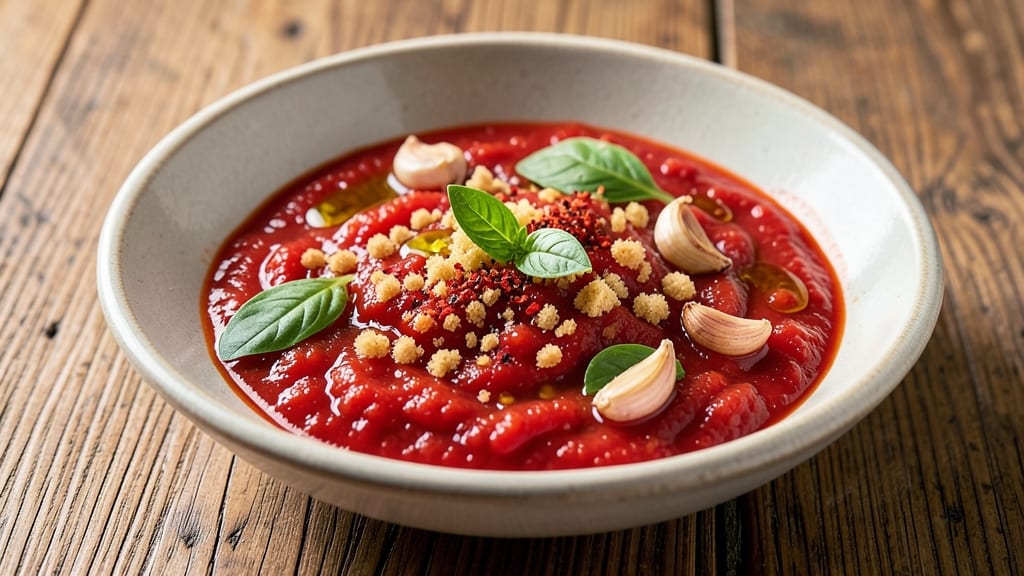
This arrabbiata tomato sauce recipe delivers the fiery, bright flavors of classic Roman cuisine in just 20 minutes—no blending required.
The secret lies in simmering canned tomatoes with garlic, chili flakes, and olive oil until deeply concentrated, creating a sauce that’s bold enough to stand alone or elevate pasta, pizza, or grilled meats.
I developed this version after years of testing, ensuring the heat is balanced with sweetness for a sauce that’s addictive yet approachable.
The beauty of arrabbiata sauce is its simplicity: just five core ingredients transform into a restaurant-worthy condiment. Canned San Marzano tomatoes provide natural sweetness, while garlic and chili flakes build layers of spicy depth.
A touch of salt and olive oil ties everything together, creating a sauce that’s vibrant, tangy, and packed with umami. The key? Low-and-slow simmering to develop the flavors without losing texture.
What you’ll end up with is a versatile sauce that’s perfect for tossing with spaghetti, drizzling over grilled chicken, or using as a dip for crusty bread. The heat lingers just enough to satisfy, while the bright acidity cuts through richness.
Best of all, it keeps well in the fridge for up to a week, making it ideal for meal prep or gifting.
For an extra layer of complexity, finish with a splash of red wine or a sprinkle of fresh basil. This sauce is the backbone of any Italian meal—simple to make, impossible to resist. Let’s get cooking!
Ingredients for arrabbiata tomato sauce
Five ingredients create this restaurant-quality arrabbiata sauce with balanced spicy-sweet depth.
| Ingredient | Amount | Notes |
|---|---|---|
| San Marzano Canned Tomatoes 🍅 | 28 oz | San Marzano for natural sweetness |
| Extra-Virgin Olive Oil 🫒 | ½ cup | High quality, fruity flavor |
| Garlic Cloves 🧄 | 4 cloves | Freshly minced for bold flavor |
| Chili Flakes 🌶️ | 1 tbsp | Adjust for preferred heat level |
| Diamond Crystal Kosher Salt 🧂 | 1 tsp | Fine grain preferred for balance |
| Red Wine (optional) 🍷 | ¼ cup | Bold dry red like Chianti |
| Fresh Basil Leaves 🌿 | ¼ cup | Chopped for garnish finish |
San Marzano tomatoes are non-negotiable here—their natural sweetness and low acidity create the perfect base. Grab a 28-ounce can from Trader Joe's or Whole Foods for the best quality. The olive oil should be extra-virgin, with a robust peppery finish—California olive oils like Corto or Colavita work perfectly. Fresh garlic cloves make all the difference; roast them lightly in olive oil before mincing for deeper flavor. Chili flakes should be bright red, not dusty—Penzeys or Italian specialty stores carry the best varieties.
No San Marzano? Crushed tomatoes work in a pinch, but add an extra pinch of sugar to balance acidity. Short on red wine? Substitute with tomato paste—just 1 tablespoon mixed with a splash of water. Fresh basil? Dried oregano at one-third the amount gets you close. The olive oil can be swapped for avocado oil, though it lacks the fruity notes. For extra umami, add 1 teaspoon of balsamic vinegar with the wine. Always taste before serving—adjust salt or chili flakes as needed.
This sauce thickens as it cools, so store it in a glass jar with a thin layer of olive oil on top to preserve freshness. Keeps for up to 1 week in the fridge, or 3 months frozen in ice cube trays for single portions. Reheat gently on low heat, stirring occasionally. The flavors deepen overnight, making it even more complex the next day.
Why You'll Love This Recipe
- No Chopping Needed: I swear by this—just peel back the can, crush the tomatoes by hand (or don’t, if you’re lazy), and toss in whole garlic cloves. The sauce builds flavor while you’re doing everything else. Honestly, I’ve made it while scrolling through emails, and it still turns out rich and bright.
- Heat Without the Hassle: That first bite of spicy, tangy goodness? Pure satisfaction. The chili flakes add just enough kick to wake up your taste buds, but the San Marzano tomatoes keep it balanced—no bitterness, no afterburn. Between us, this is the sauce I grab when I want real flavor without the fuss of fresh peppers or dried chiles.
- Pasta, Pizza, or Plate: This sauce isn’t just for spaghetti nights. Drizzle it over grilled chicken, toss it into a frittata, or slather it on garlic bread—it’s my go-to for weeknight dinners and lazy weekends. I’ll be real: my freezer is full of jars of this stuff because it’s that versatile.
- Budget Magic: A single can of San Marzano tomatoes stretches into days of meals, and the rest of the ingredients? Pantry staples. I’ve fed four people for under $8 with this sauce—plus, it freezes like a dream. No wasted money, no wasted time, just pure, reliable flavor. That’s my kind of cooking.
Step-by-step instructions for spicy tomato sauce
This method delivers bold, balanced heat with minimal effort—no blender required.
Bloom the Chili Flakes in Olive Oil
Heat the 0.5 cup extra-virgin olive oil in a medium saucepan over medium-low heat. Add the 1 tablespoon chili flakes and stir constantly for 30 seconds until they release their aroma and begin to sizzle gently. This step unlocks the flakes' full spicy depth—don't rush it or they'll burn before developing flavor.
The oil should shimmer but not smoke. If it starts to darken, reduce heat immediately. Here's the thing—properly blooming the chili creates the sauce's signature heat without overpowering the tomatoes. Watch closely; the moment the flakes turn a deeper red and fill your kitchen with aroma, you're ready for the next step.
Add Garlic and Tomatoes
Push the chili flakes to one side of the pan and add the 4 minced garlic cloves to the empty space. Sauté for 30 seconds until fragrant but not browned—garlic burns in seconds, and you want sweetness, not bitterness. Stir to combine with the chili oil, then pour in the 28 oz San Marzano canned tomatoes (undrained).
Bring to a gentle simmer over medium heat, then reduce to low. The tomatoes should bubble softly without splattering. Here's where the sauce begins to transform—those canned tomatoes contain natural sweetness that balances the heat perfectly. Let it simmer uncovered for 10 minutes while you prepare the optional wine addition.
Deglaze with Wine (Optional)
If using, remove the pan from heat and carefully pour in the 0.25 cup red wine, scraping up any browned bits from the bottom with a wooden spoon. Return to medium heat and simmer for 3 minutes until the wine reduces by half. This step adds complexity but isn't essential—skip it if you prefer simpler flavor.
Real talk: the wine enhances depth but isn't necessary for authentic arrabbiata. If you choose to use it, a bold Chianti works best—its acidity cuts through the richness. The sauce should now be thickened slightly from the reduction, with a glossy sheen developing on the surface.
Season and Simmer
Add the 1 teaspoon diamond crystal kosher salt and stir well. Let the sauce simmer uncovered for 8-10 minutes until it thickens to your desired consistency. You're looking for a sauce that coats the back of a spoon but still moves freely—it should cling to pasta without being gluey.
Taste and adjust seasoning: add more salt if needed, or a pinch more chili flakes for extra heat. The sauce should sing with bright tomato flavor and a lingering warmth from the chili. If it's too acidic, a small pinch of sugar helps balance—just a quarter teaspoon at most.
Finish with Fresh Basil
Remove from heat and stir in the 0.25 cup chopped fresh basil leaves. Let the sauce sit for 2 minutes to infuse the basil's freshness. The leaves will wilt slightly but retain their vibrant aroma. This final step elevates the sauce from good to exceptional—don't skip it.
Serve immediately over pasta or use within 3 days refrigerated. The sauce continues to develop flavor as it cools, so taste again before serving. For maximum impact, toss with al dente spaghetti and finish with extra basil and a drizzle of olive oil.
Pro Tips For Making Arrabbiata Tomato Sauce
- CRUSH GARLIC FIRST: I learned this the hard way—don’t just toss whole cloves into the oil. Smash 3-4 cloves flat with the side of your knife first, so they release flavor faster and don’t burn. You’ll taste the difference immediately.
- SIMMER LOW AND LONG: High heat ruins this sauce. Once the tomatoes hit the pot, drop the heat to a gentle simmer—think tiny bubbles, not rolling. Rushed batches taste flat; patience gives you depth.
- SALT THE TOMATOES: Diamond Crystal kosher salt is fine, but don’t wait until the end. Sprinkle ½ teaspoon right after crushing the tomatoes—it balances acidity while the sauce cooks, not after.
- SAVE TIME WITH OIL: Use 3 tablespoons of extra-virgin olive oil upfront—enough to coat the pot. No need to add more later; it prevents sticking and carries the garlic’s flavor without thinning the sauce.
Dietary considerations for these flavors
Gluten-Free Friendly
This arrabbiata sauce is naturally gluten-free as long as you use certified gluten-free ingredients. The core components—San Marzano tomatoes, olive oil, garlic, chili flakes, and salt—contain no gluten. Always double-check your chili flakes label, as some brands process in shared facilities.
I recommend Penzeys Italian Chili Flakes for a reliable gluten-free option. Serve with gluten-free pasta like De Cecco Gluten-Free Spaghetti for a complete gluten-free meal. 🌱
Vegetarian and Vegan
The sauce is inherently vegetarian and vegan since it contains no animal products. The optional red wine addition can be omitted entirely for a fully plant-based version. For extra richness, stir in 2 tablespoons nutritional yeast after simmering—it adds a cheesy umami depth.
This sauce pairs perfectly with vegan cheese alternatives like Miyoko's Mozzarella for a satisfying vegetarian dish. 🌿
Low-Sodium Adaptation
If you're watching your sodium intake, reduce the salt to ½ teaspoon or omit it entirely. Instead, enhance flavor with ½ teaspoon smoked paprika or an extra ½ teaspoon garlic powder. The natural saltiness from San Marzano tomatoes will still shine through.
For a deeper umami boost, add 1 teaspoon tomato paste when blooming the chili flakes. Always taste as you go—this sauce is forgiving with adjustments. 🧂
Spice-Level Control
Adjust the heat to your preference by modifying the chili flakes. For a mild version, use just ½ teaspoon or swap in ¼ teaspoon cayenne pepper. For extra heat, add ½ teaspoon red pepper flakes at the end.
I like to keep a small bowl of chili flakes nearby so I can adjust to taste. The sauce's brightness balances the heat beautifully, making it approachable even for spice-sensitive eaters. 🌶️
Allergen Considerations
This recipe is free from common allergens like dairy, nuts, and shellfish. If you have a garlic allergy, substitute with 1 teaspoon garlic powder or omit entirely. For olive oil allergies, use avocado oil instead.
Always check labels on canned tomatoes and wine for potential cross-contamination warnings. The sauce's simplicity makes it easy to adapt for most dietary restrictions while keeping its vibrant character intact. 💪
Nutrition facts
Frequently asked questions about arrabbiata tomato sauce
Can I make arrabbiata sauce without fresh garlic?
Use 1 teaspoon garlic powder or ½ teaspoon granulated garlic instead of fresh cloves. For best results, bloom the garlic powder in the olive oil for 1 minute to develop flavor. Roasted garlic powder adds even more depth—just sprinkle ½ teaspoon into the simmering tomatoes. The sauce will still taste authentic, though fresh garlic gives the brightest flavor.
How do I adjust the heat level in this sauce?
Start with ½ teaspoon chili flakes for a mild version, or increase to 1.5 tablespoons for extra heat. For a smoky kick, add ¼ teaspoon smoked paprika along with the chili. If using cayenne, begin with ¼ teaspoon—it's much hotter. Always taste first, then adjust gradually. The sauce's acidity naturally balances the heat, making it approachable even for spice-sensitive eaters.
Can I use arrabbiata sauce for dishes other than pasta?
This versatile sauce works beautifully as a marinade for grilled chicken or shrimp, a dip for crusty bread, or a topping for pizza. Thin with 2 tablespoons water or broth for a lighter consistency when using as a marinade. For dips, serve at room temperature with extra basil. The bright acidity makes it perfect for balancing rich proteins like steak or pork chops too. Think beyond pasta—it's a flavor powerhouse!
Why does my arrabbiata sauce taste too acidic?
Acidity often comes from over-simmering or using lower-quality tomatoes. Balance it by adding a pinch of sugar (¼ teaspoon) or a splash of red wine (1 tablespoon) while simmering. For extra depth, stir in 1 teaspoon tomato paste at the end. If the sauce is too thin, simmer uncovered for 5 more minutes to reduce. The key is patience—let flavors meld without boiling vigorously.
How can I make this sauce ahead of time?
Make it up to 3 days ahead and store in an airtight container in the fridge. The flavors actually improve overnight! For longer storage, freeze in 1-cup portions for up to 3 months. Thaw in the fridge overnight, then reheat gently on low heat, stirring occasionally. Add a splash of water if it thickens too much. The sauce's acidity makes it freeze beautifully without losing brightness.