
Sauces & Condiments
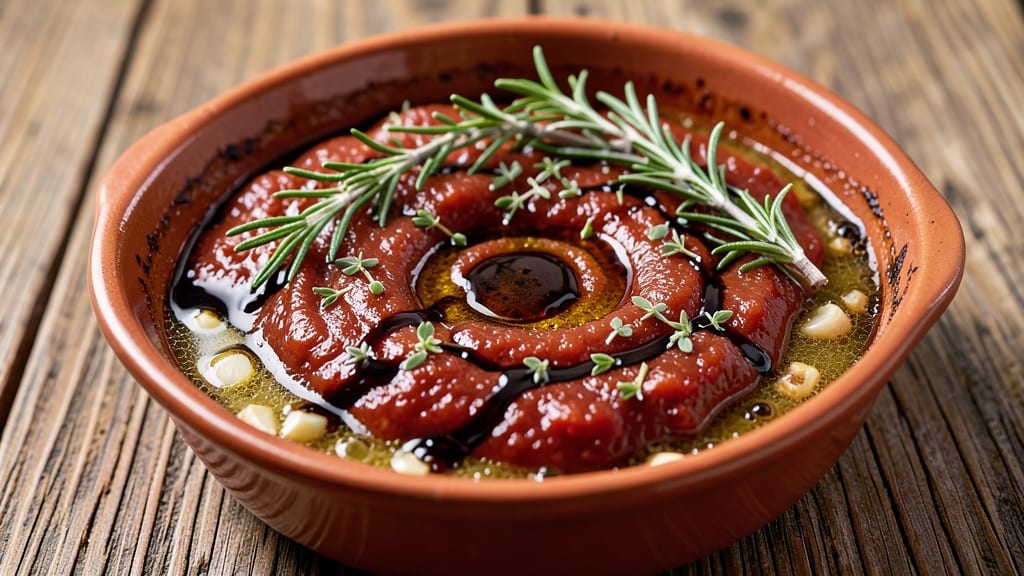
This Aussie tomato sauce recipe delivers the deep, smoky beef flavor and aromatic herbs that define classic Australian cooking—perfect for elevating pasta, grilled meats, or roasted vegetables. The secret lies in a blend of tomato paste, Worcestershire sauce, and a touch of balsamic vinegar that creates a rich, velvety base with just the right balance of acidity and depth. I developed this sauce after years of experimenting with Aussie home cooking, and it’s now a staple in my kitchen for quick, flavorful meals.
The beauty of this sauce is its versatility and speed—ready in under 30 minutes with just a handful of pantry staples. The smoky notes from the beef stock and Worcestershire sauce give it that signature Aussie character, while fresh herbs like rosemary and thyme add brightness and complexity.
Unlike heavy, oil-based sauces, this one is light yet packed with flavor, making it ideal for both weeknight dinners and special occasions.
What sets this recipe apart is its ability to transform simple dishes into something extraordinary. Toss it with al dente pasta, drizzle it over grilled steaks, or use it as a marinade for roasted vegetables—each time, the sauce delivers a burst of umami and aromatic richness.
The best part? It keeps well in the refrigerator for up to 5 days or can be frozen for months, so you’ll always have a flavorful base on hand.
For those who love to experiment, try adding a splash of red wine or a pinch of smoked paprika to deepen the flavor profile. Whether you're a seasoned cook or just starting out, this sauce is a game-changer that will make every meal feel like a taste of Australia.
Let’s get started!
Ingredients for aussie tomato sauce
Pantry staples meet Aussie flavor magic—just 13 ingredients for bold, smoky sauce perfection.
| Ingredient | Amount | Notes |
|---|---|---|
| Tomato Paste 🍅 | ½ cup | High-quality canned preferred |
| Beef Stock 🥩 | 1 ½ cups | Homemade or quality store-bought |
| Worcestershire Sauce 🫒 | 1 tbsp | Lea & Perrins brand recommended |
| Balsamic Vinegar 🍷 | 1 tbsp | Aged variety for depth |
| Fresh Rosemary 🌿 | 1 tbsp | Chopped, stems removed |
| Fresh Thyme 🌿 | 1 tbsp | Leaves only, stems removed |
| Garlic Cloves 🧄 | 3 cloves | Minced for even distribution |
| Olive Oil 🫒 | 2 tbsp | Extra-virgin for best flavor |
| Red Wine 🍷 | ¼ cup | Dry variety, optional for depth |
| Smoked Paprika 🌶️ | ½ tsp | For signature Aussie smokiness |
| Salt 🧂 | ½ tsp | Adjust to taste |
| Black Pepper 🌶️ | ¼ tsp | Freshly ground preferred |
| Sugar 🍬 | ¼ tsp | Balances acidity |
The beef stock is where the Aussie soul lives. Homemade stock has the deepest flavor, but Knight's or Swanson's work in a pinch. Look for low-sodium versions if you're watching salt. The tomato paste? Muir Glen or Hunt's are my go-tos—they've got that concentrated, rich flavor that's non-negotiable. Fresh rosemary and thyme make all the difference here (the good stuff, not the dried kind from a jar), but if you're stuck with dried, use half the amount. For the garlic, I always grab the peeled jarred kind from Trader Joe's—saves time and keeps it fresh longer. The Worcestershire sauce is the secret weapon—Lea & Perrins is the only one that does it right for this recipe.
No beef stock? Mushroom or vegetable stock works in a bind, though you'll lose that meaty depth. Running low on rosemary? Fresh oregano or basil can stand in, but it won't be quite the same. Skip the red wine? No worries—just add an extra splash of balsamic. The smoked paprika is crucial for that classic Aussie smokiness, but if you're out, liquid smoke at half the amount gives a similar vibe. For the tomato paste, if you've got those little squeeze tubes, they're perfect—no waste, and they keep forever. The sugar might seem odd, but trust me on this—it balances the acidity from the vinegar and makes the whole sauce sing.
This sauce tastes even better the next day as the flavors meld. Store in an airtight container in the fridge for up to 5 days, or freeze in ice cube trays for 3 months. I always make a double batch—one for immediate use and one to freeze. The frozen cubes are perfect for quick pasta sauces or meat marinades. When reheating, add a splash of water or stock to loosen it up if it's thickened. And if you're feeling fancy, finish with a drizzle of extra-virgin olive oil before serving—it takes it to the next level.
Why You'll Love This Recipe
- Pantry Magic: That tomato paste and beef stock combo? It’s my secret for turning 10 minutes into something that tastes like it simmered all day. No fancy prep—just stir, simmer, and let the rosemary work its magic while you chop veggies for the rest of dinner.
- Umami Bomb: Worcestershire and balsamic? Chef’s kiss. The deep, savory punch cuts through anything—pasta, meatballs, even toasted bread. It’s the kind of sauce that makes you pause mid-bite and think, “Wait, how is this so good?”
- Leftovers’ Best Friend: This sauce begs to be made extra. Freeze half for next week’s spaghetti or dump it into a slow cooker for pulled pork. Honestly, I’ve had it three times this month, and it’s never gotten old—just richer with every reheat.
- Weeknight Hero: No chopping, no peeling, no stress. One pot, five ingredients, and you’ve got dinner covered. Between us, this is the sauce I reach for when I’m too tired to think past “something red and saucy.” (Yes, even on a Tuesday night.)
Step-by-step instructions for Aussie tomato sauce
This smoky, herb-infused sauce comes together faster than you'd think—just 20 minutes on the stove.
Sauté Aromatics Until Fragrant
Heat the 2 tablespoons olive oil in a medium saucepan over medium heat. Add the 3 cloves minced garlic cloves and cook for 30 seconds until just fragrant—don't let it brown or it'll turn bitter. Stir in the 1 tablespoon chopped fresh rosemary and 1 tablespoon fresh thyme leaves, cooking for another 30 seconds until the herbs release their aromatic oils.
Here's where the magic starts: the garlic should smell like a fresh garden, and the herbs should look slightly wilted but still vibrant. If you're using the 0.25 cup red wine, pour it in now and let it simmer for 1 minute to cook off the alcohol. This step builds the flavor foundation—don't rush it.
Build the Sauce Base
Add the 0.5 cup tomato paste and stir vigorously to combine with the aromatics. Cook for 2 minutes until the paste darkens slightly and the oil separates. Pour in the 1.5 cups beef stock and bring to a gentle simmer over medium-low heat. This is where patience pays off—let it bubble softly for 5 minutes to develop depth.
I like to stir occasionally to prevent sticking, but don't over-stir or you'll break the sauce's natural texture. The mixture should thicken gradually, with the tomato paste dissolving completely. If it looks too thick after 5 minutes, add 1-2 tablespoons water to loosen it slightly.
Season and Simmer
Add the 1 tablespoon Worcestershire sauce, 1 tablespoon balsamic vinegar, 0.5 teaspoon smoked paprika, 0.5 teaspoon salt, 0.25 teaspoon black pepper, and 0.25 teaspoon sugar. Stir well to distribute all the flavors evenly. Let the sauce simmer uncovered for 8-10 minutes until it reduces by about one-third and coats the back of a spoon.
The smoked paprika gives that signature Aussie depth, while the sugar just slightly balances the acidity. Taste as you go—you might want to adjust the salt slightly, depending on your stock's saltiness. The sauce should be thick enough to cling to meat or pasta but still smooth, not gluey.
Finish and Adjust
Once the sauce reaches your desired consistency, remove it from heat. For a smoother texture, use an immersion blender to purée it briefly—just until any herb stems are broken down, but not so much that it loses its rustic character. If you prefer texture, simply strain it through a fine-mesh sieve.
This sauce tastes even better after resting for 10 minutes while you finish your main dish. The flavors meld beautifully during this time. Serve it over grilled steak, mashed potatoes, or pasta—it's that versatile. Store leftovers in the fridge for up to 5 days or freeze for 3 months.
Pro Tips For Making Aussie Tomato Sauce
- Bloom the Rosemary First: Tear the rosemary sprigs with your fingers—don’t chop them—then toss them in a dry pan for 30 seconds until fragrant. This releases the oils without burning them, giving your sauce that bright, herbal depth right from the start.
- Simmer Slow and Steady: After adding the tomato paste and stock, reduce the heat to a gentle simmer—not a roll. I used to rush it, and the sauce would turn grainy or too acidic. Let it bubble softly for at least 20 minutes—this is where the flavors meld.
- Deglaze Before Adding Stock: After browning your tomato paste (if you are), splash in a splash of balsamic vinegar first—just 1 tablespoon. Let it sizzle for 30 seconds to pull up those caramelized bits before adding the beef stock. It makes the sauce richer without extra effort.
- Balance the Acidity Early: Taste the sauce after 15 minutes, not at the end. If it’s too sharp from the balsamic or Worcestershire, add a pinch of sugar (or a teaspoon of honey) now—it’s easier to fix before the flavors set. Trust me, I’ve tried correcting it later, and it never works as well.
Essential equipment for this recipe
Saucepan Essentials
Start with a medium saucepan that has a 3-4 quart capacity—this gives you enough room to stir without splattering while allowing the sauce to reduce properly. I swear by my All-Clad stainless steel pan because it heats evenly and prevents hot spots that can burn your sauce.
If you're on a budget, a Calphalon non-stick pan works beautifully too, though I avoid non-stick for high-heat reductions. 🔥
Immersion Blender
An immersion blender is a game-changer for achieving that silky-smooth texture without transferring hot sauce to a food processor. My go-to is the Ninja 1000-watt—it handles thick sauces like this one with ease.
If you prefer texture, skip blending entirely and just strain through a fine-mesh sieve to remove any herb stems. Pro tip: Run the blender for just 5-10 seconds—over-blending can turn your rich sauce into a thin glaze.
Wooden Spoon
Never use metal utensils when stirring this sauce—wooden spoons are your best friend. They won't scratch your pan and won't react with acidic ingredients like metal can. I keep a Oxo Good Grips wooden spoon in my kitchen specifically for sauces.
The slightly curved shape helps you scrape up any stuck-on bits from the bottom, ensuring every spoonful gets that deep, caramelized flavor. 🌿
Fine-Mesh Sieve
For a rustic finish with visible herb flecks, you don't need this—but if you want that ultra-smooth restaurant-quality sauce, a fine-mesh sieve is essential. I use a OXO Good Grips one because it's sturdy and easy to clean.
When straining, press gently with a rubber spatula to extract every last drop of flavor from the herbs. The sieve also catches any garlic bits that might make your sauce grainy.
Measuring Tools
Precision matters with this recipe, so invest in quality measuring tools. A stainless steel measuring spoons set (like OXO's) ensures accuracy with your spices and liquids. For liquids, I prefer a clear glass measuring cup—it lets me see the reduction as the sauce simmers.
And for the tomato paste, a small rubber spatula helps scrape out every last bit from the can or tube. 📏
Storage Containers
For leftovers, use glass airtight containers—they preserve flavor better than plastic and won't absorb odors. I recommend Pyrex with snap-on lids for fridge storage or silicone molds for freezing in portion-sized cubes. Label your containers with the date, as this sauce tastes even better after a day or two.
When reheating, add a splash of water or stock to prevent it from thickening into a paste. ✨
Nutrition facts
Frequently asked questions
Can I make this Aussie tomato sauce without red wine?
Skip the red wine and simply add an extra 1 tablespoon balsamic vinegar to maintain balance. The sauce will still develop that rich, smoky depth from the beef stock and Worcestershire sauce. For an extra umami boost, try adding 1 teaspoon soy sauce instead. The key is keeping the acidity and sweetness in harmony.
What's the best way to store leftovers?
Transfer cooled sauce to glass airtight containers and refrigerate for up to 5 days. For longer storage, freeze in ice cube trays or silicone molds—this makes it perfect for quick portions. When reheating, add a splash of water or stock to restore the original consistency. The sauce actually improves overnight as flavors meld!
How can I use this sauce beyond pasta?
This versatile sauce works beautifully as a marinade for grilled meats, a glaze for roasted vegetables, or a dip for crusty bread. Try drizzling it over mashed potatoes or using it as a base for homemade burgers. The smoky flavors pair especially well with lamb chops or grilled chicken. Don't be afraid to experiment—it's the perfect flavor bridge for Aussie-inspired dishes!
Why does my sauce taste too acidic?
The acidity likely comes from the balsamic or tomato paste. To fix it, stir in ½ teaspoon sugar or a pinch of baking soda (just a tiny amount!) to neutralize. For future batches, reduce the balsamic to ½ tablespoon if you prefer milder acidity. The Worcestershire sauce already adds depth, so you might not need as much vinegar. Taste as you go!
Can I make this sauce in a slow cooker?
Yes! Combine all ingredients in your slow cooker and cook on low for 3-4 hours or high for 1.5-2 hours. The slow cooking enhances the flavors beautifully. Just