
Sauces & Condiments
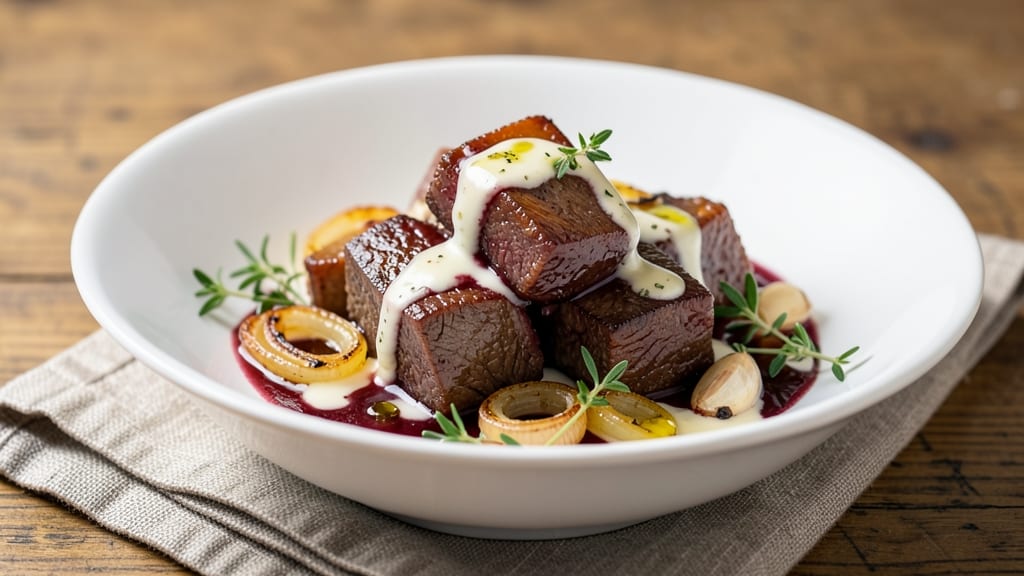
This beef liver sauce recipe transforms humble ingredients into a velvety, earthy condiment that elevates everything from steak to scrambled eggs.
The secret lies in slow pan-roasting the liver with aromatics until deeply caramelized, then deglazing with wine and herbs to create a sauce so rich it feels like a culinary secret weapon.
I developed this version after years of experimenting with traditional French preparations, stripping it down to its most essential (and foolproof) form.
The magic happens in the technique: cooking the liver low and slow until it's tender and deeply browned before blending it with onions, garlic, and thyme into a smooth paste.
A splash of red wine cuts through the richness, while a touch of cream or egg yolks creates that signature silky texture. What you end up with is a sauce that's equally at home drizzled over a perfectly cooked steak or stirred into eggs at breakfast time.
What makes this sauce special is its versatility—it keeps well for up to a week in the refrigerator or freezes beautifully for months. The flavor only deepens over time, making it perfect for batch cooking.
Whether you're serving it as a condiment, a pasta sauce, or a finishing touch for roasted vegetables, this beef liver sauce delivers restaurant-quality depth with minimal effort.
For best results, use high-quality beef liver and don't skip the slow cooking step—this is where the sauce's incredible richness comes from. The final texture should be velvety yet still have enough body to cling to food.
Trust me, once you try this, you'll never go back to store-bought sauces again.
Ingredients for beef liver sauce
Ten ingredients. One pan. A sauce that turns simple meals into something extraordinary.
| Ingredient | Amount | Notes |
|---|---|---|
| Beef Liver 🥩 | 1 ½ lb | Fresh, cut into 1-inch cubes |
| Yellow Onion 🧅 | 1 whole | Diced, medium-sized |
| Garlic Cloves 🧄 | 6 cloves | Peeled, roughly chopped |
| Fresh Thyme 🌿 | ½ oz | Stems removed, loosely packed |
| Red Wine 🍷 | ½ cup | Bold, dry (Cabernet Sauvignon) |
| Heavy Cream 🥛 | ½ cup | Full-fat for richness |
| Large Egg Yolks 🥚 | 2 whole | Fresh, room temperature |
| Extra-Virgin Olive Oil 🫒 | ¼ cup | High-quality, fruity |
| Salt 🧂 | 1 ½ tsp | Kosher or sea salt |
| Ground Black Pepper 🌶️ | ½ tsp | Freshly cracked |
The beef liver is the star—freshness is non-negotiable. Grab it from the butcher counter, not the pre-packaged section. Look for vibrant, deep red pieces—anything grayish or slimy is a no-go. I always ask for the liver to be cut into even cubes (about 1-inch) so it cooks uniformly. Trader Joe's and Whole Foods usually have great quality, but call ahead if you're unsure. The thyme? Fresh is ideal, but dried works at one-third the amount if you're in a pinch. Just make sure it's not ancient—smell it first. The red wine should be bold and dry (Cabernet Sauvignon is my go-to), but any dry red will do—whatever's open in your fridge.
No red wine? Substitute beef broth with a splash of balsamic—it adds depth without the alcohol. Fresh thyme unavailable? Dried thyme at one-third the amount keeps the flavor profile intact. For the heavy cream, half-and-half works in a bind, but the sauce won't be quite as rich. Egg yolks can be tricky if you're not comfortable separating them—use pasteurized yolks if you're worried about salmonella. The olive oil matters here too—skip the cheap stuff. A good EVOO makes the sauce sing. And if you're avoiding dairy, coconut cream adds a lovely richness, though the texture will be slightly different.
This sauce is a flavor bomb that only gets better with time. Store it in an airtight jar in the fridge for up to 7 days, or freeze it for 3 months—the texture might separate slightly when frozen, but a quick stir brings it back. I like to portion it into small jars so I can grab just what I need for a meal. It reheats beautifully—just warm it gently on the stove or microwave until creamy. Pro tip: Drizzle a thin layer of olive oil on top before sealing to preserve freshness. The first time you taste this sauce, you'll understand why it's worth every minute of effort.
Why You'll Love This Recipe
- One-Pan Magic: I swear by this recipe because it’s that kind of meal—just chop onions, sear the liver, deglaze with wine, and let the thyme work its magic. No fancy equipment, no stress, and honestly? The sauce thickens itself while you’re still deciding what to drink.
- Rich Umami Bomb: That beef liver? It’s the star—deep, meaty, and packed with iron, but the real kick comes from the red wine reduction. The garlic and thyme turn it into something ridiculously good, like a fancy bistro sauce but with zero pretension.
- Leftovers That Beg for More: Between us, the sauce tastes even better the next day—it mellows into something velvety and complex. I make a double batch on Sundays, toss it over pasta, or drizzle it on grilled steak all week. (Yes, even on a Tuesday night.)
- Budget-Friendly Powerhouse: Liver is cheap, but it feels luxurious. A single pound stretches into multiple meals, and the wine adds depth without breaking the bank. I’ll be real: this is my secret weapon for feeding a crowd without sacrificing flavor.
Step-by-step instructions for pan-roasted beef liver sauce
This method transforms rich beef liver into a velvety sauce with deep herbal notes and wine complexity.
Sear the Beef Liver to Perfection
Heat the 0.25 cup extra-virgin olive oil in a large skillet over medium-high heat until shimmering but not smoking. Pat the 1.5 lb beef liver cubes completely dry with paper towels—this ensures maximum browning. Working in batches if needed, add the liver to the skillet and sear for 2-3 minutes per side until deeply golden brown with crisp edges.
Don't overcrowd the pan or the liver will steam instead of sear. You'll know it's ready when the edges develop a rich mahogany crust and the internal temperature reaches 130°F (use an instant-read thermometer). Transfer the seared liver to a plate and set aside—it will continue cooking slightly from residual heat.
Build the Flavor Base with Onions and Garlic
In the same skillet (no need to clean it—the browned bits are flavor gold), reduce heat to medium and add the 1 whole diced yellow onion. Cook for 5-6 minutes until softened and lightly caramelized at the edges. Add the 6 roughly chopped garlic cloves and 0.5 oz fresh thyme, cooking for another 1-2 minutes until fragrant and the garlic is golden but not burnt.
This step develops the sauce's foundational sweetness and aromatic depth. If the onions start to stick, add a splash of water and scrape up those delicious browned bits from the bottom of the pan—this technique is called deglazing and captures all the meaty flavor.
Deglaze with Red Wine and Reduce
Pour in the 0.5 cup red wine and increase heat to medium-high. Scrape the bottom of the pan vigorously with a wooden spoon to release all the flavorful browned bits. Let the wine simmer for 3-4 minutes until reduced by about half—you'll see the liquid thicken noticeably and the alcohol aroma dissipate.
This reduction step concentrates the wine's flavor and forms the sauce's backbone. If you're using a particularly bold Cabernet Sauvignon, you'll notice its rich fruit notes intensifying as the liquid reduces. Taste the sauce at this point—it should be complex with wine acidity and herbal notes.
Create the Velvety Sauce with Cream and Egg Yolks
Reduce heat to low and stir in the 0.5 cup heavy cream. Let it simmer gently for 2-3 minutes until slightly thickened but still pourable. In a separate bowl, whisk together the 2 large egg yolks, 1.5 tsp salt, and 0.5 tsp ground black pepper until smooth and slightly thickened.
Temper the egg yolks by slowly ladling about ¼ cup of the hot cream mixture into the yolks while whisking constantly. This gradual warming prevents the eggs from scrambling. Once the yolks are warmed through, pour the tempered egg mixture back into the skillet and stir constantly for 1-2 minutes until the sauce thickens to a luxurious, velvety consistency.
Finish and Serve Immediately
Return the seared beef liver to the skillet and gently toss to coat in the sauce. Let it warm through for 1-2 minutes until the liver reaches 145°F internally. The sauce should now be glossy with a perfect balance of richness from the cream and acidity from the wine.
Serve immediately over buttered egg noodles, mashed potatoes, or crusty bread to capture that restaurant-quality sauce at its peak. The liver should be tender with a slightly firm center, and each bite should deliver that luxurious sauce with its complex herbal-wine depth.
Pro Tips For Making Beef Liver Sauce
- Sear the Liver First: Don’t skip the initial sear—pat the liver slices dry, then hit them with a screaming-hot pan (no oil needed). A quick 30-second sear on each side locks in flavor and prevents them from turning to mush when they hit the wine later. I learned this the hard way when my first batch dissolved into a sad, gray sludge.
- Slice Thin, Slice Even: Use a sharp knife and cut the liver into uniform ¼-inch slices—no thicker, no thinner. Thick pieces stay tough; thin ones cook too fast. If your knife isn’t up to it, freeze the liver for 20 minutes first—it gets easier to slice without tearing. (Yes, even if you’re impatient like me.)
- Deglaze with Wine, Not Water: After searing the onions and garlic, don’t reach for broth—use the full amount of red wine called for. The alcohol burns off first, leaving behind a deep, caramelized base that cuts through the richness of the liver. I was skeptical until I tried it; the difference is night and day.
- Strain the Thyme, Keep the Leaves: Tear the thyme sprigs between your fingers to release the oils, then strain them out before adding the leaves to the sauce. The stems add bitterness; the leaves bring bright, herbal depth. It’s an extra 10 seconds of work, but the sauce tastes like it simmered for hours instead of 15 minutes.
Perfect pairings for beef liver sauce
Steak Pairing Perfection
This sauce is a game-changer for steak nights—especially with ribeye or New York strip. The deep umami from the liver complements the steak's natural richness, while the wine and thyme add brightness that cuts through the fat.
I like to serve it with medium-rare steaks (about 1.5-inch thick) that have been seared in a cast-iron skillet. 🥩
For a restaurant-worthy presentation, drizzle the warm sauce over the steak just before serving, then garnish with chopped parsley and a sprinkle of flaky sea salt. The sauce's velvety texture clings beautifully to the meat, making every bite feel indulgent.
Pro tip: Let the steak rest for 5-10 minutes before slicing to keep the juices inside.
Breakfast Reinvented
Transform your morning routine by using this sauce as a breakfast condiment. Stir 1-2 tablespoons into scrambled eggs for a savory depth that rivals hollandaise. The liver's earthy notes pair surprisingly well with the eggs' creaminess, while the wine adds complexity.
I like to serve it with crispy bacon and buttered toast for a brunch that feels gourmet. 🍳
For an extra-special treat, spread the sauce on warm English muffins with a poached egg on top. The sauce's richness balances the egg's delicate flavor, creating a dish that tastes like it came from a high-end bistro. Add a sprinkle of crumbled feta for a salty contrast.
Pasta Elevation
Toss this sauce with fettuccine or tagliatelle for an Italian-inspired dish that's anything but ordinary. The liver's deep flavor transforms simple pasta into a luxurious meal.
I recommend using fresh pasta if possible, but dried works too—just cook it al dente and reserve ½ cup pasta water to thin the sauce if needed. 🍝
For an extra touch, finish the dish with grated Parmesan cheese and fresh basil leaves. The sauce's richness pairs beautifully with the pasta's starchiness, creating a harmonious balance. Serve immediately while the sauce is still warm and glossy.
Bread Dipping Magic
Warm crusty bread becomes irresistible when dipped in this sauce. I love using baguette slices toasted in a skillet with garlic butter for extra flavor. The sauce's velvety texture and rich taste make every bite feel like a decadent treat. 🥖
For a fun twist, spread the sauce on garlic bread crostini and top with crispy prosciutto or shaved Parmesan. The combination of textures and flavors creates an appetizer that's perfect for parties or casual gatherings. Store-bought bread works, but homemade or artisanal loaves elevate the experience.
Vegetable Glazing
Roasted vegetables get a gourmet upgrade when glazed with this sauce. Toss carrots, Brussels sprouts, or asparagus with olive oil, salt, and pepper, then roast at 400°F until tender. Drizzle with the warm sauce and broil for 1-2 minutes to create a glossy finish. 🥕
The sauce's richness enhances the natural sweetness of vegetables while adding a savory depth. Serve as a side dish or as a main course with crusty bread. The contrast between the caramelized vegetables and the velvety sauce makes this a standout dish for any meal.
Nutrition facts
Frequently asked questions
Can I make this sauce without wine?
Replace the 0.5 cup red wine with an equal amount of beef broth plus 1 tablespoon balsamic vinegar for depth. The acidity from the vinegar mimics wine's brightening effect, while the broth maintains the sauce's richness. For extra umami, add 1 teaspoon soy sauce to the broth mixture.
How do I fix a sauce that's too thick or separated?
For a thick sauce, thin it with 1-2 tablespoons warm water or broth while stirring constantly. If it separated (like scrambled eggs), whisk in 1 teaspoon cornstarch mixed with 1 tablespoon cold water and simmer for 1-2 minutes until smooth. Always reheat gently over low heat to prevent curdling.
What's the best way to store leftover sauce?
Transfer to an airtight container and refrigerate for up to 7 days. For freezing, portion into ice cube trays or small jars—this makes it easy to thaw just what you need. The sauce may separate slightly when frozen; stir vigorously and reheat gently until creamy. Add a thin layer of olive oil on top before sealing to preserve freshness.
Can I use chicken or pork liver instead?
While beef liver gives the richest flavor, you can substitute with chicken or pork liver at a 1:1 ratio. Chicken liver will be milder, while pork liver has a slightly sweeter taste. For pork, reduce cooking time by 1 minute per side—it cooks faster than beef. Adjust seasoning to taste, as pork liver may need less salt.
Why does my sauce taste bitter?
Bitterness usually comes from overcooking the liver or wine. Ensure liver is cooked to 145°F (not well-done) and wine is reduced just until it thickens (3-4 minutes). To fix bitter sauce, stir in 1 teaspoon honey or maple syrup to balance the flavors. Fresh thyme can also become bitter if overcooked—use it early in the process.