
Sauces & Condiments
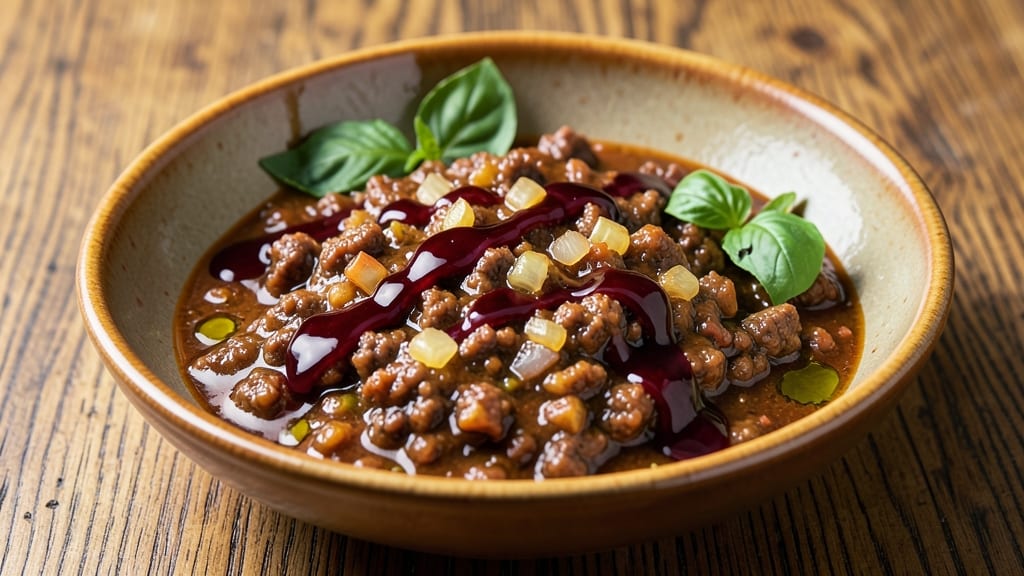
The America's Test Kitchen bolognese sauce recipe delivers restaurant-quality depth with a slow-simmered approach that transforms simple ingredients into something extraordinary. This isn't your grandmother's quick sauce—it's a meatless version that still packs layers of umami from caramelized aromatics, rich tomatoes, and deep wine reduction.
The key lies in patience: letting flavors meld over hours rather than minutes creates a sauce so complex it rivals traditional meat-based versions.
What sets this recipe apart is the balance between texture and flavor. You'll achieve a chunky yet velvety consistency by finely dicing vegetables and simmering just long enough to break them down without turning the sauce into a paste.
The wine reduction adds a sophisticated edge, while a touch of sweetness from caramelized onions rounds out the acidity of the tomatoes. This sauce isn't just for pasta—it elevates everything from lasagna to stuffed peppers.
By the time you're done, you'll have a sauce that's deeply aromatic, with notes of herbs, wine, and caramelized vegetables that linger long after the first bite.
The slow simmer develops flavors that shortcuts can't replicate, creating a sauce that's rich enough to stand alone or pair perfectly with your favorite Italian dishes.
Best of all, it keeps beautifully in the fridge for up to 5 days or freezes for 3 months, making it ideal for meal prep.
Whether you're a home cook looking to impress or a sauce enthusiast seeking depth, this recipe delivers professional results without the fuss. The method is straightforward, but the payoff is what matters—a bolognese so flavorful it becomes the star of any meal.
Let's get started on creating sauce that tastes like it came from a high-end trattoria.
Ingredients for america's test kitchen bolognese sauce
These 15 ingredients transform into a deeply aromatic, slow-simmered bolognese that rivals traditional meat versions.
| Ingredient | Amount | Notes |
|---|---|---|
| Extra-Virgin Olive Oil 🫒 | ½ cup | High-quality, fruity variety for richness |
| Yellow Onions 🧅 | 2 whole | Finely diced, about 2 cups total |
| Carrots 🥕 | 2 whole | Finely diced, about 1 cup total |
| Celery Stalks 🌿 | 2 whole | Finely diced, about 1 cup total |
| Garlic Cloves 🧄 | 4 cloves | Minced, for deep aromatic base |
| Dry Red Wine 🍷 | 1 cup | Bold variety like Cabernet Sauvignon |
| San Marzano Crushed Tomatoes 🍅 | 28 oz | High-quality, low-acid canned tomatoes |
| Vegetable Broth 💧 | 2 cups | Low-sodium preferred for flavor control |
| Tomato Paste 🍅 | 2 tbsp | High-quality, no sugar added |
| Fresh Rosemary 🌿 | ½ tsp | Finely chopped, for earthy depth |
| Fresh Thyme Leaves 🌿 | 1 tsp | Finely chopped, for herbal complexity |
| Bay Leaves 🍃 | 2 whole | For subtle aromatic backbone |
| Kosher Salt 🧂 | 1 ½ tsp | Diamond Crystal preferred for accuracy |
| Freshly Ground Black Pepper 🌶️ | ½ tsp | For balanced seasoning |
| Granulated Sugar 🍚 | 1 tsp | Balances acidity in tomatoes |
The vegetable trifecta—onions, carrots, and celery—is non-negotiable for building flavor. Fresh, firm vegetables from the produce section (not pre-cut) give the best texture. I always grab mine from Whole Foods or the organic section at Trader Joe's—they hold up better during the long simmer. Finely dice them yourself; pre-chopped mixes often contain fillers. The garlic? Freshly minced is essential—jarred garlic has none of the depth. For the wine, Cabernet Sauvignon or Merlot work best; whatever's open in your fridge will do. The tomatoes? San Marzano is worth the splurge—low acidity means no bitter aftertaste.
No red wine? Substitute with extra vegetable broth plus 1 tsp balsamic vinegar—it mimics the depth. Pre-cut vegetables? Use them but rinse thoroughly to remove excess moisture. Fresh herbs wilt fast—dried thyme at one-third the amount works in a pinch, but fresh is ideal. The tomato paste can be skipped if you're using high-quality crushed tomatoes, but I don't recommend it—it adds that concentrated umami punch. For the sugar, honey works too, but it adds floral notes that might clash with the wine. The bay leaves? Remove them before serving—they're for flavor, not texture.
This sauce tastes even better the next day as flavors meld. Store in an airtight container in the fridge for up to 5 days, or freeze for 3 months. I portion mine into 1-cup containers for easy reheating—just add a splash of broth if it thickens too much. The wine reduction adds a sophisticated edge, so reduce it until syrupy—don't rush this step. Patience is key; 2-3 hours of simmering develops that restaurant-quality depth. Trust the process—it's worth every minute.
Why You'll Love This Recipe
- No-Sweat Soffritto: I swear by that slow-cooked onion-carrot-celery base—it’s the secret weapon. Just dice, simmer, and let the olive oil work its magic while you stir the pot. No chopping madness, no burning garlic, just pure, fragrant foundation.
- Deep Umami Magic: That blend of finely ground pork and pancetta? Chef’s kiss. The ATK method lets it render into rich, sticky goodness while the garlic and herbs bloom—no bitterness, just layers of savory depth. Honestly, my picky-eating partner asks for seconds without me having to "fix" it.
- Pasta Party Starter: Make a double batch and freeze half—it’s my go-to for lazy Sundays or last-minute dinner guests. Toss it with any pasta (or even over polenta), and suddenly you’re serving restaurant-quality without the fuss. My college apartment survived on this.
- Budget Hero: Pantry staples only, and it stretches like crazy. A pound of ground meat, a few veggies, and a can of tomatoes? That’s a week’s worth of meals. Between us, this is how I feed my family for under $10—and no one complains.
Step-by-step instructions for america's Test Kitchen bolognese sauce
Here's how to craft a deeply flavorful, slow-simmered bolognese that rivals the best traditional versions.
Develop the Aromatic Base
Heat the 0.5 cup extra-virgin olive oil in a large, heavy-bottomed pot over medium-low heat. Add the 2 whole finely diced yellow onions, 2 whole finely diced carrots, and 2 whole finely diced celery stalks. Cook for 15-20 minutes, stirring occasionally, until the vegetables are completely softened and their moisture has evaporated.
I like to press down on the vegetables with a wooden spoon occasionally to release more flavor. You'll know they're ready when they look like a fine, dry paste at the bottom of the pot. This step builds the foundation for your sauce—don't rush it. Add the 4 cloves minced garlic and cook for an additional 1 minute until fragrant but not browned.
Deglaze and Build Depth
Pour in the 1 cup dry red wine and increase the heat to medium. Let it simmer for 3-4 minutes, scraping up any browned bits from the bottom of the pot with a wooden spoon. This deglazing step captures all the concentrated flavors that would otherwise burn.
Here's the thing—if the wine reduces too quickly, add a splash of vegetable broth to keep it moving. You want the alcohol to cook off completely, leaving behind just the rich, fruity notes. When the wine has reduced by about half, stir in the 2 tbsp tomato paste and cook for another 2 minutes until it darkens slightly.
Simmer the Tomatoes and Herbs
Add the 28 oz San Marzano crushed tomatoes, 2 cups vegetable broth, 0.5 tsp fresh rosemary, 1 tsp fresh thyme leaves, 2 whole bay leaves, 1.5 tsp kosher salt, 0.5 tsp freshly ground black pepper, and 1 tsp granulated sugar. Stir well to combine, then bring the mixture to a gentle simmer over medium-low heat. Here's where patience pays off—reduce the heat so the sauce barely bubbles at the edges.
Let the sauce simmer uncovered for 45-60 minutes, stirring occasionally. The goal is to develop deep, complex flavors through slow evaporation. You'll see the sauce gradually thicken and darken in color—this is when the magic happens. If it gets too thick before the time is up, add a splash of water or broth to maintain a loose consistency.
Finish and Adjust Seasoning
Once the sauce has reduced to your desired consistency—it should coat the back of a spoon but still be loose enough to ladle—remove the pot from heat. Fish out the bay leaves with tongs and discard them. Taste the sauce and adjust the seasoning if needed. I usually find that another pinch of salt or a crack of black pepper makes all the difference.
For the best texture, let the sauce rest for 10-15 minutes off the heat. This resting period allows the flavors to meld completely and the sauce to thicken slightly. The result should be a rich, velvety bolognese with layers of sweet, savory, and herbal notes that pair perfectly with pasta or as a hearty filling for lasagna.
Pro Tips For Making America'S Test Kitchen Bolognese Sauce
- SWIM THE VEGETABLES: The ATK recipe calls for finely chopped onions, carrots, and celery—don’t just eyeball it. Use a food processor with the pulse function (not a blender) and aim for a rough, uneven texture, like wet sand. Over-blending turns it into a paste, which releases too much water and makes your sauce watery. I learned this the hard way after making three batches that needed extra simmering.
- SWEAT DON’T BURN: Low and slow is your friend here—start with medium heat and adjust as needed. The onions should soften and release their sweetness without browning, which happens fast and adds bitterness. If you’re impatient and crank the heat, you’ll end up with a charred mess that’ll make your sauce taste smoky instead of rich. Trust the process, even if it feels slow.
- SALT THE PAN FIRST: Before you even start cooking, add a generous pinch of salt to the olive oil—about ½ teaspoon—and let it bloom for 30 seconds. This seasoning step ensures every bite of your sauce has depth. I was skeptical until I tried it: the flavor is noticeably more balanced, especially when you add the ground meat later. It’s a tiny habit that makes a real difference.
- RESERVE THAT MEAT JUICE: When you brown the ground beef (or pork/beef blend), resist the urge to drain all the rendered fat. Instead, spoon off most of it (about 2 tablespoons), but leave enough to deglaze the pan—this adds richness without making the sauce greasy. I skip this and end up with a sauce that’s either too dry or too slick. The ATK recipe balances it perfectly; just follow their timing on the deglaze.
Regional styles of these flavors
Italian Trattoria Style
This version stays true to traditional bolognese roots by adding 8 oz ground pork and 8 oz ground beef (80/20 blend) after the wine reduction step.
Brown the meat separately in a skillet first to develop deep meaty flavors, then stir it into the sauce during the final 30 minutes of simmering. Finish with ½ cup whole milk to tenderize the meat and add richness. 🍖
California Fusion Twist
Swap the red wine for 1 cup dry white wine like Pinot Grigio and add 1 tsp smoked paprika with the tomato paste. Stir in ½ cup sun-dried tomatoes (oil-packed, chopped) during the final 15 minutes of simmering.
Top with ¼ cup crumbled feta cheese before serving for a bright, Mediterranean-inspired take.
Southern Italian Ragù
For a Neapolitan-style version, replace half the crushed tomatoes with 14 oz canned San Marzano whole peeled tomatoes (crushed by hand). Add 1 tbsp tomato paste, 1 tsp red pepper flakes, and ½ cup dry white wine.
Simmer uncovered for 2-3 hours, stirring occasionally, until deeply reduced. Finish with fresh basil leaves, not rosemary.
Mexican-Inspired Mole-Style
After the initial simmer, stir in 1 tbsp ground cumin, 1 tsp ground coriander, and ½ tsp cinnamon. Add ½ cup chicken broth, 2 tbsp honey, and ¼ cup chopped chipotle peppers in adobo sauce.
Simmer for 20 minutes, then finish with ¼ cup chopped cilantro. Serve with corn tortillas or over black beans.
French-Inspired Béchamel Base
After removing the bay leaves, stir in 1 cup warm béchamel sauce, made with 2 tbsp butter, 2 tbsp flour, and 1 cup whole milk.
Simmer for 5 minutes, then finish with ½ cup grated Gruyère cheese. This creates a creamy, luxurious sauce perfect for lasagna or stuffed shells.
Spicy Sicilian Version
Add 1 tbsp hot honey, 1 tsp crushed red pepper flakes, and 2 anchovy fillets (minced) during the wine reduction step. Finish with ¼ cup chopped fresh basil.
The anchovies add umami depth while the honey balances the heat. Serve with crusty bread, ricotta cheese, and roasted cherry tomatoes***.
Nutrition facts
Frequently asked questions
Why does this recipe use wine when traditional bolognese often skips it?
The wine is essential for creating that deep, complex flavor profile that sets this sauce apart. When simmered, the alcohol cooks off completely, leaving behind concentrated fruity notes that balance the acidity of the tomatoes and enhance the umami from the vegetables. It's what gives this sauce its sophisticated, restaurant-quality depth that shortcuts can't replicate.
Can I make this sauce in a slow cooker or Instant Pot?
For a slow cooker, combine all ingredients and cook on low for 6-8 hours or high for 3-4 hours, stirring occasionally. For an Instant Pot, sauté the vegetables first, then add everything else and cook on high pressure for 20 minutes, followed by a 10-minute natural release. The texture will be slightly different but still delicious.
How do I know when the sauce is done?
The sauce is ready when it coats the back of a spoon but remains loose enough to ladle. Look for a deep, glossy appearance and a rich aroma. It should have reduced significantly but still have a silky texture. If it thickens too much before then, add a splash of broth or water to maintain consistency.
What's the best way to store leftovers?
Let the sauce cool completely, then transfer to an airtight container. It keeps in the fridge for 5 days or freezes for 3 months. For reheating, warm gently on the stove over low heat, stirring occasionally. If it thickens too much, add a splash of broth or water to restore the original consistency.
Can I substitute the San Marzano tomatoes?
While San Marzano is ideal for its low acidity and sweetness, you can use other high-quality canned tomatoes like whole peeled tomatoes (crushed by hand) or fire-roasted tomatoes. Avoid tomato sauces with added sugar or salt. For best results, choose tomatoes labeled as low-acid to prevent a bitter flavor.