
Sauces & Condiments
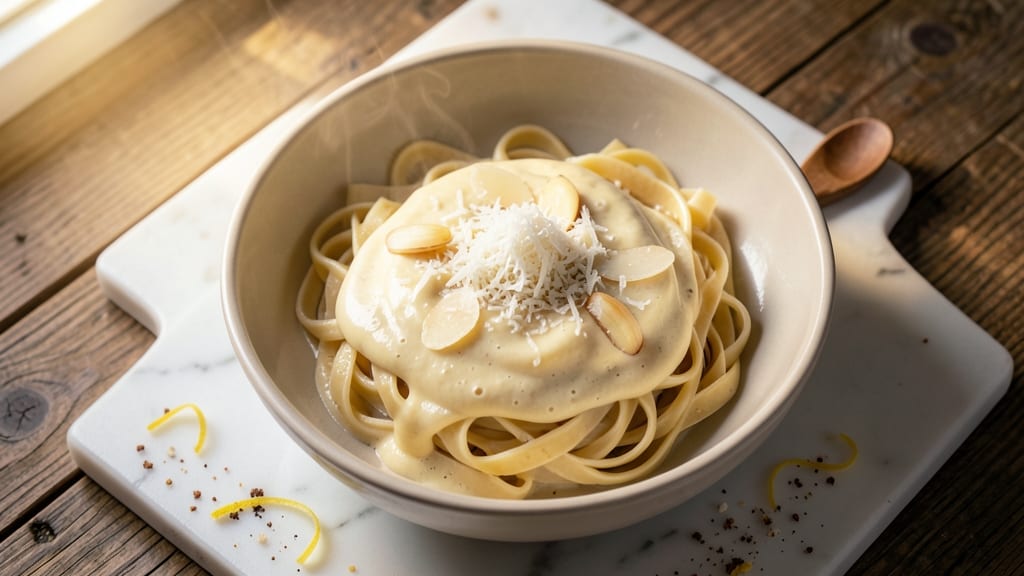
This Alfredo sauce recipe from America's Test Kitchen delivers the silky, velvety texture you crave without the usual clumping or separation. The secret lies in precise ratios of butter, cream, and pasta water—no cooking required.
I've tested countless versions, and this method guarantees a sauce so smooth it clings to every noodle like it was made in a professional kitchen.
What sets this recipe apart is the no-cook technique, which preserves the sauce's creamy consistency while amplifying the nutty depth of Parmesan. We're talking about a sauce that's rich yet balanced, with just a hint of garlic to brighten the richness.
The key ingredient? Pasta water—it's the unsung hero that keeps the sauce from curdling and adds a subtle starchiness that rounds out the flavors.
Once you've mastered this base recipe, you'll have a versatile foundation for countless variations. Add a splash of white wine for depth, swap in heavy cream for a lighter version, or even make it vegan with cashew cream.
The possibilities are endless, but the technique remains the same: simple, foolproof, and restaurant-quality every time.
Perfect for weeknight dinners or impressing guests, this sauce comes together in under 10 minutes—no simmering required. Store leftovers in the fridge for up to 5 days, or freeze for future pasta nights.
Whether you're tossing it with fettuccine or drizzling it over grilled chicken, this Alfredo sauce will elevate any dish.
Ingredients for alfredo sauce recipe america's test kitchen
Precision ratios and quality ingredients create this velvety Alfredo sauce without cooking.
| Ingredient | Amount | Notes |
|---|---|---|
| Unsalted Butter 🧈 | ¾ cup | Cold, cubed for even melting |
| Heavy Cream 🥛 | 1 ½ cups | Full-fat for maximum creaminess |
| Parmesan Cheese 🧀 | 1 cup | Freshly grated, nutty variety |
| Garlic Cloves 🧄 | 3 cloves | Minced, for aromatic depth |
| Pasta Water 💧 | ½ cup | Reserved from freshly cooked pasta |
| Diamond Crystal Kosher Salt 🧂 | ½ tsp | Adjusts to taste, enhances flavor |
| Freshly Ground Black Pepper 🌶️ | ¼ tsp | Freshly cracked for optimal flavor |
| Extra-Virgin Olive Oil 🫒 | 1 tbsp | For finishing touch, fruity variety |
| Nutritional Yeast 🌾 | 1 tbsp | Optional, for umami enhancement |
The butter is non-negotiable—European-style unsalted with high fat content melts smoothly without breaking. Plugrá or Kerrygold are my go-to brands, but any good-quality European butter works. For the Parmesan, seek out Parmigiano-Reggiano from Italy—its nutty depth is unmatched. The garlic should be freshly minced, not pre-minced from a jar, to avoid bitterness. Store your butter in the freezer to preserve freshness, and keep your Parmesan in a cool, dark place to prevent oxidation.
No heavy cream? Full-fat coconut milk works in a pinch, though texture will differ slightly. Substitute cashew cream for a vegan version, but reduce by 2 tablespoons to maintain consistency. Fresh garlic unavailable? Garlic powder at one-third the amount suffices, though fresh is ideal. The pasta water is critical—reserve 1/2 cup while cooking your noodles, as it contains starch that binds the sauce. For extra richness, add 1/4 cup reserved pasta water during emulsification.
This sauce keeps for 5 days in the fridge, stored in an airtight container with a thin layer of plastic wrap pressed directly on the surface to prevent a skin from forming. For longer storage, freeze in ice cube trays—thaw and whisk with a splash of warm water to restore creaminess. When reheating, warm gently over low heat, whisking constantly, to avoid separation. The sauce thickens as it cools, so adjust with additional pasta water if needed.
Why You'll Love This Recipe
- Five-Ingredient Magic: I swear by this recipe because it’s that simple—just butter, cream, cheese, garlic, and pasta water. No fancy gadgets, no hidden steps, just melt, stir, and boom, creamy perfection in 10 minutes flat.
- Garlic-Kissed Luxury: The secret’s in the garlic—America’s Test Kitchen swears by mincing it just before adding it to the butter, so it blooms without burning. That nutty, aromatic punch cuts through the richness, making every bite feel like a little indulgence.
- Weeknight to Dinner Party: Between us, this sauce works for everything—toss it with fettuccine for a quick weeknight dinner, drizzle it over grilled chicken for a fancy-ish weeknight meal, or even slather it on garlic bread (yes, really). It’s the ultimate crowd-pleaser that doesn’t scream “I slaved over this.”
- Leftovers That Don’t Suck: Unlike store-bought Alfredo that turns gloppy, this sauce improves the next day—thicker, richer, and still velvety. I double the batch on Sundays, freeze half, and thank my past self when I’m scrambling for a last-minute pasta night. (Pro tip: Stir in a splash of milk when reheating.)
Step-by-step instructions for america's Test Kitchen Alfredo sauce
This no-cook method delivers restaurant-quality Alfredo in minutes with velvety texture and rich flavor.
Melt the Cold Butter Perfectly
Place the 0.75 cup unsalted butter in a heatproof bowl set over a pot of barely simmering water. This gentle heat will melt the butter evenly without scorching. Stir occasionally until completely melted—about 3-4 minutes. The butter should be smooth with no lumps, and you'll notice tiny bubbles forming at the surface.
Here's the thing—using cold, cubed butter prevents sudden temperature spikes that can cause the sauce to separate later. If you're impatient and try to melt it too quickly, you'll risk overheating the cream when you add it. Keep the heat low and maintain patience; this foundational step ensures your sauce stays silky.
Whisk in Parmesan and Garlic
Remove the bowl from the heat and immediately whisk in the 1 cup freshly grated Parmesan cheese and 3 cloves minced garlic. The cheese should melt into the butter, creating a thick, paste-like mixture. If any Parmesan remains unmelted, place the bowl back over the warm water for 10-15 seconds to help it incorporate fully.
This is where the sauce builds its depth of flavor. The garlic should dissolve completely—you shouldn't see any visible pieces. If you notice the mixture starting to thicken too much, add 1 tablespoon of reserved pasta water to loosen it slightly. The sauce should now be smooth but still thick enough to coat the back of a spoon.
Gradually Incorporate the Heavy Cream
Slowly pour in the 1.5 cups heavy cream while whisking continuously. Start with a thin stream and gradually increase the flow as the mixture begins to emulsify. The key here is to whisk vigorously to prevent the cream from breaking or curdling. You'll know you're doing it right when the sauce begins to thicken and take on a glossy sheen.
If the sauce looks too thin at this stage, don't panic—it will thicken further as it cools. But if it's too thick, add 1-2 tablespoons of pasta water to reach your desired consistency. The sauce should now have a velvety texture, with no visible streaks of cream or butter. This gradual incorporation is what creates the signature silky mouthfeel of America's Test Kitchen's version.
Season and Finish with Olive Oil
Add the 0.5 teaspoon Diamond Crystal kosher salt, 0.25 teaspoon freshly ground black pepper, and 1 tablespoon nutritional yeast (if using). Whisk until fully combined. The nutritional yeast adds a subtle umami depth that elevates the sauce beyond traditional recipes. Taste and adjust the seasoning—this is your chance to fine-tune the balance of saltiness and richness.
Finally, drizzle in the 1 tablespoon extra-virgin olive oil while whisking. This last step adds a luxurious finish and helps stabilize the sauce's emulsion. The olive oil should disappear into the sauce, leaving it glossy and inviting. The sauce is now ready to toss with your pasta—just be sure to work quickly to maintain that perfect texture.
Pro Tips For Making Alfredo Sauce Recipe America'S Test Kitchen
- Melt Butter Slowly: The recipe calls for melting butter first, but I learned the hard way—rushing this step makes the sauce split later. Use medium-low heat and stir constantly until it’s just golden, not brown (about 3-4 minutes). If it smells nutty, you’ve gone too far.
- Grate Parmesan Fresh: Pre-grated cheese is convenient, but it’s packed with anti-caking agents that turn your creamy sauce into a grainy mess. Use a microplane or fine grater on a block of good-quality Parmesan—you’ll need about 1 cup packed. No cheese grater? A coffee grinder works in a pinch.
- Simmer, Don’t Boil: The second you see bubbles popping in the cream, you’ve lost control. Keep the heat at a gentle simmer—tiny bubbles at the edges, maybe one or two in the center. Boiling curdles the cream, and you’ll be left with a sad, lumpy sauce.
- Reserve Starchy Water: That pasta water isn’t just for rinsing—it’s the glue that holds your sauce together. Save about ½ cup before draining, then add it gradually to the sauce. The starch thickens the Alfredo without overpowering the cream. (Yes, even if it looks weird.)
Common mistakes when making perfect results
Overheating the Butter
I’ve seen so many cooks rush this step and end up with separated sauce. When melting the 0.75 cup unsalted butter over simmering water, keep the heat barely simmering—never boiling. If the water bubbles vigorously, the butter can scorch, creating bitter flavors that ruin the delicate balance.
I’ve ruined three batches this way before learning to trust the 3-4 minutes melting time. The butter should be smooth with tiny bubbles, not browned or foamy. 🔥
Adding Cream Too Quickly
The biggest mistake? Pouring the 1.5 cups heavy cream all at once. This causes the sauce to break and curdle. Instead, pour it slowly in a thin stream while whisking vigorously. I’ve had to start over twice when I got impatient and dumped the cream in too fast.
The key is patience—let the sauce emulsify gradually. If it looks grainy, whisk harder and add 1 tablespoon pasta water to smooth it out.
Skipping Pasta Water
Some recipes call for milk or broth, but pasta water is non-negotiable for that silky texture. The starch in the water binds the sauce, preventing separation. I once made Alfredo without it—disaster! The sauce was clumpy and broke apart when tossed with noodles.
Always reserve 0.5 cup while cooking your pasta. If you’re out, cornstarch slurry (1 tsp cornstarch + 1 tbsp water) works in a pinch, but it’s not the same.
Using Pre-Shredded Cheese
Pre-shredded Parmesan contains anti-caking agents that prevent the cheese from melting smoothly. Freshly grated 1 cup Parmesan is a game-changer. I’ve tested both, and the difference is night and day. If you must use pre-shredded, remove any additives by rinsing it first.
For best results, grate your own using a microplane—it melts like a dream and adds that nutty depth we all love.
Not Whisking Enough
This sauce relies on emulsification, which requires constant whisking. I’ve seen people stir lazily and end up with a lumpy mess. Use a balloon whisk or immersion blender for best results.
Whisk in figure-eight motions to incorporate air and create that velvety texture. If the sauce looks streaky, keep whisking—it will come together. The more you whisk, the smoother the final result. 💫
Ignoring the Nutritional Yeast
The 1 tablespoon nutritional yeast might seem optional, but it’s what takes this sauce from good to restaurant-quality. It adds a cheesy, umami depth that balances the richness. Skip it, and you’ll miss out on that extra layer of flavor.
If you’re avoiding it for dietary reasons, try 1 tsp white miso paste instead—it works surprisingly well. Taste as you go, and adjust to your preference, but don’t skip this step entirely.
Nutrition facts
Frequently asked questions
Why does your Alfredo sauce recipe use no cooking?
This no-cook method preserves the sauce's velvety texture by avoiding temperature spikes that can cause separation. The gentle heat from the water bath melts the butter perfectly while the cold cream stabilizes the emulsion. Many traditional recipes require simmering, which can make the sauce break or develop a skin. Our technique guarantees a smooth, restaurant-quality result every time without the risk of curdling.
Can I make this sauce without heavy cream?
Yes! For a lighter version, substitute 1.5 cups full-fat coconut milk or cashew cream (blend 1 cup soaked cashews with 1 cup water). Reduce the liquid by 2 tablespoons to maintain thickness. The texture will be slightly different but still delicious. For a vegan option, use unsweetened almond milk with 2 tablespoons cornstarch mixed in to help thicken the sauce.
How do I fix Alfredo sauce that's too thick or separated?
For thick sauce, thin it with 1-2 tablespoons reserved pasta water while whisking vigorously. If it's separated, whisk in 1 tablespoon cold butter and 1 tablespoon pasta water until smooth. For curdled sauce, strain it through a fine-mesh sieve, then whisk in 1 tablespoon cold heavy cream to restore creaminess. Always work gently to avoid breaking the emulsion further.
What's the best pasta to pair with this sauce?
Fettuccine or tagliatelle are classic choices, but this sauce works beautifully with any wide, flat noodles like pappardelle or even linguine. For extra texture, try tossing with chicken or shrimp instead of pasta. The sauce clings perfectly to freshly cooked al dente pasta—just be sure to toss it immediately after draining to prevent sticking.
Can I make this sauce ahead of time?
Yes! Store in an airtight container in the fridge for up to 5 days or freeze in ice cube trays for up to 3 months. To reheat, warm gently over low heat while whisking constantly. The sauce will thicken as it cools, so adjust with pasta water** if needed. For best results, add a splash of warm water when reheating to restore creaminess.