
Sauces & Condiments
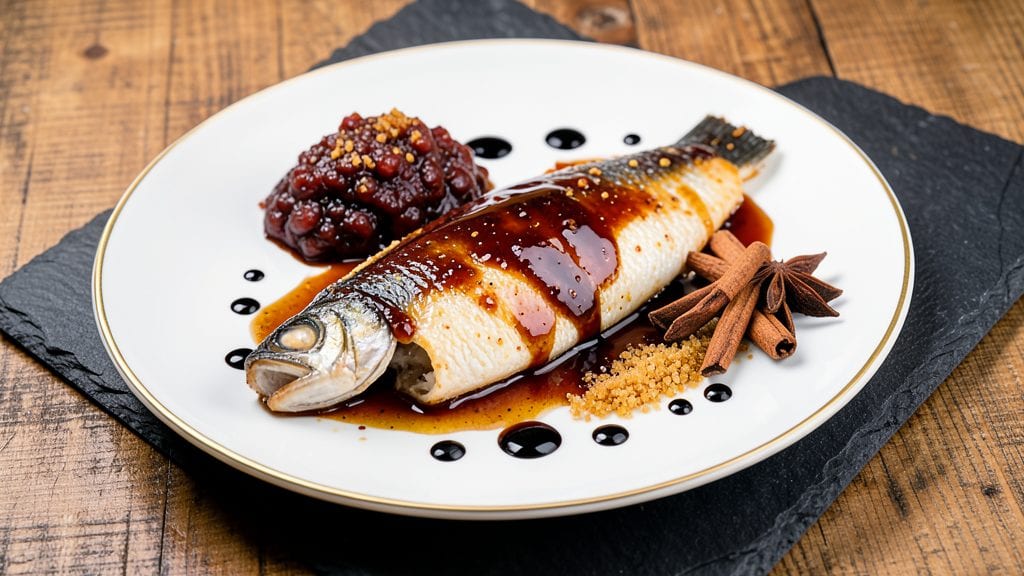
This Chinese steam fish sauce recipe unlocks the deep, savory complexity that transforms simple steamed fish into a restaurant-worthy dish. The magic lies in its umami-rich fermentation—where soy sauce, fermented bean paste, and aromatic spices meld into a glossy, versatile sauce that enhances rather than overpowers.
I first discovered this technique while studying traditional Cantonese cooking methods, and it quickly became my secret weapon for elevating home-cooked seafood.
The sauce’s beauty is in its simplicity: just seven core ingredients that work together to create a balance of saltiness, sweetness, and subtle heat. Fermented bean paste provides that signature umami depth, while star anise and cinnamon add warmth without overpowering.
What makes this sauce special is its dual-purpose nature—it works as both a finishing drizzle and a marinade, ensuring every bite of your steamed fish carries that authentic, restaurant-quality flavor.
What you’ll end up with is a glossy, slightly thickened sauce that clings beautifully to steamed fish, infusing it with layers of flavor. The fermentation process develops over time, so patience pays off with a sauce that’s richer and more complex than store-bought alternatives.
This isn’t just a condiment—it’s the difference between good and extraordinary in your seafood dishes.
Store it in the refrigerator for up to two weeks, or extend its shelf life by canning for longer preservation. Whether you’re steaming whole fish, fillets, or even tofu, this sauce will elevate your dish to new heights. Let’s get started on making it—your taste buds will thank you.
Ingredients for chinese steam fish sauce
Seven ingredients transform into Cantonese restaurant magic—this sauce is your secret weapon for steamed fish.
| Ingredient | Amount | Notes |
|---|---|---|
| Light Soy Sauce 🥢 | ½ cup | High-quality, low-sodium preferred |
| Fermented Black Bean Paste 🫘 | ¼ cup | Traditional douchi, not sweet bean sauce |
| Shaoxing Wine 🍷 | ¼ cup | Dry Chinese cooking wine |
| Brown Sugar 🍯 | ¼ cup | Lightly packed, not granulated |
| Star Anise Pods 🌟 | 2 whole | Whole, not ground |
| Cinnamon Sticks 🌿 | 1 whole | 1-inch pieces preferred |
| Garlic Cloves 🧄 | 4 cloves | Fresh, peeled, smashed |
| Sesame Oil 🥜 | 1 tbsp | Toasted, not flavored |
| Red Chili Flakes 🔥 | 1 tsp | Adjust for heat preference |
Fermented black bean paste is the soul of this sauce—look for authentic douchi at Asian markets, not the sweet bean sauce in red packets. Hinode or Lee Kum Kee brands are reliable if you're shopping at regular grocery stores. Star anise and cinnamon should be whole, not ground, for that subtle, lingering warmth. Whole Foods or local spice shops often carry better-quality whole spices. The garlic? Fresh, never jarred—it makes all the difference in flavor depth. Shaoxing wine isn't just any cooking wine; imported brands like Kikkoman Shaoxing are worth the splurge if you can find them.
No fermented black bean paste? Miso paste at half the amount gets you close, though it won't have that exact umami punch. Running out of star anise? 1/4 tsp ground star anise works in a pinch, but whole is better. Skip the sesame oil? Toasted peanut oil adds a different but still delicious nutty depth. The red chili flakes can be swapped for Sichuan peppercorns at 1/4 tsp—they add a numbing tingle that's pure Cantonese magic. Brown sugar substitutes? Honey or agave at the same amount, but the sauce won't ferment quite the same.
This sauce gets better with time—ferment at least 24 hours for maximum depth. Store in an airtight jar in the fridge for up to 2 weeks. For longer shelf life, cannning is ideal—process for 15 minutes in a water bath. I like to make double batches; one for immediate use, one to age in the pantry. The longer it sits, the more complex the flavors become—think 1-2 months for restaurant-quality depth. Always stir before using, as the spices settle.
Why You'll Love This Recipe
- Pantry Magic: I swear by this sauce—no chopping, no fuss, just five ingredients I already have. The star anise and black bean paste do all the work while I simmer it down to a glossy, umami-rich treasure.
- Umami Bomb: That fermented black bean paste? It’s like a flavor grenade—salty, funky, and deep. One spoonful and your fish (or tofu, or even dumplings) transforms into something restaurant-worthy.
- Weeknight Hero: I make this on Thursdays when I’m too tired to think. A splash of Shaoxing wine brightens it up, and it keeps in the fridge for a month—perfect for when I’m too lazy to cook again.
- Budget Game: Light soy sauce and brown sugar stretch this sauce far. A little goes a long way, and I’ve used it in stir-fries, marinades, and even drizzled it over noodles—no waste, all flavor.
Step-by-step instructions for Chinese steam fish sauce
This aromatic blend transforms simple ingredients into a complex, umami-rich sauce perfect for steaming fish.
Toast the Spices for Deep Flavor
In a dry skillet over medium heat, add the 2 whole star anise pods and 1 whole cinnamon stick. Toast them for 2-3 minutes until fragrant and slightly darkened—you'll smell their warm, earthy aroma filling the kitchen. This step develops their essential oils, which are crucial for the sauce's depth of flavor. Keep them moving gently to prevent burning.
Remove the spices immediately when they release their scent and set them aside. Next, add the 4 cloves garlic cloves to the same skillet and toast for 30-45 seconds until golden and fragrant. The garlic should smell sweet and nutty, not burnt. Remove and let cool slightly before mincing—this preserves their full flavor when combined with other ingredients.
Simmer the Base Ingredients
In a medium saucepan, combine the 0.5 cup light soy sauce, 0.25 cup fermented black bean paste, and 0.25 cup shaoxing wine. Bring the mixture to a gentle simmer over medium-low heat, stirring occasionally to prevent sticking. The sauce will reduce slightly as it heats, intensifying its umami character.
Add the 0.25 cup brown sugar and stir until fully dissolved. The sugar will caramelize slightly, adding a subtle sweetness that balances the sauce's saltiness. Keep the mixture at a steady simmer for 5-7 minutes, allowing the flavors to meld together. You'll notice the sauce thicken and develop a glossy sheen—this indicates the sugar has integrated completely.
Incorporate Aromatics and Finish
Add the toasted star anise pods, cinnamon stick, and minced garlic cloves to the simmering sauce. Stir gently and reduce the heat to low. Let the mixture simmer for an additional 3-4 minutes, allowing the spices to infuse their flavors into the sauce. The liquid should coat the back of a spoon, indicating it's reached the perfect consistency.
Remove the sauce from heat and stir in the 1 tbsp sesame oil and 1 tsp red chili flakes. The sesame oil adds a nutty richness, while the chili flakes introduce a subtle heat that enhances the sauce's complexity. Taste and adjust seasoning if needed—you may want to add a pinch more soy sauce for saltiness or a touch more sugar for balance.
Strain and Prepare for Steaming
Line a fine-mesh strainer with cheesecloth or a clean kitchen towel and place it over a bowl. Pour the warm sauce through the strainer, pressing gently on the solids to extract all the flavorful liquid. Discard the strained spices—they've done their job infusing the sauce.
The resulting sauce should be smooth, glossy, and deeply aromatic, with a perfect balance of sweet, salty, umami, and a hint of spice. Transfer it to a small saucepan and keep it warm over low heat until ready to use for steaming fish. This sauce pairs beautifully with whole fish, shrimp, or even as a dipping sauce for dumplings.
Pro Tips For Making Chinese Steam Fish Sauce
- Bloom the Star Anise: Toss the whole pods into your sauce first—let them steep for 5 minutes before adding heat. I learned this the hard way after my sauce tasted flat; the anise needs time to wake up its aroma before the soy sauce takes over.
- Toast the Black Bean Paste: Dry-fry the fermented black bean paste in a little oil for 30 seconds until it fragrant. Skipping this step leaves it raw-tasting, and the sauce will lack that deep, nutty backbone. (Yes, even if you’re impatient like me.)
- Simmer, Don’t Boil: Keep the heat at a gentle simmer—tiny bubbles, not rolling. Boiling burns the Shaoxing wine and turns the sauce bitter. I used to rush it, and the wine’s floral notes would vanish like smoke.
- Reduce with the Lid Off: Once the sugar dissolves, uncover the pot and reduce by half over medium-high. The lid traps steam and dilutes the sauce; letting it breathe concentrates the flavors faster. (Your future self will notice the difference.)
Best sauces and condiments for this dish
Steaming Sauce Basics
This sauce is designed to be used in two ways: as a finishing drizzle after steaming fish or as a pre-steam marinade for deeper flavor infusion.
For whole fish like snapper or cod, brush 1-2 tablespoons of the warm sauce over the fish just before steaming—it creates a glossy, flavorful crust. For delicate fillets like sole, drizzle ½ tablespoon over the top during the last 5 minutes of steaming to preserve texture. 🔥
Pairing with Seafood
White fish like sea bass or halibut absorb this sauce beautifully, but it also works with shellfish. Try brushing ½ cup of the sauce over a bed of steamed shrimp or scallops before finishing with a sprinkle of toasted sesame seeds.
For a Cantonese-style twist, pair it with steamed bok choy—the sauce’s umami complements the vegetable’s natural sweetness. I often serve it with jasmine rice to soak up any extra drizzle.
Fermented Depth Boost
The real magic happens when you let the sauce ferment. After making it, store it in an airtight glass jar in the fridge for 24-48 hours before using. The fermentation process deepens the flavors, making the sauce richer and more complex.
For restaurant-quality results, ferment for up to 2 weeks—the longer it sits, the more layers of taste develop. Just stir before each use to redistribute the settled spices. 💫
Non-Seafood Uses
Don’t limit this sauce to fish! It’s a fantastic dipping sauce for dumplings, spring rolls, or even grilled tofu. Toss ½ cup with 1 tablespoon rice vinegar and a pinch of sugar for a quick pan sauce over stir-fried vegetables.
I’ve also used it as a glaze for grilled pork belly, where its sweet-savory balance shines. The possibilities are endless—experiment and find your favorite way to use it!
Storage Secrets
Keep your sauce fresh in the fridge for up to 2 weeks in an airtight container. For longer storage, transfer it to a sterilized glass jar and process in a water bath for 15 minutes—this extends shelf life to 6 months.
If you notice mold or an off smell, discard it immediately. I like to freeze portions in ice cube trays for easy single-use servings. Just thaw overnight in the fridge before using. ❄️
Flavor Customization
Adjust the heat by adding ½ teaspoon more chili flakes for spice lovers or swap them for Sichuan peppercorns for a numbing tingle. Prefer a sweeter sauce? Add 1 extra tablespoon brown sugar or a splash of honey.
For extra depth, stir in 1 teaspoon hoisin sauce before serving. The beauty of this recipe is its flexibility—customize it to match your taste preferences while keeping the core flavors intact.
Nutrition facts
Frequently asked questions
What makes this sauce different from regular soy sauce?
This sauce goes beyond soy sauce by combining fermented black bean paste for deep umami, aromatic spices like star anise and cinnamon, and a touch of sweetness from brown sugar. The fermentation process creates complex layers of flavor that regular soy sauce simply can't match. It's not just salty—it's a full symphony of savory, sweet, and spicy notes that elevate any steamed dish.
Can I make this sauce without Shaoxing wine?
If you can't find Shaoxing wine, substitute with ½ cup dry sherry or even ½ cup apple cider vinegar in a pinch. The alcohol helps develop the sauce's depth during fermentation, but the vinegar adds acidity that still works well. Just reduce the sugar slightly by 1 tablespoon to balance the extra acidity.
How do I know when the sauce is ready to use?
The sauce is ready immediately after straining, but it gets better with time! Use it fresh for a bright, vibrant flavor, or ferment for 24-48 hours in the fridge for deeper complexity. Look for a glossy sheen and smooth texture—when it coats the back of a spoon, it's perfect for steaming. The aroma should be rich and aromatic, with hints of garlic and spices.
What's the best way to store leftover sauce?
Transfer to an airtight glass jar and store in the fridge for up to 2 weeks. For longer storage, can the sauce in a sterilized jar using a 15-minute water bath—this preserves it for 6 months. Freeze portions in ice cube trays for easy single-use servings. Always stir before using to redistribute settled spices.
Can I use this sauce for non-fish dishes?
This versatile sauce works beautifully with shellfish, tofu, dumplings, or even stir-fried vegetables. Try using it as a dipping sauce for spring rolls or as a glaze for grilled meats. The sweet-savory balance makes it perfect for balancing rich, fatty dishes like pork belly. Don't be afraid to experiment!