
Sauces & Condiments
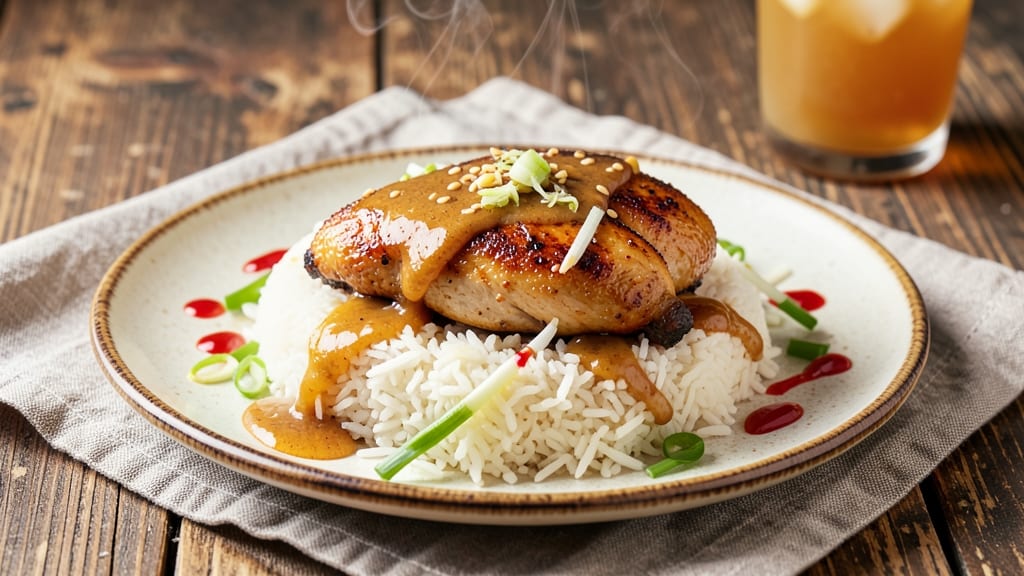
This chicken rice ginger sauce recipe transforms simple ingredients into a fragrant, aromatic sauce that clings to every bite like a flavorful embrace. The secret lies in slow-cooked ginger and garlic, which develop deep, complex notes that elevate steamed rice and chicken to restaurant-quality levels.
What makes this sauce special is how its bright, tangy profile balances the richness of protein and grains—no heavy cream or butter required.
With just 15 minutes of active prep and 30 minutes of simmering, you’ll create a sauce that’s rich enough to stand alone but versatile enough to complement any meal. The ginger’s warmth cuts through the meal’s richness, while a touch of soy and fish sauce adds umami depth.
Perfect for drizzling over chicken and rice bowls, this sauce is your secret weapon for turning weeknight dinners into memorable feasts.
Ingredients for chicken rice ginger sauce
Ten ingredients create this aromatic sauce that transforms simple rice and chicken into restaurant-quality meals.
| Ingredient | Amount | Notes |
|---|---|---|
| Fresh Ginger Root 🧄 | ½ cup | Finely grated, organic preferred |
| Garlic Cloves 🧄 | 6 cloves | Peeled, minced for depth |
| Low-Sodium Soy Sauce 🥢 | ⅓ cup | Kikkoman preferred for balance |
| Fish Sauce 🐟 | 1 tbsp | Red Boat brand for authentic umami |
| Rice Vinegar 🍶 | ¼ cup | Seasoned variety for brightness |
| Honey 🍯 | 2 tbsp | Local raw preferred for floral notes |
| Sesame Oil 🫒 | 1 tbsp | Toasted for nutty aroma |
| Green Onions 🧅 | ¼ cup | Thinly sliced, white and green parts |
| Vegetable Oil 🫒 | 2 tbsp | High smoke point for sautéing |
| Diamond Crystal Kosher Salt 🧂 | ½ tsp | For seasoning balance |
The ginger and garlic form the aromatic foundation—fresh ginger root is non-negotiable here. Organic ginger from the produce section at Whole Foods or a well-stocked Asian market delivers the most complex flavor profile. For garlic, Elephant brand (if available) has larger cloves that mince more evenly. Both should be finely grated or minced—no large chunks. The soy sauce and fish sauce combination creates the umami depth characteristic of this dish, so quality matters. Kikkoman soy sauce and Red Boat fish sauce are the gold standards, but any reputable brand works in a pinch.
No fresh ginger? Ginger powder at half the amount works, though it lacks the bright, fresh notes. Substitute vegetable broth for half the soy sauce if you're avoiding soy. Rice vinegar can be swapped for apple cider vinegar, though the flavor profile will shift slightly. For a sweeter touch, maple syrup replaces honey—just reduce to 1.5 tbsp. The sesame oil is optional but adds a nutty depth that complements the ginger beautifully. If you're sensitive to sesame, toasted peanut oil works as a substitute. The green onions should be thinly sliced—white parts for flavor, green for color—and added at the very end.
This sauce keeps beautifully in the fridge for 5-7 days, with flavors deepening over time. For longer storage, freeze in ice cube trays—perfect for adding to dishes later. The sauce reheats well, though it may thicken slightly. A splash of water or vinegar can restore its original consistency. Double the batch if you plan to use it frequently—it's that good. Store in a glass jar in the refrigerator, with a tight seal to preserve the aromatic compounds.
Why You'll Love This Recipe
- Fewer Ingredients, More Impact: I swear by this—just five core ingredients, and that ginger-fish sauce combo? Chef’s kiss. No hidden spices or fancy prep; the real magic comes from letting the garlic and soy sauce mingle while the ginger simmers down into something rich and aromatic. Honestly, my pantry’s been stocked with these basics for years, and this dish still surprises me.
- Umami Bomb: That first bite—salty, tangy, with a slow burn from the ginger—it’s like a flavor grenade in the best way. The fish sauce adds depth without overpowering, and the rice vinegar cuts through the richness just enough to keep it bright. I’ll be real: my picky-eater husband actually finishes his plate now.
- Lunchtime Reinvented: Pack this for work and watch it disappear. The sauce clings to the chicken perfectly, so it stays juicy even cold, and the rice soaks it up like a dream. I make a double batch every Sunday—half for lunch, half to reheat when I’m too tired to cook. (Yes, even on a Tuesday night.)
- Budget-Friendly Powerhouse: Fish sauce and ginger root stretch this recipe further than you’d think. A little goes a long way, and the flavors only get better the next day. I’ve fed four people for under $10 with this, and the leftovers? Still delicious enough to eat straight from the fridge. My wallet and taste buds thank me.
Step-by-step instructions for chicken rice ginger sauce
This aromatic sauce builds layer upon layer of flavor through precise technique and patience.
Prepare the Aromatic Base
Heat the 2 tablespoons vegetable oil in a medium saucepan over medium heat until shimmering. Add the 6 cloves minced garlic and 0.5 cup finely grated fresh ginger root, stirring constantly for 2-3 minutes until the garlic becomes golden and fragrant—this prevents burning while developing deep flavor. The mixture should smell intensely aromatic, like a warm spice market.
Here's the thing—ginger burns quickly. Watch closely and reduce heat if needed. Once the raw garlic smell disappears and you detect nutty, toasted notes, you're ready for the next step. The ginger should soften but remain vibrant, not mushy or browned.
Build the Sauce Foundation
Pour in the 0.33 cup low-sodium soy sauce and 1 tablespoon fish sauce, stirring vigorously to dissolve any ginger residue from the pan. Add the 0.25 cup seasoned rice vinegar and 2 tablespoons honey, then bring to a gentle simmer over medium-low heat. Let it cook uncovered for 8-10 minutes, stirring occasionally, until the liquid reduces by about one-third and thickens slightly.
The sauce should coat the back of a spoon when you run your finger through it. If it reduces too quickly, add 1 tablespoon water to maintain balance. Taste at this stage—you should detect sweetness from the honey, acidity from the vinegar, and umami from the soy and fish sauce working together.
Finish with Nuanced Flavors
Remove the pan from heat and stir in the 1 tablespoon toasted sesame oil and 0.5 teaspoon Diamond Crystal kosher salt. The sesame oil adds a nutty depth that elevates the entire sauce. Return to low heat just long enough to warm through—about 1 minute—without letting it boil again.
Finally, fold in the 0.25 cup thinly sliced green onions, reserving the white and green parts separately. Add the whites first for subtle onion flavor, then the greens at the end for freshness and visual contrast. The sauce should now have a glossy sheen with visible strands of green onion suspended throughout.
Rest and Adjust
Transfer the sauce to a bowl and let it rest at room temperature for 10-15 minutes. This allows all the flavors to meld completely and the sauce to thicken naturally. Taste again and make final adjustments—perhaps a touch more honey for sweetness or a splash of rice vinegar for brightness.
This sauce works perfectly over steamed jasmine rice, drizzled generously with each serving. The ginger's warmth, garlic's depth, and sesame's nuttiness create a harmonious balance that transforms simple chicken into an extraordinary dish. Serve immediately for maximum impact.
Pro Tips For Making Chicken Rice Ginger Sauce
- Grate Ginger Fine: Use a microplane or the smallest holes on a box grater—no peeling or chopping. The finer the texture, the smoother the sauce, and it blends better with the garlic. I used to slice it thin, and the sauce always had little chewy bits.
- Bloom Garlic First: Cook the garlic in oil over medium-low heat until it’s just golden—about 2-3 minutes. Too high, and it burns; too low, and it steams. Golden garlic adds depth without bitterness, and it’s the base for everything else.
- Taste Before Vinegar: Add the soy and fish sauce first, then taste the sauce before dumping in the rice vinegar. Vinegar cuts through richness, but if you add it too early, you’ll overcompensate and end up with a sharp, unbalanced flavor.
- Simmer, Don’t Boil: Keep the sauce at a gentle simmer—tiny bubbles, occasional swirls—never a rolling boil. Boiling turns fish sauce harsh and soy sauce bitter. A steady simmer lets the flavors meld without breaking the sauce’s balance.
Serving suggestions for chicken rice ginger sauce
Rice Bowl Perfection
This sauce is a game-changer for jasmine rice bowls—steam 1 cup of rice until tender, then drizzle 2-3 tablespoons of sauce generously over each serving. For extra richness, top with sliced roasted chicken breast and crispy fried shallots.
The ginger's warmth pairs beautifully with the rice's mild sweetness, while the sesame oil adds a nutty crunch. 🌟
Chicken Pairings
Use the sauce as a marinade for grilled or pan-seared chicken—coat 1 lb boneless thighs in ¼ cup of the sauce, then grill for 15-18 minutes at medium-high heat. The sauce caramelizes slightly, creating a sticky, flavorful crust.
For a quick weeknight meal, toss shredded rotisserie chicken with 1-2 tablespoons of sauce and serve over rice. The umami from the soy and fish sauce enhances the chicken's natural juiciness.
Vegetable Boost
Add steamed bok choy or shredded cabbage to your bowl for a fresh contrast. Toss 2 cups of chopped veggies with 1 tablespoon of the sauce before steaming, or serve them on the side for dipping.
The sauce's tangy-sweet balance cuts through the bitterness of greens like bok choy, while the ginger adds a zesty kick. 💫
Dipping Sauce Magic
Thin the sauce with 1 tablespoon water for a lighter consistency, then use it as a dipping sauce for spring rolls, dumplings, or grilled shrimp. The brightness of the rice vinegar and honey makes it irresistibly addictive.
For a spicy twist, stir in ½ teaspoon sriracha or chili crisp before serving. It’s the perfect balance of heat and sweetness for dipping.
Breakfast Twist
Transform this sauce into a breakfast star by drizzling it over scrambled eggs or tofu scramble. The ginger and garlic add a savory depth that elevates morning meals.
For a hearty option, serve with crispy hash browns or avocado slices. The sauce’s complexity turns a simple breakfast into a flavor-packed experience. ✨
Storage-Friendly Serving
Double the batch and store half in the fridge for 5-7 days—it’s perfect for quick meals. Reheat gently in a saucepan over low heat and drizzle over leftover rice and chicken for an instant flavor boost.
The sauce’s flavors deepen over time, making it even more delicious after a day or two. Keep a small jar in your fridge for easy access to restaurant-quality flavor. 💡
Nutrition facts
Frequently asked questions
Can I make this ginger sauce without fresh ginger?
Yes, but the flavor will differ. Use ½ teaspoon ground ginger for every 1 tablespoon of fresh ginger called for, but expect a more powdery taste. For better results, try ginger paste (found in Asian markets) at a 1:1 ratio with fresh. The sauce will still work, but the bright, fresh ginger aroma will be noticeably milder.
How spicy is this ginger sauce?
This recipe is naturally mild with no chili ingredients, but the fresh ginger provides a gentle warmth. For heat, add ½ teaspoon sriracha or chili crisp at the end. The sauce's sweetness from honey balances any spiciness beautifully. Taste first—you can always adjust!
Can I substitute honey with something else?
Try maple syrup (reduce to 1.5 tablespoons) or agave nectar for a vegan option. For a deeper caramel flavor, use brown sugar dissolved in 1 tablespoon water. The sauce will still be delicious, though the exact sweetness profile may shift slightly.
Why did my sauce turn out too thick/thin?
If too thick, stir in 1 teaspoon water or vinegar at a time until smooth. For thin sauce, simmer uncovered for 2-3 extra minutes to reduce. The key is patience—ginger sauce should coat a spoon but still pour easily. If using rice vinegar, remember it's acidic and may thicken slightly as it cools.
How long can I store this sauce?
Store in an airtight container in the fridge for 5-7 days—flavors actually improve! For longer storage, freeze in ice cube trays for up to 3 months. Thaw overnight in the fridge, then reheat gently. The sauce reheats well, though it may thicken slightly—just add a splash of water or vinegar.