
Sauces & Condiments
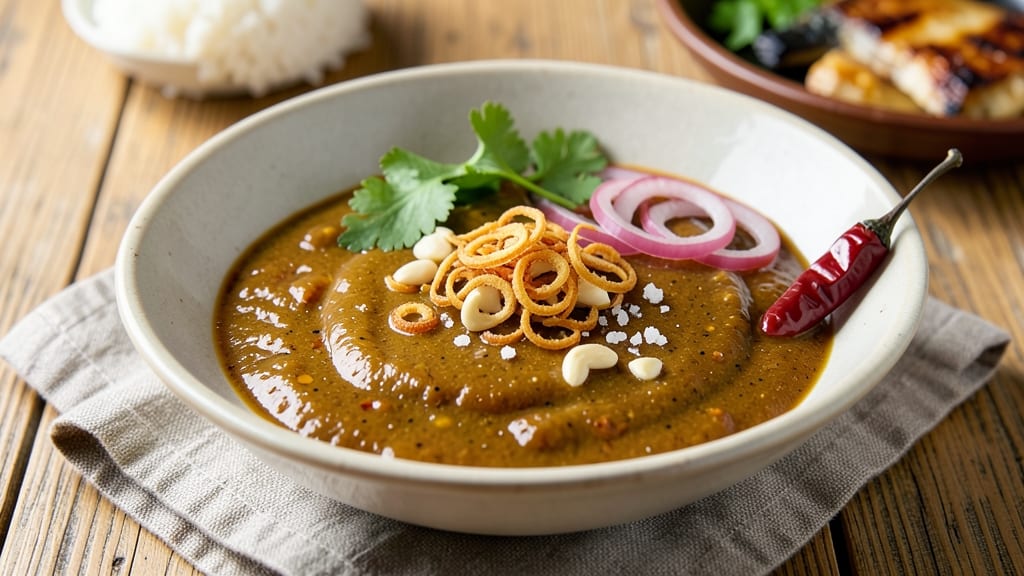
This cassareep sauce recipe unlocks the soul of Caribbean cooking with its deep umami richness and versatility. Made from fermented cassava root, this vegan condiment forms the flavor backbone of soups, stews, and marinades—transforming simple dishes into bold, aromatic masterpieces.
The fermentation process develops complex, earthy notes that pair perfectly with garlic, onions, and traditional spices.
The beauty of cassareep sauce lies in its simplicity: just cassava root, water, and time. Unlike store-bought versions, homemade cassareep delivers an intense, authentic flavor that elevates everything from hearty stews to grilled meats.
The process requires patience—fermenting the cassava for several days—but the result is a sauce so flavorful, a little goes a long way.
Once fermented and strained, this sauce becomes a foundational condiment in Caribbean cuisine, adding depth to dishes like callaloo, oxtail stew, or even vegan jerk marinades. Its umami punch cuts through richness while enhancing natural flavors, making it indispensable for home cooks and professional chefs alike.
Store it in the fridge for up to a month, or freeze for longer shelf life.
Ready to build bold flavors from scratch? This sauce isn’t just a condiment—it’s the secret weapon behind the Caribbean’s most unforgettable dishes. Let’s get started.
Ingredients for cassareep sauce
Fermented cassava forms the heart of this umami-rich Caribbean condiment—just ten ingredients transform simple dishes into bold masterpieces.
| Ingredient | Amount | Notes |
|---|---|---|
| Fresh Cassava Root 🥔 | 2 lb | Peeled and grated finely |
| Filtered Water 💧 | 3 cups | Room temperature preferred |
| Yellow Onions 🧅 | 1 whole | Chopped into small dice |
| Garlic Cloves 🧄 | 6 cloves | Minced finely for depth |
| Scotch Bonnet Peppers 🌶️ | 2 whole | Seeds removed, chopped |
| Sea Salt 🧂 | 1 ½ tsp | Diamond Crystal preferred |
| Ground Black Pepper 🌶️ | ½ tsp | Freshly ground for aroma |
| Thyme Leaves 🌿 | 1 tbsp | Fresh thyme preferred |
| Allspice Berries 🌶️ | 1 tsp | Crushed lightly for release |
| Lemon Juice 🍋 | 1 tbsp | Freshly squeezed |
The cassava is non-negotiable here—fresh, unpeeled root from a Caribbean market or specialty store delivers the most authentic flavor. Whole Foods or Latin grocery stores often carry it, but if unavailable, yuca root works as a substitute though with slightly milder results. Grate it immediately after peeling to preserve its enzymes, which are critical for fermentation. For the scotch bonnet, habanero can substitute but reduce to 1 pepper—these peppers pack serious heat. The allspice berries should be whole and aromatic; ground allspice loses potency quickly, so crushing them fresh is ideal.
No fresh thyme? Dried thyme at one-third the amount works in a pinch, though the flavor will be less vibrant. Running short on scotch bonnet? Jalapeño or serrano peppers provide heat but lack the fruity depth. The lemon juice serves dual purposes—brightens the fermented earthiness while acting as a natural preservative. For a deeper umami profile, add 1 tsp miso paste during the final blending. Store-bought cassareep lacks the complexity of homemade, but if you must use it, reduce by half and add 1 tsp soy sauce to mimic the fermentation depth.
Ferment the grated cassava mixture in a non-reactive glass jar for 3-5 days at room temperature, covered with a clean cloth. The sauce will develop a tangy aroma and slight effervescence—this is normal. Once fermented, strain through a cheesecloth-lined sieve, pressing firmly to extract every drop. The resulting sauce keeps 1 month refrigerated or 6 months frozen in airtight containers. For best results, use within 2 weeks—its umami intensity peaks during this window. Portion into ice cube trays for easy measuring in future dishes.
Why You'll Love This Recipe
- No Peel, No Stress: I swear by this trick—just grate the raw cassava root straight into the pot. No peeling, no scrubbing, no mess. The texture softens right into that velvety sauce while you sauté the onions.
- Heat That Stays: That Scotch bonnet isn’t just for spice—it lingers. One charred pepper in the oil gives the whole sauce a smoky depth that turns bland rice or grilled fish into something ridiculously flavorful.
- Pot Luck Hero: Between us, this is my lazy Sunday go-to. Toss it with roasted plantains for brunch, drizzle it over steamed fish for dinner, or even slather it on toast with salted cod. Same sauce, endless uses.
- Pantry Goldmine: A single batch stretches for days—freeze what you won’t use, and thaw it straight into curries or soups. Plus, cassava’s cheap, so you’re basically making gourmet sauce on a budget without breaking a sweat.
Step-by-step instructions for cassareep sauce
Transforming fresh cassava into this rich, umami-packed sauce requires precision and patience.
Extract Cassava Starch and Prepare the Base
Begin by grating the 2 lb fresh cassava root using a fine grater or food processor. Transfer the grated cassava to a clean cheesecloth or fine-mesh strainer and squeeze firmly to extract the liquid starch—this is your base. Discard the fibrous pulp. The extracted liquid should yield about 1½ cups of pale, milky cassava starch. This step is critical; any remaining fiber will make your sauce cloudy.
In a heavy-bottomed saucepan, combine the extracted cassava starch with the 3 cups filtered water. Bring to a gentle simmer over medium heat, stirring constantly with a wooden spoon. As it heats, the mixture will thicken into a smooth, translucent paste. This process takes about 10-12 minutes—don’t rush it. The sauce should reach a consistency similar to thin pudding, with no lumps remaining. If it thickens too quickly, add a splash of water to adjust the texture.
Build the Flavor Foundation with Aromatics
Once the cassava base is smooth, reduce the heat to low and add the chopped yellow onions and minced garlic cloves. Stir well to distribute the aromatics evenly. Cook for 8-10 minutes, allowing the onions to soften and the garlic to release its pungent aroma. You’ll notice the sauce darkening slightly as the flavors meld—this is where the depth of cassareep begins to develop.
Next, add the chopped Scotch bonnet peppers (seeds removed) and the crushed allspice berries. Stir gently to incorporate, but avoid overmixing to prevent the peppers from releasing too much heat too quickly. Let the mixture simmer for another 5 minutes, until the peppers soften and the allspice infuses the sauce with its warm, earthy notes. The sauce should now carry a complex aroma—sweet, spicy, and subtly smoky.
Season and Refine the Sauce
Add the 1.5 tsp sea salt, 0.5 tsp ground black pepper, and 1 tbsp thyme leaves to the saucepan. Stir thoroughly to distribute the seasonings evenly. The thyme will add a bright, herbal brightness that balances the richness of the cassava. Simmer for an additional 3-4 minutes, allowing the flavors to meld completely. Taste the sauce and adjust the seasoning if needed—cassareep is deeply flavorful, but the balance of salt, pepper, and thyme is essential.
Finally, stir in the 1 tbsp lemon juice. This step is crucial—it brightens the sauce and cuts through the natural starchiness of the cassava, giving it a refined, restaurant-quality finish. The lemon juice should be added off the heat to prevent it from cooking away. The sauce is now ready to use or store, but if you’re using it immediately, transfer it to a warm serving dish and keep it at a gentle simmer for serving.
Rest and Serve for Optimal Texture
For the best results, let the cassareep sauce rest for 10-15 minutes before serving. This allows the flavors to fully integrate and the texture to stabilize. If the sauce thickens too much while resting, thin it with a splash of hot water or broth to achieve a velvety consistency. Cassareep sauce is incredibly versatile—use it as a base for stews, marinades, or drizzle it over grilled meats and roasted vegetables to elevate Caribbean-inspired dishes.
The final sauce should be glossy, with a deep amber hue and a smooth, almost syrupy texture. It should coat the back of a spoon without being overly thick. Serve immediately while warm, or store in an airtight container in the refrigerator for up to 5 days, reheating gently before use. The sauce’s umami depth will only intensify over time, making it a pantry staple for bold, Caribbean flavors.
Pro Tips For Making Cassareep Sauce
- PEEL CASSAVA THINLY: Use a sharp knife and slice off just the outer purple skin—don’t strip layers of flesh underneath. I learned this the hard way when I over-peeled and lost too much yield; now I work in slow, shallow strips to keep the root intact.
- SOAK ONIONS 15 MINUTES: Toss chopped onions in cold water for 15 minutes before cooking to mellow their sharpness. Drain well afterward—wet onions steam instead of caramelize, and you’ll end up with a watery sauce. (Yes, even if you’re impatient like me.)
- CONTROL THE PEPPER HEAT: Remove seeds and membranes from Scotch bonnet peppers, but leave a tiny bit of the white pith intact—this is where most of the flavor hides. If you’re unsure, start with half a pepper and adjust; you can always add more, but you can’t take it out.
- SIMMER LOW AND SLOW: Once the cassava breaks down, reduce heat to the lowest setting that keeps a gentle bubble—too much heat turns the sauce gluey. I was skeptical until I tried it; the texture stays silky instead of turning into a thick paste.
Common mistakes when making this dish
Over-Fermenting the Cassava
Fermenting cassava too long—beyond 5 days—can turn your sauce bitter and vinegary. I’ve ruined batches by leaving them ferment at 70°F+ rooms, where wild yeast overpowers the natural tang. Watch for a sharp, sour aroma (like pickles gone wrong) and a dark, murky liquid—these are red flags.
If this happens, strain immediately and thin with 1 tbsp lemon juice per ½ cup sauce to restore balance. For consistency, ferment in a glass jar with a breathable cloth cover in a 65-70°F space, like a pantry. 🌡️
Skipping the Starch Extraction
Using grated cassava directly—without extracting the starch first—will give you a gritty, cloudy sauce. The fibrous pulp clogs your saucepan and makes the texture unpleasantly thick. I learned this the hard way when I rushed and ended up with a glue-like mess.
Always strain through cheesecloth or a fine-mesh sieve, pressing firmly to get every drop of that milky starch. Pro tip: Use a wooden spoon to press—it’s gentler on your hands and more effective than plastic. 🥄
Ignoring the Lemon Juice
Omitting lemon juice or adding it too early will leave your sauce flat and overly starchy. The acidity brightens the fermented flavors and prevents a gluey consistency. I once made a batch without it, and the sauce tasted dull, like cassava pudding.
Add the 1 tbsp lemon juice at the very end, off the heat, to preserve its zing. For extra tang, add ½ tsp extra lemon zest while simmering—it infuses beautifully without overpowering. 🍋
Rushing the Simmering Process
Heating the cassava base too quickly creates lumps and uneven texture. I’ve seen home cooks crank the heat to high, only to end up with a grainy, unappetizing sauce. Simmer over medium-low heat and stir constantly with a wooden spoon—this breaks up starch clumps before they form.
If lumps appear, whisk in 1 tbsp cold water and return to heat. Patience here ensures a silky, restaurant-quality finish. ⏳
Using the Wrong Cassava
Not all cassava is created equal—bitter varieties (like those from South America) will ruin your sauce with a harsh, toxic aftertaste. Always use sweet cassava root, available at Caribbean markets or specialty stores.
If you’re stuck with bitter cassava, soak the grated pieces in cold water for 30 minutes to draw out toxins, then drain and rinse thoroughly. For a backup, yuca root works but lacks the depth of authentic cassareep. 🥔
Over-Salting the Final Sauce
Cassareep is already deeply salty from fermentation, so adding 1.5 tsp sea salt might seem excessive—but it’s a balancing act. Taste as you go! I’ve seen cooks double the salt, only to need lemon juice or water to cut the intensity later.
Start with the 1.5 tsp and adjust in ¼ tsp increments. Remember, you can always add more salt, but you can’t take it out. 🧂
Nutrition facts
Frequently asked questions
What’s the difference between cassareep and cassava starch?
Cassareep is a fermented, seasoned sauce made from cassava starch, while plain cassava starch is just the extracted, unfermented base. The fermentation process (3-5 days) develops the sauce’s deep umami flavor, while cassava starch is neutral and used in baking or thickening. Think of cassareep as the Caribbean’s answer to soy sauce—complex and aromatic.
Can I substitute yuca for cassava in this recipe?
Yes, but expect a milder flavor—yuca lacks cassava’s natural sweetness and fermentation depth. For best results, use sweet yuca root (not bitter varieties) and ferment for 1 extra day to compensate. The texture will be slightly less glossy, but it still works in stews or marinades where bold flavor isn’t critical.
How do I adjust the heat level in cassareep?
Reduce heat by omitting the Scotch bonnet and using ½ tsp jalapeño powder instead. For extra spice, add 1 extra pepper (seeds in) or a pinch of cayenne during simmering. Always taste as you go—fermented flavors intensify over time, so start conservative.
Can I make cassareep without fermentation?
Technically yes, but you’ll miss the signature depth. A non-fermented version would taste like a savory cassava paste—lighter and less complex. For a quick alternative, simmer the cassava starch with aromatics for 20 minutes instead of fermenting, then add 1 tbsp vinegar to mimic tanginess. Still inferior to fermented cassareep!
What dishes pair best with cassareep sauce?
It’s a Caribbean powerhouse! Use it in pepperpot stew (traditional), jerk marinades, or as a base for callaloo soup. Drizzle over grilled meats, roasted veggies, or even vegan patties for umami punch. The sauce’s fermented notes cut through richness, making it perfect for hearty, spicy dishes.