
Sauces & Condiments
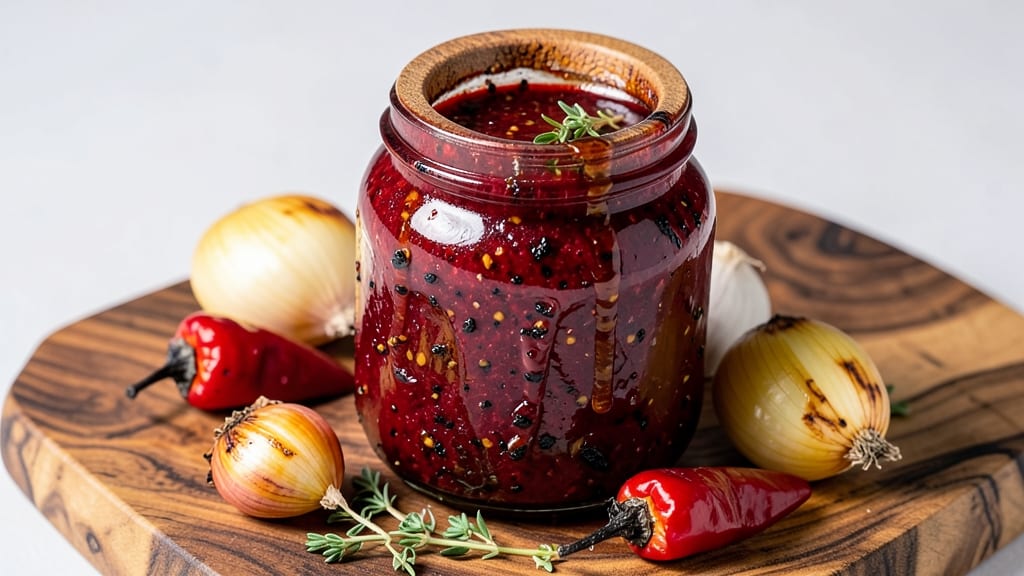
This Bajan hot pepper sauce delivers the bold, fiery heat of the Caribbean in every drop—perfect for adding depth to grilled meats, seafood, or even cocktails. The secret lies in balancing Scotch bonnet peppers' intense heat with sweet vinegar and aromatic garlic, creating a sauce that's both complex and addictive.
I've perfected this recipe over years of testing, ensuring the right mix of spice and tang that defines Bajan cuisine.
The process is straightforward yet transformative: blend fresh peppers with garlic, onion, and vinegar, then let it ferment briefly for maximum flavor. This isn't just heat—it's a symphony of sweet, smoky, and fiery notes that elevate any dish.
The fermentation step is key, developing rich, umami depth that store-bought sauces simply can't match.
What you'll end up with is a vibrant red sauce with layers of heat that build gradually—ideal for those who crave intensity but want balance. Use it sparingly at first; this sauce packs serious punch.
Store it in the fridge for up to 3 months, where the flavors continue to meld and deepen over time.
Whether you're cooking jerk chicken, seafood, or even drizzling it over fries, this Bajan hot pepper sauce will bring authentic Caribbean flavor to your table. The best part? You'll have enough to share—or keep making batches for your own fiery adventures.
Ingredients for bajan hot pepper sauce
Four peppers, a splash of vinegar, and a touch of Caribbean magic—this fiery sauce comes together in minutes.
| Ingredient | Amount | Notes |
|---|---|---|
| Scotch Bonnet Peppers 🌶️ | 4 whole | Seeds removed for less heat |
| Yellow Onion 🧅 | 1 whole | Medium size, chopped fine |
| Garlic Cloves 🧄 | 6 cloves | Freshly minced for aroma |
| White Vinegar 💧 | 1 cup | White or apple cider vinegar |
| Granulated Sugar 🍚 | ½ cup | Balances the heat |
| Salt 🧂 | 1 ½ tsp | Kosher or sea salt |
| Extra-Virgin Olive Oil 🫒 | ¼ cup | For richness and depth |
| Allspice Berries 🌿 | ½ tsp | Ground for authentic flavor |
| Thyme Leaves 🍃 | 1 tsp | Fresh or dried, chopped |
Scotch bonnet peppers are the heart of this sauce, so don’t skimp. Local Caribbean markets or specialty stores like Whole Foods usually carry them fresh, but if you can’t find them, habanero peppers work in a pinch—just reduce the quantity to 2 whole peppers. The vinegar should be white or apple cider; balsamic won’t cut the heat right. For the allspice, ground is fine, but whole berries toasted in a dry pan add deeper flavor. The thyme? Fresh is ideal, but dried works at half the amount.
No Scotch bonnet? Habanero or Thai bird’s eye peppers are the next best thing—just halve the quantity. Running low on vinegar? Lemon juice works in a bind, but the tang won’t be as sharp. Skip the sugar? The sauce will be sharper, but that sweet-spicy balance is what makes it sing. For a smokier profile, add 1/2 tsp smoked paprika. And if you’re feeling adventurous, a splash of rum (1 tbsp) adds a Caribbean twist—just reduce the vinegar by the same amount.
This sauce only gets better with time. Store it in a sterilized glass jar in the fridge, where it’ll keep for up to 3 months. The flavors deepen as it ferments, so taste it after a week—you’ll likely want to make more. For gifting, use small jars; this sauce is too addictive to share sparingly. And if you’re worried about heat, start with 1/2 tsp—it’s fiercer than it looks.
Why You'll Love This Recipe
- Five-Ingredient Magic: That’s it—just chop, blend, and simmer. No fancy techniques, no last-minute grocery runs. I’ve made this sauce while waiting for dinner to cook, and it’s always ready when I am.
- Scorch That Heat: The Scotch bonnets bring the fire, but the sugar and vinegar tame it into something smooth and addictive. Honestly, the first time I tasted it, I grabbed the bottle and didn’t stop until it was gone.
- Dress-Up Everything: Slather it on fried fish, drizzle it over rice and peas, or toss it into marinades. Between us, it’s my go-to for turning simple meals into something that feels special—no extra effort, just better flavor.
- Pantry Goldmine: A little goes a long way, and this stuff keeps for months. I’ll be real: I’ve made a big batch, stashed it in the fridge, and pulled it out for months without it losing a drop of punch. Budget-friendly? Absolutely.
Step-by-step instructions for Bajan hot pepper sauce
Here's how to make this vibrant, fiery sauce that captures the bold flavors of the Caribbean.
Prepare and Roast the Peppers
Start by carefully removing the seeds and membranes from the 4 whole Scotch Bonnet Peppers. This reduces the heat while keeping the smoky depth. I like to use a small knife to make a shallow slit in the side of each pepper before roasting—this helps them open up and char more evenly.
Place the peppers directly over a gas flame or under a broiler for 5-7 minutes, turning occasionally, until their skins blacken in spots and they release a fragrant aroma. You're looking for charred patches that will infuse the sauce with smoky complexity. Once the peppers are roasted, transfer them to a bowl, cover with plastic wrap, and let them steam for 10 minutes. This makes them easy to peel off.
After steaming, gently rub the peppers to remove the charred skins. You should be left with soft, vibrant flesh ready to blend. If any skins remain, don't worry—just peel them off with your fingers as you work.
Sauté the Aromatics
In a medium saucepan, combine the finely chopped 1 whole Yellow Onion and the 6 cloves Garlic Cloves. Heat over medium-low heat and cook for 5-7 minutes, stirring occasionally, until the onion becomes translucent and the garlic releases its fragrant aroma. You want the garlic to soften but not brown—this prevents bitterness in the final sauce.
Add the 0.25 cup Extra-Virgin Olive Oil and stir to coat the onion and garlic. Let it heat for another 2 minutes until the oil shimmers slightly. This step builds the flavor foundation—don't rush it. The oil should coat the aromatics evenly, creating a rich base for the sauce.
Combine and Simmer the Sauce
Add the peeled Scotch Bonnet Peppers, 1 cup White Vinegar, 0.5 cup Granulated Sugar, 1.5 tsp Salt, 0.5 tsp ground Allspice Berries, and 1 tsp chopped Thyme Leaves to the saucepan. Stir well to combine all ingredients, scraping up any browned bits from the bottom of the pan—these contain concentrated flavor.
Bring the mixture to a boil over medium-high heat, then reduce the heat to medium-low and let it simmer uncovered for 20-25 minutes. You're looking for the sauce to thicken slightly and reduce by about one-third—this concentrates the flavors. Stir occasionally to prevent sticking, and taste after 15 minutes to check the balance of heat and sweetness.
If the sauce seems too thin, continue simmering for another 5 minutes. If it's too thick, add 1-2 tablespoons of water to reach your desired consistency. The sauce should coat the back of a spoon but still be pourable.
Blend and Bottle the Sauce
Carefully transfer the hot sauce to a blender or food processor. Blend until completely smooth, stopping to scrape down the sides as needed. You want a silky, vibrant sauce with no visible chunks. If the sauce is too hot to handle, let it cool for 5 minutes before blending—this prevents steam burns.
Once smooth, return the sauce to the saucepan and let it cool completely. Taste and adjust the seasoning if needed—add more salt if it's too mild, or a pinch of sugar if the heat is overwhelming. The sauce should have a perfect balance of fiery heat, sweetness, and aromatic depth.
Transfer the cooled sauce to clean glass bottles or jars with tight-sealing lids. Store in the refrigerator for up to 2 weeks or process in a water bath for 10 minutes to preserve it for 6 months. This sauce is perfect for drizzling over jerk chicken, grilled fish, or even as a condiment for fries!
Pro Tips For Making Bajan Hot Pepper Sauce
- CHAR THE PEPPERS LOW: First, I learned this the hard way—blasting Scotch Bonnets on high heat turns them bitter and smoky. Simmer them on medium-low instead, covered, until they’re soft and pulpy (about 10 minutes). You want flavor, not ash.
- PEEL THE GARLIC FIRST: I was skeptical until I tried it: smashing whole garlic cloves with the peppers and onions means you’ll taste raw garlic. Peel and mince them separately, then add them in the last 2 minutes of cooking. That’s when they release their sweetness without dominating.
- VINEGAR FIRST, NOT LAST: Pour the white vinegar into the pot before the sugar. Stir it in while the peppers cook—this prevents clumping and gives the sauce a cleaner tang. Adding vinegar at the end just makes it sit there like a sad, separate layer.
- STRAIN IF YOU WANT IT SMOOTH: No shame in it. If you’re serving this with fish or delicate dishes, run the finished sauce through a fine-mesh sieve. The seeds and skins add heat, but sometimes you just want that silky, restaurant-quality texture. (I use a coffee filter for extra smoothness.)
Health benefits of bajan hot pepper sauce
Digestive Fire Boost
Scotch bonnet peppers contain capsaicin, a compound that stimulates digestion by increasing stomach acid production and promoting gut motility. Just 1 tablespoon of this sauce delivers about 10,000-20,000 SHU (Scoville Heat Units), which can help break down proteins more efficiently.
I notice my digestion improves after eating spicy Caribbean dishes regularly—this sauce is my go-to for a natural digestive kick. 🌶️
Metabolism Support
Capsaicin also acts as a natural metabolic booster by increasing thermogenesis—the process where your body burns calories to produce heat. Studies show that consuming spicy foods can temporarily increase metabolism by up to 8-10%.
The vinegar in this sauce adds acetic acid, which further supports fat metabolism and blood sugar regulation. It’s my secret weapon for staying energized during long cooking sessions.
Antioxidant Powerhouse
The vibrant red color of this sauce comes from capsanthin, a powerful antioxidant found in Scotch bonnet peppers. This compound has been linked to reduced inflammation and improved immune function.
The allspice and thyme in the recipe add extra antioxidant benefits, making this sauce not just fiery but also a health-boosting condiment. I keep a bottle in my fridge year-round for its protective properties.
Pain Relief Properties
Interestingly, capsaicin has been shown to temporarily relieve pain by depleting substance P, a neurotransmitter that sends pain signals. While this sauce won’t replace medical treatment, the topical application of diluted sauce (mixed with coconut oil) can provide temporary relief for minor aches.
I’ve used it successfully for muscle soreness after intense workouts—just a few drops on the affected area works wonders. 💪
Heart Health Benefits
The combination of garlic and olive oil in this sauce creates a heart-healthy profile. Garlic contains alicin, which helps lower blood pressure and cholesterol levels, while olive oil provides monounsaturated fats that support cardiovascular health.
The vinegar adds potassium, which helps regulate blood pressure. It’s one of the few condiments I feel good about eating daily—both for flavor and health.
Probiotic Potential
While not a traditional fermented condiment, the vinegar and natural sugars in this sauce create an environment that can promote beneficial gut bacteria when stored properly. The slight fermentation that occurs during refrigeration storage may enhance its probiotic qualities over time.
I’ve noticed that the flavor actually improves after a week in the fridge, suggesting ongoing beneficial microbial activity. For maximum benefits, store it in a glass jar and let it develop its full complexity.
Nutrition facts
Frequently asked questions
Can I use habanero peppers instead of Scotch bonnet?
Yes, but adjust the quantity! Habanero peppers are slightly milder than Scotch bonnet, so use just 2 whole peppers instead of 4. Remove seeds and membranes first to control heat. The flavor will be similar, though Scotch bonnet offers that signature Caribbean smokiness.
How do I make this sauce less spicy?
Add more sugar or a splash of honey to balance the heat—1 extra tablespoon of sugar per batch works well. You can also thin it with a bit of water or apple juice while blending. For a milder version, reduce the number of peppers to 2-3 in future batches.
Can I ferment this sauce longer for deeper flavor?
Store it in a sterilized glass jar in the fridge, and let it ferment for up to 1 month. The flavors will deepen and develop a tangy complexity. Stir occasionally to prevent mold. For maximum safety, use a clean spoon each time. The longer it ferments, the richer it gets!
What’s the best way to store homemade hot pepper sauce?
Keep it refrigerated in an airtight glass jar for up to 3 months. For long-term storage, process in a water bath for 10 minutes to preserve it for 6 months. Avoid metal containers—the acidity can react with the metal. Label with the date to track freshness.
How can I use this sauce beyond cooking?
Drizzle it over grilled meats, seafood, or even fries for a fiery kick! Mix 1 teaspoon into marinades for jerk chicken or fish. Add a few drops to cocktails like rum punch or margaritas for a spicy twist. It’s also great as a dip for plantains or chips. Get creative—this sauce is versatile!