
Sauces & Condiments
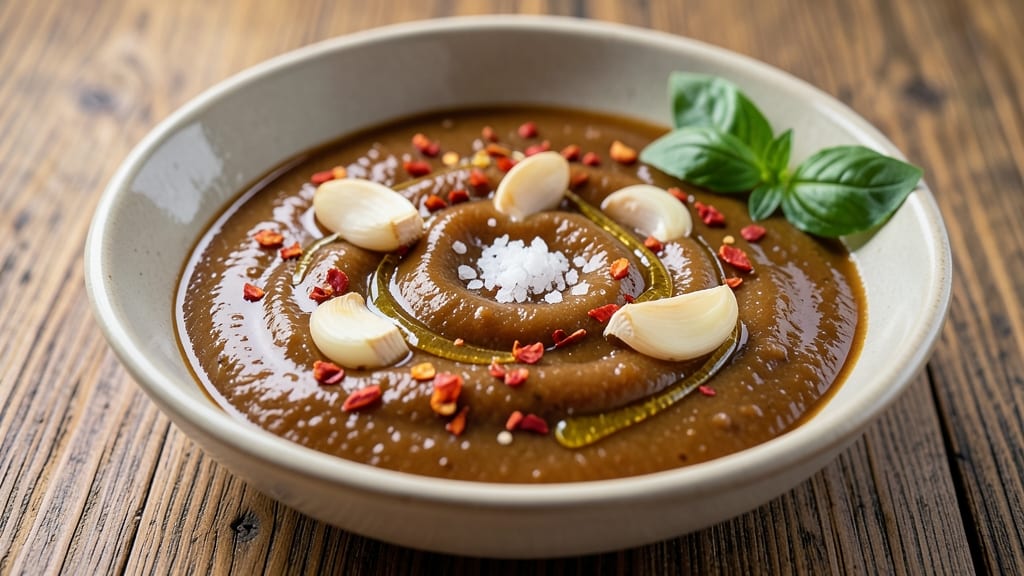
This bagoong sauce recipe unlocks the salty, funky, umami-packed essence of Filipino cuisine in just minutes. The secret lies in fermented shrimp paste—bagoong—which transforms simple ingredients into a condiment that elevates rice, grilled seafood, or even fried snacks.
Unlike store-bought versions, this homemade sauce delivers authentic depth with a balance of tangy vinegar, garlic heat, and silky oil.
Traditional bagoong sauce starts with fermented shrimp paste, but don’t worry if you can’t find it—mushroom-based alternatives work perfectly for a vegan version. The process is straightforward: blend the paste with garlic, chili flakes, and vinegar, then slowly incorporate oil for a smooth, spreadable texture.
No fermentation skills required; the magic happens in the blending.
What makes this sauce special is its versatility. Use it as a dip for kwek-kwek or tokneneng, a topping for sinigang, or a bold seasoning for grilled fish.
The fermented shrimp paste adds a funky, briny complexity that cuts through richness, while the vinegar keeps it bright and tangy. One batch lasts weeks in the fridge, making it a pantry staple.
For extra authenticity, let the sauce sit for 30 minutes before serving—this allows flavors to meld. Adjust the vinegar to taste, and don’t skip the garlic; it’s the backbone of the sauce’s bold character. Ready in 10 minutes, this recipe proves bold flavors don’t require complicated techniques.
Ingredients for bagoong sauce
Eight ingredients transform into a bold, umami-rich condiment that defines Filipino cuisine.
| Ingredient | Amount | Notes |
|---|---|---|
| Fermented Shrimp Paste (Bagoong) 🦐 | ½ cup | Traditional or mushroom-based vegan alternative |
| Canola Oil 🫒 | ½ cup | Light, neutral oil preferred |
| Garlic Cloves 🧄 | 6 cloves | Fresh, peeled, minced finely |
| Red Chili Flakes 🌶️ | 1 tbsp | Adjust for heat preference |
| Cane Vinegar 🍶 | ¼ cup | White or apple cider vinegar |
| Salt 🧂 | ½ tsp | Diamond Crystal preferred |
| Fresh Ginger 🌿 | 1 tbsp | Grated, optional for depth |
| Soy Sauce 🍶 | 1 tbsp | Light or dark, to taste |
The fermented shrimp paste is the soul of this sauce. Look for authentic bagoong at Asian markets—brands like Lamson's or Datu Puti deliver the true funk. For a vegan alternative, mushroom-based fermented pastes work beautifully, though they lack the briny depth. Freshness matters: if the paste smells overly pungent or has mold, skip it. Garlic should be fresh and firm, not sprouting or soft. The ginger, while optional, adds a subtle warmth that rounds out the sauce's complexity—grate it just before blending for maximum flavor.
No fermented shrimp paste? Miso paste or vegan fish sauce can mimic the umami, though results won’t be identical. Short on vinegar? Lemon juice at half the amount works in a pinch, but the tang will be sharper. Chili flakes can be swapped for fresh red chili, minced, but adjust to taste—Filipino palates love heat. The soy sauce is non-negotiable for that signature savory depth; low-sodium versions let you control the saltiness better. For extra authenticity, toast the garlic and ginger in oil for 30 seconds before blending—this builds flavor layers that raw ingredients miss.
Store the sauce in an airtight jar in the fridge, where it keeps for up to 2 weeks. The flavors meld beautifully over time, so let it sit 30 minutes before using—this is where the magic happens. For longer storage, freeze portions in ice cube trays; thaw and whisk back to smoothness. This sauce is a versatile pantry staple: drizzle over grilled seafood, mix into rice, or use as a dip for fried snacks. The oil layer on top is normal—just stir before each use. If the sauce separates, whisk vigorously to re-emulsify.
Why You'll Love This Recipe
- Five-Ingredient Magic: I swear by this—just fry the garlic in oil until it’s golden, toss in bagoong, and let those umami bombs bloom. No chopping, no fuss, and honestly? The hardest part is waiting for the pan to cool.
- Umami Bombshell: That bagoong—salty, funky, alive—hits differently when you toast it in oil first. The garlic turns sweet, the chili adds heat without overpowering, and the vinegar? It’s the secret punch that makes your taste buds sit up.
- Dip or Dress: Slather it on grilled fish, toss it with rice, or serve it cold in a bowl with cucumbers. I’ve used it for weeknight dinners, potlucks, and even as a wake-up call for sad leftovers. It’s the kind of sauce that never gets ignored.
- Budget Powerhouse: A little bagoong goes a long way—this recipe costs pennies but feels like a splurge. Plus, it keeps for weeks in the fridge, so you’re not scrambling for ideas. Between us, I’ve stretched one jar into three batches without breaking a sweat.
Step-by-step instructions for crafting authentic bagoong sauce
Master this umami-rich sauce with precise technique and bold Filipino flavors.
Bloom the Fermented Shrimp Paste
In a small saucepan, combine the 0.5 cup fermented shrimp paste (bagoong) with the 0.5 cup canola oil over low heat. Stir constantly for 5-7 minutes until the mixture becomes smooth and aromatic. The paste will transform from grainy to creamy, releasing its signature funky, savory aroma. This slow blooming ensures even distribution of flavor without burning the delicate shrimp notes.
Here's the thing—don't rush this step. The heat should be gentle enough that you barely see bubbles forming. If it starts to smoke or develop a harsh smell, reduce the heat immediately. The goal is to awaken the bagoong's complex flavors, not cook them out. You'll know it's ready when the mixture smells rich and slightly tangy, with no raw shrimp paste texture remaining.
Infuse with Aromatics
Add the 6 cloves minced garlic, 1 tbsp red chili flakes, and 1 tbsp grated fresh ginger to the saucepan. Stir continuously over medium-low heat for 3-4 minutes until the garlic turns golden and the mixture develops a deep red hue from the chili. The ginger will dissolve completely, adding subtle warmth to balance the sauce's intensity.
This is where the sauce builds its depth. The garlic should never burn—if it starts to darken too quickly, reduce the heat further. You're looking for fragrant, not bitter. The chili flakes will distribute evenly, creating a subtle heat that enhances rather than overwhelms. Stir frequently to prevent any ingredients from sticking to the bottom and potentially burning.
Balance with Acid and Salt
Pour in the 0.25 cup cane vinegar and 1 tbsp soy sauce, stirring well to combine. Add the 0.5 tsp salt and let the mixture simmer gently for 2 minutes. The vinegar will brighten the sauce, cutting through the richness while the soy sauce adds umami complexity. Taste and adjust seasoning—you may need an additional pinch of salt or a splash more vinegar to achieve perfect balance.
This is the moment that matters: the sauce should taste vibrant and layered, with the funk of bagoong shining through but not overpowering. The acidity should lift the dish rather than compete with it. If the sauce tastes too heavy, add another tablespoon of vinegar. If it needs more depth, a touch more soy sauce will help. Remember, Filipino sauces embrace bold flavors—don't be afraid to taste as you go.
Finish and Rest
Remove the saucepan from heat and let the sauce rest for 10 minutes. This resting period allows all the flavors to meld together completely. The sauce will thicken slightly as it cools, developing a velvety consistency perfect for drizzling or tossing. If you prefer a smoother texture, you can strain it through a fine-mesh sieve to remove any remaining garlic or ginger bits.
Here's where it gets fun—this versatile sauce can be used immediately or stored for up to 2 weeks in an airtight container in the refrigerator. The flavors actually deepen over time, so making a batch ahead for future dishes is ideal. When ready to use, give it a quick stir and adjust seasoning if needed. The sauce should coat the back of a spoon with a glossy sheen, ready to elevate any Filipino-inspired dish.
Pro Tips For Making Bagoong Sauce
- STIR CONSTANTLY AT FIRST: The first 30 seconds after adding bagoong to the oil are when it burns fastest—don’t walk away. I learned this the hard way when my first batch turned into a bitter, acrid mess. Keep the pan moving until the aroma shifts from sharp to nutty (about 1-2 minutes total).
- MINCE GARLIC FINE: Pre-minced garlic from a jar won’t cut it here. Use a knife to chop the cloves into a paste—this ensures even distribution and prevents clumps that burn before the sauce develops depth. (Yes, even if you’re impatient like me.)
- SKIP THE RAW VINEGAR: Adding cane vinegar straight to the pan will make the oil splatter like a volcano. Instead, mix it with a splash of water first, then drizzle it in slowly while stirring. The sauce will emulsify smoother and won’t curdle.
- USE LOW HEAT AFTER CHILIS: Once you add red chili flakes, drop the heat to medium-low. High heat turns them bitter and smoky too fast—you want them to bloom into a bright, fruity heat, not a charred aftertaste. (Your future self will notice the difference.)
Make-ahead tips for bagoong sauce
Batch Prep Basics
Make a double batch of bagoong sauce at once—it’s perfect for meal prep! Simply double all ingredients and use a 1.5-quart saucepan for even heating. I store my extra sauce in glass mason jars with tight lids to preserve freshness.
The sauce thickens slightly when refrigerated, so add 1-2 teaspoons of water when reheating to restore smoothness. 💡
Freezer-Friendly Tips
Portion sauce into ice cube trays for single-use servings—just pop out a cube and thaw in the microwave for 10-15 seconds. For larger batches, use freezer-safe silicone molds (like those for meatballs) to portion into 1-tablespoon servings.
Label with the date—sauce keeps its bold flavors for up to 3 months in the freezer. Thaw overnight in the fridge for best texture. ❄️
Flavor Development Trick
Let your sauce rest for 24 hours before using—this deepens the funk and balances the flavors. I keep a jar in my fridge and let it sit overnight after each batch.
The vinegar and soy sauce meld with the bagoong, creating a more complex, restaurant-quality taste. If you’re short on time, even 30 minutes of resting makes a noticeable difference. 💫
Versatile Uses Beyond Dipping
Use your prepped sauce as a marinade for grilled fish or shrimp—just mix with 1 tablespoon of oil and let sit for 15-20 minutes. It also works as a dressing for salads (toss with shredded cabbage and cucumbers) or a glaze for roasted vegetables.
The sauce’s bold flavor cuts through richness, so it’s perfect for balancing fried foods like kwek-kwek or lumpia. 🌶️
Reviving Stale Sauce
If your sauce loses its vibrancy after a week, revive it by adding 1 teaspoon of fresh garlic and ½ teaspoon of vinegar, then reheat gently for 2 minutes. The acidity and garlic will wake up the flavors.
For extra freshness, stir in ½ teaspoon of grated ginger—it brightens the sauce instantly. This trick works like magic for sauces that have sat too long. 🔥
Gift-Worthy Packaging
Package your homemade bagoong sauce in small glass jars with a parchment-lined lid to prevent sticking. Add a handwritten tag with serving suggestions like “Drizzle over grilled fish” or “Use as a dip for fried snacks.”
I’ve given these as gifts at potlucks, and they’re always a hit—people love supporting homemade condiments over store-bought. Store-bought versions can’t compete with the depth of homemade! 💛
Nutrition facts
Frequently asked questions
What makes this bagoong sauce different from store-bought versions?
Homemade bagoong sauce delivers authentic depth that store-bought can't match. The fermented shrimp paste (bagoong) is blended fresh, preserving its funky, umami-rich character. Store versions often use powdered substitutes that lack complexity. Plus, you control the heat level and acidity—no artificial additives!
Can I make this sauce without fermented shrimp paste?
Yes! For a vegan version, use mushroom-based fermented paste (like miso or shiitake paste) or 1 tbsp vegan fish sauce plus 1 tsp soy sauce. The texture will differ slightly, but the bold umami remains. Just reduce vinegar by 1 tsp—fermented pastes are naturally tangier.
How spicy should the sauce be?
The recipe uses 1 tbsp chili flakes for mild heat—adjust to taste! For extra kick, add ½ tsp cayenne pepper** or fresh chili. Filipino sauces embrace bold flavors, so don't shy away from heat. Remember, you can always dilute it with more oil or vinegar later.
Why does my sauce separate after refrigerating?
This is normal! The oil and fermented paste naturally separate when cold. Simply whisk vigorously before using, or blend briefly to re-emulsify. For a smoother texture, strain through a fine-mesh sieve. The flavor stays intact—it's just the consistency that changes.
What are the best dishes to pair with this sauce?
Use it as a dip for kwek-kwek or tokneneng, a topping for grilled seafood, or a seasoning for rice dishes. The bold flavors shine with fried snacks, salads, or even as a marinade for 15-20 minutes before cooking. It's the perfect umami boost for any Filipino-inspired meal!