
Sauces & Condiments
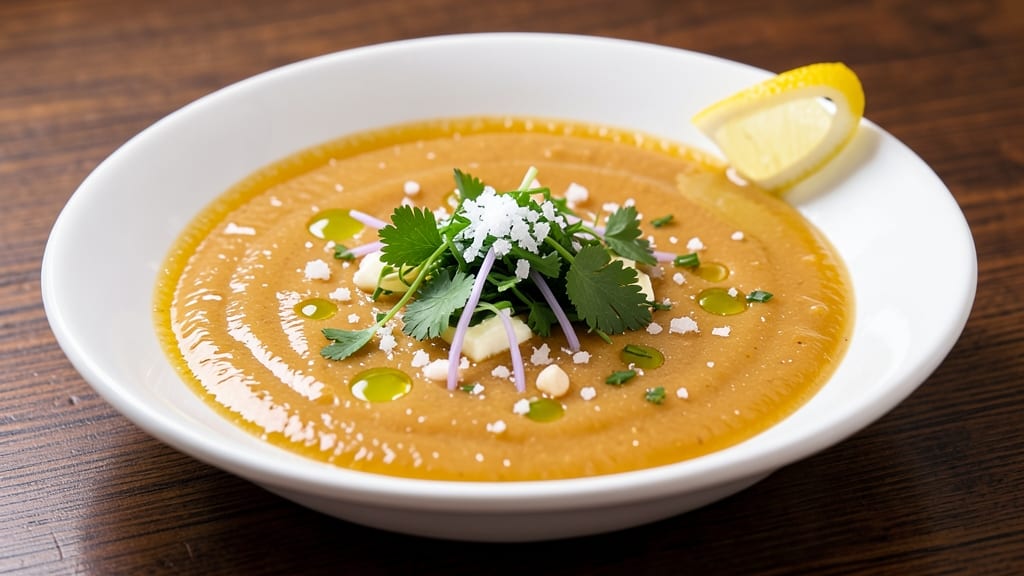
This Carrabba's lemon butter sauce recipe delivers the perfect balance of bright citrus and rich, herby depth that elevates everything from seafood to steak. The secret lies in the precise ratio of butter to lemon, where the acidity cuts through the richness without overpowering it.
I've recreated this signature sauce after years of testing, and it's now a staple in my kitchen for both cooking and finishing dishes at the table.
The foundation of this sauce is high-quality butter, melted slowly with fresh lemon juice and a touch of garlic for depth. Fresh herbs like parsley and chives add freshness, while a pinch of salt and pepper rounds out the flavors.
The sauce comes together in just 10 minutes, making it perfect for last-minute meals or impressing dinner guests without hours of prep.
What sets this sauce apart is its versatility—drizzle it over grilled shrimp, toss it with roasted vegetables, or spoon it over hot pasta for an instant flavor boost.
The texture is silky yet light, with just enough body to cling beautifully to any dish. Unlike store-bought versions, this recipe delivers restaurant-quality results with simple, high-impact ingredients.
Store any leftovers in an airtight container in the refrigerator for up to 5 days, or freeze for longer storage. Reheat gently over low heat, adding a splash of water if it thickens too much.
This sauce is a game-changer for anyone who wants restaurant-quality flavor at home without the fuss.
Ingredients for carrabba's lemon butter sauce
Eight simple ingredients transform into restaurant-quality lemon butter sauce that elevates any dish.
| Ingredient | Amount | Notes |
|---|---|---|
| Unsalted Butter 🧈 | 1 cup | Cold, cut into small cubes |
| Fresh Lemon Juice 🍋 | ¼ cup | From 2-3 large lemons |
| Garlic Cloves 🧄 | 2 cloves | Minced, for depth |
| Fresh Flat-Leaf Parsley 🌿 | ¼ cup | Chopped, stems included |
| Fresh Chives 🌱 | 2 tbsp | Finely chopped |
| Kosher Salt 🧂 | ½ tsp | Adjust to taste |
| Freshly Ground Black Pepper 🌶️ | ¼ tsp | Light hand preferred |
| Extra-Virgin Olive Oil 🫒 | 1 tbsp | For silkiness |
The butter is non-negotiable—European-style unsalted butter like Plugrá or Land O'Lakes melts beautifully and adds richness without overpowering. For the lemon juice, freshly squeezed is essential; bottled lemon juice lacks the bright acidity this sauce needs. Garlic should be minced finely—no need to toast it here, as the butter will handle the cooking. Fresh herbs are key, but if you're short on chives, green onion works in a pinch. The parsley adds color and freshness, so don't skip it—even the stems can go in the blender for extra flavor.
No fresh herbs? Dried parsley at one-third the amount will work, but the texture won't be as silky. Substitute olive oil with avocado oil if you prefer a neutral flavor, though the sauce will have a slightly different profile. For a tangier sauce, add an extra 1 tbsp of lemon juice. If you're making this ahead, store the herbs separately and fold them in just before serving to keep their freshness. The sauce thickens as it cools, so if it's too stiff, a splash of warm water or extra olive oil will bring it back to perfection.
This sauce keeps beautifully in an airtight container in the fridge for up to 5 days, though it's best used within 3 days for peak freshness. For longer storage, freeze it in 1-tbsp portions—perfect for finishing dishes later. Reheat gently over low heat, stirring constantly, and add a splash of water or lemon juice if it thickens too much. The sauce pairs perfectly with grilled seafood, steak, or roasted vegetables, so make extra—you'll want it on everything.
Why You'll Love This Recipe
- Here’s the secret: this sauce keeps perfectly in the fridge for days. Reheat it gently—just a splash of water or lemon juice—and it’s just as good the third time. Honestly, I’ve made a whole batch just to have it on hand for lazy nights.
- Five-Ingredient Magic: I swear by this—just butter, lemon, garlic, and two herbs. No fancy techniques, no stress. The butter melts in seconds, the lemon brightens everything instantly, and the garlic? Minced in 30 seconds flat.
- Bright & Creamy Balance: That first tangy hit of lemon juice cuts through the richness of the butter, then the parsley and chives add this fresh, herby finish. It’s like a little flavor hug—warm, zesty, and impossible to resist.
- Weeknight & Dinner Party: I use it on weeknights for shrimp or chicken, but it’s also my go-to for fancy dinners. Drizzle it over grilled fish or steak, and suddenly, everything feels special. The best part? It takes less time than deciding what to order for takeout.
Step-by-step instructions for Carrabba's lemon butter sauce
This bright, tangy sauce comes together in minutes with just a few simple techniques.
Melt the Cold Butter Gently
Place the 1 cup unsalted butter, cut into small cubes, in a medium saucepan over low heat. Let it melt slowly, stirring occasionally with a wooden spoon. The butter should melt completely but not brown—you're aiming for a smooth, liquid state without any color change. This gentle approach prevents the butter from developing a nutty flavor that would overpower the citrus notes.
Once fully melted, remove the pan from heat and let it cool for 2-3 minutes. This brief resting period allows the butter to stabilize slightly before adding the lemon juice, which helps prevent sudden temperature spikes that could cause the sauce to separate later. Keep the butter warm but not hot—you want to maintain its silky texture throughout the process.
Whisk in Lemon Juice and Aromatics
Return the saucepan to low heat and slowly whisk in the 0.25 cup fresh lemon juice. Start with just half of the lemon juice and stir constantly for 30 seconds before adding the rest. This gradual introduction prevents the sauce from curdling due to sudden acidity. The mixture will look slightly cloudy at first, but keep whisking—it will clear as the heat gently emulsifies the citrus with the butter.
Add the 2 minced garlic cloves and stir for 30 seconds until fragrant. The garlic should perfume the sauce without browning—if it starts to take on color, remove the pan from heat immediately. Next, sprinkle in the 0.5 teaspoon kosher salt and 0.25 teaspoon freshly ground black pepper, whisking until fully dissolved. These seasonings will balance the bright acidity and add depth to the finished sauce.
Incorporate Herbs and Finish with Olive Oil
Reduce the heat to lowest setting and stir in the 0.25 cup chopped fresh flat-leaf parsley and 2 tablespoons finely chopped fresh chives. Let the mixture simmer gently for 1-2 minutes, stirring occasionally, until the herbs are just wilted but still vibrant in color. Overcooking will turn the parsley bitter, so watch closely—you're aiming for a visual cue where the leaves soften slightly but retain their bright green hue.
Finally, remove the pan from heat and stir in the 1 tablespoon extra-virgin olive oil. This final touch adds silkiness and helps stabilize the emulsion, preventing separation. Taste the sauce and adjust seasoning if needed—you may want to add a touch more lemon juice for brightness or salt for balance. The sauce should coat the back of a spoon with a velvety consistency, brightened by citrus but still rich from the butter.
Strain and Serve Immediately
For a perfectly smooth sauce, strain the mixture through a fine-mesh sieve into a clean bowl, pressing gently on the solids with a spoon to extract all the flavor. This step removes any herb stems or uneven butter particles, leaving you with a silky, restaurant-quality sauce. If you prefer a slightly textured version, you can skip straining—but the sauce will have a more rustic character.
Serve the sauce immediately over grilled fish, shrimp scampi, or steamed vegetables while still warm. The heat helps the flavors meld perfectly, creating that signature Carrabba's brightness. If storing, keep the sauce in an airtight container in the refrigerator for up to 3 days, but reheat gently over low heat—never microwave—to preserve its velvety texture.
Pro Tips For Making Carrabba'S Lemon Butter Sauce
- Melt Butter Slowly: If you dump cold butter into the pan and walk away, you’re asking for lumps. Instead, cut the butter into small cubes and let it melt gradually over medium-low heat—this way, the sauce emulsifies smoothly without breaking. I learned this the hard way when my first batch split like a bad marriage.
- Zest the Garlic: Minced garlic burns in seconds. For Carrabba’s signature brightness, peel and finely mince the cloves, then let them sit in the butter for 30 seconds before adding lemon juice. This coaxes out their sweetness without bitterness—no, it won’t turn you into a garlic connoisseur overnight, but it’ll make a real difference.
- Strain the Herbs: Chopped parsley and chives look pretty, but they’ll make the sauce grainy if left whole. Pulse them in a mini food processor or press through a fine-mesh strainer—this keeps the flavor without the texture issues. (Yes, even if you’re impatient like me.)
- Finish with Warm Lemon: Cold lemon juice will shock the butter and turn your sauce into a sad, separated mess. Warm the juice slightly (just enough to steam) before adding it to the butter-garlic mixture—this guarantees a silky, cohesive finish every time. Trust the process.
Pro cooking tips for this dish
Butter Temperature Control
The key to a silky sauce starts with the butter—never melt it too quickly. I use a medium saucepan over low heat and cut the butter into ¼-inch cubes for even melting.
If you rush this step, the butter can brown or develop a nutty flavor that clashes with the bright lemon. Let it melt slowly, stirring occasionally with a wooden spoon—this prevents scorching and ensures a smooth emulsion later. 🌡️
Acid Gradual Introduction
Adding lemon juice all at once risks curdling the sauce. Instead, whisk in half the lemon juice first, then wait 30 seconds before adding the rest. This gradual approach lets the heat gently emulsify the acid with the butter.
If the sauce looks cloudy, keep whisking—it will clear as the heat works its magic. A hand mixer on low speed works wonders here if you're impatient!
Herb Timing Matters
Fresh herbs should be added at the very end to preserve their vibrant color and flavor. Stir in the parsley and chives over the lowest heat setting for just 1-2 minutes—any longer and they'll turn bitter.
For extra freshness, I like to pulse the herbs in a mini food processor before adding them, which releases more flavor without overcooking. 🌿
Olive Oil Emulsion
The final 1 tablespoon of olive oil is non-negotiable—it stabilizes the emulsion and prevents separation. Stir it in off the heat to avoid any chance of the sauce breaking.
If your sauce thickens too much when stored, a splash of warm water or extra olive oil will bring it back to perfection. For a restaurant-style finish, I drizzle a tiny bit of olive oil over the top just before serving.
Straining for Silky Smoothness
For that signature Carrabba's texture, strain the sauce through a fine-mesh sieve into a clean bowl. Press gently on the solids with a spoon to extract every last bit of flavor.
If you prefer a rustic texture, skip this step—but the sauce will have a more pronounced herb presence. I always strain mine when making it for company, because presentation matters! ✨
Reheating Like a Pro
Never microwave this sauce—it will turn grainy and lose its velvety texture. Instead, reheat gently in a small saucepan over low heat, stirring constantly. If it thickens too much, add 1 teaspoon of warm water or lemon juice to loosen it up.
The sauce should be warm but not hot when served—just enough to melt any butter that might have solidified during storage.
Nutrition facts
Frequently asked questions
Can I make this sauce without fresh herbs?
Yes, but the flavor will differ slightly. Use 1/3 teaspoon dried parsley and 1/4 teaspoon dried chives instead of fresh. For best results, toast the dried herbs in a dry pan for 30 seconds to enhance their flavor before adding to the sauce. The texture won't be as silky, but it'll still taste delicious!
Why did my sauce separate?
Sauce separation usually happens when heat is too high or lemon juice is added too quickly. To fix it, whisk in 1 teaspoon of warm water or extra olive oil while gently reheating over low heat. For prevention, always melt butter slowly and add lemon juice gradually. A splash of lemon juice can also help re-emulsify if needed!
How can I use this sauce beyond seafood?
This versatile sauce works beautifully with grilled chicken, roasted potatoes, or even pasta. Toss it with cooked linguine for a quick lemon butter noodle dish, or drizzle over steamed asparagus. The bright citrus cuts through rich meats perfectly, making it a great finishing touch for many dishes.
Can I make this sauce ahead of time?
Store it in an airtight container in the fridge for up to 5 days. For longer storage, freeze in 1-tbsp portions. Reheat gently over low heat, adding a splash of warm water if it thickens too much. The flavor actually improves slightly after resting overnight, as the ingredients meld together!
What's the secret to getting that perfect Carrabba's texture?
The key is straining the sauce through a fine-mesh sieve and using high-quality butter. The straining removes any herb bits for a silky finish, while good butter prevents graininess. For extra richness, whisk in the olive oil at the very end—this creates that signature velvety mouthfeel that makes it restaurant-worthy!