
Main Courses
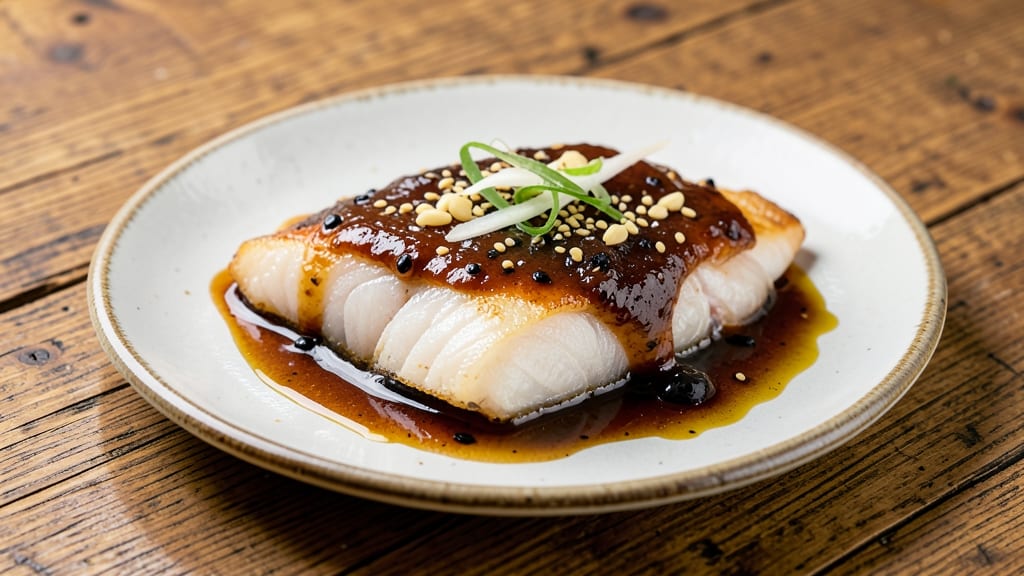
Mastering steamed fish fillet with black bean sauce transforms simple weeknight dinners into restaurant-worthy meals. The delicate balance of silky sauce clinging to tender fish creates a dish that feels luxurious yet remains approachable for home cooks.
I developed this recipe after years of refining the steaming technique to preserve moisture while achieving perfect doneness—no overcooked edges or dry centers here.
The secret lies in two key components: a precise steaming method that maintains the fish's natural texture and a black bean sauce that's rich yet light enough to complement rather than overpower.
You'll use fresh black beans, garlic, and ginger to build layers of umami, with a touch of soy sauce and sesame oil for depth. The sauce should coat the fish effortlessly, its smooth consistency clinging to every flake without weighing it down.
What you'll achieve is a dish where flaky, moist fish meets a velvety sauce that enhances rather than masks its natural flavor. The steaming process takes just 10-12 minutes, ensuring the fish remains tender while developing a subtle sheen.
Served over steamed jasmine rice with quick-pickled vegetables, this becomes a complete meal that's both elegant and satisfying.
Perfect for special occasions or casual family dinners, this recipe delivers professional-quality results with minimal effort. The technique scales easily—whether you're cooking for two or feeding a crowd. Let's create a dish that feels like a celebration every time you serve it.
Ingredients for steamed fish fillet with black bean sauce
Fresh fish, silky black bean sauce, and aromatic jasmine rice create an elegant dish that feels restaurant-worthy.
| Ingredient | Amount | Notes |
|---|---|---|
| White Fish Fillets 🐟 | 1 ½ lb | Cod, halibut, or snapper preferred |
| Dried Black Beans 🌱 | 1 cup | Soaked overnight, drained |
| Garlic Cloves 🧄 | 6 cloves | Freshly minced for sauce |
| Fresh Ginger 🌿 | 2 tbsp | Finely grated, peeled |
| Light Soy Sauce 🥄 | ¼ cup | Kikkoman preferred |
| Sesame Oil 🫒 | 1 tbsp | Toasted for aroma |
| Green Onions 🧅 | 4 whole | Thinly sliced, white and green parts |
| Jasmine Rice 🍚 | 1 ½ cups | Uncooked, long-grain |
| Water 💧 | 3 cups | For rice and steaming |
| Vegetable Oil 🫒 | 1 tbsp | High smoke point |
| Cornstarch 🌾 | 1 tbsp | For sauce thickening |
| Salt 🧂 | 1 tsp | Sea salt, to taste |
| White Pepper 🌶️ | ¼ tsp | Freshly ground preferred |
| Lemon Juice 🍋 | 1 tbsp | Freshly squeezed |
The fish is the foundation—look for firm, translucent fillets with no fishy odor. Whole Foods or local seafood markets carry the best quality, but any reputable grocery store's frozen section works in a pinch (thaw overnight in the fridge). For this recipe, cod or halibut are ideal—they stay moist during steaming. If using frozen, pat dry thoroughly before cooking to ensure proper sauce adhesion. The black beans should be plump and firm when soaked; discard any discolored ones. Soaking reduces cooking time and improves texture—never skip this step.
No fresh ginger? Powdered ginger at half the amount works, but the flavor won't be as vibrant. Short on sesame oil? Toasted sesame seeds can replace it, though the aroma will differ slightly. The cornstarch is crucial for that silky sauce texture—arrowroot powder works too if you're out. For the soy sauce, low-sodium versions require an extra pinch of salt. The green onions add freshness; if you only have white parts, substitute with 1 tbsp chopped chives. All ingredients should be measured precisely—this sauce is delicate, and balance is key.
Prep the fish last—it cooks in minutes. Store any leftover sauce in an airtight container for 3-4 days in the fridge; it reheats beautifully. The rice keeps for 2 days in the fridge or 3 months frozen. For meal prep, portion the sauce separately and steam the fish fresh to maintain texture. The lemon juice should be added just before serving to prevent curdling. This dish reheats well, but the fish is best enjoyed immediately after steaming for peak tenderness.
Why You'll Love This Recipe
- Steam It Fast: I’m talking 15 minutes from start to finish—no frying, no deep pans, just a steamer basket and a stovetop. The fish stays tender, the black beans soften perfectly without mush, and the ginger-garlic aroma fills the kitchen before the timer even goes off.
- Umami Bomb: That black bean sauce? It’s where the magic happens—deep, savory, and just a touch sweet from the soy. The ginger and garlic sizzle in the pan first, so every bite of flaky fish gets a punch of warmth. Honestly, I’ll take this over store-bought teriyaki any day.
- Lunchbox Hero: Between us, this is my go-to for packed lunches. The sauce clings to the fish so it doesn’t dry out, and the beans add heartiness. I portion it into containers with rice the night before, and by noon, I’m the office’s favorite person. (Yes, even on a Tuesday night.)
- Pantry Stretch: Dried black beans? Check. A few cloves of garlic? Check. The rest of the ingredients are probably already lurking in your fridge. I’ve made this on a budget, and it still feels like a restaurant dish. Plus, leftovers reheat beautifully—just a splash of water in the microwave, and it’s like it was just steamed.
Step-by-step instructions for steamed fish fillet with black bean sauce
Here's the method that delivers tender fish and a velvety sauce clinging to every bite.
Prepare the Black Bean Sauce Foundation
In a small saucepan, combine the 1 cup dried black beans with the 3 cups water. Bring to a boil over medium-high heat, then reduce to a simmer and cook for 45-60 minutes until the beans are completely tender and the liquid reduces to a thick paste. You'll know it's ready when the mixture resembles a coarse purée with minimal liquid remaining.
While the beans cook, finely mince the 6 cloves garlic cloves and grate the 2 tablespoons fresh ginger using a microplane. Set these aside—they'll add depth to the sauce. Real talk: Don't skip the grating for ginger; it releases more flavor than pre-minced versions. Once the beans are done, transfer them to a food processor along with the garlic and ginger. Pulse until smooth, scraping down the sides as needed to ensure even blending.
Build the Sauce with Aromatics and Seasonings
Return the blended bean mixture to the saucepan and add the ¼ cup light soy sauce, 1 tablespoon sesame oil, 1 teaspoon salt, and ¼ teaspoon white pepper. Stir well to combine, then bring to a gentle simmer over medium-low heat. Let it cook for 8-10 minutes until the sauce thickens slightly and coats the back of a spoon. This is where the sauce transforms from basic to extraordinary.
In a separate small bowl, whisk together the 1 tablespoon cornstarch with 2 tablespoons of the sauce's liquid (or water if needed) to create a slurry. Slowly drizzle this back into the simmering sauce while stirring constantly. The sauce will thicken dramatically—this is your signal to remove it from heat immediately. If it's too thick, add a splash of water to reach a smooth, spoonable consistency. The sauce should coat the back of a spoon but still be pourable, not glue-like.
Steam the Fish to Perfect Tenderness
While the sauce simmers, prepare the fish by patting the 1.5 lb white fish fillets dry with paper towels. Season both sides generously with the remaining sauce mixture (about 2 tablespoons), pressing it into the flesh so it adheres. This step ensures the fish absorbs flavor and stays moist during steaming. Place the fillets in a heatproof dish that fits snugly in your steamer basket.
Set up your steamer by filling a pot with about 1 inch of water and bringing it to a boil over high heat. Once boiling, place the steamer basket inside and add the fish. Cover and steam for 8-10 minutes—the fish is done when it flakes easily with a fork and reaches an internal temperature of 145°F. Overcooking is the enemy here; you want the fish to stay tender and delicate. If your fish is thicker than 1 inch, add an extra 2 minutes of steaming time.
Finish with Fresh Aromatics and Serve
While the fish steams, thinly slice the 4 whole green onions, separating the white and green parts. Reserve the white parts for garnish and set the green parts aside for finishing the sauce. Once the fish is cooked, carefully transfer it to a serving platter. Drizzle the remaining black bean sauce evenly over the top, letting it cascade down the sides for visual appeal.
Return the saucepan with the black bean sauce to low heat and stir in the reserved green onion parts. Cook for an additional 1-2 minutes just to infuse the sauce with fresh aroma. Finish with a splash of 1 tablespoon lemon juice, which brightens the flavors and cuts through the richness of the sauce. The lemon juice should be freshly squeezed—bottled versions lack the necessary acidity and freshness.
Plate and Present with Jasmine Rice
Cook the 1.5 cups jasmine rice according to package instructions using the remaining 3 cups water. Fluff the rice with a fork and divide it evenly among 4 serving plates. Place one fish fillet on each portion of rice, ensuring the sauce is evenly distributed. Garnish each plate with the reserved white parts of the green onions for color contrast and a final touch of elegance.
Here's the thing—presentation matters. The sauce should look glossy and inviting, clinging to the fish and rice without being overly thick. Serve immediately while the fish is still warm and the sauce is silky. The combination of tender fish, aromatic black bean sauce, and fragrant jasmine rice creates a harmonious balance of textures and flavors that will impress even the most discerning diners.
Pro Tips For Making Steamed Fish Fillet With Black Bean Sauce
- Soak Beans Overnight: I learned this the hard way—rushing the black beans leaves them tough and chewy. Soak them in warm water for at least 8 hours (or overnight) before cooking, then rinse and simmer until tender. No one wants mushy texture fighting with your fish.
- Score the Fish Skin: Skip this and your fillet will curl into a sad little boat. Use a sharp knife to make shallow cuts (about ¼-inch apart) across the skin before steaming. The sauce clings better, and the fish stays flat—no flipping drama.
- High Heat, Fast Steam: Your steamer basket isn’t a slow-cooker accessory. Bring water to a rolling boil first, then add the fish and sauce. Cover immediately and steam for exactly 8–10 minutes—any longer and the fish turns to rubber. (Yes, even if you’re impatient like me.)
- Toast the Garlic: Raw garlic in black bean sauce tastes like medicine. Sauté the minced garlic in a dry pan until it’s golden and fragrant (about 30 seconds)—just before adding the soy sauce. The flavor jumps from "background" to "star of the show."
Troubleshooting this recipe
Fish Too Dry?
If your steamed fish fillet turns out dry, the issue is almost always overcooking or improper prep. First, check your fish's thickness—1-inch fillets should steam for 8-10 minutes max at 145°F internal temp. For thicker cuts, add 2 minutes per extra ½ inch.
Always pat fillets bone-dry before steaming to prevent moisture from steaming out prematurely. I swear by using paper towels pressed firmly on both sides before seasoning—this makes all the difference. 🌡️
Sauce Too Thin?
The black bean sauce should coat the back of a spoon but remain pourable. If it's too thin after thickening with cornstarch, don't panic—simmer uncovered for 1-2 extra minutes to evaporate excess moisture. For future batches, whisk the cornstarch slurry into cold sauce (not hot) to prevent clumping.
I've found that arrowroot powder works even better than cornstarch for this delicate sauce—it creates a silkier texture without graininess. 💡
Sauce Too Thick?
If your sauce is glue-like, immediately remove it from heat and thin it with 1 teaspoon water at a time, stirring constantly. Never add liquid while simmering—this causes the sauce to split. For prevention, reduce the cornstarch by ½ teaspoon next time.
The sauce should drape elegantly over the fish, not pool in clumps. Pro tip: Use a small saucepan (8-inch diameter) for cooking—it concentrates the heat and thickens the sauce more predictably. 🥄
Fish Not Flaking?
Undercooked fish that doesn't flake easily usually means it wasn't steamed long enough. Insert an instant-read thermometer into the thickest part—it should read 145°F. If it's lower, return to steaming for 1-2 minutes more.
For extra tenderness, I recommend marinating the fish for 15-20 minutes in 1 tablespoon soy sauce + 1 teaspoon sesame oil before steaming. This pre-seasoning ensures even cooking and better sauce adhesion. 🐟
Sauce Not Sticking?
The sauce should cling to every flake like a second skin. If it's sliding off, your fish might be overcooked (dry surface repels sauce) or the sauce isn't thick enough. For adhesion, brush the fillets with 1 teaspoon cornstarch slurry before steaming.
Also ensure your sauce has proper viscosity—it should be smooth but not runny. A quick fix: Add ½ teaspoon xanthan gum to the sauce for extra cling. Trust me, this game-changer makes all the difference. ✨
Black Beans Too Hard?
Undercooked beans ruin the sauce's texture. Always soak beans overnight (at least 8 hours) to reduce cooking time. If using canned beans, drain and rinse thoroughly, then simmer for 5 minutes to soften. For dried beans, cook until completely tender—they should mash easily between your fingers.
Never skip the food processor step; blending creates the silky base for the sauce. I use a high-speed blender for maximum smoothness. 🌱
Nutrition facts
Frequently asked questions
Can I use frozen fish for this recipe?
Yes, but thaw it properly first! Place frozen fillets in a sealed bag and refrigerate overnight (24 hours for 1.5 lb). For faster thawing, use cold water in a bowl—never hot water or the microwave. Pat completely dry before seasoning to ensure the sauce clings perfectly.
What fish works best with this black bean sauce?
Light, firm white fish like cod, halibut, or snapper are ideal—they stay moist during steaming. Avoid delicate fish like flounder, which can fall apart. For extra flavor, try orange roughy or sea bass. The sauce's richness complements medium-firm textures best.
How do I make the sauce ahead of time?
Prepare the sauce up to 2 days in advance and store it in an airtight container in the fridge. Reheat gently on low heat, adding 1-2 teaspoons water to restore smoothness. For best texture, steam the fish fresh and drizzle with reheated sauce. The sauce reheats beautifully but loses slight freshness.
Can I substitute black beans for another type?
Dried black beans create the ideal silky texture, but you can use canned black soybeans in a pinch. For a different flavor, try adzuki beans (sweeter) or kidney beans (earthier). Soak canned beans for 30 minutes to reduce excess moisture. The sauce will have a slightly different profile but still work well.
Why does my sauce separate when reheating?
This happens when the starch doesn't fully activate. For reheating, whisk the sauce vigorously over low heat and add 1 teaspoon cornstarch slurry to restore thickness. To prevent separation, always cool the sauce completely before refrigerating. The sauce should be at room temperature when stored.