
Sauces & Condiments
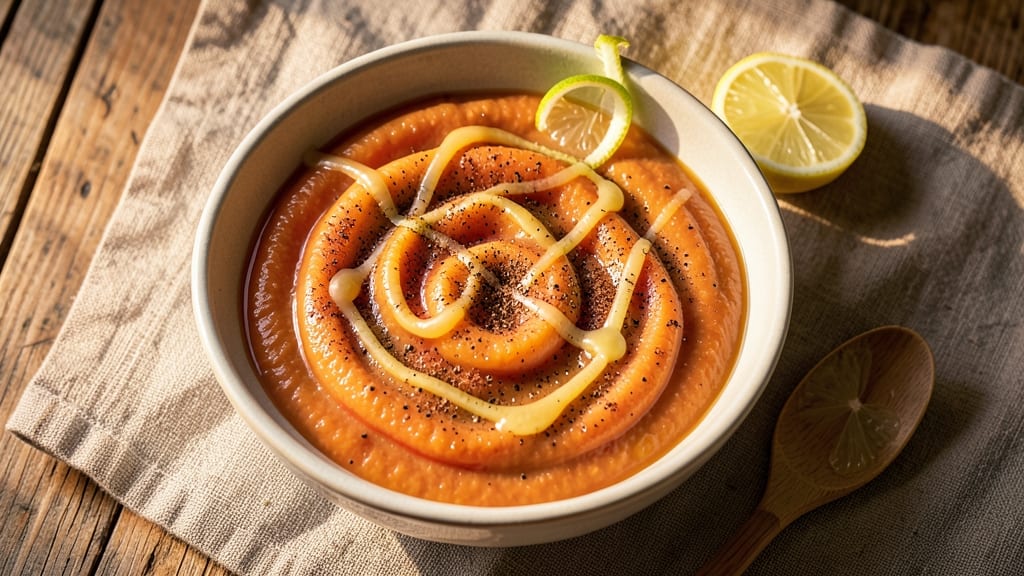
This applesauce and lemon juice recipe transforms ordinary applesauce into a vibrant, tangy condiment that brightens everything from roasted pork to pancakes. The secret lies in balancing sweet apples with sharp lemon juice, creating a sauce that's fresh yet rich—perfect for adding zing to both savory and sweet dishes.
I developed this version after craving something beyond the canned kind, and the difference is night and day.
What makes this recipe special is its versatility. You can use it as a tangy glaze for roasted meats, a bright topping for yogurt or oatmeal, or even as a spread for toast.
The process is simple: simmer peeled apples with lemon juice, a touch of sugar, and optional spices like cinnamon or ginger until the apples break down into a smooth, flavorful sauce. It takes just 30 minutes and yields about 4 cups—enough to elevate multiple meals.
The result is a sauce that's naturally sweetened but brightened by the lemon's acidity, creating a perfect balance. The texture is smooth and velvety, with just enough body to cling to food without overwhelming it.
This isn't your grandmother's applesauce—it's a modern, zesty twist that turns ordinary dishes into something special.
Store it in the refrigerator for up to 5 days or freeze for longer shelf life. Whether you're drizzling it over grilled chicken, mixing it into dressings, or using it as a topping for desserts, this applesauce will become a staple in your kitchen. Let's get started!
Ingredients for applesauce recipe lemon juice
Six simple ingredients transform into a zesty sauce that brightens everything from roasted pork to pancakes.
| Ingredient | Amount | Notes |
|---|---|---|
| Apples (Honeycrisp or Fuji) 🍎 | 4 medium | Peeled and cored |
| Fresh Lemon Juice 🍋 | ½ cup | From 2-3 lemons |
| Granulated Sugar 🍚 | ¼ cup | Adjust to taste |
| Cinnamon 🌿 | 1 tsp | Ground, optional |
| Ground Ginger 🌶️ | ½ tsp | Optional for warmth |
| Water 💧 | ½ cup | For simmering |
| Extra-Virgin Olive Oil 🫒 | 1 tbsp | For richness (optional) |
The apples make or break this—Honeycrisp or Fuji are the sweetest and hold up best during cooking (no mushy results). I always grab mine from Whole Foods or the produce section at Trader Joe's—they keep well for a week in the fridge. For lemon juice, fresh is non-negotiable (bottled lacks that bright punch). If you're using organic apples, no need to peel them—just scrub well. The sugar is just a touch to balance the tartness, but you can skip it entirely if your apples are naturally sweet.
No cinnamon? Nutmeg or cardamom works in a pinch (start with half the amount). Short on lemons? Lime juice at half the quantity gives similar zing. The olive oil is optional but adds a silky texture—substitute with applesauce from the can if you're avoiding fat. For extra tang, add 1 tsp of apple cider vinegar at the end. The water helps with simmering, but if you're making a thicker sauce, reduce it to 2 tbsp.
This sauce keeps beautifully in the fridge for 5 days—just store it in an airtight jar. For longer storage, freeze in ice cube trays for perfect single-portion servings. It reheats wonderfully—microwave for 30 seconds or warm gently on the stove. I always make extra because it disappears fast—drizzled over grilled chicken, stirred into yogurt, or even mixed into dressings.
Why You'll Love This Recipe
- Brightens Up Apples: That splash of fresh lemon juice? It cuts through the sweetness like a summer breeze—no artificial tang here, just zesty applesauce that tastes like a morning in a sunlit orchard. Honestly, I’d argue it’s the secret weapon in this recipe, turning ordinary applesauce into something that feels special.
- No Blender Needed: Peel, core, chop, and simmer. That’s it. No food processor, no straining through a sieve (unless you want to, but honestly, the texture’s perfect as-is). I’ll be real: my blender’s seen better days, and this recipe doesn’t even miss it.
- Weeknight & Holiday Star: Slather it on toast for a quick breakfast, drizzle it over yogurt, or serve it warm with vanilla ice cream—it’s that versatile. And between us, it’s the only applesauce I make for Thanksgiving leftovers because it actually tastes better the next day.
- Pantry Staple Magic: You’re already using apples, sugar, and spices you’ve got lying around. The lemon juice? A few bucks at the store, and suddenly you’ve got something that feels gourmet without breaking the bank. Plus, it keeps for weeks in the fridge, so you’re not scrambling when cravings hit.
Step-by-step instructions for applesauce with lemon zing
Here's how to make bright, flavorful applesauce that's perfect for topping yogurt or pairing with pork.
Peel, Core, and Chop the Apples
Start by peeling the 4 medium Apples (Honeycrisp or Fuji) using a vegetable peeler or sharp knife. I like to work over a bowl to catch the peels for composting later. Once peeled, cut each apple in half through the core, then remove the core using a small knife or apple corer. For even cooking, chop the apple halves into ½-inch thick slices—this size gives you a good balance between quick cooking and texture.
If you're using a food processor, skip chopping and just add the peeled, cored apples whole. The blades will handle the work for you. Just be sure to remove the core completely—those tough bits don't soften like the rest of the apple and can make the sauce grainy.
Simmer Apples with Water and Sugar
In a medium saucepan, combine the chopped apples with the 0.5 cup Water and 0.25 cup Granulated Sugar. Bring the mixture to a boil over medium-high heat, then reduce the heat to medium-low and let it simmer uncovered. Stir occasionally to prevent sticking—this is especially important in the first 5 minutes while the apples release their juices.
Simmer for about 15-20 minutes until the apples are tender when pierced with a fork. You'll know they're ready when the mixture looks thick and the apples break apart easily. If the sauce starts to stick or dry out, add a splash of water—just enough to keep it moist but not watery.
Add Lemon Juice and Spices
Once the apples are tender, stir in the 0.5 cup Fresh Lemon Juice, 1 tsp Cinnamon, and 0.5 tsp Ground Ginger. The lemon juice will brighten the flavors and balance the sweetness, while the spices add warmth. Taste the mixture and adjust the sugar if needed—some apples are naturally sweeter than others, and you want a balance between sweet and tangy.
If you're using the 1 tbsp Extra-Virgin Olive Oil, add it now. It adds a silky texture and richness that pairs beautifully with the bright lemon flavor. Stir well and let the sauce simmer for another 2-3 minutes to let the spices infuse and the flavors meld together.
Blend or Mash to Desired Texture
For a smooth applesauce, transfer the mixture to a blender or food processor and blend until completely smooth. If you prefer a chunkier texture, use a potato masher or fork to mash the apples directly in the saucepan. I like to leave a few small chunks for texture, but it's entirely up to your preference.
Taste again and adjust the seasoning if needed. The lemon juice should make the applesauce bright and refreshing, while the cinnamon and ginger add depth. If it's too thick, stir in a little more water or lemon juice to reach your desired consistency. For a glossy finish, stir in another ½ teaspoon of olive oil if you like.
Cool and Serve
Let the applesauce cool to room temperature, then transfer it to an airtight container. It will thicken slightly as it cools, so don't worry if it looks a bit runny while warm. This applesauce keeps well in the refrigerator for up to 5 days or can be frozen for up to 3 months for a quick, homemade treat.
Serve it warm or chilled—it's delicious with oatmeal, yogurt, or even as a topping for grilled pork. The lemon juice gives it a refreshing twist that sets it apart from classic applesauce, and the spices add just the right amount of warmth to balance the bright citrus notes.
Pro Tips For Making Applesauce Recipe Lemon Juice
- PEEL AND CORE EFFICIENTLY: Skip the knife for peeling—use a paring tool or the tip of a chef’s knife to slice off the skin in long strips instead of peeling. For coring, cut a shallow cross on the stem end, then wedge in a spoon to scoop out the core in one pull. I learned this the hard way after spending 20 minutes on a single apple.
- SIMMER LOW AND SLOW: Start applesauce on medium-high to break them down fast, but drop the heat to a bare simmer once it thickens—around 15-20 minutes. Rushing it on high heat turns the sauce into glue, and you’ll end up with a texture that’s more paste than sauce. Trust me, the extra 5 minutes pays off.
- LEMON JUICE LAST: Add fresh lemon juice only at the very end—after the apples have softened and the sugar’s dissolved. If you mix it in early, the acid will break down the pectin faster, making your sauce runny. Save that bright, tangy finish for when it matters most.
- STRAIN FOR SMOOTHNESS: If you want a silky texture, strain the cooked apples through a fine-mesh sieve after simmering. No sieve? Use a clean kitchen towel or cheesecloth—just press gently to avoid squeezing out bitter apple juice. I was skeptical until I tried it; the difference is noticeable.
Creative variations of these flavors
Spiced Citrus Twist
Swap the cinnamon for 1 tsp cardamom pods (lightly crushed) and add 1 tbsp orange zest along with the lemon juice. Simmer the zest for 5 minutes before removing it—this infuses the sauce with bright citrus notes and floral warmth.
I love this variation for breakfast bowls or as a glaze for roasted chicken. 🌟
Herb-Infused Brightness
Add 2 sprigs fresh thyme and 1 sprig rosemary when simmering the apples. Remove them before blending or mashing, then stir in 1 tbsp fresh mint leaves at the end.
This herbaceous twist works beautifully with lamb dishes or as a refreshing dip for apple slices. The herbs balance the lemon's acidity perfectly.
Spicy Kick
For a bold variation, stir in ½ tsp cayenne pepper or 1 tsp chili powder with the spices. The heat cuts through the sweetness and makes this sauce a perfect companion for grilled meats or spicy tacos.
If you're sensitive to heat, start with ¼ tsp cayenne—you can always add more. 🌶️
Creamy Lemon Applesauce
Blend in ½ cup plain Greek yogurt or ¼ cup sour cream after cooking for a tangy, creamy texture. This version is ideal for topping pancakes or as a dip for pretzels.
For extra richness, fold in 1 tbsp cream cheese at the end. The yogurt adds protein and a velvety mouthfeel that pairs wonderfully with the lemon.
Apple Cider Vinegar Boost
Replace half the lemon juice with ¼ cup apple cider vinegar for a tangier, more complex flavor. This variation keeps well for longer in the fridge and adds depth to dressings or marinades.
The vinegar also helps preserve the sauce's bright color. I use this version when making quick-pickled apples or as a base for homemade salad dressings.
Winter Spice Blend
Combine ½ tsp allspice, ¼ tsp cloves, and 1 tsp vanilla extract with the cinnamon and ginger. This warm, aromatic twist is perfect for holiday meals or as a cozy dessert topping. The vanilla adds unexpected depth, while the spices create a comforting, spiced-apple flavor profile. 💛
Nutrition facts
Frequently asked questions
Can I use bottled lemon juice instead of fresh?
Fresh lemon juice is ideal for the brightest flavor, but you can substitute with bottled lemon juice in a pinch. Use the same amount, but add an extra ¼ teaspoon of sugar to compensate for the slightly less intense flavor. Avoid "lemon juice from concentrate" if possible—it often tastes flat compared to fresh.
How do I adjust the sweetness if my apples are tart?
Taste the applesauce before adding all the sugar. If it's too tart, reduce the sugar by 1-2 tablespoons and add 1 extra tablespoon of lemon juice to enhance the bright flavor. For extra tart apples like Granny Smith, you might need up to ¼ cup sugar total—adjust gradually to avoid over-sweetening.
Can I make this applesauce without cooking it?
No—cooking is essential to break down the apples' fibers and create a smooth texture. However, you can microwave the chopped apples with water and lemon juice for 8-10 minutes (stirring halfway) if you're short on time. The result won't be as silky, but it'll still have great flavor. For best texture, stick to stovetop simmering.
What are the best apples for this recipe?
Sweet apples work best to balance the lemon's acidity. Try Honeycrisp, Fuji, or Gala—they hold their shape well during cooking. Avoid tart varieties like Granny Smith unless you add extra sugar. If you only have tart apples, increase the sugar to ⅓ cup and add 1 extra tablespoon of lemon juice for brightness.
How can I use this applesauce beyond topping yogurt?
This zesty sauce is incredibly versatile! Use it as a glaze for roasted pork or chicken, mix it into dressings for salads, or stir it into marinades for grilled meats. It also works as a filling for crepes, a topping for pancakes, or even as a dip for pretzels or crackers. The lemon brightens savory dishes beautifully.