
Sauces & Condiments
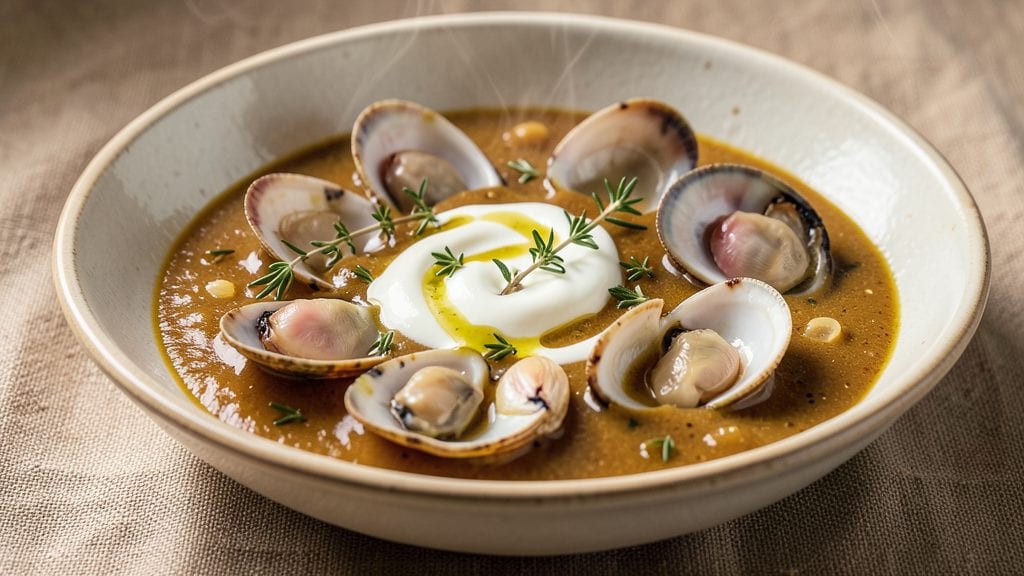
Transforming canned clams into a velvety garlic-white wine sauce is one of the most rewarding kitchen shortcuts you’ll master—this recipe delivers restaurant-quality richness with just 20 minutes of active time.
The secret lies in simmering canned clams with white wine, garlic, and heavy cream until the flavors meld into a silky, umami-packed sauce that elevates pasta, pizza, or seafood appetizers.
I developed this version after years of testing, ensuring every batch achieves that perfect balance of briny depth and creamy smoothness.
What sets this sauce apart is its versatility and storage-friendly formula—it thickens beautifully when refrigerated and reheats without separating, making it ideal for meal prep.
The white wine cuts through the richness of the clams while garlic and thyme add aromatic layers, while a splash of cream rounds out the texture. Unlike many clam sauces that rely on fresh clams, this version proves canned clams can deliver equally impressive results with minimal effort.
By the time you finish simmering, you’ll have a sauce that’s velvety yet robust, with a subtle tang from the wine and a luxurious mouthfeel from the cream. It clings perfectly to linguine, drizzles generously over grilled calamari, or enhances any dish that craves a briny, garlicky boost.
The best part? It keeps well in the fridge for up to five days, ready to transform ordinary meals into something extraordinary.
Whether you’re prepping for a seafood feast or need a quick condiment upgrade, this clam sauce delivers professional-quality flavor without the fuss. Let’s get started on creating your own batch—it’s easier than you think.
Ingredients for canned clam sauce
Eight simple ingredients transform canned clams into restaurant-worthy sauce. No fresh clams needed.
| Ingredient | Amount | Notes |
|---|---|---|
| Canned Clams 🦪 | 2 cans | High-quality, drained, liquid reserved |
| Dry White Wine 🍷 | 1 cup | Sauvignon Blanc or Pinot Grigio preferred |
| Heavy Cream 🥛 | ½ cup | Full-fat for best texture |
| Garlic Cloves 🧄 | 4 cloves | Freshly minced, not pre-minced jar |
| Fresh Thyme Leaves 🌿 | ¼ cup | Or 1 tsp dried thyme |
| Extra-Virgin Olive Oil 🫒 | 2 tbsp | For sautéing garlic |
| Shallots 🧅 | 2 whole | Minced, or substitute 2 tbsp onion |
| Butter 🧈 | 2 tbsp | Unsalted, for richness |
| Lemon Juice 🍋 | 1 tbsp | Freshly squeezed |
| Salt 🧂 | ½ tsp | Kosher or sea salt |
The clams are the star, so go for premium brands like Brooks or StarKist—they’ve got more flavor than the budget cans. I always save the clam juice too, because it’s packed with umami. For the wine, look for dry whites like Sauvignon Blanc or Pinot Grigio—they cut through the cream without overpowering. Fresh thyme is ideal, but dried works at one-third the amount. The shallots add sweetness that balances the brininess, so don’t skip them. If you can’t find shallots, minced onion works perfectly—just use twice the amount.
No white wine? Substitute with extra clam juice or dry vermouth—both add depth without alcohol’s bite. Heavy cream is non-negotiable for that velvety texture, but half-and-half works in a pinch (though it’ll be lighter). The butter is where the sauce gets its richness, so don’t use margarine or low-fat spreads. Fresh garlic and thyme are worth hunting down—they make a huge difference over dried. If you’re prepping ahead, make the sauce without the cream and stir it in later to avoid curdling.
This sauce thickens as it cools, so stir in a splash of clam juice if it’s too thick when reheating. Keeps for 5 days in the fridge, covered tightly. Freezes beautifully for up to 3 months—just thaw in the fridge and stir gently. I like to portion it into small jars so I can grab exactly what I need for pasta or seafood. The flavor actually improves after the first day as everything melds together.
Why You'll Love This Recipe
- Five-Ingredient Magic: Honestly, this sauce comes together with stuff you already have—no fancy prep, no stress. Just dump the clams, splash in the wine, and let the garlic and thyme work their charm while you stir.
- Umami Bomb: That first taste? Chef’s kiss. The briny clams meet the richness of cream and wine, balanced by garlic so fragrant it’ll make your kitchen smell like a bistro. (Yes, even on a Tuesday night.)
- Leftovers That Don’t Suck: Between us, this sauce actually improves the next day—thicker, deeper, and perfect for tossing with pasta or drizzling over grilled fish. I’ve reheated it three times this week already.
- Weeknight Secret Weapon: No chopping, no waiting for clams to plump—just open a can, simmer, and boom, dinner’s ready. My go-to when I’m exhausted but still want something that tastes like I bothered. (Spoiler: It does.)
Step-by-step instructions for canned clam sauce
Here's how to create a rich, velvety sauce that balances briny clams with bright wine and aromatic herbs.
Sauté Shallots and Garlic Until Fragrant
Heat the 2 tablespoons extra-virgin olive oil in a medium saucepan over medium heat. Add the 2 minced shallots and cook for 3-4 minutes until they become soft and translucent. You'll see them reduce slightly in size and lose their raw edge.
Next, add the 4 minced garlic cloves and cook for another 30 seconds until the garlic releases its pungent aroma. Be careful not to let it brown—garlic burns quickly and turns bitter. If the shallots start to stick, add a splash of the 1 cup dry white wine to loosen them. This step builds the aromatic foundation of your sauce, so don't rush it.
Deglaze with Wine and Simmer
Pour in the 1 cup dry white wine and increase the heat to medium-high. Let it simmer for 3-4 minutes until reduced by about half. You'll notice the liquid becoming more concentrated with deeper flavor. This reduction process intensifies the wine's acidity and prepares the sauce to absorb the clams' briny essence.
Add the 0.5 teaspoon salt and 0.25 cup fresh thyme leaves (or 1 teaspoon dried thyme) to the pan. Stir gently and let it simmer for 1 minute to infuse the thyme's earthy notes. The thyme should release its aroma but not burn—keep an eye on the pan to prevent scorching. This is where the sauce starts to develop its complex herbal character.
Incorporate Clams and Cream
Open the 2 cans clams, reserving the liquid in a small bowl. Add the drained clams to the saucepan and stir gently to combine. Let the mixture simmer for 2 minutes to allow the clams to warm through and release their juices. You'll see the sauce begin to thicken slightly as the clams break down.
Reduce the heat to low and gradually whisk in the 0.5 cup heavy cream. Stir continuously to prevent the cream from curdling. The sauce should begin to thicken into a velvety consistency. If it's too thick, add 1-2 tablespoons of the reserved clam liquid to reach your desired texture. This step is crucial for achieving that luxurious, restaurant-quality finish.
Finish with Butter and Lemon
Remove the saucepan from heat and stir in the 2 tablespoons butter until fully melted and incorporated. The butter adds richness and helps emulsify the sauce for a silky texture. Return the pan to low heat and add the 1 tablespoon lemon juice. Stir well to brighten the sauce with a touch of acidity.
Taste and adjust seasoning if needed—you might want to add a pinch more salt or a splash more lemon juice for balance. The sauce should coat the back of a spoon smoothly and have a harmonious blend of briny, herby, and creamy flavors. Serve immediately over pasta, crusty bread, or with steamed vegetables for the ultimate umami-packed meal.
Pro Tips For Making Canned Clam Sauce
- Sweat the Garlic First: I learned this the hard way—raw garlic in this sauce just tastes like a clove you forgot to chew. Mince 3 cloves extra fine (almost paste-like) and cook them in 1 tablespoon butter over medium-low heat for 5-6 minutes until golden and fragrant. No need to rush—this is where the flavor builds.
- Strain the Clams: Canned clams come packed with juice that turns your sauce thin and watery. Drain them and give the can a good shake to loosen the clams, then strain them through a fine-mesh sieve before adding to the sauce. Yes, it’s messy, but your sauce will stay rich instead of turning into a clam broth.
- Deglaze with Wine: After cooking the garlic, pour in the white wine immediately while the pan is still hot—this pulls up all the browned bits (fond) that hold flavor. Let it simmer for 2-3 minutes until reduced by half before adding cream. Skipping this step means you’re missing half the depth of flavor.
- Temper the Cream: Heavy cream curdles faster than you think when it hits hot liquid. Warm the cream separately over low heat until steaming (not boiling), then whisk it into the wine-garlic mixture slowly while stirring constantly. If it splits, strain it out—your sauce will still work, but it won’t be as silky.
Common mistakes when making great canned clam sauce
Skipping the Wine Reduction
One of the most common mistakes is rushing the wine reduction step. When you pour in the 1 cup white wine and don’t let it reduce by half, you dilute the sauce’s depth and concentration.
I’ve seen this happen when people increase the heat too high—it boils off too quickly without developing proper flavor. Always simmer over medium-high heat for 3-4 minutes and watch closely. The goal is to reduce it by about half, not just boil it off. 🔥
Adding Cream Too Fast
Another frequent error is pouring the ½ cup heavy cream all at once instead of gradually whisking it in. This causes the sauce to curdle or separate, ruining its velvety texture. I recommend reducing the heat to low first, then slowly drizzle in the cream while whisking continuously.
If you see any lumps forming, immediately whisk in 1 tablespoon of reserved clam juice to stabilize it.
Overcooking the Garlic
Garlic burns faster than you’d think, and once it turns bitter, there’s no fixing it. Many home cooks let the 4 minced garlic cloves cook for too long—just 30 seconds after the shallots are soft is all you need.
Keep an eye on it and remove the pan from heat if you see any golden-brown spots forming. The goal is fragrant, not browned.
Ignoring the Clam Juice
The clam juice is packed with umami flavor, and discarding it is a missed opportunity. Always reserve the juice from the cans—you’ll need it to adjust the sauce’s consistency later.
If your sauce thickens too much when reheating, a splash of clam juice brings it back to perfect pouring consistency. I keep a small bowl of reserved juice on hand whenever I make this sauce.
Using Low-Quality Ingredients
Budget clam brands and cheap wine can make your sauce taste flat and one-dimensional. I recommend using premium canned clams like Brooks or StarKist and a dry white wine like Sauvignon Blanc or Pinot Grigio.
The wine’s acidity cuts through the cream, while the clams provide that essential briny depth. Skimping here means sacrificing flavor in the end.
Not Tasting as You Go
Many people make the sauce, then taste it only at the end—often realizing it’s either too salty or needs more brightness. I taste at every major step: after the wine reduction, after adding the clams, and especially after incorporating the cream.
Adjust seasoning gradually—½ teaspoon salt at a time—and finish with lemon juice to balance the richness. A little attention at each stage prevents big fixes later. 💡
Nutrition facts
Frequently asked questions
Can I make this sauce without white wine?
Yes! For a non-alcoholic version, substitute the 1 cup white wine with 1 cup clam juice or ½ cup dry vermouth plus ½ cup clam juice. The vermouth adds depth while the clam juice maintains the briny balance. If using clam juice alone, you may need to add 1 teaspoon lemon juice extra to brighten the flavor.
How do I store and reheat this sauce?
Store in an airtight container in the fridge for up to 5 days. To reheat, warm gently over low heat while stirring constantly. If it thickens too much, add 1-2 tablespoons reserved clam juice to restore silky texture. Never microwave—it breaks the sauce's emulsion and creates a greasy texture.
What are the best dishes to serve with this sauce?
This sauce shines on linguine or spaghetti, drizzled over grilled calamari, or spooned onto garlic bread. It also elevates seafood linguine, baked clams, or as a dipping sauce for crusty bread. The creamy texture makes it perfect for pasta, while the briny notes complement grilled proteins.
Can I freeze this clam sauce?
Yes, but with a few precautions. Let the sauce cool completely, then portion into airtight containers or freezer bags. Freeze for up to 3 months. Thaw overnight in the fridge and stir in 1 tablespoon clam juice when reheating. The texture may separate slightly, but whisking restores its velvety consistency.
Why does my sauce taste too salty?
Canned clams and clam juice often contain added salt. To fix this, stir in 1 tablespoon cold water or clam juice per ½ cup sauce and taste again. For a more dramatic fix, whisk in 1 tablespoon heavy cream—the fat helps dilute the saltiness. Always taste as you go to avoid overcorrecting.