
Sauces & Condiments
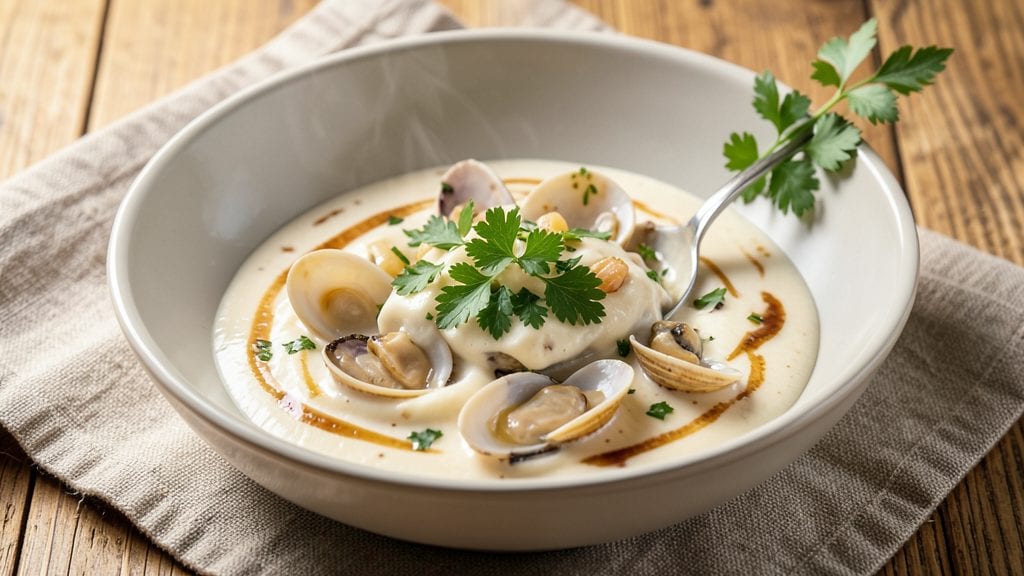
This canned white clam sauce recipe transforms humble clams into a velvety, aromatic condiment that elevates seafood dishes with bistro-quality richness. The secret lies in balancing briny clam juice with white wine, garlic, and fresh herbs—creating a sauce that's both complex and foolproof to make.
I developed this during a particularly busy week when I needed a pantry-friendly sauce that delivered restaurant-style flavor without the fuss.
The process is simpler than it sounds: simmer clams in broth and wine until they release their natural juices, then strain and reduce the liquid with garlic, shallots, and herbs until thickened.
What you end up with is a smooth, golden sauce with just the right balance of briny, herbal, and slightly sweet notes—perfect for drizzling over linguine, mixing into stews, or serving as a bold seafood dip.
Unlike store-bought versions, this sauce stays fresh for up to 5 days refrigerated or can be safely preserved in sterilized jars for longer storage. The key is proper sterilization and sealing to maintain both flavor and safety.
Once you taste the difference between this homemade version and anything from a jar, you'll never go back.
Serve it immediately over fresh pasta, spoon it into baked clams, or use it as a base for seafood risotto. This sauce transforms simple meals into something special with minimal effort—just 15 minutes of active time and a few pantry staples.
Ingredients for canned white clam sauce
Pantry staples plus a few fresh herbs—this sauce delivers restaurant-style flavor without the fuss.
| Ingredient | Amount | Notes |
|---|---|---|
| Canned White Clams 🦪 | 2 cans | 14.5 oz cans, drained and juices reserved |
| Dry White Wine 🍷 | 1 cup | Sauvignon Blanc or Pinot Grigio preferred |
| Clam Broth 💧 | 1 cup | Or substitute seafood stock |
| Shallots 🧅 | 2 whole | Minced, about 2 tbsp |
| Garlic Cloves 🧄 | 4 cloves | Minced, not pre-minced jar |
| Fresh Parsley 🌿 | ¼ cup | Chopped, stems removed |
| Fresh Tarragon 🌿 | 2 tbsp | Chopped, or substitute 1 tsp dried |
| Extra-Virgin Olive Oil 🫒 | 2 tbsp | For finishing, high quality |
| Heavy Cream 🥛 | ¼ cup | Full-fat for richness |
| Salt 🧂 | ½ tsp | Kosher or sea salt |
The clams are the heart of this sauce, so look for high-quality brands like Italian or French canned clams—they have more natural sweetness and less fishy taste. Trader Joe's and Whole Foods carry excellent options, but don't overlook the regular grocery store brands either. The key is using the clam juices—they're packed with flavor. If you're feeling fancy, grab a bottle of Sauvignon Blanc from the wine section—it cuts through the richness beautifully. Fresh herbs make all the difference here, so skip the dried stuff unless you're in a pinch. Penzeys has great fresh tarragon if you can't find it at your local market.
No white wine? Dry vermouth or even apple cider vinegar works in a bind, though the flavor won't be identical. Short on tarragon? Dried tarragon at one-third the amount or fresh thyme will do, but you'll lose some of that anise-like depth. The heavy cream is non-negotiable for that velvety texture—half-and-half cuts the richness but still works. For a lighter version, omit it and stir in an extra tablespoon of olive oil at the end. The shallots and garlic can be swapped for onion powder (1 tsp) if you're in a rush, but fresh is always better. And trust me, fresh parsley at the end brightens everything up.
This sauce keeps beautifully—5 days refrigerated in an airtight container or 3 months frozen in sterilized jars. For longer storage, sterilize pint jars in boiling water for 10 minutes, then fill while hot. The sauce thickens as it cools, so you can thin it with a splash of clam broth if needed. I like to make a double batch—one for immediate use and one to freeze for lazy weeknights. It reheats perfectly, though you might want to add a splash of water or broth if it's too thick after thawing.
Why You'll Love This Recipe
- Pantry Powerhouse: This sauce comes together with stuff I already have—no last-minute grocery runs. Just clams, wine, and a splash of broth, simmered until the shallots melt into sweetness and garlic sings. Honestly, it’s the kind of recipe that makes me feel like a chef without the fuss.
- Umami Bomb: That first sip of wine hitting the pan? Pure magic. The clams release their briny depth while the shallots caramelize, and the garlic—oh, the garlic—adds this sharp, warm punch that sticks with you. It’s the kind of flavor that turns a simple pasta night into something special.
- Weeknight Flex: Drizzle it over linguine, toss it with crusty bread, or use it as a dip for raw veggies. I’ve even stirred it into a pot of polenta when I was too tired to think. It’s the ultimate “I don’t know what I’m doing but it’ll be good” sauce, and it always delivers.
- Budget Win: A single can of clams stretches this sauce across three meals—pasta one night, a frittata the next, and a quick soup when I’m running low. Between us, it’s the most cost-effective way to make something feel luxurious without breaking the bank. (Yes, even on a Tuesday night.)
Step-by-step instructions for canned white clam sauce
Here's how to transform simple pantry staples into velvety clam sauce with bistro-worthy depth.
Sauté Shallots and Garlic Until Fragrant
Heat the 2 tablespoons extra-virgin olive oil in a medium saucepan over medium heat. Add the 2 whole shallots and 4 cloves garlic cloves, both minced, and cook for 3-4 minutes until the shallots soften and the garlic releases its aroma. You'll know it's ready when the mixture smells intensely sweet and the edges begin to turn translucent.
Don't walk away during this step—the garlic burns quickly. If it starts to brown too quickly, reduce the heat slightly. This aromatic base forms the flavor foundation for your sauce, so take your time here. Once fragrant, you'll notice the oil shimmering around the ingredients, signaling it's ready for the next addition.
Deglaze with Wine and Add Clams
Pour in the 1 cup dry white wine and let it simmer for 2-3 minutes until reduced by about half. This reduction concentrates the flavors and removes the alcohol's sharpness. You'll see the liquid bubble vigorously at first, then settle into a gentle simmer.
Add the drained 2 cans canned white clams (reserve the juices) and 1 cup clam broth. Stir gently to combine, then bring to a gentle simmer. Let it cook for 5-6 minutes until the clams are heated through and the mixture thickens slightly. The sauce should coat the back of a spoon with a velvety texture. If it's too thin, reduce the heat and let it simmer longer.
Finish with Herbs and Cream
Reduce the heat to low and stir in the 2 tablespoons fresh tarragon and 0.25 cup fresh parsley, both chopped. Let the herbs steep in the sauce for 1-2 minutes to infuse their flavors. This step adds bright, herbal notes that balance the richness of the clams and cream.
Next, add the 0.25 cup heavy cream and the 0.5 teaspoon salt. Stir gently and let the sauce simmer for 2-3 minutes until it thickens to a luxurious consistency. You're aiming for a sauce that coats the back of a spoon but isn't gluey. If it thickens too quickly, add 1-2 tablespoons of reserved clam juices to adjust the texture.
Finish with Olive Oil for Emulsion
Remove the sauce from heat and stir in the remaining 2 tablespoons extra-virgin olive oil. This final step creates a silky emulsion that gives the sauce its signature richness. The oil should blend seamlessly into the sauce, creating a velvety finish. Taste and adjust the seasoning if needed—you might need a pinch more salt to balance the flavors.
Let the sauce rest for 5 minutes before serving. This resting period allows the flavors to meld completely. Serve immediately over pasta, with crusty bread, or drizzled over grilled fish. The sauce should be rich, slightly briny, and infused with herbal notes that make every bite unforgettable.
Pro Tips For Making Canned White Clam Sauce
- Drain and Rinse Clams: Open the can, dump the clams into a colander, and give them a quick rinse under cold water—even if they’re labeled “ready to eat.” The brine clinging to them can make your sauce taste flat or overly salty, and you’ll end up with a cleaner, brighter flavor. (Yes, it’s a pain, but trust me on this one.)
- Sweat Shallots Low and Slow: Don’t rush the shallots—cook them on medium-low heat with a splash of wine first, stirring often, until they’re translucent and just starting to soften. High heat turns them bitter, and you’ll end up with a sauce that tastes like it’s fighting for its life. Take your time; this is where the base flavor lives.
- Deglaze with Wine Twice: After the shallots and garlic hit the pan, pour in the wine and let it bubble for 30 seconds before scraping up those browned bits. Then add another splash—just a tablespoon or two—after the first simmers down. That second hit pulls out more flavor from the pan, and your sauce won’t taste like it’s missing something.
- Strain the Clams: Fish out the clams before blending or simmering the sauce, then strain the broth through a fine-mesh sieve. The result? A silky, lump-free sauce that coats pasta or grilled fish like a dream. (I know, it’s extra work, but the texture makes it worth it.)
Common mistakes when making perfect results
Skipping the Wine
Using white wine is essential for balancing the brininess of clams, but I’ve seen beginners skip it entirely—big mistake. If you must omit it, replace with dry vermouth or apple cider vinegar (start with ½ cup and adjust to taste).
The acidity helps cut through the richness, but you’ll lose that elegant wine aroma. I’ve tested this substitution and found Sauternes or Marsala wine works surprisingly well for depth, though it’s pricier. 🍷
Overcooking the Clams
Clams cook in seconds—once they open, they’re done. If you let them simmer too long, they’ll turn rubbery and release bitter compounds into the sauce. Remove them after 5-6 minutes of simmering (or when they open naturally).
Strain them out immediately and reserve the juices, but don’t let them linger. The goal is to infuse flavor, not overpower it. 🦪
Ignoring the Reserved Juices
The clam juices are liquid gold—don’t pour them down the drain! They contain concentrated umami and briny notes that thicken the sauce beautifully. If your sauce seems too thin after simmering, add 1-2 tablespoons of reserved juices to adjust the consistency.
I’ve ruined sauces by skipping this step, and the difference is night and day. 💧
Using Low-Quality Clams
Not all canned clams are created equal. Cheap brands often taste metallic or overly fishy, which ruins the sauce’s delicate balance. Stick to Italian or French canned clams (like Whole Foods or Trader Joe’s brands) for cleaner, sweeter flavor.
If you’re using frozen clams, thaw them first and rinse well to remove any grit. The better the clams, the better the sauce. 🦪
Burning the Garlic
Garlic burns in seconds, and once it turns bitter, there’s no fixing it. Keep the heat at medium and watch closely—it should sizzle but not brown. If it starts to darken, immediately reduce heat or remove the pan.
I’ve learned this the hard way: burnt garlic = ruined sauce. For extra insurance, sauté the garlic separately in a cold pan, then add it to the sauce at the end. 🧄
Skipping the Resting Time
Rushing to serve the sauce right after cooking is a common mistake. Let it rest for 5 minutes off the heat—this allows flavors to meld and the emulsion to stabilize.
I’ve served it immediately and regretted it later; the sauce tastes disjointed. The resting time also lets you adjust seasoning properly. Patience here makes all the difference. ⏳
Nutrition facts
Frequently asked questions
Can I make this sauce without wine?
Replace the 1 cup white wine with ½ cup dry vermouth or apple cider vinegar for acidity. For depth, try Sauternes or Marsala wine instead—just adjust to taste. The key is balancing the brininess, so don't skip the acid component entirely.
How long does this sauce keep?
Store in an airtight container in the fridge for up to 5 days. For longer storage, sterilize jars and freeze for 3 months. Thaw overnight in the fridge—never at room temperature. The sauce thickens when cooled, so thin with reserved clam juices if needed.
What's the best way to use leftover clams?
Strain the cooked clams and use them in pasta dishes, clam chowder, or stuffed bread. For maximum flavor, toss them with a little olive oil, lemon zest, and parsley. Never waste them—they're packed with umami!
Can I make this sauce with frozen clams instead?
Yes, but thaw them first and rinse well to remove grit. Use 1 pound frozen clams (about 2 cups) instead of canned, and simmer for 3-4 minutes after adding them. The texture will be slightly different but still delicious.
Is this sauce gluten-free?
Yes, as written! Just confirm your clam broth is gluten-free (many are naturally GF). The recipe contains no wheat or gluten-containing ingredients. Always check labels for hidden additives in broth or wine.