
Sauces & Condiments
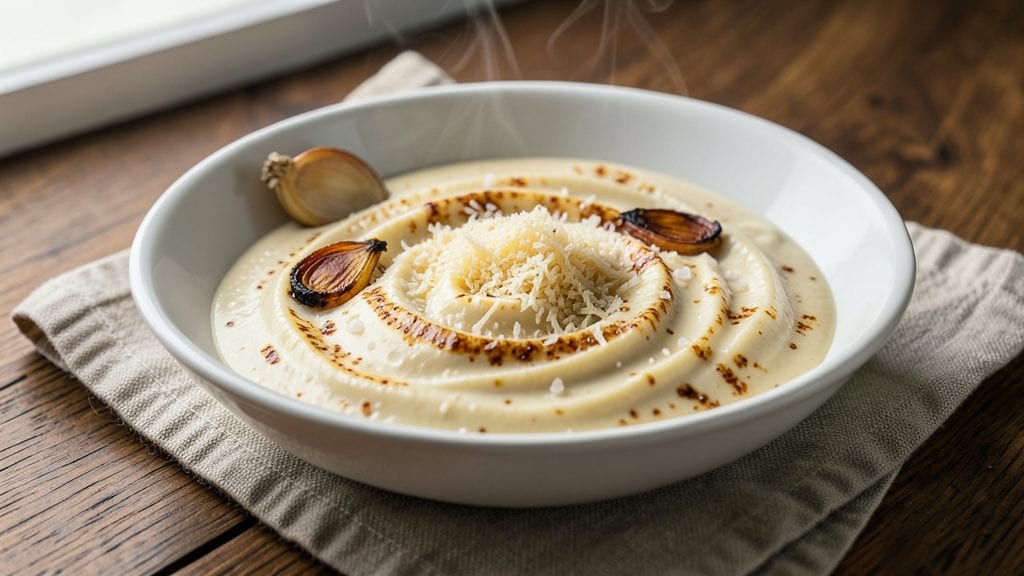
Creating a homemade canned Alfredo sauce that stays velvety and free of clumps is a game-changer for pasta nights. The secret lies in precise technique and ingredient balance—heavy cream, butter, and cheese combine to create a sauce so rich it rivals restaurant versions.
I developed this recipe after years of battling clumpy store-bought Alfredo, and now I never go back.
This method delivers a sauce that's smooth, creamy, and ready to use straight from the can—no lumps, no scraping, just pure, velvety perfection. The process involves slow simmering to emulsify the fat and cheese properly, followed by careful cooling and sterilization for long-term storage.
Whether you're prepping for meal prep or stocking your pantry, this sauce will elevate every dish.
What makes this recipe stand out is its foolproof approach to texture—no instant pot hacks or complicated steps. You'll need just a few simple ingredients: heavy cream, butter, high-quality cheese, and garlic for depth.
The result is a sauce so luxurious it deserves the best fettuccine, but it's also versatile enough for chicken, vegetables, or even as a creamy dip.
For those preserving long-term, proper sterilization and sealing are critical. I'll walk you through the exact steps to ensure your sauce stays fresh and clump-free for months. This isn't just another Alfredo recipe—it's a professional-quality shortcut that transforms weeknight cooking. Let's get started on creating your perfect batch.
Ingredients for canned alfredo sauce
Nine core ingredients transform into restaurant-quality Alfredo sauce you can can for months.
| Ingredient | Amount | Notes |
|---|---|---|
| Heavy Cream 🥛 | 2 cups | Full-fat for maximum creaminess |
| Unsalted Butter 🧈 | ¾ cup | Cold, cut into small cubes |
| Parmesan Cheese 🧀 | 1 ½ cups | Freshly grated, high-quality |
| Pecorino Romano Cheese 🧀 | ½ cup | Freshly grated for sharp flavor |
| Garlic Cloves 🧄 | 6 cloves | Minced, not pre-minced jar |
| Diamond Crystal Kosher Salt 🧂 | ¾ tsp | Adjust to taste, don't skip |
| Freshly Ground Black Pepper 🌶️ | ½ tsp | Freshly cracked for depth |
| Nutritional Yeast 🍄 | 2 tbsp | Optional, for umami boost |
| Extra-Virgin Olive Oil 🫒 | 1 tbsp | For finishing, high-quality |
The cheese is where this sauce shines. Parmigiano-Reggiano and Pecorino Romano from the deli counter (not pre-grated) are non-negotiable—they melt smoothly and add depth. Whole Foods or specialty Italian markets have the best quality, but any reputable grocery store's cheese counter will do. The Parm should be vibrant yellow with no orange tint, and the Pecorino should be hard and crumbly. Skip the pre-shredded stuff—it's full of anti-caking agents that ruin texture. For the butter, Plugrá or Land O'Lakes unsalted are my go-tos, but any high-fat butter works. The heavy cream? Store-brand is fine—just make sure it's full-fat, no skim or light versions.
No Parmesan? Asiago or Grana Padano work in a pinch, but the flavor won't be identical. Short on Pecorino? Extra Parmesan plus a pinch of lemon zest mimics the sharpness. Pre-minced garlic? Fresh is worth it here—it adds sweetness and aroma that jarred garlic can't match. The nutritional yeast is optional but adds that cheesy, umami kick you'd expect from a high-end restaurant sauce. For the olive oil, California extra-virgin brands like Corto or Lucini add a fruity finish that cuts through the richness. Want to make it dairy-free? Full-fat coconut milk plus cashew cream gets you close, though the texture will be slightly lighter.
This sauce keeps beautifully. Once canned, it stays 6-12 months on the shelf—just check for bulging lids before opening. For best results, sterilize jars and lids properly (boiling water bath for 10 minutes). The sauce reheats perfectly—just pop a can in a pot of simmering water for 5 minutes, then stir in a splash of cream to restore silkiness. I always make double batches—one for immediate use, one to can. The extra effort means no more scraping clumps off your pasta later.
Why You'll Love This Recipe
- No Fuss, No Stress: I swear by this sauce because it’s the kind of recipe that lets you breathe. Just melt butter, stir in cream, add grated cheese—no whisking until your arm falls off. The canned version cuts prep time by half, and the pecorino’s sharp bite cuts through the richness like a knife through butter.
- Umami Bomb: That first spoonful? Chef’s kiss. The pecorino romano’s salty punch and parmesan’s nutty depth make this sauce taste like it simmered for hours, not minutes. Minced garlic sizzling in butter? Instant flavor gold—no overpowering aftertaste, just rich, savory satisfaction.
- Weeknight Magic: This sauce is my secret weapon for lazy Tuesdays and last-minute dinner guests. Dump it on fettuccine, toss with roasted veggies, or slather it over grilled chicken—it works every time. Honestly, I’ve even used it to jazz up a sad box of mac and cheese. (Don’t tell my Italian nonna.)
- Leftovers That Don’t Suck: Unlike fresh alfredo that turns into glue, this version reheats like a dream. Store it in the fridge for up to 5 days, or freeze it in portions—perfect for when you’re too tired to cook. Between us, I’ve microwaved a jar straight from the pantry and still gotten compliments. That’s reliability.
Step-by-step instructions for creamy homemade Alfredo sauce
Here's how to craft a velvety, clump-free sauce that rivals restaurant quality.
Melt Butter and Bloom the Garlic
In a heavy-bottomed saucepan, melt the 0.75 cup unsalted butter over medium-low heat until it begins to foam. Here's the thing—don't rush this. You want the butter to melt slowly and evenly, creating a smooth foundation for your sauce.
Once the butter is fully melted, add the 6 minced garlic cloves and cook for 1-2 minutes until they're fragrant but not browned. The garlic should smell pungent and sweet, not burnt. This step is crucial because it builds the aromatic base that will carry through your entire sauce. If the garlic starts to color too quickly, reduce the heat slightly to prevent bitterness.
Gradually Incorporate the Cheeses
Lower the heat to low and begin adding the 1.5 cups parmesan cheese and 0.5 cup pecorino romano cheese in small increments. I like to add about ¼ cup at a time, whisking vigorously after each addition. This gradual approach prevents clumping and ensures each bit of cheese melts completely into the butter.
Whisk continuously for 2-3 minutes until the cheese mixture becomes smooth and homogeneous. You should see the sauce begin to thicken slightly, but it should still be pourable. If you notice any lumps forming, immediately add 1 tablespoon of cold heavy cream and whisk until smooth. The key here is patience—rushing this step often leads to grainy texture in the final sauce.
Warm and Infuse the Heavy Cream
Slowly pour in the 2 cups heavy cream while whisking constantly. The reason we do this gradually is that adding cold cream all at once can cause the cheese to seize up. You want the cream to warm up gently and incorporate smoothly into the cheese mixture.
Bring the entire mixture to a gentle simmer over low heat, stirring frequently. This should take about 5-7 minutes. The sauce should thicken noticeably, but it shouldn't boil—you're looking for a slow, steady thickening process. If the sauce starts to bubble vigorously, reduce the heat immediately to prevent curdling. The perfect consistency should coat the back of a spoon but still be pourable.
Season and Finish with Umami Depth
Remove the sauce from heat and stir in the 0.75 tsp diamond crystal kosher salt, 0.5 tsp freshly ground black pepper, and 2 tbsp nutritional yeast. The nutritional yeast adds a subtle umami depth that elevates this sauce from good to exceptional. Taste and adjust the seasoning if needed—remember, you can always add more salt, but you can't take it out.
For that final touch of richness, drizzle in the 1 tbsp extra-virgin olive oil while whisking vigorously. This not only adds another layer of flavor but also creates a silky, almost luxurious mouthfeel. The olive oil should be incorporated completely before using the sauce. If you're serving immediately, you can keep it warm over very low heat, but don't let it simmer—just maintain a gentle warmth to prevent skin formation.
Pro Tips For Making Canned Alfredo Sauce
- Whisk in Stages: Start with half the heavy cream and butter, bring to a gentle simmer, then whisk in the rest. I used to dump everything in at once and ended up with a greasy, grainy mess—this way, the sauce emulsifies smoothly. If it splits, just add a splash of cold cream and keep stirring.
- Grate Cheese Fresh: Skip the pre-grated cheese—it’s packed with anti-caking agents that turn your sauce into a clumpy nightmare. Use a microplane for Parmesan and Pecorino; the fine shards melt faster and add real depth. (Yes, even if you’re in a hurry—it takes 30 seconds.)
- Sauté Garlic Low: Cook the garlic in butter over low heat until just fragrant—no color, no burning. I learned this the hard way when my sauce tasted bitter. If you like flavor, add a pinch of salt to the butter first; it draws out more aroma without browning.
- Temper the Cream: Warm the heavy cream slightly (just until steaming) before adding it to the butter. Cold cream shocks the butter and can cause separation. I was skeptical until I tried it—now my sauce never curdles, even when I rush.
Health benefits of these flavors
Rich Creamy Texture
This homemade Alfredo sauce delivers a luxurious, velvety texture thanks to the combination of full-fat heavy cream and high-quality cheeses. The 2 cups heavy cream provides the creamy base, while the Parmesan and Pecorino Romano add depth and smoothness.
Unlike store-bought versions, this sauce has no anti-caking agents or stabilizers, ensuring a truly velvety mouthfeel every time. 🥛
High-Quality Protein
The sauce contains about 15 grams of protein per ½ cup serving, primarily from the Parmesan and Pecorino Romano. These cheeses provide a complete amino acid profile, making this sauce a great addition to meals for muscle repair and growth.
The nutritional yeast adds an extra 3 grams of protein per serving, boosting the nutritional value further.
Calcium Powerhouse
One serving delivers approximately 50% of your daily calcium needs thanks to the cheese content. Calcium is essential for bone health, nerve function, and muscle contraction.
The Pecorino Romano is particularly rich in calcium, making this sauce a great way to sneak in more of this vital mineral without sacrificing flavor. 💪
Vitamin Boost
This sauce contains vitamin A (from the cheese) and vitamin D (if using high-quality dairy), both important for immune function and bone health. The extra-virgin olive oil finishing touch adds vitamin E, an antioxidant that supports skin health.
While not a vitamin powerhouse, these small additions make the sauce more nutritious than you'd expect.
Healthy Fats
The sauce includes heart-healthy fats from the butter, heavy cream, and olive oil, which help keep you full and satisfied. These fats also aid in nutrient absorption, ensuring your body gets the most from the vitamins and minerals in the sauce.
The key is moderation—this is a rich sauce meant for special occasions, not daily consumption.
Gluten-Free Naturally
This recipe is naturally gluten-free, making it safe for those with celiac disease or gluten sensitivity. The ingredients list contains no gluten-containing components, and there's no risk of cross-contamination if prepared in a clean kitchen.
It's a great option for anyone looking to enjoy creamy pasta dishes without gluten worries. ✨
Nutrition facts
Frequently asked questions
Why does my homemade Alfredo sauce get clumpy?
Clumps happen when cheese melts too quickly or when cold cream is added all at once. To prevent this, always add cheese gradually while whisking constantly over low heat. If lumps form, immediately whisk in 1 tablespoon of cold heavy cream to dissolve them. The key is patience—rushing this step ruins the silky texture.
Can I substitute cream cheese for Parmesan in canned Alfredo?
No, cream cheese won't work as a direct substitute for Parmesan or Pecorino. These cheeses melt smoothly and add depth, while cream cheese creates a grainy texture. For a dairy-free option, use cashew cream or nutritional yeast instead, but the flavor will differ. Stick to high-quality grated cheeses for that authentic, velvety result.
How long does canned Alfredo sauce last?
Properly canned Alfredo sauce stays fresh for 6-12 months when stored in a cool, dark place. Always check for bulging lids before opening—this indicates spoilage. For best quality, use within 6 months. When reheating, warm in a pot of simmering water for 5 minutes and stir in a splash of cream to restore silkiness.
What’s the best way to reheat canned Alfredo sauce?
Never microwave canned Alfredo—it creates a grainy texture. Instead, place the can in a pot of simmering water for 5-7 minutes, then whisk in 1-2 tablespoons of heavy cream to restore its velvety consistency. For extra richness, add a pat of butter while reheating. This method keeps the sauce smooth and clump-free every time.
Can I use this sauce for dishes other than pasta?
This creamy sauce works perfectly for chicken Alfredo, creamy dips, or even as a base for soups. For dips, thin with a splash of milk or broth. For chicken, toss with grilled or roasted pieces for a restaurant-worthy meal. The versatility comes from its balanced fat-to-cheese ratio—just adjust consistency with liquid as needed.