
Sauces & Condiments
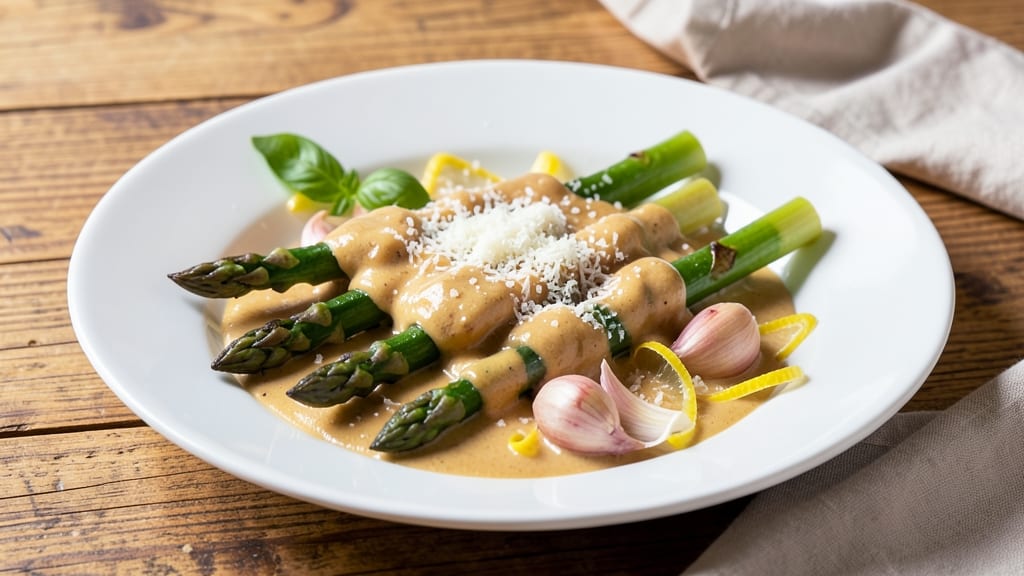
This asparagus alfredo sauce transforms simple ingredients into a creamy, earthy masterpiece that elevates any pasta dish. The secret lies in blending tender asparagus with rich cream and Parmesan, creating a sauce that's both luxurious and surprisingly fresh.
I developed this recipe after realizing how often asparagus gets overlooked in cooking—until now, its vibrant flavor becomes the star of your alfredo.
The process is straightforward yet transformative: sauté garlic in butter until fragrant, then add blanched asparagus to build flavor before blending everything into a velvety sauce. The result is a rich, velvety alfredo with subtle asparagus notes that add depth without overpowering.
This sauce works beautifully on fettuccine, chicken, or even as a creamy dip for crusty bread.
What sets this apart is the balance of textures—smooth yet slightly textured from the asparagus, with just enough tang from lemon to brighten the richness. The sauce thickens perfectly when reheated, making it ideal for meal prep.
Whether you're serving it as a main course or a decadent side, this asparagus twist redefines classic alfredo.
For a lighter option, substitute the heavy cream with coconut milk or cashew cream, and use nutritional yeast instead of Parmesan. The technique remains the same, but the result is just as satisfying. Let's create this restaurant-quality sauce at home.
Ingredients for asparagus alfredo sauce
Nine ingredients blend into a velvety alfredo where earthy asparagus meets creamy luxury.
| Ingredient | Amount | Notes |
|---|---|---|
| Fresh Asparagus 🥬 | 1 lb | Trimmed, tough ends removed |
| Heavy Cream 🥛 | 1 ½ cups | Full-fat for optimal richness |
| Parmesan Cheese 🧀 | 1 cup | Freshly grated from block |
| Unsalted Butter 🧈 | 4 tbsp | Cold for sautéing garlic |
| Garlic Cloves 🧄 | 4 cloves | Minced for aromatic base |
| Fresh Lemon Juice 🍋 | 1 tbsp | Brightens the sauce |
| Diamond Crystal Kosher Salt 🧂 | ½ tsp | Adjust to taste |
| Freshly Ground Black Pepper 🌶️ | ¼ tsp | Enhances depth of flavor |
| Extra-Virgin Olive Oil 🫒 | 2 tbsp | For finishing drizzle |
| Freshly Chopped Chives 🌿 | 2 tbsp | Garnish for freshness |
The asparagus is your flavor anchor—fresh, vibrant stalks from the grocery store's produce section work best. Look for spears that snap easily when bent; avoid woody ends. Trader Joe's and Whole Foods consistently carry the brightest green varieties, but any reputable market will suffice. For optimal texture, blanch the asparagus for exactly 2 minutes before blending—this preserves its vibrant color and tender texture. The Parmesan should be real Parmigiano-Reggiano, freshly grated from a block; pre-grated cheese contains anti-caking agents that prevent proper melting and create a gritty texture.
No heavy cream? Full-fat coconut milk or cashew cream delivers a similarly luscious texture while keeping the sauce lighter. Substitute Parmesan with nutritional yeast for a vegan-friendly option, though the flavor profile will differ slightly. The butter must be unsalted to control the sauce's saltiness precisely; salted butter adds unpredictable sodium. For a deeper garlic flavor, toast the minced cloves in butter for 30 seconds before adding them to the sauce. The lemon juice isn't just for acidity—it also brightens the asparagus's natural sweetness, creating that restaurant-quality balance.
This sauce thickens beautifully when reheated, making it ideal for meal prep. Store leftovers in an airtight container in the refrigerator for up to 5 days, with a thin layer of olive oil poured on top to preserve freshness. For longer storage, freeze portions in ice cube trays for up to 3 months. When reheating, add a splash of warm water or milk to prevent the sauce from becoming too thick. The chives should be added fresh at the end—they wilt quickly when exposed to heat, so reserve them for garnishing right before serving.
Why You'll Love This Recipe
- Here’s what sold me: that velvety heavy cream and sharp Parmesan balance perfectly, but the asparagus sneaks in earthy depth. It’s rich but not too heavy—like a hug from your favorite chef.
- I’ll be real: most Alfredo leftovers turn into sad, watery sludge. Not this. The asparagus keeps it bright, and the butter-rich sauce reheats like it’s fresh off the stove—no weird textures, just pure satisfaction.
Step-by-step instructions for asparagus alfredo sauce
Transform fresh asparagus into a velvety, earthy alfredo that elevates any pasta dish.
🍳 Step 1: Blanch and Purée the Asparagus
Bring a small pot of salted water to a boil and blanch the trimmed asparagus for 3-4 minutes until tender but still vibrant green. Immediately drain and transfer to an ice bath to halt cooking. This quick cook preserves the bright color and delicate flavor.
Drain well, then transfer the asparagus to a high-powered blender or food processor. Add 1 tablespoon fresh lemon juice and ½ teaspoon Diamond Crystal kosher salt. Purée until completely smooth—you should have about 1 cup of vibrant green purée. The acidity brightens the flavor while the salt enhances the natural sweetness of the asparagus.
🍳 Step 2: Sauté Garlic in Butter
In a large saucepan, melt 4 tablespoons unsalted butter over medium heat. Add the 4 minced garlic cloves and sauté for 30 seconds until fragrant but not browned. This step builds the aromatic foundation without bitterness that would overpower the delicate asparagus flavor.
Real talk: Garlic burns fast. Keep an eye on it—when it releases its scent, it's ready. Remove from heat immediately after cooking to prevent any color changes that could alter the sauce's delicate balance.
🥘 Step 3: Build the Creamy Base
Return the pan to medium-low heat and slowly pour in the 1.5 cups heavy cream, whisking constantly to prevent scorching. Gradually add the asparagus purée while whisking vigorously to create a smooth emulsion. The sauce should begin to thicken as it heats through.
Stir in 1 cup freshly grated Parmesan cheese in stages, allowing each addition to melt completely before adding more. This gradual approach ensures the cheese incorporates smoothly without creating lumps. The sauce should now be thick and velvety, coating the back of a spoon.
🔥 Step 4: Finish and Season
Remove the sauce from heat and stir in 2 tablespoons extra-virgin olive oil and ¼ teaspoon freshly ground black pepper. The olive oil adds richness while balancing the creaminess. Taste and adjust seasoning—you may need a pinch more salt depending on your asparagus.
For the final touch, drizzle in 2 tablespoons freshly chopped chives and stir gently. The chives add a fresh herbal note that brightens the rich, creamy sauce. Serve immediately over cooked pasta or use as a luxurious sauce for grilled meats.
⏰ Step 5: Optional - Rest and Reheat
If making ahead, let the sauce cool completely, then refrigerate for up to 2 days. To reheat, warm gently over low heat, stirring frequently and adding 1-2 tablespoons heavy cream as needed to restore creaminess. Never boil—this can cause the sauce to separate.
The sauce will thicken as it cools, so a quick whisk with a splash of warm water or milk will restore its perfect consistency. This patience ensures every bite remains velvety smooth, not grainy or broken.
Pro Tips For Making Asparagus Alfredo Sauce
- Trim Asparagus Properly: Snap off the woody ends at a natural break—don’t cut them straight. I learned this the hard way when I ended up with bitter, fibrous asparagus after chopping too close. Hold the stalk near the tip and bend it until it snaps; the break point is where the stem turns tough.
- Melt Butter Slowly: Cook the butter and garlic over medium-low heat—no rushing. I used to crank it up, and the garlic burned before the butter even melted. Let the butter foam gently, then add the garlic; it should sizzle, not smoke.
- Strain the Sauce: After simmering the cream and cheese, strain the sauce through a fine-mesh sieve. Yes, it’s an extra step, but it removes any stray bits of garlic or cheese that’ll make your sauce look (and taste) uneven. Trust me, it’s worth the 30 seconds.
- Use Cold Heavy Cream: Chill the heavy cream before adding it to the pan. Cold cream blends smoother and doesn’t separate as easily when heated. I was skeptical until I tried it—now I never skip it. Just pop the carton in the fridge for 10 minutes.
Dietary considerations for this recipe
Classic Dairy Version
This recipe uses heavy cream and Parmesan cheese to create a rich, velvety texture that's naturally high in saturated fat and calories. Each serving contains about 35 grams of fat and 400 calories, making it a heartier option best enjoyed in moderation.
The sauce is also lactose-containing, so those with lactose intolerance may experience digestive discomfort unless using lactose-free dairy alternatives. 🥛
Lactose-Free Adaptation
Swap the heavy cream for lactose-free heavy cream or full-fat coconut milk while keeping the Parmesan. For a cheesy flavor without lactose, use lactose-free Parmesan (brands like Green Valley Creamery offer excellent options).
This version maintains the same creamy texture while being more digestible for sensitive individuals. The flavor remains rich, though slightly less tangy.
Vegan-Friendly Option
Transform this sauce into a plant-based version by replacing the heavy cream with unsweetened cashew cream (blend 1 cup soaked cashews with 1 cup water until smooth) and the Parmesan with nutritional yeast (about ¼ cup).
Add 1 tablespoon lemon juice to mimic the tanginess of dairy. The result is a luscious, earthy sauce that still clings beautifully to pasta. For extra richness, stir in 2 tablespoons vegan butter at the end. 🌱
Gluten-Free Considerations
This sauce is naturally gluten-free since it contains no wheat-based ingredients. However, always check labels on Parmesan cheese (some brands contain anti-caking agents with gluten) and nutritional yeast (ensure it's certified gluten-free).
If serving over pasta, pair with gluten-free fettuccine made from rice or chickpea flour for a fully compliant meal. The sauce's creamy texture remains unaffected by gluten-free swaps. ✨
Lower-Calorie Version
Lighten the sauce by using half-and-half instead of heavy cream and reducing the butter to 2 tablespoons. Replace ½ cup of the Parmesan with low-fat ricotta cheese for creaminess while cutting calories. This version drops to about 200 calories per serving while still delivering a rich, satisfying flavor.
The sauce will be slightly thinner, so simmer it for an extra 2-3 minutes to thicken naturally. 💪
Nut Allergy Note
For nut allergies, avoid the vegan cashew cream and instead use silken tofu blended with water (½ cup tofu + ½ cup water) for creaminess. The texture will be slightly different but still velvety.
Always verify all ingredients (like nutritional yeast) for cross-contamination warnings if severe allergies are present. The sauce's flavor profile remains adaptable to dietary restrictions. 🌟
Nutrition facts
Frequently asked questions
Can I use frozen asparagus instead of fresh?
Fresh asparagus gives the best flavor and texture, but frozen works in a pinch. Thaw and drain it completely, then pat dry with a paper towel before blending. The sauce will still be creamy, though the asparagus flavor may be slightly muted. For optimal results, use frozen asparagus labeled "cut and trimmed" to avoid tough ends.
Why did my sauce separate when reheating?
Sauce separation usually happens when heated too quickly or when the fat and liquid aren't properly emulsified. To fix it, whisk in 1 tablespoon cold heavy cream or whole milk while stirring gently over low heat. For prevention, always reheat on low-medium heat and stir constantly. The olive oil added at the end helps stabilize the emulsion.
How can I make this sauce spicier?
Add ½ teaspoon red pepper flakes when sautéing the garlic or stir in 1 teaspoon hot sauce at the end. For a smoky kick, infuse the butter with ½ teaspoon smoked paprika before melting it. Start with small amounts—you can always add more, but you can't remove the heat once it's in!
Can I substitute cream cheese for Parmesan?
Not directly—cream cheese is too soft and will make the sauce grainy. However, you can blend ¼ cup cream cheese with ¼ cup heavy cream to create a smoother texture, then use ½ cup Parmesan for the remaining cheese. The result will be richer but slightly less tangy. For best flavor, stick with the original recipe's balance.
What's the best pasta shape for this sauce?
Fettuccine or pappardelle are classic choices—their wide, flat surfaces cling perfectly to the creamy sauce. For extra fun, try gluten-free ribbon pasta or fresh egg noodles. Avoid thin noodles like spaghetti, as they can get lost in the sauce. The wider the noodle, the better it holds the rich, velvety texture!