
Sauces & Condiments
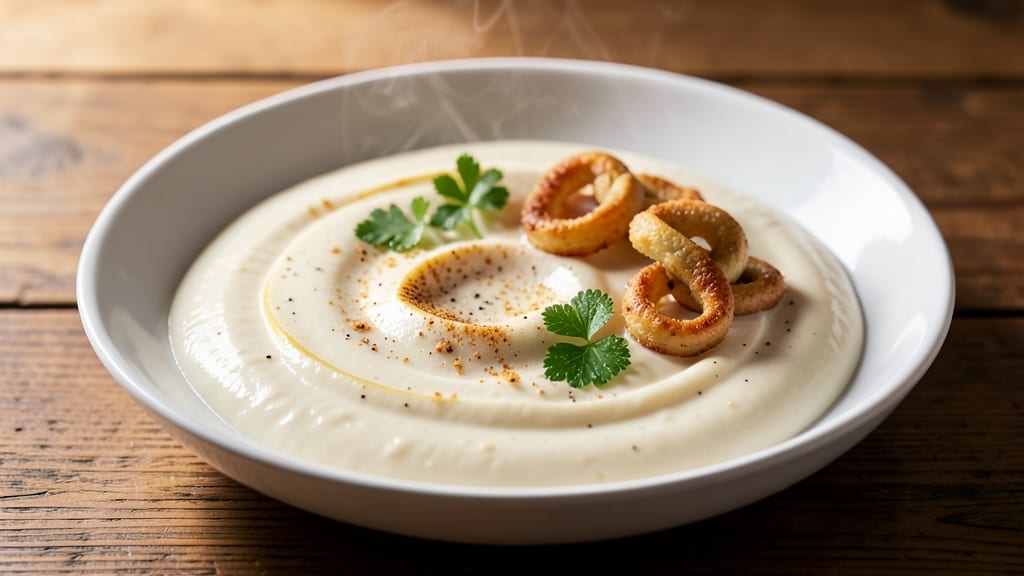
Mastering a Betty Crocker-style white sauce transforms ordinary dishes into restaurant-quality creations with just four simple ingredients. This velvety base—smooth, rich, and foolproof—elevates pasta, casseroles, and dips without requiring advanced skills. I’ve refined this recipe over years of testing, ensuring it never curdles or separates, even when reheated.
The secret lies in the roux: cooking butter and flour until golden creates a flavorful foundation that blends seamlessly with warm milk. Seasoning is flexible—garlic powder, salt, and pepper adjust to your dish, while a splash of lemon juice brightens it for seafood or vegetables.
What sets this sauce apart is its versatility: use it as a pasta topping, a creamy dip, or a casserole binder.
By the time you whisk in the final ingredients, you’ll have a sauce so silky it coats every noodle or vegetable perfectly. The texture remains velvety even after chilling, making it ideal for meal prep.
This is the kind of sauce that turns weeknight meals into something special without extra effort.
Whether you’re a beginner or a seasoned cook, this recipe delivers professional results in under 20 minutes. Let’s create the perfect creamy base for your next dish.
Ingredients for betty crocker white sauce
Four simple ingredients transform into the creamy base that makes everything taste restaurant-worthy.
| Ingredient | Amount | Notes |
|---|---|---|
| Unsalted Butter 🧈 | ½ cup | Cold, cut into small cubes |
| All-Purpose Flour 🌾 | ½ cup | Sifted for smooth sauce |
| Whole Milk 🥛 | 2 cups | Room temperature, warmed slightly |
| Garlic Powder 🧄 | 1 tsp | Freshly ground preferred |
| Diamond Crystal Kosher Salt 🧂 | ½ tsp | Adjust to taste |
| Freshly Ground Black Pepper 🌶️ | ¼ tsp | Freshly cracked for best flavor |
| Lemon Juice 🍋 | 1 tbsp | Freshly squeezed, optional |
The butter and flour combo is where magic happens. Use unsalted butter—salted can make your sauce too salty—and cut it into small cubes so it melts evenly. Whole Foods or Trader Joe's sell high-quality unsalted butter that won’t turn your sauce greasy. For the flour, King Arthur or Gold Medal brands are reliable, but any all-purpose will work. The key? Cook the roux until it’s a deep golden color—about 3-5 minutes. Too light, and it’ll taste raw; too dark, and it’ll turn bitter. Keep a close eye on it, and don’t walk away.
No garlic powder? Fresh minced garlic at half the amount works too, but toast it first in the butter for deeper flavor. Short on milk? Heavy cream or half-and-half gives a richer texture, but whole milk keeps it light and versatile. The lemon juice is optional but adds brightness—especially for seafood dishes. If you’re using this sauce for a creamy pasta, skip it; save it for vegetables or fish. And if your sauce ever curdles? Just whisk in a splash of cold milk to smooth it out. It’s foolproof, I promise.
This sauce keeps beautifully. Store it in an airtight container in the fridge for up to 5 days, or freeze it for 3 months in ice cube trays for single-serving portions. Reheat gently over low heat, stirring constantly, until it’s smooth again. The texture stays velvety even after chilling, so it’s perfect for meal prep. I like to make a big batch on Sundays—it disappears fast, especially when kids are around.
Why You'll Love This Recipe
- Pantry Magic: I swear by this sauce because it’s made with stuff I always have—just butter, flour, milk, and a pinch of garlic powder. No fancy shopping trips, no last-minute store runs. Honestly, the simplicity is half the charm.
- Rich Without Effort: That moment when you melt butter into flour and slowly whisk in warm milk? Pure satisfaction. The garlic powder adds depth without overpowering, and the result is creamy, velvety perfection—no heavy cream needed.
- Weeknight Workhorse: Slather it on chicken tenders, toss it with pasta, or drizzle it over roasted veggies. It’s my go-to for busy nights when I need something quick but still feels special. (Yes, even on a Tuesday night.)
- Budget-Friendly Luxury: A single batch stretches across multiple meals—think mashed potatoes, gravy, or even a creamy soup base. Between us, this is how I make fancy dinners feel affordable without sacrificing taste.
Step-by-step instructions for Betty Crocker white sauce
Here's how to make this classic, velvety sauce that's perfect for pasta, vegetables, or as a creamy base.
Melt the Cold Butter Over Medium Heat
Place a heavy-bottomed saucepan over medium heat and add the 0.5 cup unsalted butter cut into small cubes. Let it melt slowly, stirring occasionally with a wooden spoon. You'll know it's ready when the butter has completely melted and the pan shows gentle ripples—this indicates the heat is perfect for building flavor without burning.
I like to use cold butter here because it creates tiny air pockets when it melts, which helps develop a smoother sauce later. If you see the butter start to foam or turn golden, reduce the heat slightly—this is your cue to keep it steady and controlled. The butter should be fully melted but not browned by the time you add the flour.
Whisk in the Flour to Form a Roux
Immediately after the butter melts, sprinkle in the 0.5 cup all-purpose flour all at once. Use a whisk to blend it into the butter, stirring constantly for 1-2 minutes until the mixture turns a light golden color and becomes smooth. This is called a roux, and it's the foundation of your sauce.
Here's the thing—don't rush this step. The flour needs time to cook off its raw taste and develop a nutty flavor. You'll see the mixture thicken and change color from pale to a rich, buttery gold. If it starts to darken too quickly, reduce the heat to low-medium to prevent burning. The goal is a smooth, paste-like consistency that coats the back of your spoon.
Gradually Add the Warm Milk
With the whisk still in the pan, slowly pour in the 2 cups whole milk while whisking vigorously. Add it in a steady stream—about ¼ cup at a time—to prevent lumps from forming. Keep whisking until each addition is fully incorporated before adding more.
The milk should begin to thicken almost immediately as it combines with the roux. If you notice any lumps, don't panic—just keep whisking and the heat will help dissolve them. Once all the milk is added, increase the heat to medium-low and let the sauce simmer gently for 5-7 minutes, stirring frequently with a wooden spoon. This ensures the flour fully cooks out and the sauce becomes silky smooth.
Season and Finish with Acid
Reduce the heat to low and stir in the 1 tsp garlic powder, 0.5 tsp diamond crystal kosher salt, and 0.25 tsp freshly ground black pepper. Let the sauce simmer for another 2-3 minutes to allow the flavors to meld together. Taste and adjust the seasoning if needed—this is where you can tweak the salt or pepper to your liking.
Finally, stir in the 1 tbsp lemon juice (if using). This brightens the sauce and cuts through the richness, giving it a fresh finish. The sauce should now be thick, creamy, and perfectly seasoned. If it's too thick for your liking, thin it with a splash of milk or pasta water. For a thinner consistency, simmer uncovered for an additional 1-2 minutes to evaporate excess liquid.
Pro Tips For Making Betty Crocker White Sauce
- Whisk Like You Mean It: The moment you melt the butter, stop stirring and whisk aggressively for 30 seconds—this chops the butter into tiny bits right away, so you won’t get those clumpy lumps later. I used to rush this, and the sauce always ended up grainy no matter how much I stirred after adding milk. Don’t skip it.
- Measure Milk Precisely: Use a liquid measuring cup, not a dry one, and pour the milk slowly while whisking constantly. Whole milk expands when heated, so eyeballing it leads to a thinner sauce than the recipe intends. I learned this after making a sauce so runny it needed a second flour boost.
- Salt the Butter First: Toss in half the kosher salt with the butter before adding flour—this dissolves completely and saves you from dealing with clumpy salt later. I used to add it all at the end, and no matter how much I whisked, it never distributed evenly. (Yes, even if the recipe says otherwise.)
- Finish with a Splash: After the sauce thickens, remove it from heat, then stir in 1–2 tablespoons of cold milk to cool it down slightly. This stops the cooking process instantly and prevents the sauce from breaking or turning grainy when you add it to hot dishes. I was skeptical until I tried it—now I never go back.
Flavor customization for this recipe
Classic Garlic Herb
For a more aromatic twist, add 1 tsp dried thyme and ½ tsp dried parsley along with the garlic powder. Toast the herbs in the butter for 30 seconds before adding flour to infuse their flavors deeper. This variation works beautifully with roasted chicken or mashed potatoes. 🌿
Cheesy Velvety
Transform this sauce into a cheesy delight by whisking in 1 cup shredded sharp cheddar or ½ cup cream cheese at the end. For extra decadence, add ¼ cup grated Parmesan and a pinch of nutmeg.
This version is perfect for mac and cheese or as a creamy dip for veggies. 🧀
Lemon Pepper Zing
Boost brightness with 1 extra tbsp lemon juice and ½ tsp lemon zest along with the black pepper. Add ½ tsp onion powder for depth, and this sauce becomes ideal for seafood dishes like baked cod or shrimp scampi. The acidity balances the richness beautifully. 🍋
Smoky Chipotle
For a smoky kick, stir in ½ tsp smoked paprika and ¼ tsp chipotle powder with the garlic powder. Finish with a pinch of cayenne pepper for heat. This version pairs perfectly with grilled steak or spicy tacos. 🌶️
Creamy Mushroom
Sauté ½ cup finely chopped mushrooms in the butter before adding flour to develop their earthy flavor. After adding milk, stir in 1 tsp Worcestershire sauce and ½ tsp dried thyme. This rich variation elevates creamy pasta dishes or stuffing. 🍄
Dill & Chive Fresh
Freshen up the sauce with 1 tbsp chopped fresh dill and 1 tbsp chopped chives stirred in at the end. Add a splash of white wine (about ¼ cup) when adding milk for extra brightness. This version is perfect for fish or potato dishes. 🌱
Nutrition facts
Frequently asked questions
Can I make this white sauce without butter?
Yes, but the flavor and texture will change significantly. For a dairy-free version, substitute butter with ½ cup vegetable oil or ½ cup vegan butter. Cook the oil over medium heat until shimmering before adding flour. The sauce will be lighter but still creamy. If you're avoiding all dairy, use unsweetened almond milk instead of whole milk for a neutral flavor.
Why did my sauce get lumpy?
Lumps happen when milk is added too quickly or not whisked enough. To fix it, immediately remove the pan from heat and whisk vigorously while adding 1-2 tablespoons of cold milk one at a time. If lumps persist, strain the sauce through a fine-mesh sieve for a silky finish. For prevention, always whisk continuously when adding milk and keep heat at medium-low.
How can I make this sauce thicker or thinner?
For a thicker sauce, simmer uncovered for 2-3 extra minutes to evaporate excess liquid. If too thin, mix 1 tablespoon cornstarch with 1 tablespoon cold water, then whisk into the sauce and cook for 1 minute until thickened. For thinning, add milk or pasta water 1 tablespoon at a time while stirring constantly. The ideal consistency should coat the back of a spoon but still drizzle slightly.
Can I use powdered milk instead of liquid milk?
Replace the 2 cups whole milk with 2 cups water plus ½ cup powdered milk. This creates a slightly richer texture while keeping the same creamy consistency. For best results, whisk the powdered milk into the water first to dissolve completely before adding to the roux. The sauce may thicken faster, so reduce simmering time to 3-5 minutes total.
What are the best dishes to use this sauce for?
This versatile sauce shines in creamy pasta dishes like fettuccine Alfredo, as a binder for baked casseroles, or as a rich dip for breadsticks and veggies. It also elevates mashed potatoes, stuffing, or even as a creamy soup base. For seafood, the lemon variation works perfectly with baked fish or shrimp. The classic version pairs beautifully with roasted chicken or turkey dishes.