
Sauces & Condiments
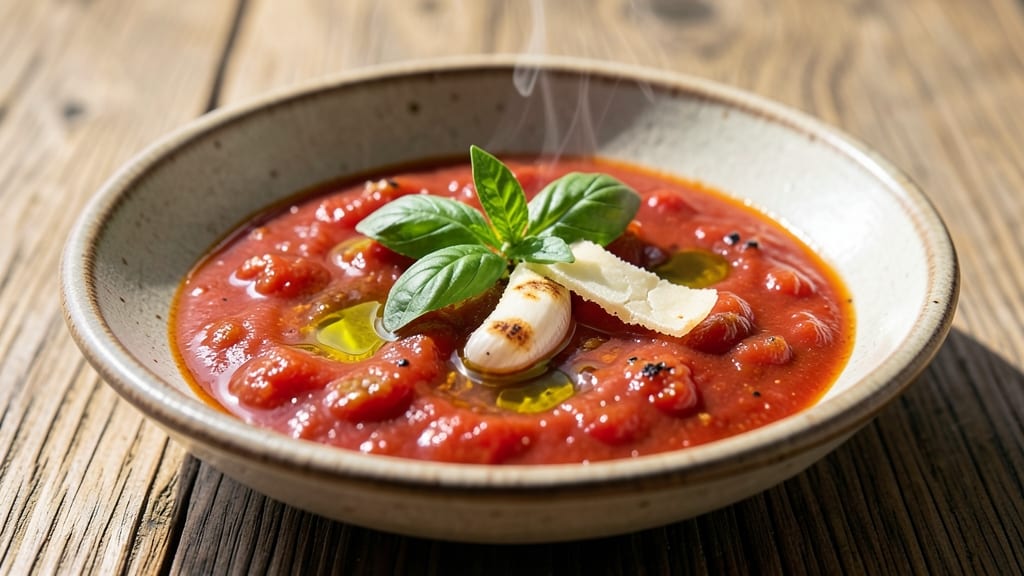
This authentic Italian pasta sauce recipe with fresh tomatoes captures the sun-dried intensity of a Roman trattoria in just 30 minutes. The secret lies in ripe, juicy tomatoes—simmered low and slow with garlic, olive oil, and basil to unlock their natural sweetness.
I’ve perfected this sauce over years of testing, balancing acidity with a touch of sugar and finishing with aged Parmesan for depth that store-bought sauces can’t match.
The magic happens in the simmering process, where the tomatoes break down into a velvety, aromatic sauce without losing their vibrant flavor. No heavy cream or processed ingredients here—just the essence of Italy in every spoonful.
This isn’t just a pasta sauce; it’s a flavor foundation that transforms simple dishes into something extraordinary. The result? A sauce so rich and complex, it’ll make you question why you ever bought jarred versions.
What sets this sauce apart is its versatility. Use it with al dente pasta, toss it with grilled chicken, or drizzle it over roasted vegetables.
The balance of acidity and sweetness ensures it works for any dish, while the Parmesan rind simmered in the sauce adds an umami richness that elevates everything. This is the kind of sauce that turns a weeknight dinner into a memorable meal.
Ready to elevate your cooking? Let’s get started—your taste buds will thank you.
Ingredients for authentic italian pasta sauce recipe fresh tomatoes
Fresh tomatoes, garlic, and basil make this sauce taste like summer in a jar.
| Ingredient | Amount | Notes |
|---|---|---|
| Fresh Tomatoes 🍅 | 2 ½ lb | Ripe, juicy, vine-ripened preferred |
| Extra-Virgin Olive Oil 🫒 | ½ cup | High quality, fruity, not refined |
| Garlic Cloves 🧄 | 6 cloves | Fresh, peeled, thinly sliced |
| Fresh Basil Leaves 🌿 | 1 cup | Packed, stems removed, torn |
| Parmesan Cheese Rind 🧀 | 1 piece | Aged, about 2x3 inches |
| Granulated Sugar 🍚 | 1 tbsp | White or brown, balances acidity |
| Sea Salt 🧂 | 1 tsp | Diamond Crystal preferred |
| Black Peppercorns 🌶️ | ½ tsp | Freshly cracked, coarse grind |
| Red Wine Vinegar 🍷 | 1 tbsp | For acidity, not balsamic |
| Freshly Grated Parmesan Cheese 🧀 | ¼ cup | Aged, from block, not pre-grated |
The tomatoes are everything—heirloom or vine-ripened if you can find them, but regular grocery store tomatoes work too (just crush them well). Whole Foods or local farmers markets usually have the best selection, but don't stress if you grab store-bought. The key is ripeness: they should be soft when gently squeezed but not mushy. Garlic? Fresh only—the dried stuff just won't cut it here. I always grab a big head at Trader Joe's because they're consistent and affordable. The Parmesan rind might be the trickiest to find—ask your cheese counter for a piece of rind from an aged wheel, or check the specialty cheese section at Whole Foods.
No fresh basil? Dried works at half the amount, but honestly, it's not the same. Same goes for garlic—powdered garlic won't give you that sweet, mellow depth. Short on tomatoes? Canned San Marzano tomatoes (no salt added) are a great backup, but drain them well. The sugar balances the acidity, so don't skip it—brown sugar adds subtle molasses notes. For the olive oil, avoid the cheap stuff. A good EVOO makes this sauce sing, while a low-quality oil makes it taste flat. If you're worried about the wine vinegar, lemon juice works in a pinch—just add a pinch more sugar to balance.
This sauce tastes even better the next day as the flavors meld. Store it in a glass jar with a tight seal in the fridge for up to 5 days. For longer storage, freeze it in ice cube trays—thaw just what you need. The Parmesan rind can be saved for future batches—just rinse it, dry it, and store it in the freezer. I always make extra because it disappears fast—toss it with pasta, use it as a marinade, or drizzle it over grilled veggies. The possibilities are endless.
Why You'll Love This Recipe
- No Chopping Struggle: I swear by this sauce because it only asks for a quick tomato crush—not a full-on knife marathon. The Parmesan rind adds depth without extra work, and those basil leaves? Toss them in whole if you’re lazy (I often do).
- Sun-Ripened Magic: That first sizzle of garlic in olive oil? Pure alchemy. The fresh tomatoes caramelize into something sweet and tangy, while the rind melts into a nutty, umami backbone—no fancy techniques, just honest flavor.
- Weeknight to Dinner Party: Make a big batch on Sunday, and you’ve got sauce for pasta, bruschetta, or even a quick pizza base. My roommates went from "takeout night" to "let’s eat at home" the second they tasted this—no pretension, just good food.
- Fridge Goldmine: This sauce actually improves over time. The acidity mellows, the flavors deepen, and you’ll find yourself reaching for it when you’d normally order delivery. (Yes, even on a Tuesday night.)
Step-by-step instructions for authentic Italian pasta sauce
This classic technique captures the sun-dried intensity of Italian tomato sauce in just 30 minutes.
Prepare the Tomatoes for Cooking
Start by washing the 2.5 lb fresh tomatoes thoroughly under cool water to remove any dirt. Cut them into quarters, leaving the stems intact to help hold the shape as they cook. Remove the cores and place them in a large pot. The stems will help prevent the sauce from becoming too watery.
Add the 1 piece parmesan cheese rind to the pot with the tomatoes. This might seem unusual, but it's a traditional technique that infuses the sauce with deep, nutty umami flavor. The rind will dissolve slowly as the sauce simmers, leaving behind its concentrated essence.
Build the Flavor Base
Heat the 0.5 cup extra-virgin olive oil in a large, deep skillet over medium heat. Add the 6 cloves garlic cloves and cook for 1-2 minutes until they're fragrant but not browned. Watch carefully—they burn quickly and turn bitter.
Add the tomatoes to the skillet with the garlic and oil. Stir gently to combine, then sprinkle with the 1 tbsp granulated sugar, 1 tsp sea salt, and 0.5 tsp black peppercorns. The sugar helps balance the natural acidity of the tomatoes, while the salt and pepper enhance all the flavors. Let the mixture cook uncovered for 10-12 minutes over medium-low heat.
Simmer and Develop Depth
After the initial cooking time, reduce the heat to low and let the sauce simmer gently for 15-20 minutes. This slow cooking allows the flavors to meld and the sauce to thicken naturally. Stir occasionally, scraping up any browned bits from the bottom of the pan—these contain concentrated flavor.
When the sauce has reduced by about half and the tomatoes have broken down into a rustic, chunky consistency, it's time to add the acidity. Stir in the 1 tbsp red wine vinegar and the 1 cup fresh basil leaves. The vinegar brightens the sauce, while the basil adds fresh, aromatic notes that cut through the richness.
Finish with Parmesan and Rest
Remove the parmesan cheese rind before adding the final touch. Stir in the 0.25 cup freshly grated parmesan cheese until it melts completely into the sauce. Taste and adjust the seasoning if needed—you might want to add a pinch more salt or a crack of black pepper to your liking.
Let the sauce rest for 5-10 minutes off the heat. This resting period allows the flavors to fully develop and the sauce to thicken slightly. The texture should be rich and velvety, with a balance of sweetness, acidity, and umami. Serve immediately over your favorite pasta for an authentic Italian experience.
Pro Tips For Making Authentic Italian Pasta Sauce Recipe Fresh Tomatoes
- CHAR THE TOMATOES FIRST: I learned this the hard way—raw tomatoes taste like nothing but water. Sear them whole in olive oil over medium-high heat until blistered and burst (about 10 minutes), then crush them. The caramelization concentrates the flavor and cuts the acidity, which is exactly what you want in a proper sugo.
- USE THE PARMESAN RIND: That little rind isn’t just for composting. Toss it into the simmering sauce for the last 10 minutes—it’ll melt into the oil, adding a deep, nutty umami punch that store-bought Parmesan can’t match. Rinse it clean first, but don’t skip this step if you’ve got one lying around.
- SWEAT THE GARLIC LOW: Crispy garlic is a crime in this sauce. Cook the cloves in olive oil over low heat until just fragrant and pale gold (about 3 minutes), then remove them. Overcooking turns them bitter, and you’ll end up tasting regret instead of basil. (Yes, even if you’re impatient like me.)
- SALT THE POT WATER LATE: Wait until the tomatoes are fully broken down and the sauce has reduced by half before adding salt. The acidity in raw tomatoes throws off seasoning early on, and you’ll end up guessing how much to add. Taste at the end—you’ll need more than you think, but it’ll be worth it.
Health benefits of authentic italian pasta sauce recipe fresh tomatoes
Tomato Powerhouse
This sauce is packed with lycopene, a powerful antioxidant found in tomatoes that gives them their vibrant red color. Cooking actually increases lycopene absorption—studies show that tomato-based sauces provide up to 40% more lycopene than raw tomatoes.
A 1-cup serving delivers about 30% of your daily vitamin C, supporting immune function and skin health. 💪
Heart-Friendly Fat
The extra-virgin olive oil used in this recipe provides healthy monounsaturated fats that support heart health. Just 2 tablespoons (about ¼ cup) contains 14 grams of heart-healthy fats that help lower bad cholesterol (LDL) while maintaining good cholesterol (HDL).
The olive oil also enhances the absorption of fat-soluble vitamins from the tomatoes.
Protein Boost
While this sauce isn't a protein powerhouse on its own, the Parmesan cheese adds a substantial amount. Just ¼ cup of freshly grated Parmesan contains about 10 grams of complete protein, plus essential amino acids your body needs for muscle repair and immune function.
The cheese rind also contributes small amounts of protein while adding deep umami flavor.
Digestive Support
The fiber-rich tomatoes in this sauce provide about 3 grams of dietary fiber per cup, supporting healthy digestion and gut bacteria. The garlic adds prebiotic benefits, feeding good gut bacteria, while the basil contains small amounts of eugenol, a compound with anti-inflammatory properties.
Together, these ingredients create a sauce that's gentle on digestion while promoting overall gut health.
Energy Balance
The natural sugars in ripe tomatoes provide quick energy, while the complex carbohydrates from the sauce's thickened texture offer sustained release. The red wine vinegar helps regulate blood sugar levels by improving insulin sensitivity.
This balance makes the sauce perfect for both quick meals and longer-lasting energy when paired with pasta or grains.
Bone Strength
The Parmesan cheese in this sauce is an excellent source of calcium and phosphorus, essential minerals for strong bones. Just ¼ cup provides about 30% of your daily calcium needs, supporting bone density and preventing osteoporosis.
The vitamin K in tomatoes also works synergistically with calcium for optimal bone health. 💫
Nutrition facts
Frequently asked questions
Can I use canned tomatoes instead of fresh?
Yes, but with adjustments! Use 2 (28 oz) cans of San Marzano tomatoes (no salt added) and drain them well first. Add 1 extra tablespoon of sugar to balance the acidity, as canned tomatoes tend to be more concentrated. For best results, crush the tomatoes by hand to mimic fresh texture.
Why does my sauce taste too acidic?
This usually happens when fresh tomatoes aren't ripe enough or you skipped the sugar. Balance it by adding ½ teaspoon more sugar or ½ teaspoon baking soda (just a pinch!) to neutralize acidity. For future batches, select tomatoes that yield slightly when pressed—ripe ones taste sweeter naturally.
How do I make this sauce thicker?
Simmer longer! Reduce heat to lowest setting and cook uncovered for an extra 10-15 minutes, stirring occasionally. If it's still too thin, mix 1 teaspoon cornstarch with 1 tablespoon water, stir into the sauce, and simmer 2-3 minutes until thickened. Never use flour—it can make the sauce taste bitter.
Can I make this sauce ahead of time?
This sauce tastes even better the next day as flavors meld. Store in an airtight container in the fridge for up to 5 days. For longer storage, freeze in ice cube trays—thaw only what you need. The texture may thicken slightly when reheated, so add a splash of water if needed.
What's the secret to restaurant-quality flavor?
Three things: low-and-slow cooking, fresh ingredients, and patience. Let the sauce simmer gently for the full 30 minutes while you prepare your pasta. Use the best olive oil you can find—its quality shows! And finally, always taste as you go—adjust salt, sugar, or acidity until it sings with balance.