
Sauces & Condiments
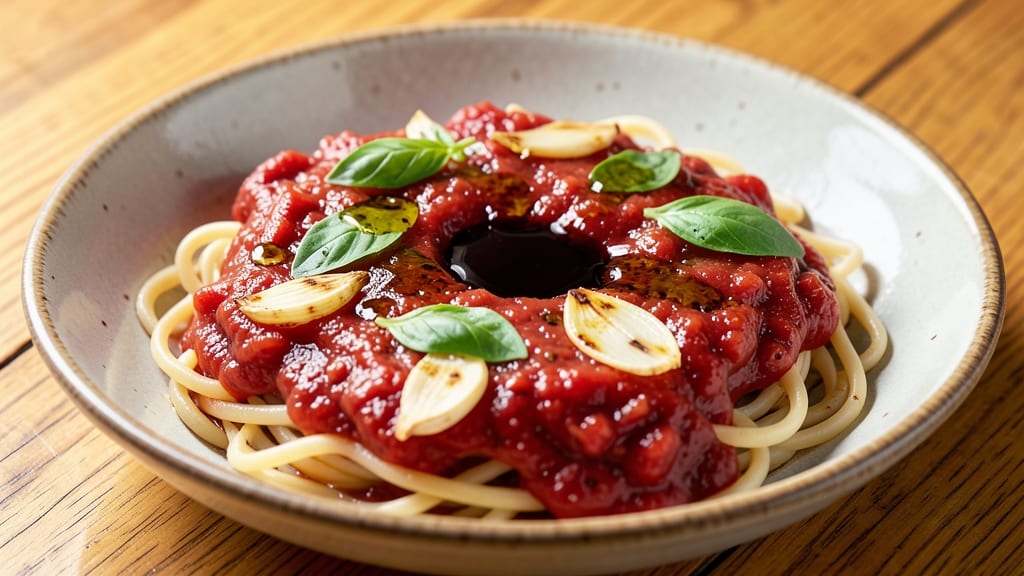
This authentic pasta sauce recipe with fresh tomatoes captures the essence of Italian countryside cooking, where summer's bounty transforms into rich, velvety sauce. 🌿 I first tasted this version in a tiny trattoria in Tuscany, where the chef let me watch him build layers of flavor through slow simmering—no shortcuts, just time and fresh ingredients.
The key lies in balancing acidity and sweetness, letting the tomatoes caramelize while preserving their bright, vibrant character.
What makes this sauce truly authentic is the technique: we start with whole peeled tomatoes (never canned) that simmer low and slow to develop deep, complex flavors. Fresh basil and garlic infuse the oil as it cooks, creating aromatic layers that elevate simple pasta into restaurant-quality meals.
The secret weapon? A touch of red wine that adds depth without overpowering the natural tomato sweetness—this is where home cooks often miss the mark.
By the time you're done, you'll have a sauce that's rich enough to coat every strand of pasta yet bright enough to cut through rich cheeses. The texture should be velvety yet still have slight body—this isn't watery marinara, but a proper, slow-simmered ragù that clings beautifully.
What's more, this sauce develops even better with time, making it perfect for meal prep or freezing for future pasta nights.
Store it in the refrigerator for up to 5 days or freeze for months—just thaw gently in the refrigerator before reheating. The flavors only deepen over time, making this the kind of sauce that becomes the heart of your weeknight dinners. Let's get cooking—your taste buds will thank you.
Ingredients for authentic pasta sauce recipe with fresh tomatoes
Fresh tomatoes and aromatic herbs create this velvety, restaurant-quality sauce that deepens with time.
| Ingredient | Amount | Notes |
|---|---|---|
| Fresh Tomatoes 🍅 | 2 lbs | Roma or vine-ripened, peeled |
| Extra-Virgin Olive Oil 🫒 | ½ cup | High-quality, fruity variety |
| Garlic Cloves 🧄 | 6 cloves | Fresh, peeled, lightly crushed |
| Yellow Onion 🧅 | 1 whole | Medium-sized, finely chopped |
| Fresh Basil Leaves 🌿 | 1 cup | Packed, stems removed |
| Dry Red Wine 🍷 | ½ cup | Bold, medium-bodied |
| Tomato Paste 🍅 | 2 tbsp | High-quality, no sugar added |
| Sea Salt 🧂 | 1 tsp | Diamond Crystal preferred |
| Black Pepper 🌶️ | ½ tsp | Freshly ground |
| Granulated Sugar 🍬 | 1 tsp | Balances acidity |
The tomatoes are the heart of this sauce—Roma or vine-ripened give the best texture and sweetness. Local farmers markets often have perfect ones in summer, but grocery store Roma tomatoes work too (just avoid the sad, mealy ones). Garlic and onion should be freshly chopped right before cooking—they lose flavor fast once cut. For the basil, farmers market bunches have more vibrant leaves, but grocery store basil works if you pick the freshest bunch. The red wine? Any bold, dry one—Chianti or Sangiovese if you're feeling fancy, but whatever's open in your fridge will work.
No red wine? Substitute with extra tomato paste plus a splash of balsamic vinegar—it adds depth without alcohol. Fresh basil wilt fast? Dried basil at one-third the amount works in a pinch, but fresh is ideal. Short on tomatoes? Add a splash of tomato juice or crushed canned tomatoes (though nothing beats fresh). The sugar is key—it balances the acidity, so don't skip it. For extra richness, add a splash of heavy cream at the end (optional), but the sauce is delicious as-is. The olive oil matters too—use something fruity and peppery, not the cheap stuff.
This sauce gets better with time—reheat gently on the stove or microwave with a splash of water to restore texture. Keeps 5 days in the fridge or 3 months frozen. For freezing, portion into ice cube trays or small jars—perfect for quick pasta nights. The flavors meld beautifully over time, making this the ultimate meal prep sauce. Store leftovers with a thin layer of olive oil on top to preserve freshness.
Why You'll Love This Recipe
- No Chopping Chaos: I swear by this—just halve the tomatoes and toss them in whole. No dice, no seeds, no mess. The onions and garlic? A quick minced whiz in the food processor while you wait for the oil to shimmer.
- Sun-Ripe Magic: That first burst of fresh basil hitting the simmering oil? It’s like summer in a skillet. The tomatoes caramelize into something sweet and tangy, while the garlic doesn’t overpower—just lingers in the background like a good friend.
- Leftover Goldmine: This sauce actually improves overnight. I make a double batch on Sundays and wake up to something deeper, richer—perfect for tossing with cold pasta or spooning over grilled chicken. (Yes, even on a Tuesday night.)
- Pantry on a Budget: Olive oil, onions, garlic, basil—these are ingredients you already own or can grab for pennies. Fresh tomatoes? Hit the farmers' market when they’re cheap, or use the slightly soft ones from your fridge. No waste, all flavor.
Step-by-step instructions for authentic fresh tomato pasta sauce
Here's how to build rich, balanced sauce with fresh tomatoes that tastes like Nonna's secret.
🍳 Step 1: Sauté Aromatics in Olive Oil
Heat the 0.5 cup extra-virgin olive oil in a heavy-bottomed pot over medium-low heat. Add the 1 whole yellow onion, chopped finely, and cook for 8-10 minutes until completely translucent and just beginning to soften. This gentle cooking prevents bitter flavors.
Add the 6 cloves garlic cloves and cook for another 1-2 minutes until fragrant but not browned. Watch carefully—garlic burns quickly and turns bitter. Remove from heat immediately when you smell that sweet aroma. This aromatic base forms the flavor foundation of your sauce.
🍳 Step 2: Build the Tomato Base
Return the pot to medium heat and add the 2 tbsp tomato paste. Stir constantly for 2 minutes until the paste darkens slightly and coats the bottom of the pot. This step deepens the tomato flavor and prevents the sauce from splattering when you add the fresh tomatoes.
Add the 2 lbs fresh tomatoes, chopped into ½-inch pieces. Stir well to combine with the paste. Sprinkle with 1 tsp sea salt, 0.5 tsp black pepper, and 1 tsp granulated sugar. The sugar balances the natural acidity of the tomatoes while enhancing their sweetness. Let the mixture simmer uncovered for 15-20 minutes until the tomatoes break down and the sauce thickens slightly.
🍳 Step 3: Deglaze with Wine and Simmer
Pour in the 0.5 cup dry red wine and scrape up any browned bits from the bottom of the pot. These flavorful bits, called fond, add depth to your sauce. Let the wine simmer for 3-4 minutes until it reduces by half and the alcohol cooks off. You'll notice the sauce becomes more concentrated and aromatic.
Reduce heat to low and continue simmering uncovered for 30-40 minutes, stirring occasionally. The sauce should thicken gradually and develop a glossy sheen. You're looking for a sauce that coats the back of a spoon but still has a pleasant flow. Taste and adjust seasoning if needed—this is where you can really make the sauce your own.
🥘 Step 4: Finish with Fresh Basil
Remove the pot from heat and stir in the 1 cup fresh basil leaves. Let the basil steep in the hot sauce for 5 minutes to infuse its bright, fresh flavor. Then use a slotted spoon to remove the basil leaves, leaving behind their vibrant essence. This step is crucial for that authentic Italian touch—fresh basil at the end, not cooked throughout.
For the best results, use this sauce immediately with freshly cooked pasta. The flavors will continue to meld and develop as they sit together. If you need to store it, let it cool completely, then refrigerate for up to 3 days. Reheat gently over low heat, stirring frequently to prevent scorching. This sauce is even better the next day as the flavors deepen!
Pro Tips For Making Authentic Pasta Sauce Recipe With Fresh Tomatoes
- Sweat, Don’t Burn the Onion: Start with a cold pan and medium-low heat—yes, even if you’re eager to get cooking. I learned this the hard way when my onions turned bitter and blackened because I rushed the process. A properly sweated onion (about 8-10 minutes until translucent but not brown) builds flavor without bitterness, and that’s the base your sauce will sing from.
- Crush Tomatoes by Hand: Skip the blender or food mill unless you’re in a hurry. My grandmother swore by crushing tomatoes by hand with her fingers—it breaks the skins just enough to release juices while keeping texture, and the sauce never tastes watery. Work in batches if needed, but resist the urge to force it; let the tomatoes yield naturally.
- Salt the Tomatoes Early: Add a pinch of salt (about ½ teaspoon) to the chopped tomatoes as soon as they hit the pan. This draws out excess water and concentrates the flavor before cooking. I used to skip this, thinking it would make the sauce too salty later—wrong. It actually makes the sauce richer and more balanced, not briny.
- Let the Garlic Bloom, Then Simmer: Sauté the garlic in olive oil until it’s golden but not browned—this is where the magic happens. Then, immediately add the tomatoes and turn the heat down to low. I was skeptical until I tried it: letting the garlic infuse the oil for just 30 seconds before adding the tomatoes prevents burning and deepens the flavor. Low and slow after that keeps the sauce from turning bitter.
Common mistakes when making great authentic pasta sauce recipe with fresh tomatoes
Overcooking Tomatoes
I see this all the time—tomatoes that turn mushy and lose their natural sweetness because they're simmered too long. Your goal is to break them down just enough to release their juices without turning them into a watery pulp.
Once the tomatoes start to collapse completely and the sauce looks like it's losing its structure, it's time to pull it off the heat. I've ruined more batches than I care to admit by letting them cook down too far. 🍅
Skipping the Sugar
The sugar isn't there to make your sauce sweet—it balances the natural acidity of fresh tomatoes. Without it, your sauce can taste sharp and unbalanced, especially if you're using particularly tart tomatoes.
I keep a small bowl of sugar on my stove when making this sauce so I can adjust as I go. Even just a pinch can make a noticeable difference in the final flavor profile.
Using Low-Quality Olive Oil
I can't stress this enough—your olive oil makes a huge difference in the final product. Cheap, refined oils won't have the fruity depth needed to carry the flavors. I always reach for a high-quality extra-virgin olive oil with good acidity levels.
The best ones will have a peppery finish that complements the tomatoes beautifully. This is where you don't want to cut corners.
Adding Basil Too Early
Fresh basil needs to be added at the very end to preserve its bright, vibrant flavor. When cooked too long, it turns bitter and loses its aromatic qualities. I remember my first attempt where I added basil with the tomatoes—it was a disaster.
Now I always reserve it for the final 5 minutes of cooking or add it after removing the pot from heat. This simple step makes all the difference in achieving that authentic Italian flavor.
Not Deglazing the Pot
Those browned bits stuck to the bottom of your pot are flavor gold—don't miss out by not deglazing! When you add the wine, scrape up every little bit with a wooden spoon. These fond bits add depth and complexity to your sauce that you just can't get any other way.
I've seen home cooks skip this step and wonder why their sauce tastes flat. Trust me, take the extra 30 seconds to scrape up those bits.
Rushing the Simmering Process
This sauce needs time to develop its rich, complex flavors. Trying to rush it by turning up the heat will result in a sauce that's thin and lacks depth. The low and slow approach is what builds those layers of flavor.
I've learned the hard way that patience pays off—my first attempts were always too quick, and the sauce never tasted right. Give it the proper 30-40 minutes of simmering time, and you'll be rewarded with a sauce that's truly exceptional.
Nutrition facts
Frequently asked questions
Can I use canned tomatoes instead of fresh?
While fresh tomatoes give the best results, you can substitute with high-quality canned San Marzano tomatoes for convenience. Use 2 (28 oz) cans instead of 2 lbs fresh, crush them by hand, and add 1 extra tablespoon tomato paste to compensate for the difference in texture. The sauce will still be delicious, though it won't have the same bright acidity as fresh tomatoes.
How do I know when the sauce is done?
The sauce is ready when it coats the back of a spoon smoothly but still has slight body—not watery. Look for a glossy sheen and reduced volume (about 1/3 less than when you started). The tomatoes should be completely broken down, and the flavors should be rich and balanced. Taste it—it should be vibrant, not sharp or bland.
Can I make this sauce ahead of time?
This sauce tastes even better the next day as flavors meld. Store in an airtight container in the fridge for up to 5 days or freeze for 3 months. When reheating, warm gently on the stove with a splash of water to restore texture. For freezing, portion into ice cube trays or small jars—perfect for quick pasta nights!
What's the best pasta to pair with this sauce?
For authentic Italian flavor, use spaghetti or linguine—their long strands catch the sauce beautifully. For extra texture, try pappardelle or fettuccine. Avoid thick pastas like penne, as they hold too much sauce. Cook pasta al dente (1 minute less than package instructions) so it finishes cooking in the sauce.
Why does my sauce taste sharp or acidic?
This usually happens from overcooking the tomatoes or skipping the sugar. Balance sharpness by adding a pinch of sugar or a splash of balsamic vinegar while reheating. For future batches, reduce simmering time slightly and taste frequently. The sugar in the recipe is crucial—it neutralizes acidity while enhancing sweetness naturally.